Diplomacy
The Türkiye-China Academic Cooperation Ceremony Was Held in Istanbul

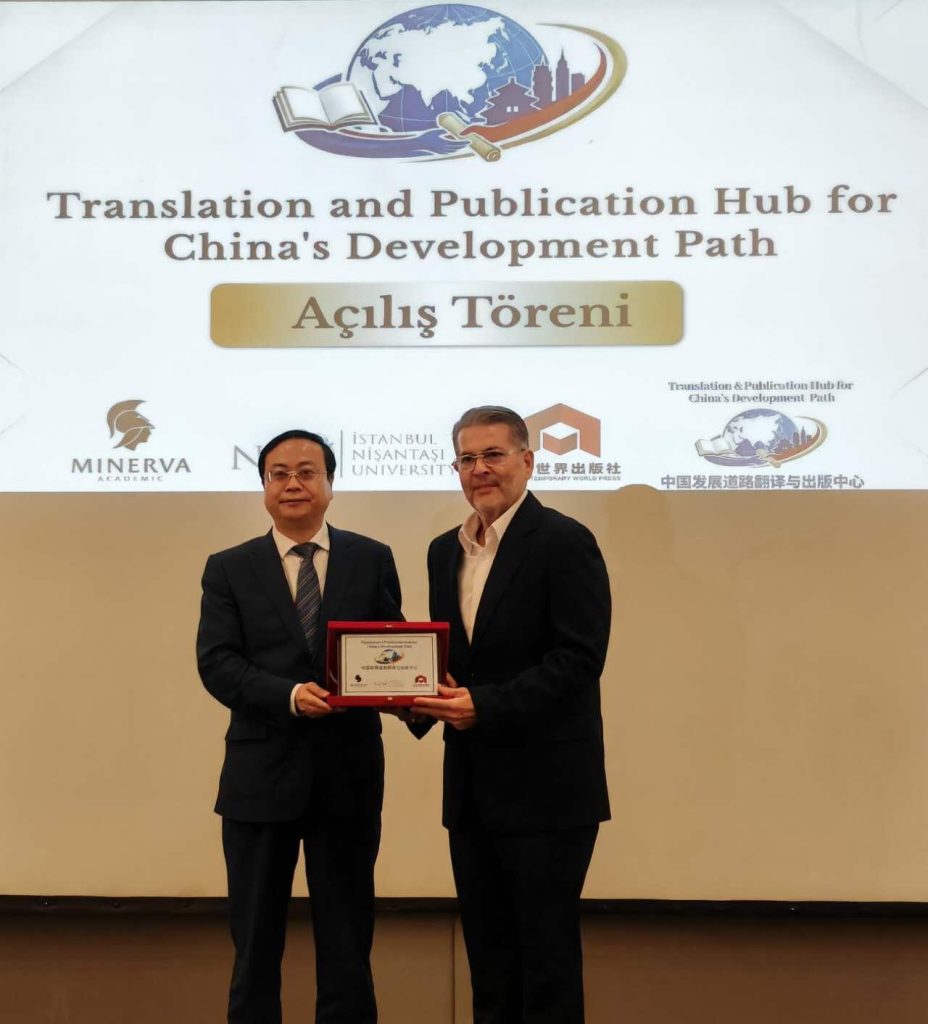
Jin Xin, Vice Minister of the International Department, Central Committee of Communist Party of China, and Wei Xiaodong, Consul General of China in Istanbul, attended the Türkiye–China Academic Cooperation Ceremony held in Istanbul. Levent Uysal, founder of Nişantaşı University, and Vice Minister Jin Xin jointly inaugurated the Translation and Publication Hub for China’s Development Path. In his remarks, the Chinese Vice Minister stated: “China–Türkiye friendship will continue to grow stronger, and cooperation between the two countries will contribute to regional and global peace.”
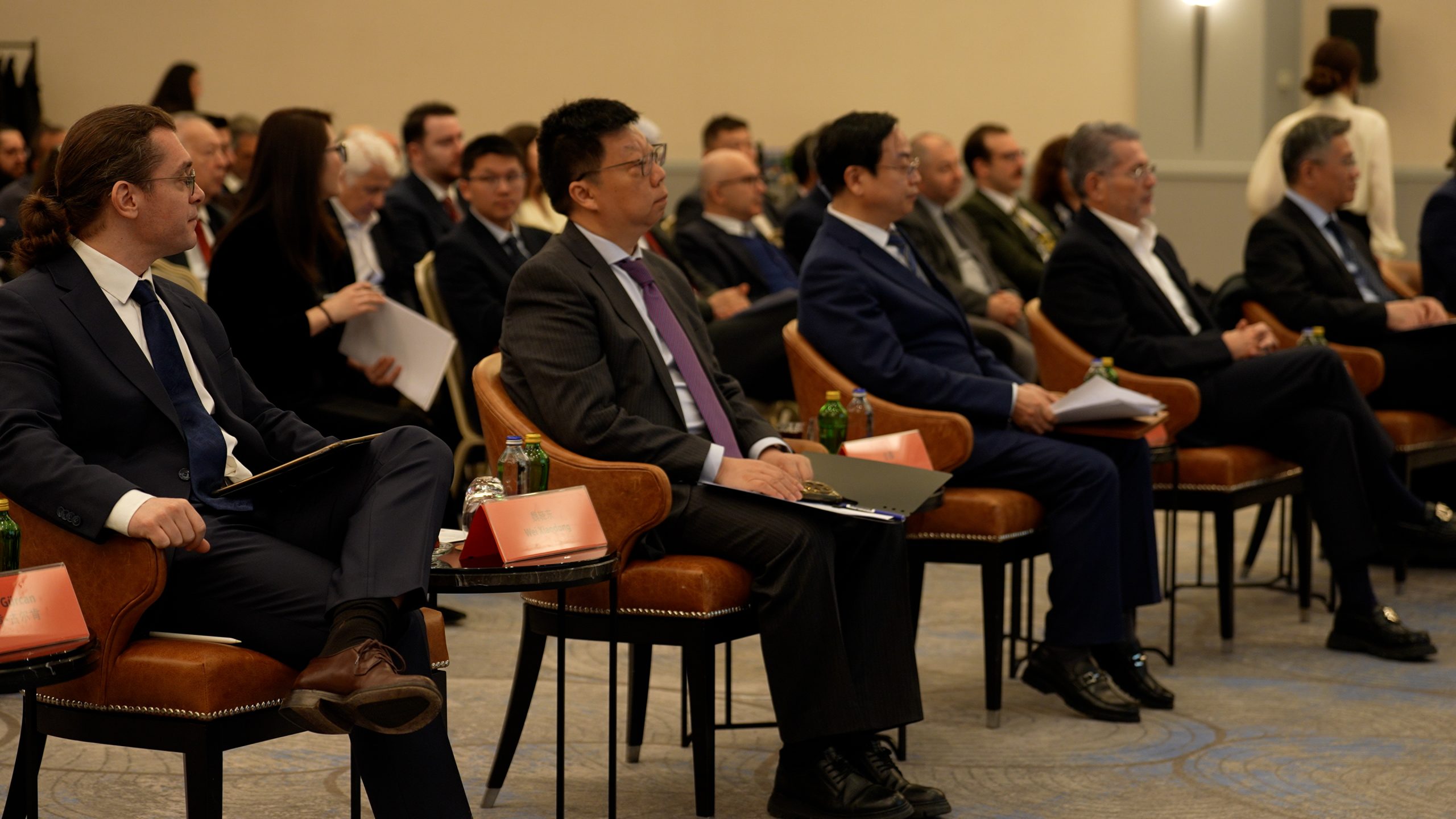

The Türkiye–China Academic Cooperation and Book Launch Ceremony, aimed at deepening cultural and academic engagement between Türkiye and China, was held on Sunday, April 12, at the Conrad Hotel in Istanbul. Organized by Minerva Academic Publishing and Contemporary World Press, one of China’s leading publishing houses, the ceremony also featured the introduction of the book Subtle Manifestations of the Dao-Mind: Strategic Culture and Historical Lessons from China’s Unified Dynasties, which examines the relationship between China’s intellectual heritage and its contemporary approach to development and foreign policy.
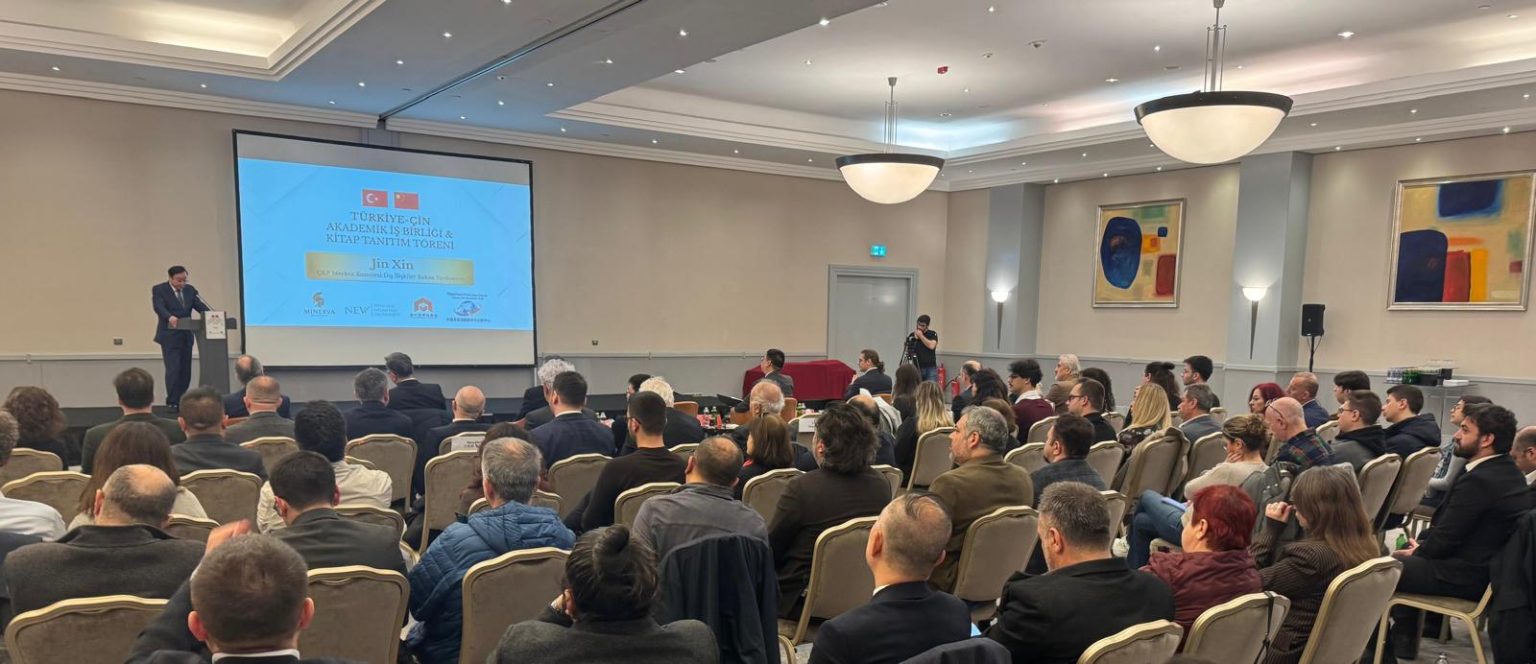

At the ceremony, the Translation and Publication Hub for China’s Development Path was officially inaugurated as a joint initiative between Nişantaşı University, Minerva Academic, and Contemporary World Press, with a focus on translation and academic cooperation. The event was attended by Jin Xin, Vice Minister of the International Department, Central Committee of Communist Party of China (CPC), Wei Xiaodong, Consul General of the People’s Republic of China in Istanbul, Levent Uysal, founder of Nişantaşı University, and Prof. Dr. Uğur Yozgat, Vice Rector, along with numerous distinguished guests from academia, publishing, and the media.
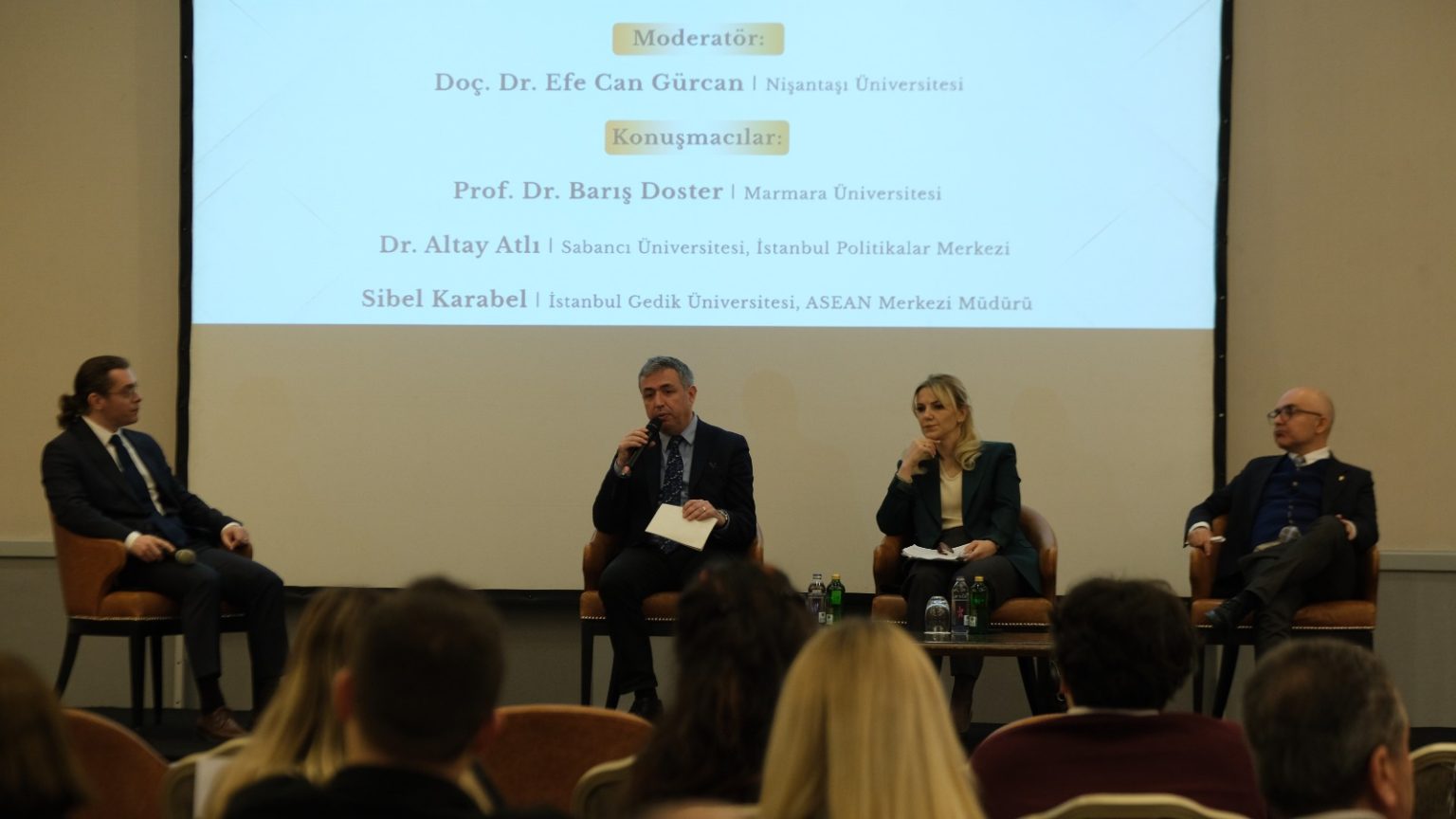
In the later part of the program, an academic panel was held under the moderation of Assoc. Prof. Dr. Efe Can Gürcan, Director of Minerva Academic. The panel featured Prof. Dr. Barış Doster, faculty member at Marmara University; Dr. Altay Atlı, Senior Expert at the Istanbul Policy Center of Sabancı University; and Sibel Karabel, Director of the ASEAN Center at Istanbul Gedik University, as speakers. The event, which was also organized with the support of Harici Media, concluded with the launch of a new documentary on cooperation opportunities between Türkiye and China, followed by a short video screening.

One of the key themes highlighted during the ceremony was the institutionalization of Türkiye–China relations not only in diplomatic and economic terms, but also across intellectual, cultural, and publishing dimensions. In this context, the Translation and Publication Hub for China’s Development Path, inaugurated by Jin Xin, Vice Minister of the International Department, Central Committee of Communist Party of China (CPC), and Levent Uysal, Founder of Nişantaşı University, was presented as a new joint platform aimed at translating and publishing works on China’s development experience, governance model, and tradition of strategic thought into Turkish, foremost, as well as other languages. Speakers noted that the hub would provide a lasting foundation for mutual knowledge production, academic exchange, and translation activities between the two countries.

In his remarks, Jin Xin, Vice Minister of the International Department, Central Committee of the Communist Party of China, emphasized that relations between China and Türkiye are shaped not only by current geopolitical convergence, but also by a multilayered civilizational interaction dating back to the Ancient Silk Road. He noted that inter-civilizational exchange and mutual learning are fundamental driving forces behind human progress, and argued that, in the face of global challenges, notions of “civilizational superiority” and zero-sum thinking should be abandoned. Stressing the importance of developing new channels of cooperation based on equality, dialogue, and inclusiveness, Jin Xin described the newly inaugurated hub as an important academic platform that will present China’s development experience to Türkiye and countries in the region in a more systematic manner. In the same speech, he added that the English-language book introduced at the event would contribute to a better understanding of China’s peaceful cultural tradition, while the documentary project would help bring the friendship between the two countries to a wider audience.

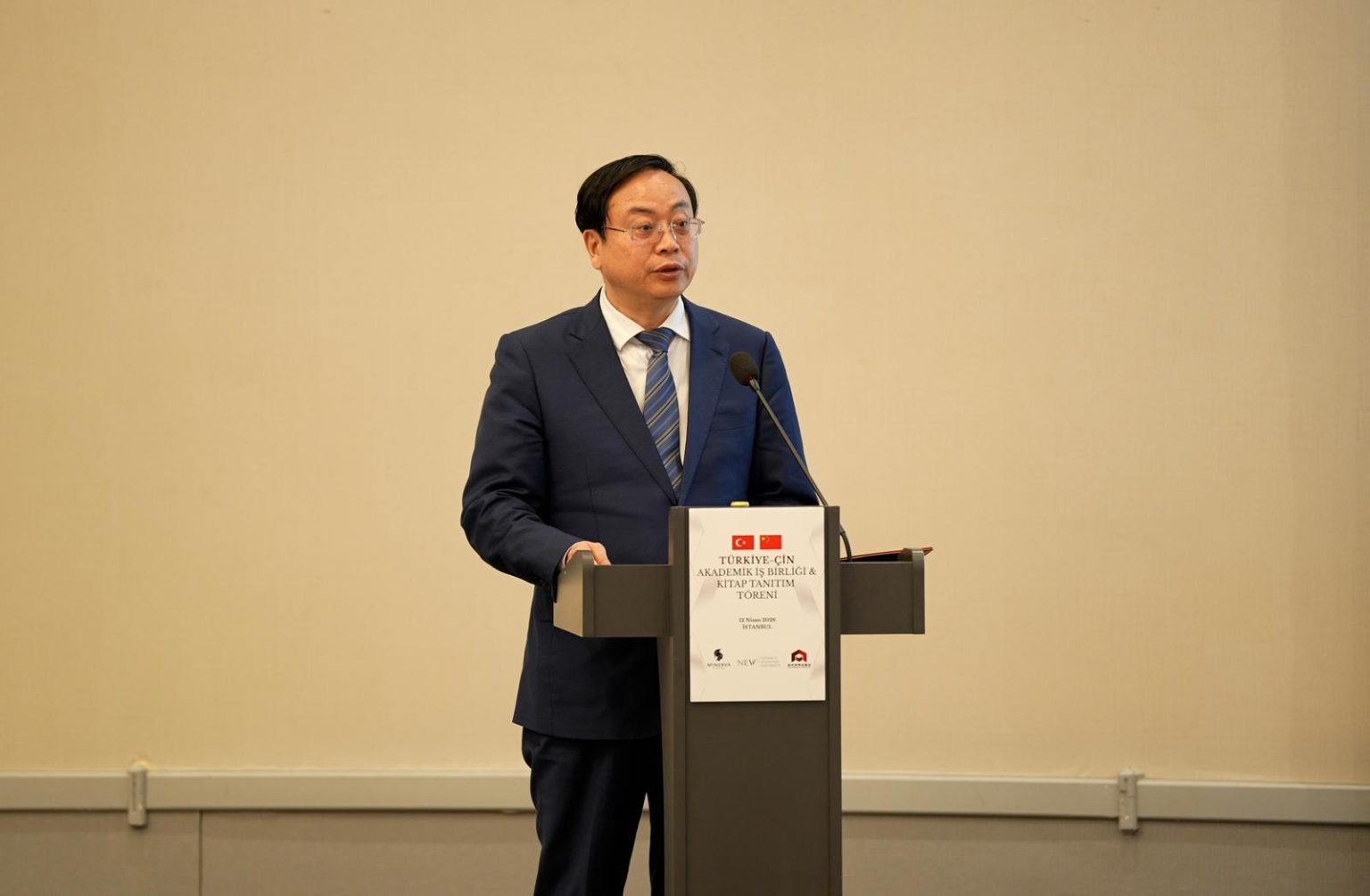
Jin Xin, Vice Minister of the International Department, Central Committee of Communist Party of China
In his remarks, Wei Xiaodong, Consul General of the People’s Republic of China in Istanbul, stated that the newly inaugurated hub would elevate cultural and academic ties between Türkiye and China to “a new level.” Describing China’s development model in terms of a people-centered approach, a balance between reform and governance, technology-enabled administration, and independent innovation, Wei noted that China remains open to sharing its development experience and stands ready to strengthen cooperation with Türkiye and other countries in addressing common challenges. He also emphasized that Türkiye and China have long been connected through the Silk Road and that, today, their shared vision of common development has been further reinforced within the framework of the Belt and Road Initiative. Recalling that Turkish language education is offered at 11 universities in China, while four Confucius Institutes are currently active in Türkiye, Wei underscored the strategic importance of academic and cultural engagement in fostering mutual societal understanding. “We should regard books as a vehicle and knowledge as a bridge,” he said, adding that cooperation in publishing and translation would further deepen ties between the two peoples.
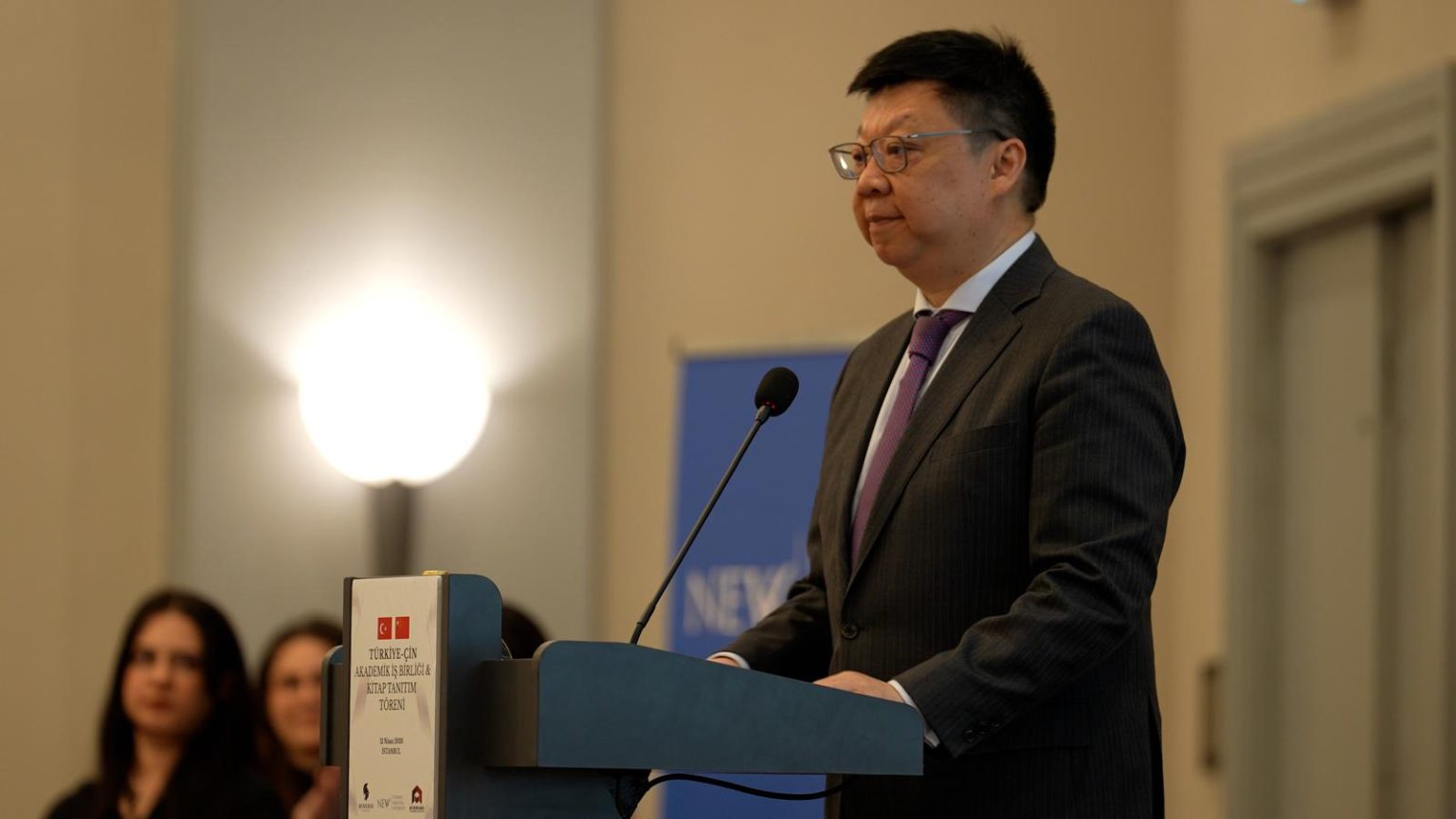
Wei Xiaodong, Consul General of the People’s Republic of China
In his remarks, Prof. Dr. Uğur Yozgat, Vice Rector of Nişantaşı University, underscored the importance of cooperation between Turkish and Chinese academia. Noting that Chinese academia has, in recent years, risen to a leading position globally across many fields, Yozgat stated: “As Istanbul Nişantaşı University, we view this rise as a strategic opportunity and attach special importance to deepening our relations with Chinese academic institutions.” The Vice Rector also expressed his expectation that Turkish–Chinese academic cooperation would contribute not only to bilateral ties, but also to the construction of a more inclusive and innovative academic order on a global scale.
Among the key points highlighted during the presentation of Subtle Manifestations of the Dao-Mind: Strategic Culture and Historical Lessons from China’s Unified Dynasties, translated into English by Minerva Academic, was the emphasis on continuity between China’s historical strategic culture and its present-day diplomatic and political orientation. Originally published in Chinese in 2025 by Contemporary World Press and authored by Zhu Zhongbo, the work was introduced as an examination of China’s ancient grand strategy and strategic culture through the Qin, Western Han, Eastern Han, Sui, and Tang dynasties. In a video message sent to the event, author Zhu Zhongbo stated that Chinese strategic culture is grounded in peace, virtuous governance, innovation, and long-term thinking, and that it has developed a political approach based on moral principles in opposition to power politics and the pursuit of hegemony. The book was presented as an important reference for understanding the character of contemporary Chinese diplomacy and for approaching debates on global governance from a historical perspective.
A shared message that emerged from the academic panel was that relations between Türkiye and China should be strengthened not only at the state-to-state level, but also through new channels of engagement among universities, publishing houses, researchers, and the broader public.
The documentary, which has entered production as a joint initiative of Contemporary World Press and Harici Media, was introduced by director Çağatay Yurt. In his remarks, Yurt stated: “We have launched a documentary project that tells the story of the companionship of two ancient civilizations, China and Türkiye, in the modern world, and aims to highlight the richness this interaction brings to the peoples of both countries.” He emphasized that the documentary will seek to address the question, “Are civilizations destined to clash, or should they nourish one another?” through the perspectives of Turkish university students, young academics, and digital thought leaders who are closely familiar with and have firsthand experience of both Chinese and Turkish cultures. Filming for the documentary will take place in Istanbul, Belek in Antalya, Aksaray, and at Tuz Lake.
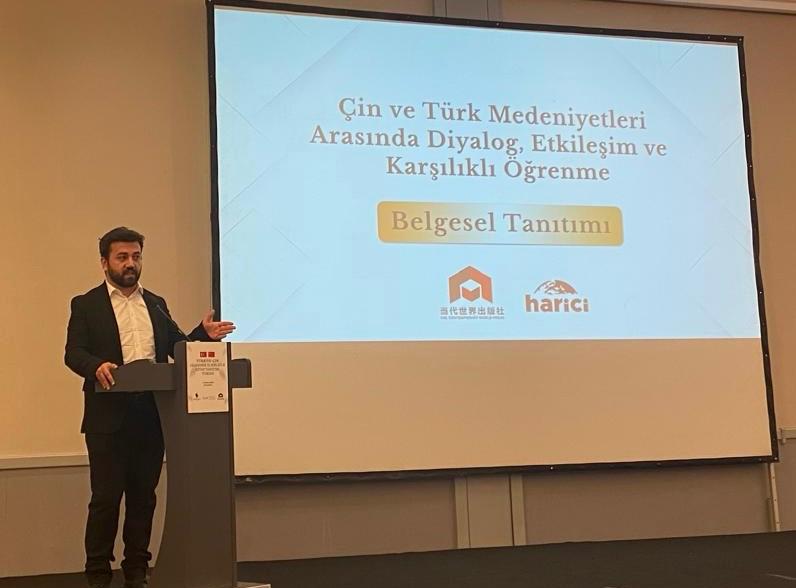

The speeches delivered during the ceremony made clear that translation activities, joint publishing projects, academic panels, and visual documentary work all share a common objective: to foster deeper mutual understanding between the two countries. In this respect, the ceremony held in Istanbul stood out as a multilayered initiative that brought together cultural diplomacy, academic cooperation, and publishing under one roof.