Europe
US lifts Belarus potassium sanctions after 123 political prisoners are released

The US administration has lifted sanctions on potassium exports, one of the most comprehensive restrictions on the Belarusian economy.
The decision was announced following talks in Minsk between US President Donald Trump’s Special Envoy to Belarus, John Cole, and President Alexander Lukashenko.
Immediately after the diplomatic contacts, the Belarusian government released 123 people, including high-profile opposition figures who were Lukashenko’s rivals in the 2020 elections.
Sanctions lifted on Trump’s orders
In a statement to the Pul Pervogo channel, known for its proximity to the Belarusian presidency, US President Trump’s special envoy, John Cole, stated that the lifting of sanctions is part of Washington’s new policy.
Cole emphasized that the negotiations were “very productive” and that relations between the two countries have entered a normalization process.
In his statement, Cole said:
“On President Trump’s instructions, the US is lifting sanctions on potassium. I think this is a very good move by the US for Belarus. We are lifting the sanctions as of now. As relations between the two countries normalize, more sanctions will be lifted.”
The US delegation, which arrived in Minsk on December 12, discussed the war in Ukraine, the situation in Venezuela, and bilateral relations with Lukashenko behind closed doors.
Cole expressed hope that an agreement would be reached to lift all sanctions in the future.

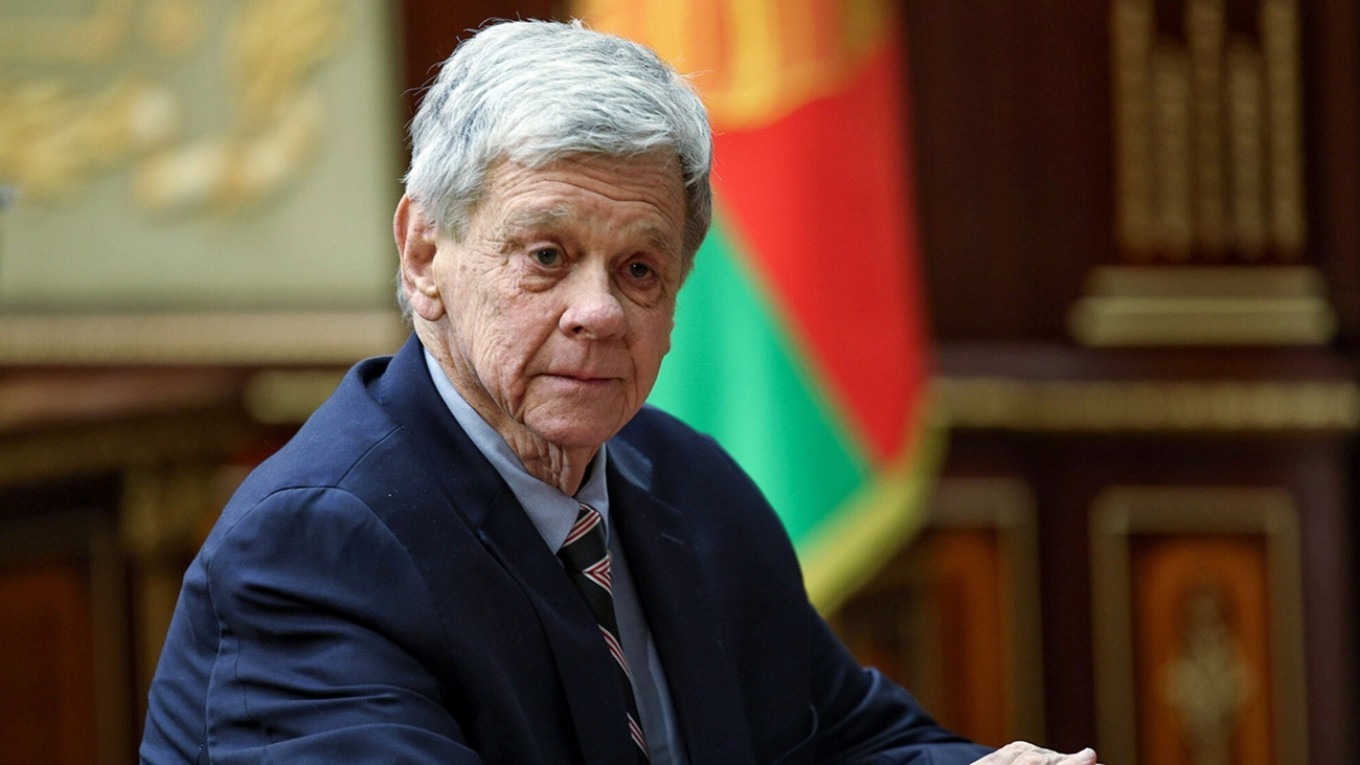
John Cole
Opposition leaders sent to Ukraine
Simultaneously with the announcement of the sanctions decision, Belarusian President Lukashenko signed a pardon for 123 prisoners.
Among those released were Viktor Babariko, the former head of Belgazprombank who was seen as Lukashenko’s strongest rival in the 2020 presidential election; his campaign manager, Maria Kolesnikova; and Nobel Peace Prize laureate and human rights defender Ales Bialiatski.
Contrary to previous practices, 114 of the released individuals were sent to Ukraine instead of Lithuania.
Speaking at a press conference at a hospital in the Ukrainian city of Chernihiv, Maria Kolesnikova acknowledged the actors who played a role in her release.

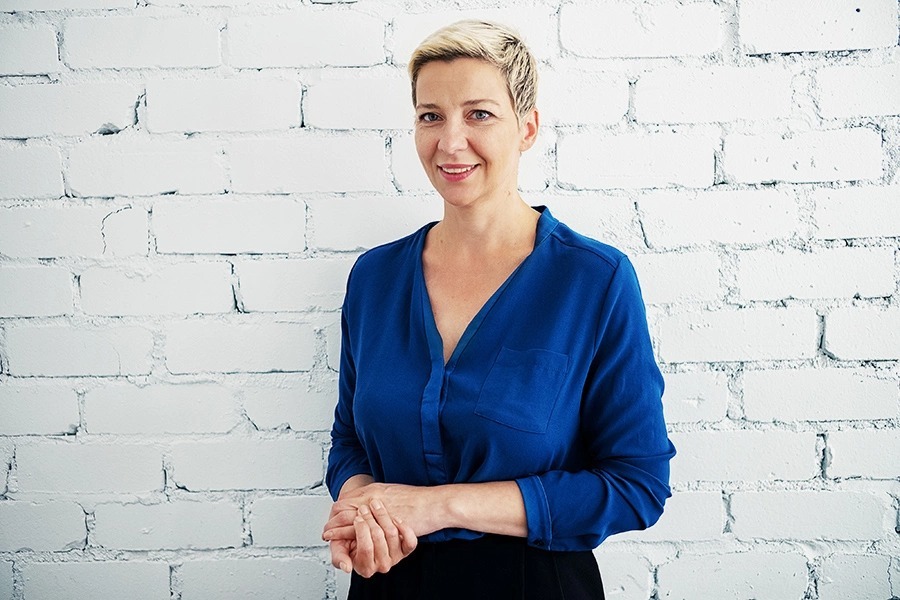
Mariya Kolesnikova
“I thank US President Donald Trump, Ukrainian President Volodymyr Zelenskyy, and Alexander Lukashenko for my freedom,” Kolesnikova said.
Stating that her health had deteriorated during her five-year imprisonment, Kolesnikova mentioned that she plans to spend time with her family.
Viktor Babariko said he was “completely isolated from the outside world in prison, had no access to information sources, and thought everything was over when he was released, but saw that the struggle continues.”
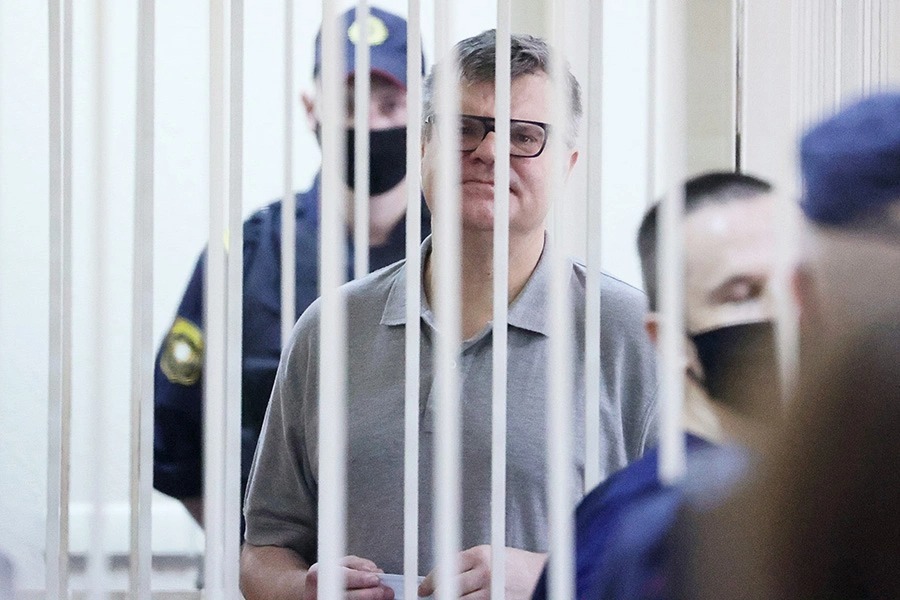
Viktor Babariko
Nobel laureate Bialiatski deported
Among those released, Nobel laureate Ales Bialiatski shared details of his release process in an interview with the Viasna Human Rights Centre.
Bialiatski stated that before being taken out of prison, the manuscripts of two books he had written, along with his letters and case notes, were confiscated. He described being taken to the Lithuanian border blindfolded.
Bialiatski recounted his experience in these words:
“Many Belarusian human rights defenders and journalists are still in prison. It is crucial to secure their release and to end the witch hunt and the search for ‘enemies of the people’ in Belarus. We must stop the repression; otherwise, the bargaining over political prisoners will go on forever. I will continue my work. This is my debt to Belarusian society.”
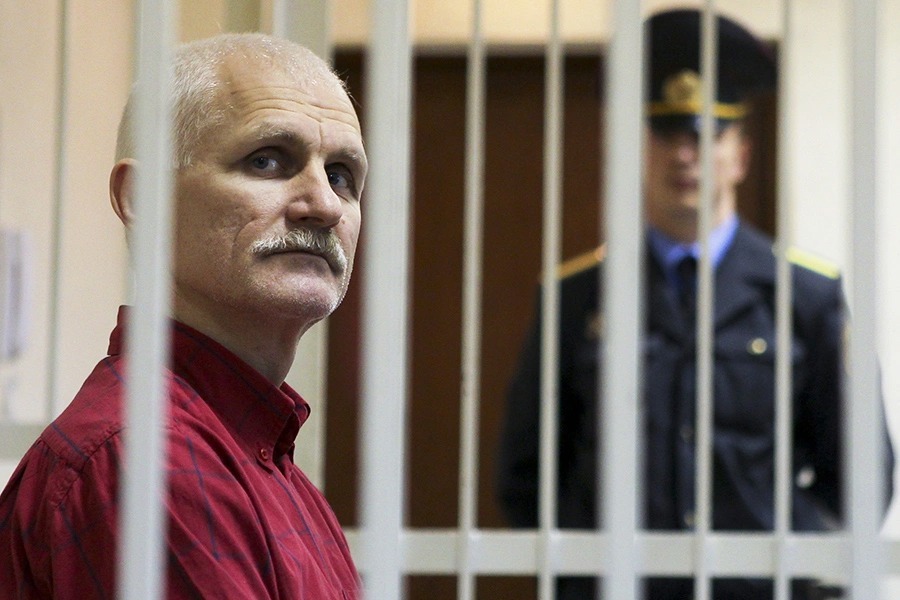
Ales Bialiatski
A thousand more prisoners could be released
Speaking to the Reuters news agency, US Special Envoy John Cole signaled that the releases would continue.
Cole noted that about 1,000 more political prisoners are planned to be released in the coming months, adding that they could be freed in “a single large group.”
“I believe this is more than possible. We are moving in the right direction; there is momentum. When this happens, the US will lift a large portion of the sanctions on Belarus. I think this is a fair exchange,” he commented.
Belarusian opposition leader Sviatlana Tsikhanouskaya criticized the releases being conducted via Ukraine, arguing that Lukashenko “changed the plan at the last minute to give the impression that he controls everything.”
Potassium exports are the lifeblood of the economy
In August 2021, the US administration imposed sanctions on the state-owned company Belaruskali, citing the crackdown on protests in Belarus.
This decision was the first sectoral sanction targeting the Belarusian economy.
Before the sanctions, Belarus accounted for approximately 20% of global potassium chloride exports, selling its products to more than 100 countries.
According to official data, potassium sales generated $2.8 billion in annual revenue for Belarus before the pandemic.
This figure corresponded to 4% of the country’s gross domestic product (GDP) and 7% of its total export revenues.
Following the sanctions, the Minsk government was forced to redirect its export routes to Asian markets and sell its products at discounted prices.
The New York Times, in a report published in February of this year, wrote that a “major deal” could be struck between Washington and Minsk, under which sanctions on the banking and potassium sectors would be eased in exchange for the release of political prisoners.