
Russia
It is too early to assess the Iran-Israel ceasefire’s durability, says Lavrov

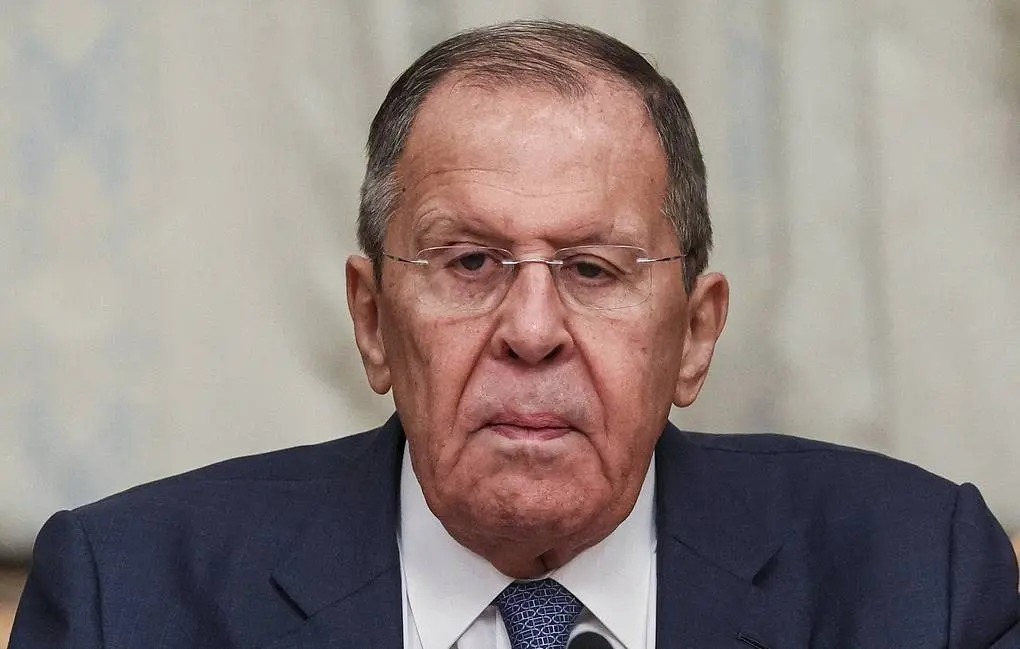
Russian Foreign Minister Sergey Lavrov, speaking at the Primakov Readings international forum, stated that the shifting approaches of Western leaders regarding Ukraine reflect the failure of their initial plans.
Lavrov noted that Moscow will wait for proposals from the West to mend relations, while emphasizing that it is still too early to make definitive comments on the permanence of the ceasefire between Iran and Israel.
The West’s slogans have evolved from ‘strategic defeat’ to unconditional ceasefire
Lavrov recalled that at the beginning of the military conflict, the West was “hysterically shouting” about the need to inflict a “strategic defeat on Russia on the battlefield.”
He noted that this slogan eventually changed to phrases like “Russia must not win in Ukraine,” and summarized the current situation as follows:
“Now, they are demanding, requesting, and even begging for an immediate, unconditional ceasefire. This is the very thing that Volodymyr Zelenskyy categorically rejected a few years ago when he was living and working under the banner of a strategic defeat on the battlefield.”
The minister observed that the fiasco of the West’s strategy and tactics is evident, but “Europe is still trying.”
Europe seeks negotiations
In May, French Foreign Minister Jean-Noël Barrot announced that European countries wish to be represented in potential Russia-Ukraine negotiations in Istanbul, following a proposed 30-day ceasefire by Kyiv and its allies.
Barrot stated that if Moscow refuses to cease fire, they expect the US and the European Union to increase pressure on Russia and impose extensive sanctions.
In contrast, US President Donald Trump has repeatedly avoided new anti-Russian sanctions, explaining that he did not want to jeopardize peace talks he believed were close to an agreement.
On June 20, following comments from Senator Lindsey Graham during his visit to Ukraine about his intention to advance a bill imposing a 500% secondary tariff on Russian energy sources, Trump warned that such statements should be chosen more carefully.
Kremlin Spokesman Dmitry Peskov stated on June 10 that there was no common ground for future agreements with Europe. Peskov attributed this to Europe being “focused on war for now” and showing no signs of seeking common ground with Russia.
‘Let them come with proposals when they realize their mistakes’
Lavrov also expressed that Russia expects proposals from Western countries to rebuild relations once the current “international arrogance” subsides.
Arguing that many countries have severed ties with Russia to the detriment of their own people, suffering enormous financial and reputational losses, Lavrov stated, “Let them come to us when they realize their mistakes and present their proposals, and we will decide based on our own interests.”
‘Too early to speak on the Iran-Israel ceasefire’
Addressing developments in the Middle East, Lavrov said it would be premature at this stage to draw final conclusions about the stability of the ceasefire reached between Iran and Israel.
Citing reports that the US persuaded Israel to agree to the ceasefire, with Qatar playing a similar role in negotiations with Tehran, Lavrov highlighted that news of rocket attacks from both sides continued to emerge after the ceasefire was declared.
“It is very difficult to form a complete picture of what is happening right now; the information is fragmented. We should not make hasty assessments,” Lavrov remarked.
The minister affirmed that Moscow supports any steps aimed at de-escalation and hopes for a long-term ceasefire, adding, “But we are for peace.”
On June 24, at 08:08 Turkish time, US President Donald Trump announced that the ceasefire between Iran and Israel had come into effect.
Before this announcement, Trump had stated that the parties had reached a “full agreement for a full ceasefire.” Iranian media also confirmed the ceasefire had taken effect.
However, at 10:58 Israel time, Defense Minister Israel Katz announced that Iran had violated the ceasefire agreement by launching two ballistic missiles.
Katz declared that he had instructed the Israeli army to “respond decisively to Iran’s ceasefire violation with intense strikes on regime targets in the heart of Tehran.”








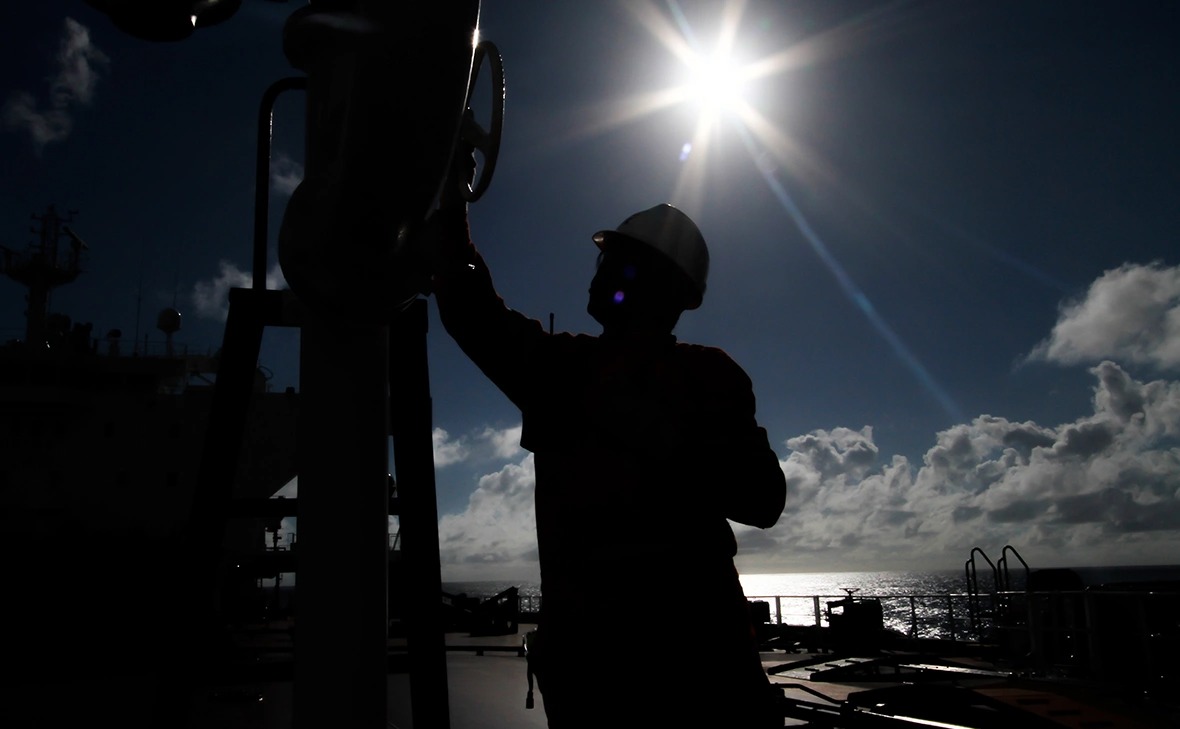
Russia’s rising seaborne crude oil exports are helping fuel a global market surplus despite a recent dip, according to an assessment by Bloomberg.
Average seaborne shipments this year have surpassed all annual averages recorded since the outbreak of armed conflict between Russia and Ukraine.
Combined with growing exports from Persian Gulf countries, the Russian shipments are heightening the risk of an oversupplied market and downward pressure on prices.
Goldman Sachs, JPMorgan Chase, and Sanford C. Bernstein forecast that the global oil market will shift back into surplus, potentially putting additional pressure on crude prices.
Bloomberg also assesses that the supply glut could define market conditions next year and persist for an extended period.
Shipment volumes stay high, but export revenues fall
Although shipments declined in the latest reporting period, Russia’s oil exports remain elevated.
At the same time, Russia is struggling to raise output in line with the higher target quotas set by the Organization of the Petroleum Exporting Countries and its allies, known as OPEC+.
Despite the high export volumes, the estimated monetary value of these shipments dropped.
Bloomberg attributes this decline primarily to lower prices for Russia’s Urals and ESPO crude grades, while a dip in physical shipments during the latest reporting period also pushed the figure lower.
The agency noted that short-term fluctuations in shipments can be affected by weather conditions, maintenance work, sanctions, military activity, and the timing of vessel departures from ports.
OPEC+ prepares to discuss new quotas
The International Energy Agency (IEA) previously highlighted the risk of an emerging supply surplus.
In its November report, the IEA predicted that the global market would swing from a supply deficit to a surplus toward year-end, with the gap between supply and demand widening further.
OPEC+ members, including Russia and Saudi Arabia, maintained their existing production quotas for December at their latest meeting.
In upcoming talks, ministers will address next year’s target quotas, taking into account external assessments of each country’s sustainable production capacity.
Moscow points to reserve depletion and sanctions
Russian Deputy Prime Minister Aleksandr Novak said in October that the scope for tapping accumulated oil reserves to stabilise the global market had been virtually exhausted.
According to Novak, releasing additional reserves could harm the nations that built those stockpiles, adding that resolving imbalances requires time and a renewed increase in Persian Gulf shipments.
In September, Kremlin spokesman Dmitri Peskov argued that stabilising the global fuel market requires securing the navigational safety of oil tankers and lifting sanctions on energy shipments.
Stressing that the restrictions target both Russia and other suppliers, Peskov stated that Moscow considers these sanctions illegal.
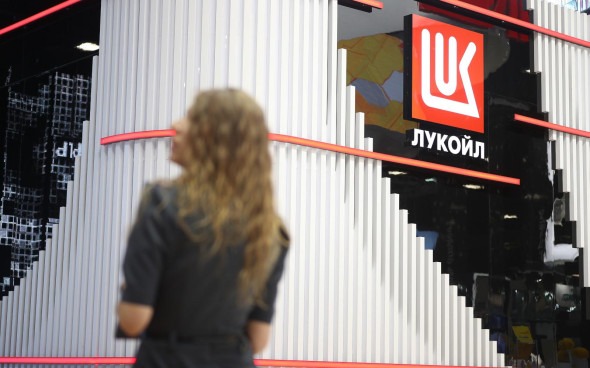
Billionaire Todd Boehly has announced that a consortium including the US International Development Finance Corporation (DFC) has signed an agreement with Russian energy firm Lukoil to acquire the company’s overseas energy assets.
According to a Reuters report citing Boehly and a DFC representative, the agreement envisages swapping $10 billion worth of Lukoil securities for the company’s foreign assets.
“Getting strategic energy infrastructure assets into the hands of the US or allied partners is a core policy priority of the administration,” the DFC representative told Reuters.
The representative stated that completing the transaction requires approval from the Office of Foreign Assets Control (OFAC), an arm of the US Department of the Treasury.
A source familiar with the process told Reuters that the comprehensive review could take some time.
Following the agreement signed after more than a year of negotiations between the parties, Russian business daily RBK requested comment from Lukoil’s press service.
US administration to receive share of future profits
Under the terms of the deal, as reported by Boehly and the DFC representative, the US government will receive a share of future profits.
Payments will begin once private investors in the consortium recover their invested capital and achieve an agreed return.
The DFC’s partnership will also grant the US board representation, though the agency’s exact equity stake has not yet been disclosed.
The four-member consortium also includes US bank Xtellus Partners and United Arab Emirates-based Catena Investment Holding.
Declining to provide details on the equity breakdown, Boehly stated that completing the transaction could take up to a year and that the acquired business will be rebranded following the transfer.
Portfolio covers facilities in Middle Corridor
Two sources familiar with the terms of the deal told Reuters that Lukoil’s international portfolio is valued at approximately $16 billion.
The portfolio includes projects in Azerbaijan and Kazakhstan, oil refineries in the Netherlands, Bulgaria, and Romania, as well as a network of petrol stations in several countries, including the US.
Boehly noted that the asset valuation could fluctuate depending on oil price forecasts.
Commenting on the process, Boehly said:
“We are essentially swapping shares that have zero value to Americans with money returning to them. Those shares are then exchanged for a real asset portfolio in the vitally important Middle Corridor, which connects Central Asia to Europe and runs south of Russia and north of Iran.”
One source familiar with the deal terms said the securities to be used in the swap were acquired from US and British funds holding shares on behalf of retail investors, as well as US custodian banks.
Frozen following the start of hostilities in Ukraine, these securities will not be transferred directly to Lukoil and will instead be deposited into an escrow account in the UAE.
The same source reported that this mechanism was chosen to secure approval from the US Treasury Department, which prohibits the Russian company from profiting from the sale.
According to Reuters’ sources, the US Treasury Department initially rejected the swap plan proposed by Boehly’s group, but the proposal later gained the support of the US Department of State.
A source speaking to the news agency stated that the DFC had held talks with various parties, including Chevron, Glencore, and Carlyle Group, regarding the potential sale of Lukoil assets, with private groups seeking a US government partner as a backstop.
Other suitors who had previously signed agreements with Lukoil for the portfolio were unable to complete the acquisition.
Todd Boehly, co-founder of holding company Eldridge Industries, had a net worth of $9.2 billion as of a 25 November estimate by Forbes.
Holding minority stakes in the Los Angeles Lakers basketball team and the Los Angeles Dodgers baseball team, Boehly’s investments through Eldridge span insurance, sports betting, and music rights, including Bruce Springsteen’s catalogue.
Boehly was also involved in the acquisition of English football club Chelsea from Roman Abramovich, though he sold his stake in the club in September this year.
Previous sale attempts stalled over US approvals
Lukoil decided to sell its international operations following the entry into force of US sanctions in October last year.
The company signed an agreement with investment firm Carlyle in January, but that deal did not cover assets in Kazakhstan and lacked exclusivity, allowing Lukoil to continue talks with other buyers.
According to financial reports from LUKOIL International GmbH, the agreement with Carlyle expired at the end of July because OFAC clearance could not be obtained.
The company warned that the failure to obtain approval created uncertainty over the future of its overseas operations, including frozen accounts and payment problems.
Commenting on the Carlyle deal, Kremlin spokesman Dmitry Peskov said protecting Lukoil’s interests was a priority, adding: “The most important issue for us is ensuring that the interests of the Russian company are guaranteed and safeguarded.”
The Moscow government considers sanctions targeting Russian companies to be unlawful.
Prior to Carlyle, oil trading company Gunvor (now Centalion) had also planned to acquire Lukoil’s foreign assets.
Lukoil accepted Gunvor’s offer in October last year, but Gunvor withdrew its application in November after the US Treasury Department announced it would not grant the company the required licence.
The US Treasury Department accused Gunvor of ties to the Kremlin, allegations the company denied.
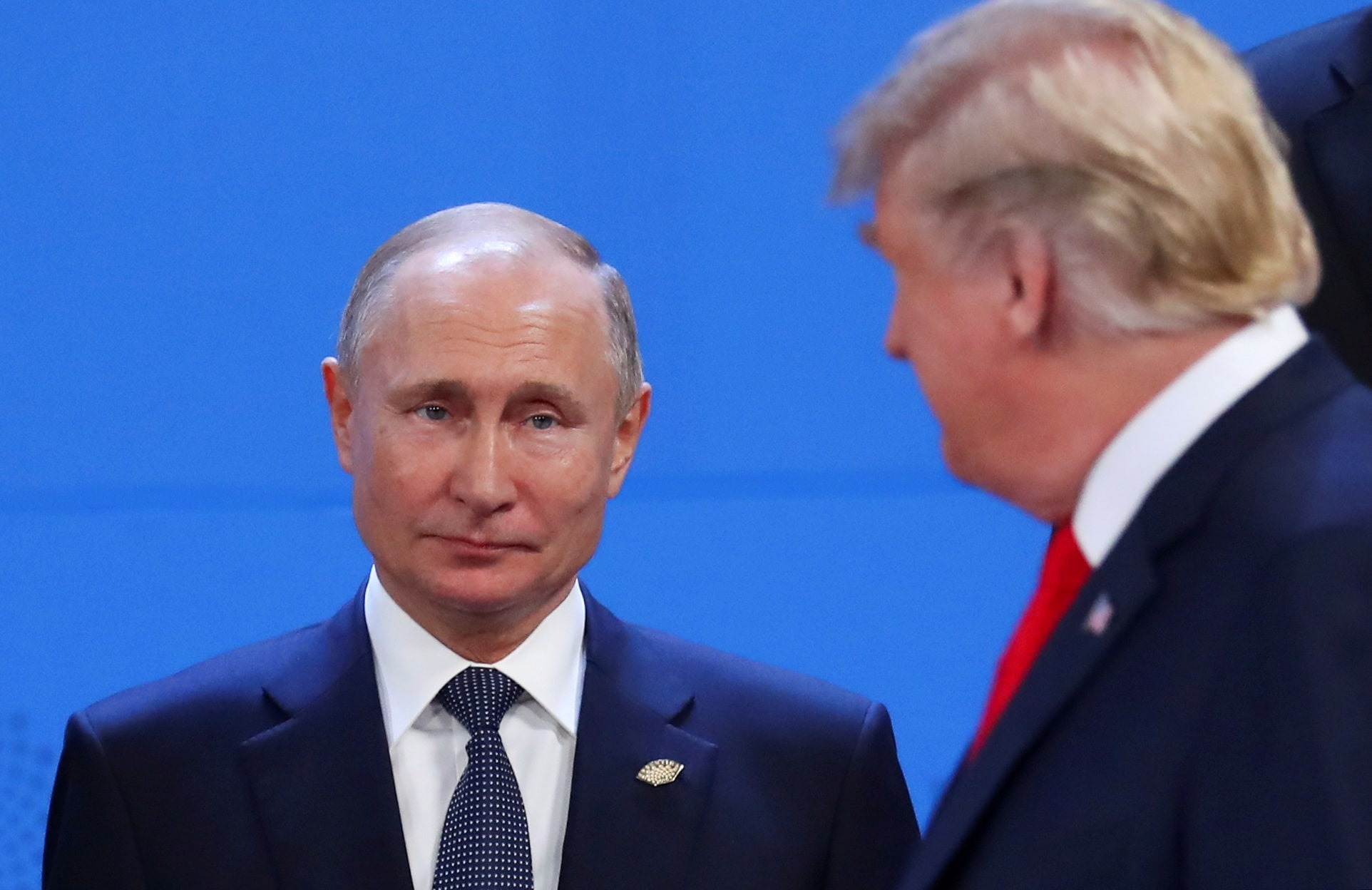
The administration of US President Donald Trump has shelved proposals to offer Russia commercial deals as incentives to end the conflict in Ukraine, the Financial Times reported.
Citing five officials familiar with the shift in negotiating tactics, the newspaper reported that Trump’s son-in-law Jared Kushner and US Special Envoy Steve Witkoff communicated the new focus to European officials.
Kushner and Witkoff told their European counterparts that the primary emphasis in negotiations has now shifted to territory and security issues.
The latest round of trilateral talks between Russia, the US, and Ukraine took place on 10-11 November in Abu Dhabi.
The gathering marked the first time the three nations met in that format after a hiatus of roughly nine months.
Kremlin loses interest in economic projects
In recent months, Kushner and Witkoff proposed, under the framework of “economic incentives”, that US companies invest post-war in Russian oil projects and titanium production.
The pair’s proposals also included resuming natural gas deliveries to Europe via pipeline.
According to the newspaper, Russian officials initially took a positive view of the US proposals, but the Kremlin’s interest in these initiatives waned over time.
Sources speaking to the newspaper stated that Russian representatives showed little interest in commercial agreements during the Abu Dhabi talks in early November.
“It was quite clear that the Russians were not interested in such proposals,” one of the officials said.
Another source reported that the economic agreement strategy was pushed to the background, with the US returning to a more traditional negotiating approach based on the principle of “land for peace”.
However, a US representative speaking to the FT rejected these claims as inaccurate.
Referring to post-conflict economic cooperation, the representative stated: “We are structuring our negotiating items and will announce them when we are ready, and this remains one of the elements.”
Lukoil assets and diesel fuel deal
Russian President Vladimir Putin met with Witkoff and Kushner at the Kremlin on 5 September.
Russian presidential aide Yuriy Ushakov announced that the parties discussed mutually beneficial, large-scale Russian-American projects during the meeting, though he did not share details of the ventures.
Citing its own sources, The New York Times reported in early October that the Ukraine negotiations had expanded to include a multi-billion-dollar oil deal.
According to the NYT report, the talks covered the international filling station network of Russian oil company Lukoil, including its oilfields, refineries in Eastern Europe, and facilities in the US.
Reporting that the US proposed signing this agreement before hostilities ceased, the NYT noted that the US International Development Finance Corporation (DFC) was involved in the process.
The report named American financier Todd Boehly, along with Qatari and United Arab Emirates business figures, among the participants in the deal.
Speaking by telephone a few days after this report, Putin and Trump announced that an understanding had been reached regarding the supply of Russian diesel fuel.
In this context, the US Treasury Department issued a temporary licence permitting transactions involving Russian diesel until 7 April 2027, including shipments to the US.
Following the phone call, Ushakov reported that Putin confirmed his readiness for a political and diplomatic settlement to achieve long-term peace.
Moscow insists on comprehensive security conditions
Demanding a long-term solution, Moscow maintains that reached agreements must address Russia’s security interests and not be confined solely to territorial issues.
Putin had previously stated: “We need to create conditions not for a ceasefire, but for a lasting peace over a long historical perspective.”
The conditions set out by the Russian leader for a ceasefire and the start of negotiations include the complete withdrawal of Ukrainian forces from the Donetsk, Lugansk, Zaporizhzhia, and Kherson regions.
Putin also demands the international recognition of these four regions and Crimea as Russian territory, alongside the lifting of all anti-Russian sanctions, which Moscow considers unlawful.

Microsoft issues code red after historic Exchange Online outage

Poland urges NATO to weigh downing Russian missiles over Ukraine

Spain heads to snap election as housing crisis tests Sánchez

EU budget talks stall over Merz demand for Ukraine funds and cuts

Russia seaborne oil exports fuel rising global supply surplus
-

 Opinion1 week ago
APEC Summit: How China Uses the Art of “Emotional Value” to Deal with Trump
-
 Middle East2 weeks ago
Journalist Dursunoğlu warns Iran removed missile limits as Gulf risks widen
-
 America2 weeks ago
Absent Democrats derail floor vote on Pete Hegseth impeachment
-
 America2 weeks ago
Nvidia board prepares to remove CEO Jensen Huang amid scandal
-
 Europe2 weeks ago
Romania offers to pay US to keep troops stationed in the country
-
 Diplomacy2 weeks ago
CSTO strips Armenia of voting rights over two-year budget debt
-
 Middle East2 days ago
European Commission rejects Russia’s invite for bilateral security talks
-
 Europe1 week ago
Polish Constitutional Tribunal chief stripped of judicial immunity
