Diplomacy
The Forum on Political Islam was held in Abu Dhabi

Forum on “Countering Extremist Ideology” hosted by TRENDS in Abu Dhabi ends with call for a “comprehensive roadmap”
At the event, where Harici was among the media partners, experts highlighted common patterns of ideology-driven violence and called for a comprehensive roadmap and the strengthening of citizenship values.
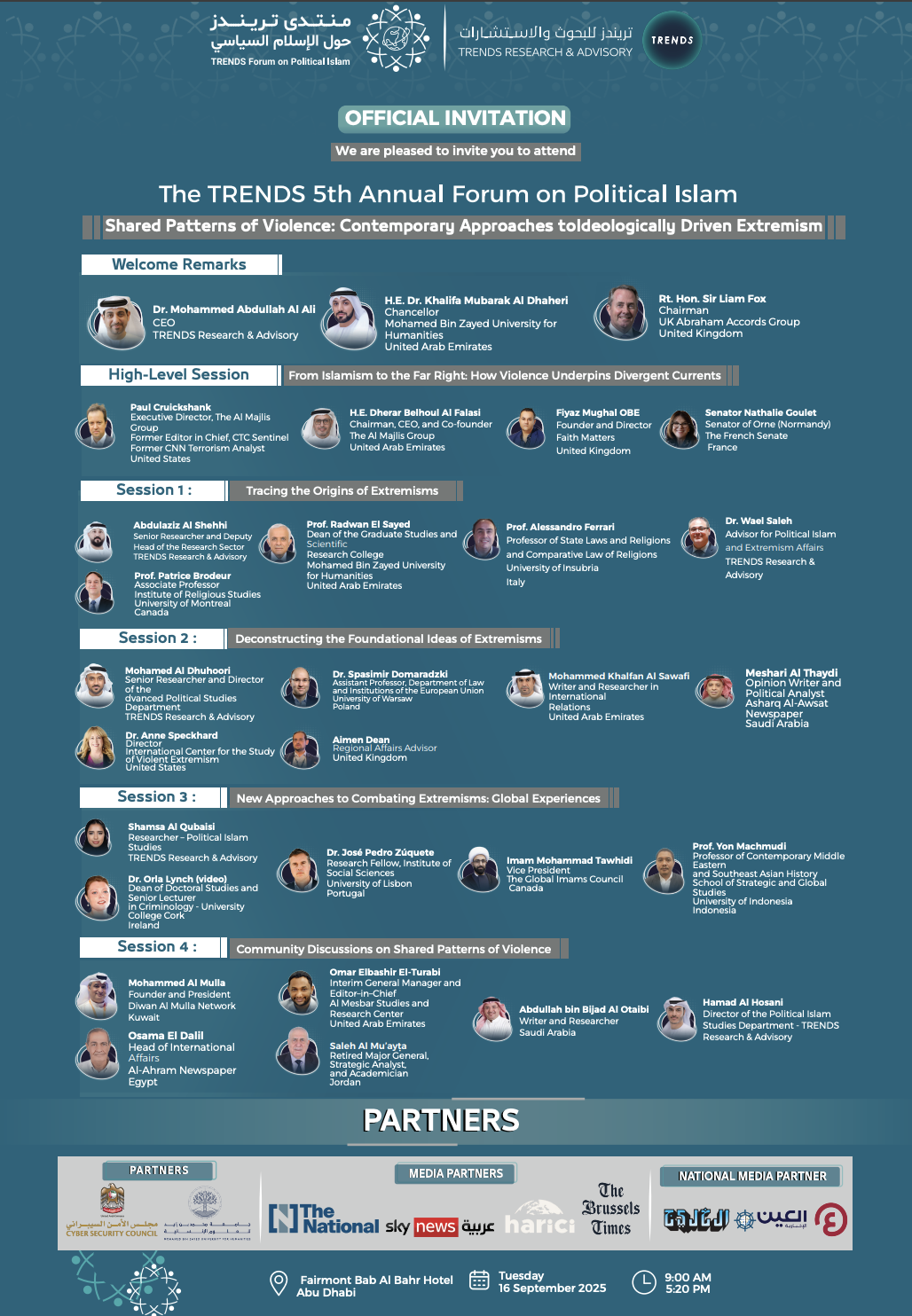
Abu Dhabi – September 16, 2025 — The 5th Annual Political Islam Forum, organized by the TRENDS Research and Advisory Center under the theme “Together with Knowledge Against Extremism” at the Fairmont Bab Al Bahr Hotel, addressed the “shared patterns of violence” associated with ideology-driven extremism. Senior officials, academics, and researchers from the UAE, Saudi Arabia, the United Kingdom, the United States, Canada, France, Italy, India, Indonesia, Portugal, Poland, Egypt, and Jordan participated on the Forum.
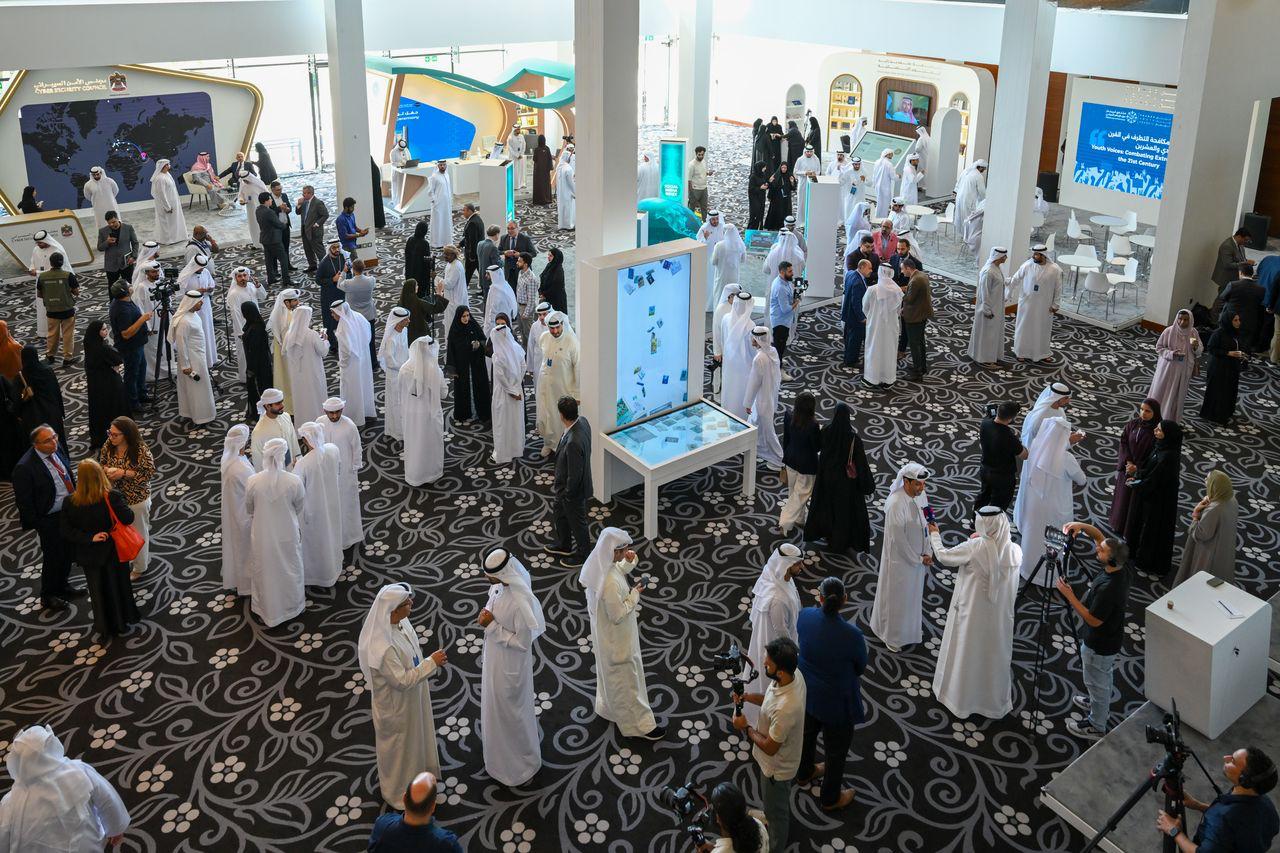

Among the keynote speakers were former UK Defense Secretary Sir Liam Fox and French Senator Nathalie Goulet.
Participants emphasized that countering extremism cannot be limited to security measures but requires a multilayered approach encompassing intellectual, social, and cultural dimensions. Key recommendations included strengthening democratic values and the rule of law, distinguishing genuine grievances from ideological exploitation, opening civic channels for youth leadership and innovation, and protecting educational institutions from the influence of politicized religiosity.
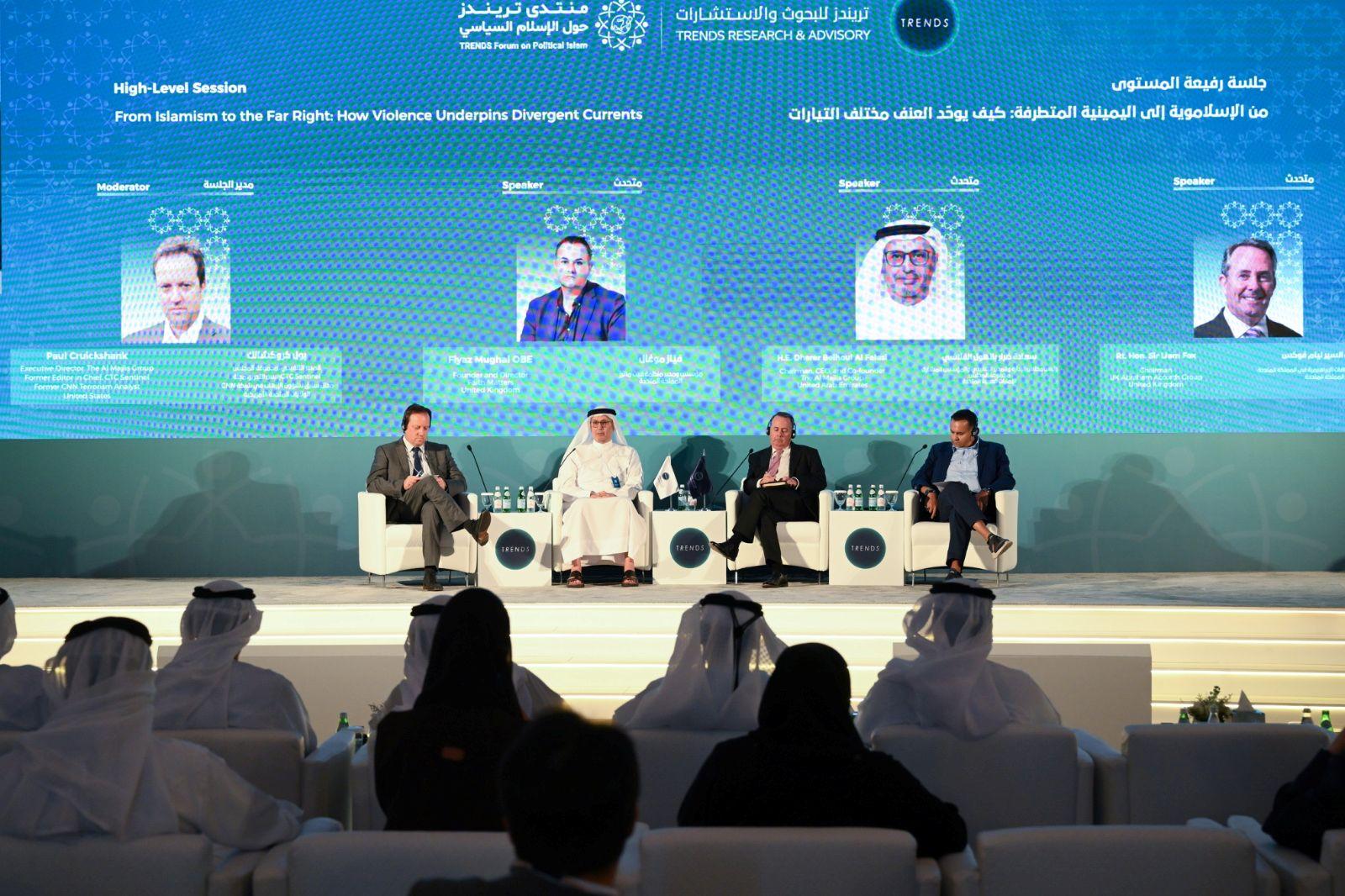

In his opening remarks, TRENDS CEO Dr. Mohammed Abdullah Al-Ali stressed the need for “new intellectual maps” to reveal implicit intersections between extremist currents, adding that permanent results cannot be achieved without dismantling propaganda and recruitment mechanisms in the digital age. He called for going beyond dispersing hate speech to also exposing the “illusions that enable such discourse.”
Dr. Al-Ali pointed to the Muslim Brotherhood as an example of ideology’s capacity to merge missionary rhetoric with violent projects, noting that the Brotherhood capitalized on the digital revolution to recruit followers via online platforms. He warned that combating extremism requires a global roadmap that combines intellectual and political expertise with alliances, one that dismantles the illusions enabling groups to attract new generations. He concluded by calling for collective efforts that integrate academic research, public policy, technology, and political will, transforming platforms into spaces for narratives of coexistence and humanity rather than ideological violence.
The Mohammed Bin Zayed University for Humanities (MBZUH) became the first recipient of the TRENDS Global Award for Countering Extremist Ideology for its measurable contributions. Prof. Radwan Al-Sayyid, member of the TRENDS Scientific and Academic Council, highlighted the university’s role in promoting values of moderation, citizenship, and dialogue.
Throughout the discussions, speakers underlined that extremist movements share similar cognitive and behavioral structures—such as closed worldviews, “us versus them” divisions, leader cults, conspiracy rhetoric, and narratives legitimizing violence. Dr. Khalifa Mubarak Al-Dhaheri (MBZUH) explained that such movements adopt strategies rejecting national frameworks while relying on an alliances–disinformation–violence spiral.
Sir Liam Fox argued that the term “religious extremist” is misleading, emphasizing that they are “political actors instrumentalizing religion.” Referring to Popper’s Paradox of Tolerance, he stressed that intolerance must not be tolerated under the guise of tolerance. Senator Nathalie Goulet highlighted the overlapping violence and financing between political Islam and the far-right, drawing attention to opaque fund flows, misuse of charities, and crypto-assets.
The digital sphere was emphasized as crucial, with calls for cooperation between governments, civil society, and technology companies to run awareness campaigns against online extremist content, and to strengthen alternative narratives around pluralism and citizenship. Additional proposals included holding all state or organizational actors involved in ideological violence accountable before international law, establishing early warning networks, and expanding rehabilitation programs for former extremists.
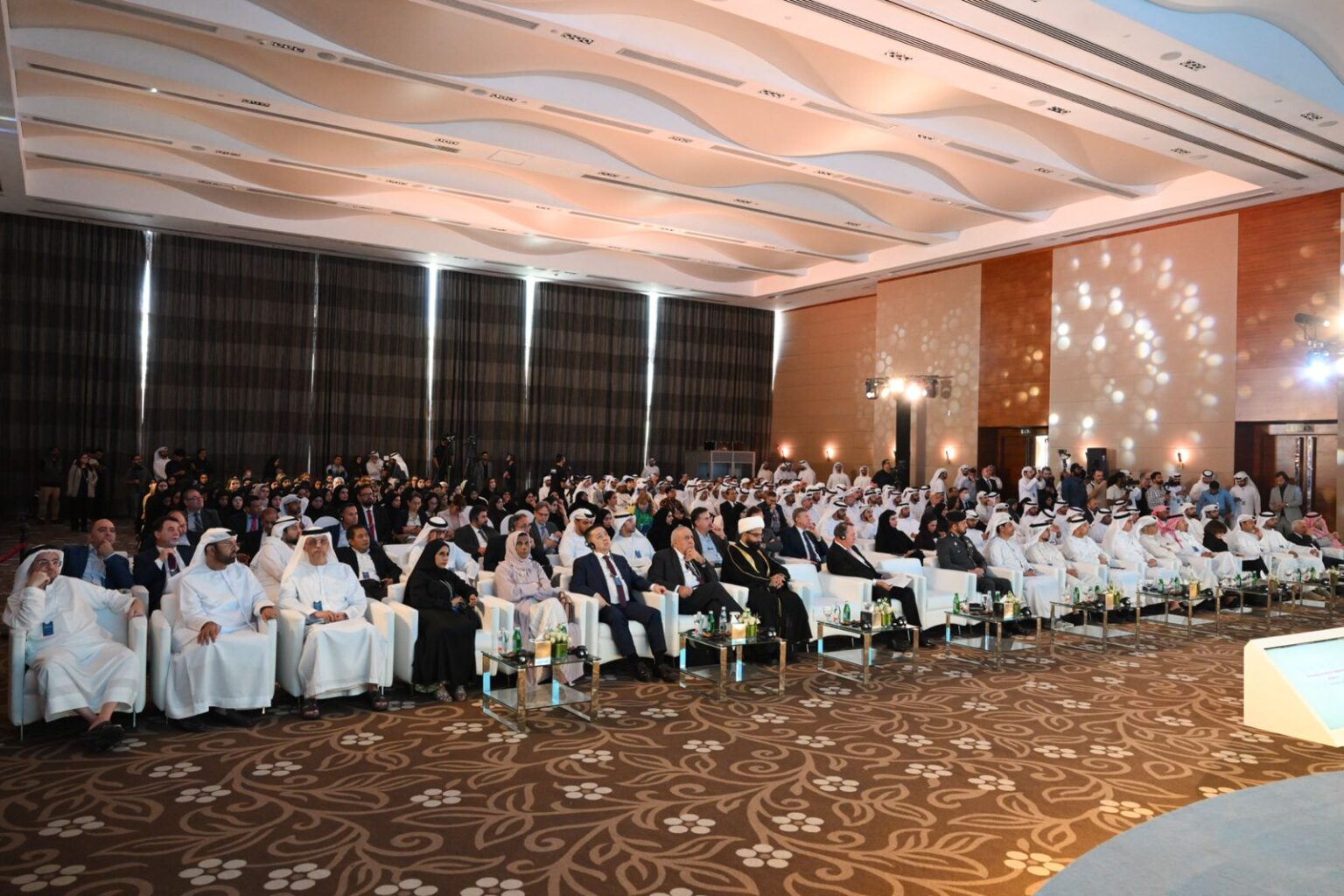

Key Session Highlights
- High-Level Session moderated by Paul Cruickshank (Editor-in-Chief, CTC Sentinel, West Point):
- Fiyaz Mughal (Faith Matters) explained that extremism feeds on the fusion of real grievances and identity crises, with social media creating echo chambers that accelerate radicalization.
- H.E. Dherar Belhoul Al Falasi (Al-Majlis Group) noted that some structures attempt to channel students into networks through boycott campaigns, thus gaining influence and funding in the education sector.
- First Session:
- Prof. Alessandro Ferrari (Insubria) presented the concept of “militant democracy” as a tool that safeguards freedoms while countering democracy’s enemies.
- Prof. Radwan Al-Sayyid stressed the need for a new reading of history and that the modern nation-state is the necessary framework for fighting extremism.
- Dr. Vael Salih highlighted common emotional mobilization, binary worldviews, and symbolic violence across movements.
- Prof. Patrice Brodeur (Montreal) emphasized holistic cooperation across political, religious, educational, and social domains.
- Dr. Orla Lynch (Cork) urged a focus on participation motivations.
- Second Session:
- Spasimir Domaradzki (Warsaw) shared Central and Eastern European experiences of dismantling extremism’s intellectual foundations.
- Mohammed Halfan Al-Sawafi noted ideological extremism spans a broad spectrum, including nationalism and neo-Nazism.
- Meshari Al-Taydi (Asharq Al-Awsat) called for systematizing source research.
- Dr. Anne Speckhard (ICSV) defined terrorism’s “deadly cocktail” as group–ideology–social support–individual motivation, stressing that “group” dynamics trigger violence.
- Aimen Dean (UK) shared methods for practically analyzing participation motivations.
- Third Session:
- Dr. José Pedro Zúquete (Lisbon) examined “reciprocal radicalization” between identity movements and Islamist groups in Europe.
- Imam Mohammed Tawhidi called on religious leaders to prevent the misuse of sacred texts to justify violence.
- Prof. Yon Machmudi (Indonesia) proposed a combination of “hard power” (law, security) and “soft power” (deradicalization, education, community empowerment).
- Dr. Orla Lynch added that lessons from former members could inform audience-targeting strategies.
- Fourth Session:
- Omar Al-Bashir Al-Turabi (Al-Mesbar) explained the “supply chain” of extremist thought, built on social bases through education and charity.
- Abdullah bin Bijad Al-Otaibi pointed to the historical continuity of extremism.
- Hamad Al-Husani (TRENDS) stressed that some movements pose combined threats to religion, state, and society.
- Osama Al-Dalil (Al-Ahram) suggested the term “Islamized political culpability” instead of “politicized religion” for conceptual clarity.
- Maj. Gen. (Ret.) Saleh Al-Muaita (Jordan) called for a regional strategy separating peaceful thought from violence.

Final Declaration
The forum’s final communiqué outlined pillars of the roadmap: drafting ethical principles/charters for religious platforms and charitable work, strengthening critical thinking in education, opening civic leadership channels for youth, and establishing digital early-warning and monitoring networks. It emphasized spreading alternative narratives that reinforce pluralistic citizenship through media–academia–policy–technology cooperation.
The event was organized in collaboration with the Mohammed Bin Zayed University for Humanities and the UAE Cybersecurity Council, with media support from The National, Sky News Arabia, Al-Ain News, Harici Media, Aletihad News Center, and Al-Khaleej.
Tunç Akkoç, founder of Harici Media, and journalist Sarp Sinan Hacır attended from Türkiye.
About TRENDS
Founded in Abu Dhabi in 2014, TRENDS Research and Advisory is an independent think tank. Through research programs, publications, and regular events conducted with global partners, it aims to generate impact regionally and internationally.