
Europe
EU divisions deepen over industrial policy rescue plan as Volkswagen crisis intensifies

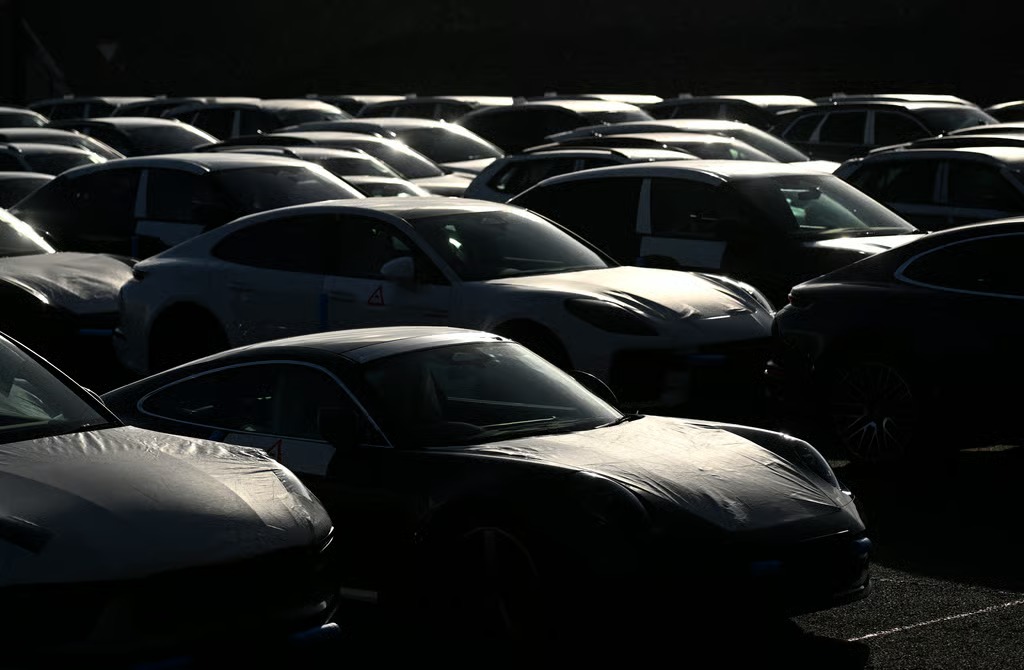
The European Union and its member states remain deadlocked over how to halt the decline of the Continent’s industrial base, exposing deep divisions over economic strategy as pressure mounts from global competitors.
The depth of the industrial crisis Brussels is seeking to avert was underscored by Volkswagen’s plans to lay off 100,000 workers and close four factories in Germany.
In response to such challenges, European leaders aim to finalize negotiations by the end of this year on the landmark Industry Accelerator Act (IAA). The legislation is designed to channel billions of euros in public procurement spending toward European firms, helping them withstand a surge of cheap exports from China.
“The latest news from Germany shows how urgent it is to act decisively to protect our markets from the unfair practices of our global competitors,” EU Industry Commissioner Stéphane Séjourné told POLITICO, describing the IAA as a “decisive” tool.
At the center of the legislative proposal is the “Made in Europe” preference provision, which is designed to prioritize locally manufactured goods.
While proponents argue that the time has come for the EU to defend its industrial sector, others view the provision as protectionist and are calling for the brakes to be pulled. Critics warn that the proposal risks creating a “legal labyrinth” for businesses, driving up the cost of European-made products, and potentially shut out close trading partners such as Canada, the UK, or Japan.
“What is happening at Volkswagen is worrying, but it is not an isolated case,” said Christophe Grudler, a French liberal Member of the European Parliament (MEP). “It is the result of years of European naivety, while our global competitors have pursued clear and aggressive industrial strategies.”
Negotiations between EU member states and MEPs are only now beginning, following a three-month delay by the European Commission in presenting its proposal in March. Officials acknowledge that time is running out to reach a compromise by the end of the year, a deadline set under the EU’s “Single Market” roadmap.
A primary obstacle in the negotiations is reaching an agreement on which countries should be included on a list of “trusted partners.” Products from these designated countries would be treated as equivalent to European goods in certain public procurement and funding areas.
The debate largely pits free-trade opponents, led by France, against export-oriented economies led by Germany, alongside the Netherlands and the Nordic countries.
“If we had ‘Made in Europe’ and a strong IAA, we could have cushioned this shock for Volkswagen and its employees,” Pierre Jouvet, a prominent Socialist MEP, told POLITICO. Jouvet favors establishing a restricted list of trusted partners chosen through a carefully vetted “opt-in” mechanism.
Such proposals have met with strong resistance from the European Commission’s powerful trade department, where chief negotiator Maroš Šefčovič has focused efforts on expanding, rather than restricting, the bloc’s trade relationships.
Séjourné’s industrial policy initiative is driven by the belief that the EU’s historic commitment to free trade has failed. Brussels continues to search for a coherent response to the challenge posed by China’s bilateral trade surplus with the EU, which now reaches €1 billion per day.
“We must not only think about new tools, but we must also immediately use all our existing trade instruments,” Séjourné said.
Additional measures under consideration include forcing companies to diversify their supply chains for critical inputs away from China, alongside potential trade investigations into plug-in hybrid vehicles, chemicals, and machine tools.
However, new defensive trade mechanisms may prove ineffective if member governments remain reluctant to deploy them. For example, the EU’s Anti-Coercion Instrument (ACI)—frequently described as the bloc’s trade “bazooka” for responding to economic bullying—has never been used.
“The IAA is only one side of the coin,” said Kathleen Van Brempt, a Belgian Socialist MEP and a lead lawmaker on the trade committee. “The Commission must also act to protect the European market with a stronger and more effective trade defense strategy.”
As the legislative process continues, questions remain over whether the IAA, despite its broad objectives, will deliver a decisive impact once enacted.
While the business community has broadly welcomed the “Made in Europe” concept, many industry representatives argue that its proposed application is too narrow to prevent entire supply chains from leaving the Continent.
“Overall, the approach presented by the European Commission does not appear sufficient to address the challenges facing European industry,” the leading Italian business lobby Confindustria wrote in a position paper. The group criticized the bill’s narrow focus on greening industry and its “trusted partners” list, which it argued remains too broad.
According to the Bruegel think tank, the IAA’s rules of origin could also backfire on major manufacturers like Volkswagen.
“Protecting the upstream aluminum sector from import competition will increase input costs for European carmakers, who rely on competitively priced, low-carbon aluminum to maintain global competitiveness in electric vehicles,” the think tank noted.
Before the legislation can take effect, a compromise must be brokered among the EU’s three co-legislative bodies: the European Parliament, the Council of the European Union, and the European Commission. Currently, prospects for meeting the year-end deadline appear weak.
With three separate parliamentary committees reviewing the IAA, at least 150 MEPs are expected to submit formal opinions on the draft.
Furthermore, during its presidency of the Council in the first half of the year, Cyprus managed to draft compromise texts for only portions of the 100-page bill. It deferred negotiations on the highly contentious “Made in Europe” provision to the incoming Irish presidency, which begins on Wednesday.




Britain is learning from its Nordic allies on plans to cope with disruptions caused by threats such as natural disasters or cyberattacks that could halt critical infrastructure.
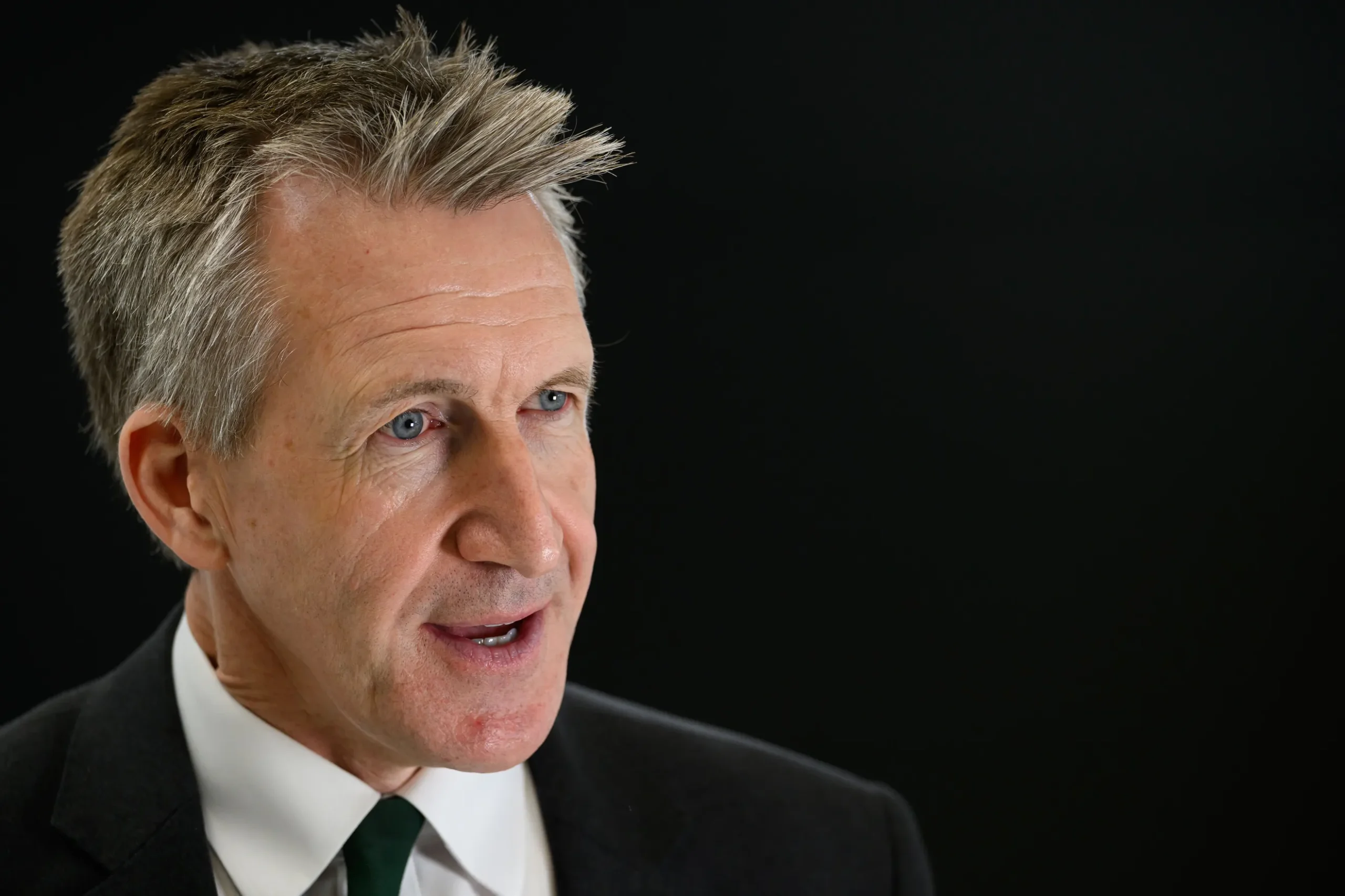
Security Minister Dan Jarvis said there was “a lot that we can learn” from Nordic nations when it comes to preparing citizens for a scenario where essential services are cut off.
In an interview with Politico, when asked about threats such as hostile states attempting to sabotage undersea cables and cyberattacks knocking out supermarket freezers across Europe, Jarvis said, “There is plenty that keeps me awake at night,” adding:
“I came back from Norway quite recently, talking to our Nordic partners about the work they do to ensure that they are as resilient as they possibly can be. I think there is a lot that we can learn from them and other European partners. Actually, we’ve got to recognise in the UK that we are a bit behind the curve on this.”
In October, the UK government launched a campaign called “be ready”, advising the public to stockpile enough provisions to cover their needs for three days, including bottled water, non-perishable food items, cash, a torch, and an FM radio.
Prime Minister Andy Burnham said last month that the UK had been caught behind the curve “too often in the past”.
By contrast, Norway launched an “emergency preparedness” campaign for its citizens in 2018. In 2024, it updated this advice, increasing the stockpile duration from three days to seven days.
The UK government is not currently considering extending the recommended period beyond three days.
However, Jarvis rejected accusations from colleagues in the House of Lords that the government has not been transparent enough with the public regarding risks.
The National Resilience Committee stated this week that, despite the “be ready” campaign, “the government appears complacent and the UK remains ill-prepared.”
Jarvis pointed to a national risk register highlighting widespread power cuts, disruption to drinking water, and terrorist and state-sponsored threats among the top risks facing the UK.
Jarvis added:
“If you look at what I put on the record in parliament [and] the discussions that we’ve had around the country about the nature of the world that we live in, there’s been plenty of talk about the variety of threats that we face. There’s a balance to be struck because we definitely don’t want to panic the public, but we want the public to be alert and we want them to be prepared.”
Jarvis downplayed concerns felt by some within the UK government after ministers joked about their personal stockpiles.
Those ministers include Housing Secretary Angela Rayner, who said her own stockpile would include “mascara, concealer, a bottle of Sauvignon Blanc, some baked beans and a tin of custard.”
Jarvis said: “As the security minister, there are plenty of things that I worry about at any given moment. That’s not one of them. I think that’s been quite helpful in terms of raising the profile of this issue. I think it’s been quite helpful in terms of focusing people’s minds on what they would do in their own homes.” He added:
“That’s what this campaign is all about. It’s about ensuring that we get that resilience into households… so people talking about Sauvignon Blanc, or whatever it might be, really doesn’t trouble me.”
Jarvis said he had “obviously taken my own advice” when assembling his household stockpile, including a radio and a torch, and had not added any special items beyond those on the checklist.
On the other hand, the minister reportedly keeps a ready supply of eggs at home at all times. Jarvis said: “I’ve always found keeping chickens incredibly relaxing, particularly when you’ve got a pretty full-on and challenging job. There’s something very peaceful about them.”
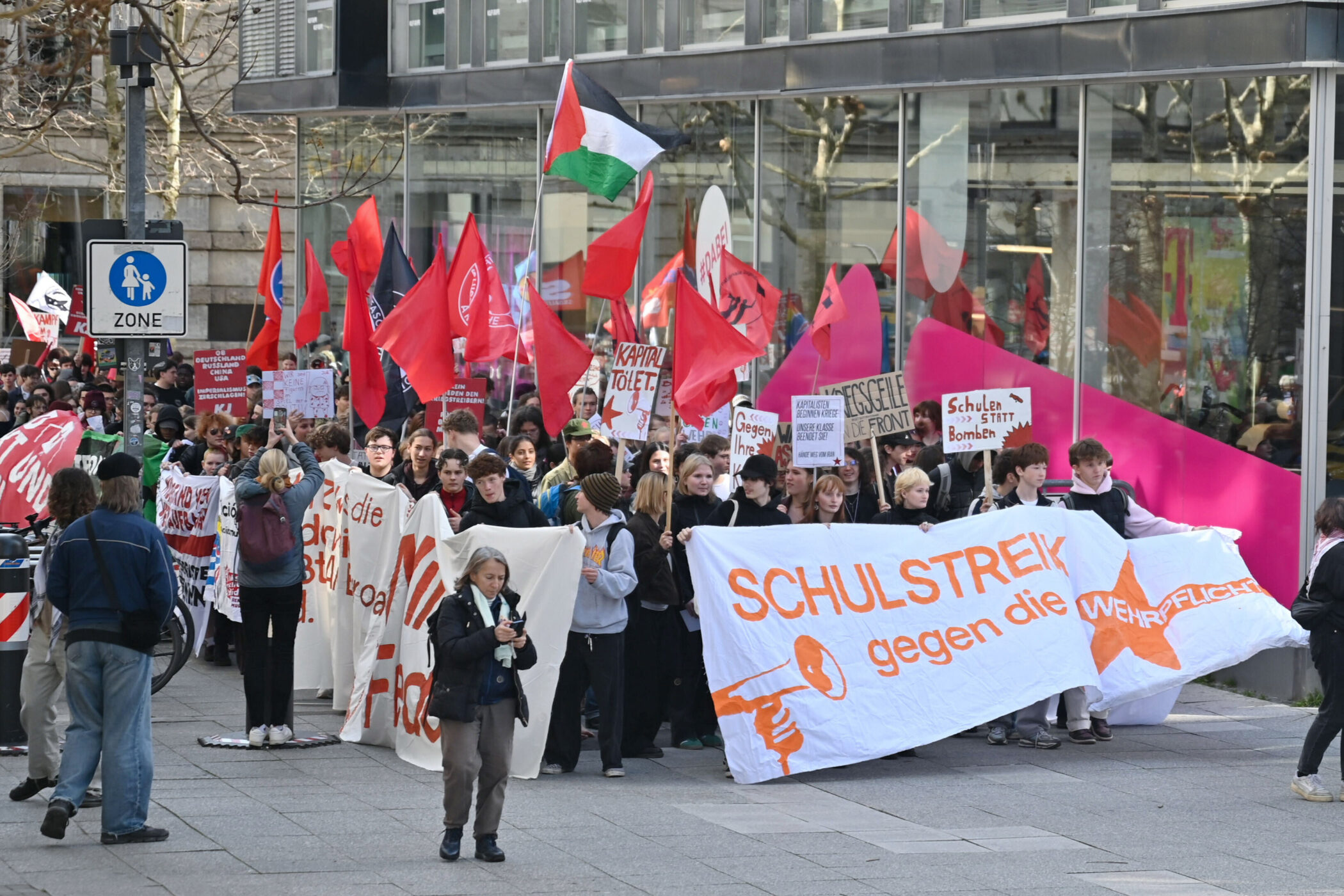
Protests gaining momentum across Europe continue against the continent’s unprecedented military transformation, ongoing underfunding of education systems and the dismantling of the welfare state.
According to German Foreign Policy, the new wave of action includes an upcoming school strike against conscription in Germany, the International Anti-War Youth Strike to be held today (29 November) and a broad-based International Anti-War Day of Action taking place tomorrow.
While a general strike has been declared in Italy today, students, trade unions and the Yellow Vests are planning demonstrations in France for Saturday.
Together with these and other actions, the protests that have swept across Europe largely without coordination for weeks could reach a peak for the first time.
At the centre of the protests is resistance to unprecedented militarization that consumes all resources and leads to the dismantling of social systems.
The driving force behind this militarization is Germany, which aims to become Europe’s number one military power.
School strike against conscription
The anti-conscription school strike announced for today is already the fifth of its kind.
Previously, between 40,000 and 50,000 students took part in school strikes across more than 100 cities on 5 December 2025, 5 March, 8 May (the day of Europe’s liberation from Nazi occupation) and 25 September.
Protests against compulsory military service, as well as insufficient funding for the education system amid rising living costs and the federal government’s broader austerity policies, were voiced during demonstrations held on 31 October in more than 30 cities under the slogan “Gen Z Takes Charge”. Around 120,000 young people in total took part in those events.
Today’s school strike now also targets Berlin’s austerity policies. A press statement released by the strikers reads: “According to the current draft budget, 140 billion euros, including special funds, will be allocated to the Ministry of Defence, whereas the budget of the Ministry of Education will be cut by 7.1% compared with the previous year, and the healthcare budget by 34.2%.”
Activists are demanding that existing resources be spent “on education instead of military expenditure”.
New call to action in France, general strike in Italy
Student protests have also been continuing in other European countries for a long time and are increasingly turning into broader social protests.
In France, for example, hundreds of thousands of people have repeatedly taken to the streets to protest against the dire conditions in the country’s schools and young people’s dwindling prospects for the future.
On 5 November, nearly 1.6 million people joined a nationwide strike called by trade unions.
On 17 November, another nationwide protest was held with more than 500,000 participants.
Protests have continued in other countries as well. In Greece on 21 October, around 20,000 students and teachers demonstrated against abuses in the education system, following the example in France, according to police estimates, which generally give low figures.
On Wednesday, reports came from Albania that protests by school and university students had entered their 171st day. There too, discontent is directed at widespread corruption.
In Spain, more than half a million people, mostly young, took to the streets in early October to protest against a widespread housing crisis. Last Wednesday, around three million people took part in a general strike.
In Italy too, hundreds of thousands of people have been taking to the streets since October. In Belgium, demonstrations have been continuing for more than a year, with participant numbers occasionally reaching six figures.
Port blockades worldwide
Strikes are also spreading across ports in Europe. As early as 6 February, port workers at more than 20 ports, mainly in the Mediterranean, went on strike to oppose the use of ports for arms shipments, such as those to Israel, and war preparations, and to protest against general militarization.
At that time, tens of thousands of people went on strike from Spain to Italy and Greece, and on to Türkiye.
On 30 October, a second day of strikes took place; these strikes were again directed against arms shipments (particularly those to Israel) and general militarization.
At the same time, however, workers demanded improved working conditions and higher wages.
This time, the strike was not limited to Mediterranean ports. In France alone, around 14,000 dockworkers went on strike across 24 ports, from Marseille to Saint-Nazaire and Calais.
In Greece, where workers at seven ports took part, around 3,000 people went on strike in Piraeus alone.
In Belfast, Northern Ireland, the port entrance was blocked, while short-term work stoppages took place in Spain.
In addition, dockworkers outside Europe also joined the strike: for example, at various ports in San Francisco, Melbourne and India, around 5,000 people reportedly demonstrated against the use of ports for arms shipments.
Strikes were reported at more than 110 ports worldwide.
Germany as the driving force of militarization
Germany retains its role as the driving force and frontrunner in Europe’s militarization and preparations for future wars.
The German government plans to increase Germany’s military budget to around 184 billion euros by 2030.
This means Germany spends by far the most on its armed forces in Europe: twice as much as the second-placed United Kingdom and two and a half times as much as third-placed France.
To finance this, Berlin plans to take on a total of around 838 billion euros in new debt by 2030.
According to media reports, the resulting interest burden will rise to 81 billion euros in 2030. This figure is roughly four times Germany’s current health budget.
As a result, severe cuts are occurring in parallel in areas such as education and health, as noted earlier.
For example, the cost of just eight new anti-aircraft frigates for the German Navy (initially estimated at 25 billion euros) will rise to as much as 45 billion euros. This figure is three times the just over 15 billion euros in funding that the Federal Ministry of Health will receive in 2027.
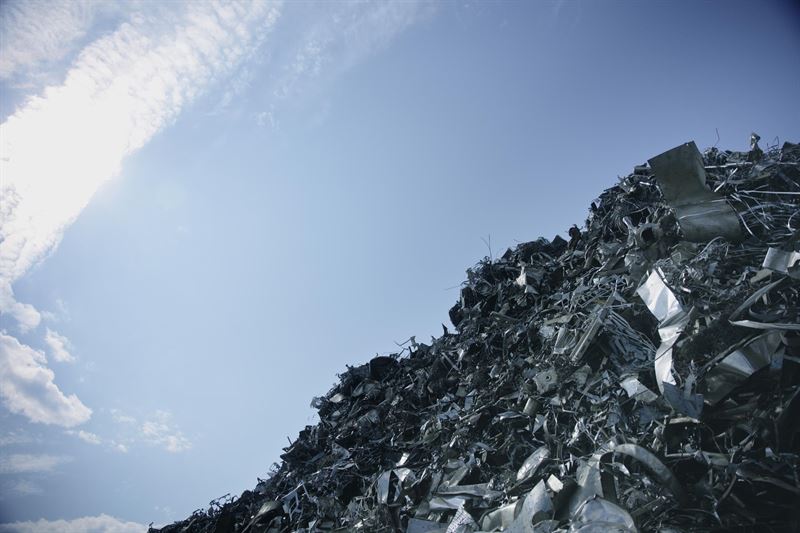
Europe exported 32 million tonnes of waste in 2025, with Türkiye emerging as the largest buyer, amid an escalating scrap metal dispute that pits recyclers against industrial manufacturers as India and Egypt lobby to keep importing and smelting European scrap.
Recycled steel and aluminium, once treated as mere rubbish, are becoming increasingly valuable as industries from automotive manufacturing to construction seek cleaner production methods.
European Union legislation adopted in 2024 aimed to restrict waste exports, keep recycled metal within the bloc, and reduce dependence on imported raw materials.
From May 2027, the EU will ban waste exports to countries outside the Organisation for Economic Co-operation and Development (OECD), a grouping made up mostly of wealthy economies.
Countries able to prove they meet specific environmental standards can obtain exemptions from the ban, an outcome that India and Egypt, two major buyers of European scrap metal, are actively trying to secure.
Brussels had been expected to publish its initial list of approved countries this month, but the decision has been postponed until late 2026.
Countries excluded from the initial roster will be permitted to reapply at a later stage.
The dispute has split European industry, setting recyclers dependent on foreign markets against steelmakers who require scrap to power their green transition.
Recyclers argue domestic demand remains insufficient
Recyclers contend that exports offer an essential outlet for materials Europe cannot always smelt, warning that shutting out foreign buyers will not automatically generate domestic demand.
“You cannot create demand by closing borders,” said Emmanuel Katrakis, an official representing industry groups Federrec and Recycling Europe.
Katrakis noted that approximately 80% of recycled steel and aluminium already remains in Europe, with only one-fifth being exported.
Arguing that the fundamental problem lies in key European clients such as the construction and automotive sectors not being “in good shape”, Katrakis stressed that India, by contrast, is expanding rapidly and hungry for raw materials.
Steelmakers cite green standards and material scarcity
European steelmakers reject that view, arguing that the bloc should think twice before shipping overseas a resource vital to green industry.
Industry body Eurofer told AFP that both India and Egypt still fall short of EU environmental standards.
The association stated that Egypt had failed to demonstrate “adequate control” over “scrap storage, sorting, quality, or air emissions”.
In India, Eurofer pointed out, EU assessments identified “shortcomings in the control of heavy metal emissions and wastewater treatment”.
Steelmakers also stress that scrap metal is no longer merely waste.
French firm ArcelorMittal told AFP that recycled metals have turned into a “strategic resource” that Europe cannot afford to squander.
“European steelmakers are already seeing supply tighten,” the company said, warning that demand will surge as the sector shifts to low-carbon production.
Brussels seeks compromise between competing factions
The drive toward so-called “green steel” lies at the centre of EU targets to cut emissions while rebuilding its industrial base.
Throughout this process, European producers must cope with energy costs far higher than those borne by most foreign competitors.
For now, Brussels remains caught between recyclers seeking open export markets and manufacturers demanding that more scrap metal stay in Europe.
“We are trying to bridge these opposing views, and it is by no means easy,” an European Commission source said.
The same source added: “It would be easy to see recyclers as the villains making money from waste exports, but the issue is more complex than that. They also have valid arguments.”
In 2025, the EU exported 32 million tonnes of waste, with Türkiye serving as the primary destination, while approximately 40% of shipments went to non-OECD countries.

What Did the Trilateral Summit in China Reveal?

The Chinese Approach Behind the Trilateral Summit: It May Pay to Get Familiar with It Sooner Rather Than Later

Colby exits Brussels Ukraine talks before defence minister speaks

US approved exports of 800,000 Nvidia and AMD chips to China

UK looks to Nordic allies to bolster crisis resilience plans
-
 America2 weeks ago
US midterms see 97 young winners as Gen Z representation triples
-
 America2 weeks ago
Nvidia investigates CEO Jensen Huang over link to Chinese spy
-
 Europe2 weeks ago
UK and Germany expand military pact with focus on Russian frontier
-
 America2 weeks ago
US secures 35% stake in Venezuelan firm NABEP under 50-year deal
-
 Europe2 weeks ago
George Szamuely dissects European decline and strategic rifts with US
-

 Opinion2 weeks ago
The Mecca Defence Agreement, the Ottoman Empire, and the facts
-
 Opinion2 weeks ago
Settle, deny, seal: Britain’s formula for colonial torture, from Kenya to Cyprus — 1
-
 America1 week ago
Absent Democrats derail floor vote on Pete Hegseth impeachment
