
Middle East
Israeli army expands ground invasion in Gaza


The Israeli army is expanding its ground invasion in Gaza after resuming attacks and breaking the ceasefire. The Israeli army, which initially entered the Netzarim Corridor, bisecting Gaza along a north-south axis, has announced the commencement of a ground invasion in the north. In response to Israel’s intensified attacks, Hamas targeted Tel Aviv for the first time in five months.
In a statement, the Israeli army announced the start of ground operations in the northern Gaza Strip, adding that the operations are being conducted jointly with Shin Bet, its internal intelligence agency.
Ground operations have reportedly begun off the coast of the Beit Lahia region in the northern Gaza Strip, preceded by aerial targeting of Hamas sites in the area.
The statement noted that attacks on Gaza continued throughout the night, purportedly targeting military structures and weapons.
The statement also affirmed that attacks on the Gaza Strip are ongoing.
Conversely, it is anticipated that Israel will conduct even more intensive attacks in Gaza than its previous operations, which resulted in the deaths of thousands of civilians.
The Walla news site reported that the Israeli army used the ceasefire to reinforce its strength and replenish its arsenal.
The report stated that Israel has increased the capability of its armored vehicles and added new ones to its inventory. It also assessed that the new Chief of General Staff, Eyal Zamir, with the support of the US, will use more firepower and be more aggressive.
After breaking the ceasefire with Hamas and resuming airstrikes, the Israeli army announced the resumption of its ground invasion in the Netzarim Corridor, which divides Gaza along a north-south axis.
The Israeli army, which withdrew from the Netzarim Corridor on February 9 as part of a ceasefire and prisoner exchange agreement, has reoccupied the corridor. It has also demanded that Palestinians evacuate from certain areas, announcing that the army is conducting pinpoint strikes.
While Salahaddin Street is closed, Palestinians traveling along the north-south axis of Gaza can use Rashid Street on the coast, it was noted.
Meanwhile, the Israeli army is expanding its occupation in the buffer zone around the Gaza Strip, continuing its ground invasion in the areas off Beit Lahia and Khan Yunis.
Hamas’s military wing, the Kassam Brigades, announced that it bombed Tel Aviv with M90 rockets in response to “the Zionist massacres against civilians.”
The Israeli army also announced that three long-range rockets were fired from the southern Gaza Strip towards Tel Aviv, the capital of Israel. According to the statement, one of the rockets was intercepted by air defense systems, while the other two hit open areas. This marks the first time Hamas has targeted Tel Aviv since October 7, 2024.
Furthermore, Hamas announced that negotiations with mediators are ongoing to halt Israeli attacks and force Tel Aviv to implement the agreed-upon ceasefire agreement.
Hamas Spokesman Abdullatif al-Kanu stated in a written statement that they are committed to the ceasefire agreement and are “working with mediators to save the Palestinian people from the war and to ensure the withdrawal of the occupiers from Gaza.”
Kanu added, “The blockade, starvation, and genocide being carried out against Gaza require the Arab League and the Organization of Islamic Cooperation (OIC) to take immediate action.”
Egyptian Foreign Minister Bedr Abdulati and Qatari Prime Minister and Foreign Minister Mohammed bin Abdurrahman Al Sani also discussed the situation in Gaza in a telephone conversation.
At least 710 people have died and more than 900 have been injured in the attacks launched by the Israeli army on the Gaza Strip since the morning of March 18.










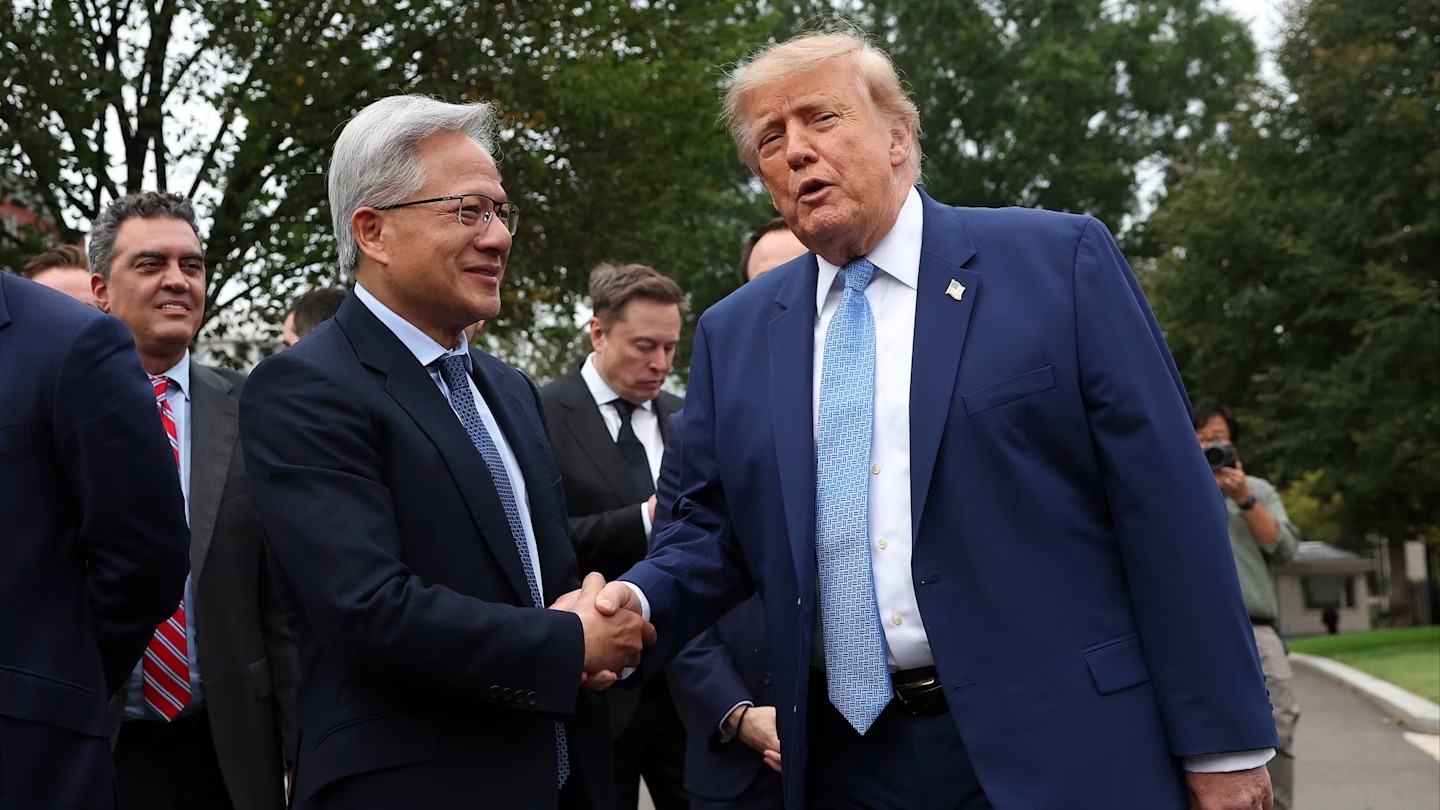
Jensen Huang’s return to Nvidia has brought temporary relief to Gulf countries competing to build the world’s most advanced artificial intelligence hubs.
According to a report by AGBI, Gulf states believe they can continue purchasing Nvidia microchips and partnering with US data centre developers and cloud providers, at least until the end of President Donald Trump’s term.
Analysts noted that Huang’s return as Nvidia chief executive officer with White House backing signals continued support from the Trump administration for US technology firms seeking to expand global sales of their artificial intelligence products.
However, this support conflicts with the view of national security circles in Washington advocating tighter restrictions to prevent China from accessing advanced US technology.
The controversy surrounding Huang stems from concerns in Washington that easing limits on international sales of American AI chips could ultimately help China catch up with cutting-edge US technology.
Tech sector executives, led by Huang and backed by administration figures such as Commerce Secretary Howard Lutnick and to some degree Trump himself, argue that selling their products widely and deploying the American AI stack globally benefits both themselves and the country.
Mohammed Soliman, director of computing infrastructure at McLarty Associates and senior fellow at the Middle East Institute, said: “Gulf states do not have a major stake in Washington’s fight with China. What Riyadh, Abu Dhabi, and Doha care about is whether the flow of American AI hardware continues so they can build substantial computing infrastructure at home.”
Following Huang’s resignation, national security hawks led by Secretary of State Marco Rubio appeared to gain ground, as the Commerce Department imposed new restrictions on sales of US AI chips to third-country data centres that lease large amounts of computing power to Chinese firms.
According to Soliman, Huang’s return could ease Gulf countries’ access to Nvidia chips.
Yet Soliman warned against assuming “hawks have lost the fight on China”:
“They have already closed the loophole on remote access in compute. They will constantly track whether chips are reaching places they should not, including third-country data centres.”
The process is also likely to remain bumpy due to continuing bipartisan disputes in Washington.
Andrew Leber, a visiting fellow at the Carnegie Endowment for International Peace in Washington, noted that the new Democratic majority in Congress following this month’s US midterm elections will examine AI-related deals involving Gulf states and other nations, with China hardliners worried these arrangements could grant Beijing back-door access to computing power.
Reactions from both Democrats and Republicans to Huang’s reinstatement, which took place under pressure from Trump and amid an ongoing investigation into his relationship with an alleged Chinese intelligence operative, highlight the intense scrutiny Nvidia will probably face.
Huang is scheduled to testify before Congress next week.
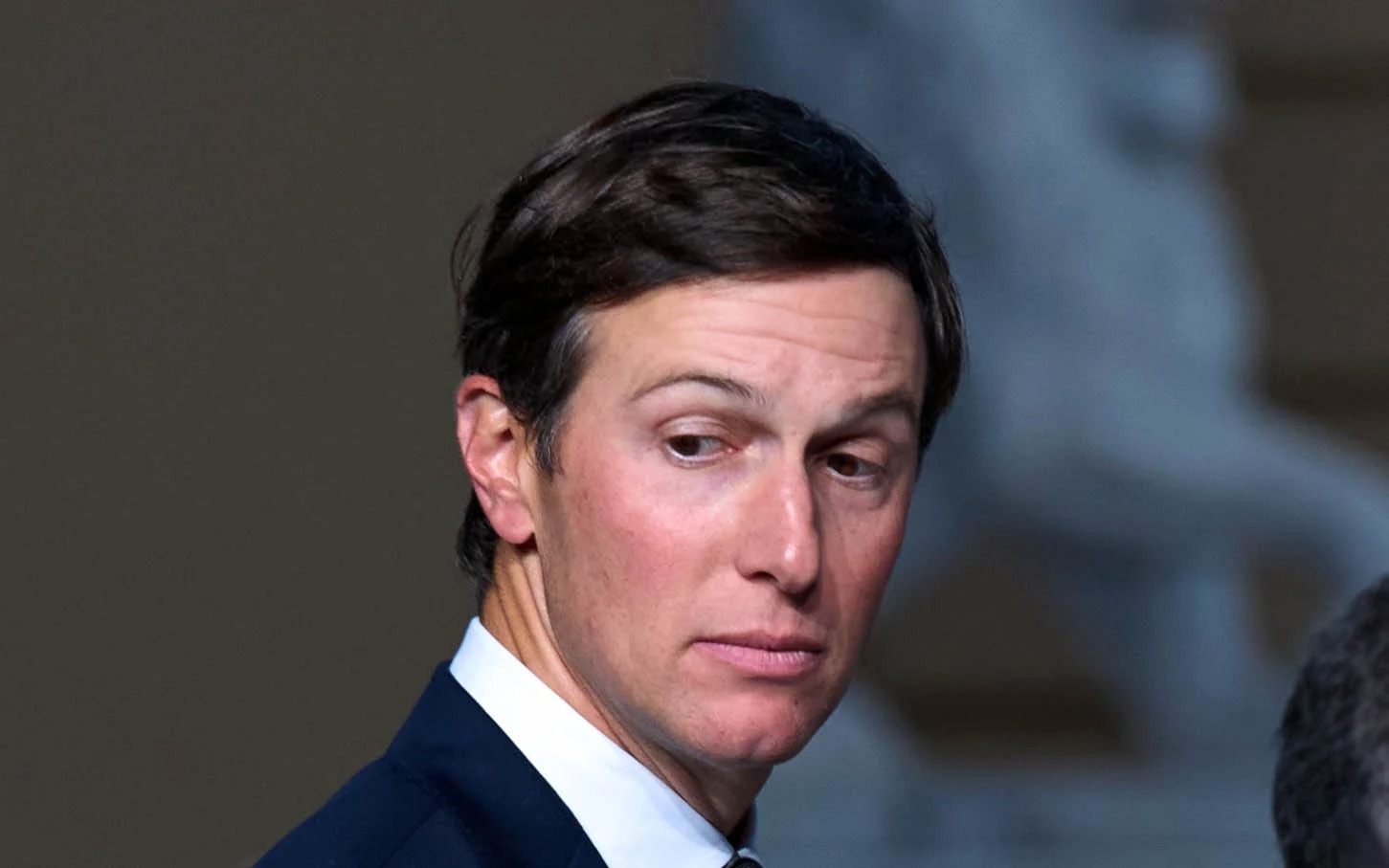
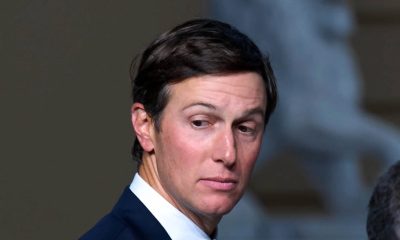
Jared Kushner has warned Israel, which has spent the past three years at war, arguing that the country is heading toward the status of a “global pariah”.
US special envoy and Donald Trump’s son-in-law Jared Kushner, one of the chief negotiators of last year’s Gaza ceasefire and the 2020 Abraham Accords, said according to a profile in New York Magazine:
“I think the fork in the road is this: Israel can rise up from the October 7 tragedy and become a much safer country and much more integrated into the world, or it can continue on its current trajectory toward global pariah status.”
This stark message from Kushner comes amid growing frustration within the Trump administration toward Prime Minister Benjamin Netanyahu, who has blocked the US-controlled “Board of Peace” from advancing its plan to rebuild Gaza.
The article also notes that in the office of Kushner’s investment firm, a map of Trump’s failed 2020 Israeli-Palestinian peace plan hangs on the wall bearing the inscription “JARED, GREAT JOB” written by Trump with a Sharpie pen.
Saying he sleeps well at night, Kushner objects to Democrats calling his blending of diplomacy and business “corruption” and believes he can “make impossible things happen”.
Regarding the Gaza deal, Kushner said: “Not only did we have to stop the war, we had to bring all the hostages and the bodies of the hostages home. It was a crazy operation. Bibi didn’t think we could pull it off.” He is also trying to resolve the conflict between Russia and Ukraine and manage the war the US has entered with Iran.
New York Magazine reporter Andrew Rice wrote that over months of conversations, Kushner explained his theory on “the art of diplomacy”.
According to Rice, this theory values the innate talent of “deal-makers” who can produce solutions that cautious professionals in the diplomatic corps, bound by protocol constraints and obsessed with the past, cannot find.
Although he works closely with Trump’s longtime friend and official peace envoy Steve Witkoff, and both are technically under the supervision of national security adviser and Secretary of State Marco Rubio, Kushner effectively operates as an unpaid freelancer.
The son-in-law relies on backchannels he opened during Trump’s first term as a senior White House adviser and later cemented through his business career.
Asserting that accumulating more wealth is not his primary goal, Kushner argues he could have made more money had he not devoted his time to this work, and says critics will not find any example of him acting against American interests.
He recalls meeting former British Prime Minister Tony Blair when he was once a young businessman. In 2016, Blair was backing a plan that addressed both Palestinian demands for statehood and Israel’s desire to revive political and commercial ties with Arab countries.
Blair told Kushner at the time that he saw a window of opportunity and that it ran through the Persian Gulf.
Connecting with the United Arab Emirates’ ruler, Sheikh Mohamed bin Zayed Al Nahyan, through a friend who was an American asset manager with business ties in the country, Kushner also grew close to MBZ’s brother and national security adviser, Sheikh Tahnoon bin Zayed Al Nahyan, who oversees a sovereign wealth fund with more than $1 trillion in assets.
During the first Trump term, Kushner also met Saudi Crown Prince Mohammed bin Salman (MBS) and formed an important alliance with him.
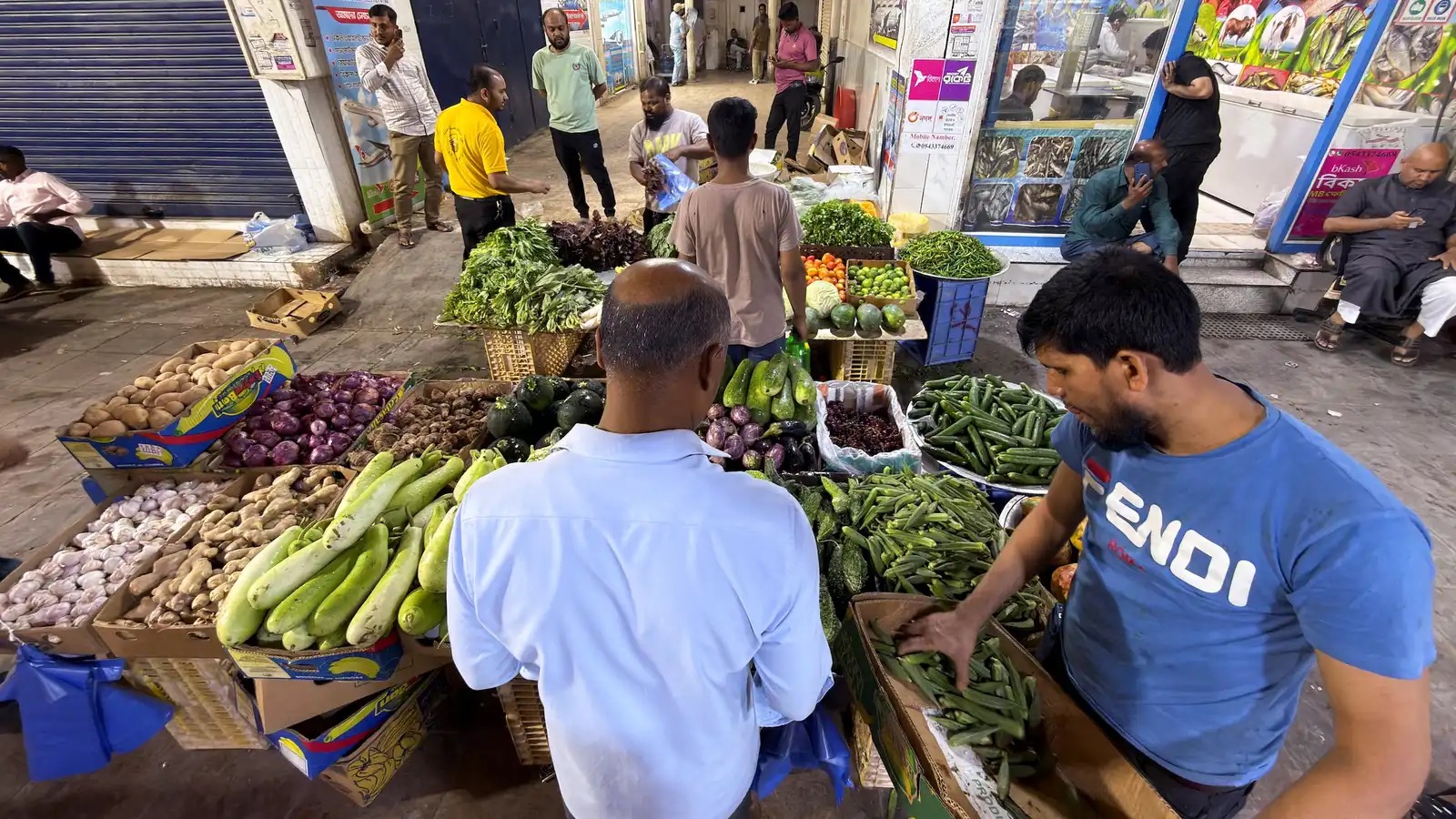
Gulf governments are spending more to shield households from inflation in food and energy prices.
According to AGBI calculations based on official data, the UAE, Saudi Arabia and Oman have spent at least $6.7 billion extra on subsidies and related support this year.
These figures cover the nine-month period through September 30 for Saudi Arabia and Oman.
The figures for the UAE also include social benefits and cover the six-month period through June 30.
Annual inflation is running between 1.9% and 2.2% in Saudi Arabia, Qatar and Kuwait, while standing at just over 3% in Oman and Bahrain despite supply chain disruptions caused by the Iran war.
In the UAE, where fuel prices are linked to international markets, Dubai’s annual inflation has exceeded 5%.
Jason Tuvey, deputy chief emerging markets economist at Capital Economics in London, noted that weak demand has also helped limit inflation, making it difficult to assess the impact of subsidies and price controls separately.
According to an Oxford Economics report published last month, the Gulf Cooperation Council (GCC) economy is expected to contract by 5.7% this year.
Tuvey said:
“The extra subsidy costs are manageable for most governments. These amounts pale in comparison with the hit to budget positions from weaker oil revenues, and they provide some useful support to their economies.”
Gulf countries regulate the prices of staple food items such as chicken meat, dairy products, rice and wheat.
Farouk Soussa, MENA economist at Goldman Sachs, noted that this limits retailers’ profit margins on these products.
“Prices change when costs rise, but prices are not sensitive to the impact of demand,” Soussa said.
Saudi Arabia spent $11 billion on subsidies in the nine months through September 2026.
This figure represents a 49% increase from the previous year and has already exceeded the country’s $8 billion annual budget.
Nick Stadtmiller, chief economist at Emirates NBD in Dubai, said: “Subsidies and administered prices have shielded Saudi citizens from much of the global surge in energy prices this year.”
According to Goldman Sachs estimates, if Saudi Arabia’s fourth-quarter subsidy spending remains at third-quarter levels, the country’s 2026 subsidy total will equal roughly 0.9% of 2025 GDP.
The bank projects a budget deficit of around 5.5% of GDP this year. “The increase in subsidy spending is significant, but not huge,” Soussa said.
In a separate development, Saudi Aramco recorded $44.7 billion in government compensation in the first nine months of 2026, up from $22.5 billion in the same period a year earlier.
This amount covers the difference between the reference price and regulated domestic prices for certain crude oil and petroleum products.
Stadtmiller expects significant budget deficits in Saudi Arabia in the coming years:
“If spending cuts are needed, authorities may choose to cut other discretionary spending areas to maintain support measures for citizens.”
In the UAE, meanwhile, subsidy spending fell by 19% to $1 billion in the first half, while social benefits rose by 25% to $12.6 billion.
Total spending increased by 20% to $13.6 billion.
Soussa noted that the decline in subsidy spending indicates weakening demand for subsidized goods in the UAE, likely reflecting a drop in foreign tourist numbers.
UAE citizens receive social benefits in cash or goods. “They are very similar to subsidies,” Soussa said.
Oman’s electricity and oil-related subsidy spending rose by 67% year-on-year to $1.9 billion.
The other three GCC members, Kuwait, Qatar and Bahrain, have not yet released full subsidy figures for this year.
According to Times Kuwait, citing the Ministry of Commerce and Industry in August, Kuwait’s food subsidy spending in the first half was $248 million.
According to the latest available government data, Qatar spent $4.7 billion on fuel subsidies in 2024.
The International Monetary Fund estimates that subsidies equalled roughly 2% of Qatar’s GDP that year.
Tuvey said Bahrain faces the greatest pressure to trim subsidies due to its large budget deficit and high debt burden.
“Subsidy cuts appear likely to form part of a significant fiscal consolidation, alongside additional financial support from Gulf countries for Bahrain as it seeks to avoid devaluation and sovereign default.”

EU weighs UK deal and Türkiye exclusion in Made in Europe dispute

Berlin and Paris push to shield EU budget from potential Le Pen win

Most Germans reject military leadership as Berlin boosts arms budget

EU-Ukraine drone alliance set to expand membership up to 80 firms

EU tech fund faces limits over targets with Delaware parent firms
-

 Opinion1 week ago
APEC Summit: How China Uses the Art of “Emotional Value” to Deal with Trump
-
 Middle East4 days ago
European Commission rejects Russia’s invite for bilateral security talks
-

 Europe2 weeks ago
Romania offers to pay US to keep troops stationed in the country
-

 Europe1 week ago
Polish Constitutional Tribunal chief stripped of judicial immunity
-
 Europe2 weeks ago
Polish manufacturers seek EU protection against Chinese competition
-
 Diplomacy1 week ago
British scholar Richard Sakwa warns of permanent conflict in Ukraine
-
 America2 weeks ago
White House weighs Lutnick dismissal after Nvidia scandal
-
 Russia2 weeks ago
Lukyanov says Russian public wants peace, but not at any cost
