
Russia
Russia aids Iran in covert supersonic cruise missile project, FT says

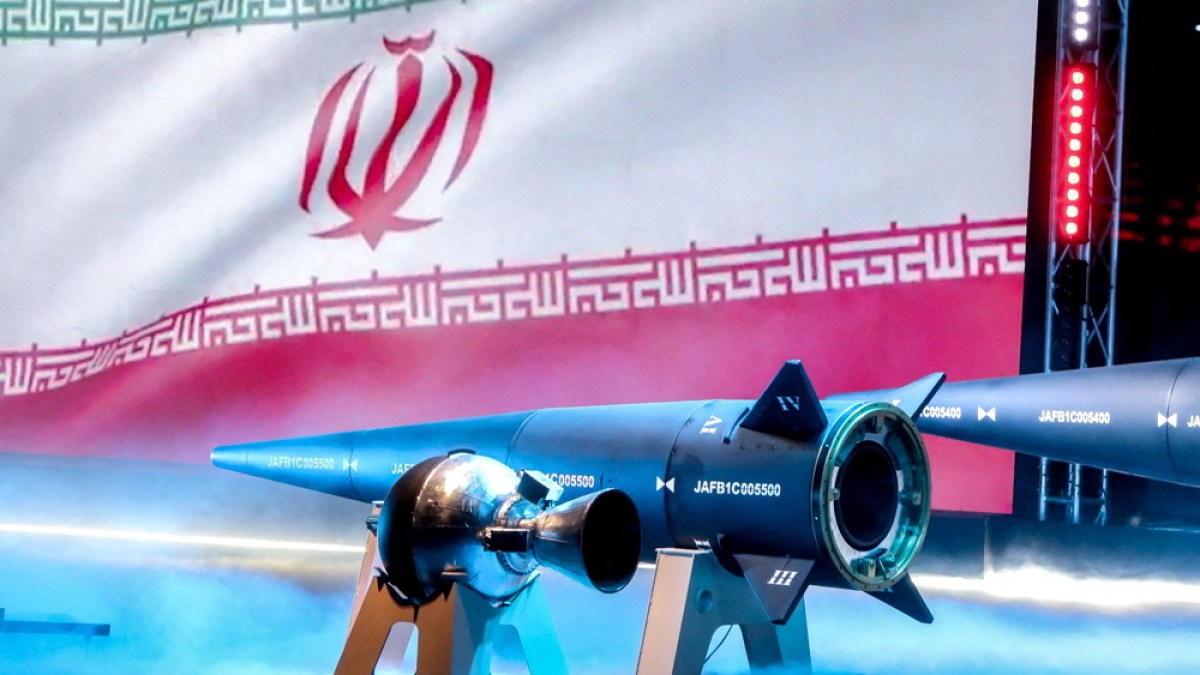
According to a report by the Financial Times (FT), Russia is assisting Iran in developing advanced supersonic cruise missiles through a covert programme.
The multi-year secret collaboration, described as one of the most comprehensive strategic military technology transfers between Moscow and Tehran, reportedly bears the codename “C430L”.
Based on an examination of leaked correspondence, travel records, and military patents, the report stated that the programme, which began in 2023, continued during the war waged against Iran by the US and Israel.
Under the programme, experienced Russian missile specialists were reported to have supported Iran in developing a new class of weapons capable of threatening US aircraft carriers and warships in the Middle East.
Ramjet technology aimed at breaching air defence systems
According to the report, the primary objective of the C430L programme is to assist Iran in developing a ramjet propulsion system that enables a cruise missile to fly at several times the speed of sound.
Military experts point out that the technology in question is designed for use in anti-ship and land-attack cruise missiles.
Fabian Hinz, an expert at the UK-based arms monitoring group Conflict Armament Research, emphasised that this strategic transfer, which the Iranians have sought to obtain for decades, would require approval at the highest political level in Russia.
Jim Lamson, an expert at the James Martin Center for Nonproliferation Studies and a former CIA analyst, stated that this system would provide Iran with a new strategic weapon capable of threatening US naval assets.
Supersonic cruise missiles combine high speed with low-altitude flight capabilities, narrowing the time available for advanced air defence systems to detect and intercept the missile. This represents a strategic advantage for the Tehran government along the Persian Gulf line, where the US and its regional allies possess land- and sea-based defence systems.
The report noted that while Iran had built the ramjet system and conducted flight tests, there was no concrete evidence that a Russian-backed supersonic missile had yet been deployed in the field.
State enterprises and chief engineers involved
The supersonic missile assistance programme is reportedly coordinated by Russia’s state-owned arms export company Rosoboronexport, with the project being executed alongside NPO Mashinostroyenia.
NPO Mashinostroyenia, which was placed on the US sanctions list in 2014, is known for its work on cruise missile systems launched from ships, submarines, and land platforms, as well as Russia’s nuclear forces comprising intercontinental ballistic missiles.
Leaked travel records show that senior Russian engineers and export officials travelled to Iran multiple times before a contract was signed with Iran’s Ministry of Defence and Armed Forces Logistics in November 2023.
These figures include Aleksandr Dergachev, chief designer of naval missiles at NPO Mashinostroyenia; Aleksander Chebakov, a ramjet specialist; Yuri Prokhorchuk, head of the aerodynamics department; and Vladislav Kuzmichev, head of the Defence Technologies and Space Department at Rosoboronexport.
The documents indicate that by 2025, the company had received extensive Iranian technical materials regarding the ramjet propulsion system, analysed telemetry data obtained from a flight test, and submitted detailed queries to Tehran on topics including the fuel system, combustion stability, and the air intake.
In April 2025, Rosoboronexport proposed sending a delegation of around twenty experts to Iran for technical consultations.
Military cooperation between the two countries deepens
The programme is regarded as part of a deepening military partnership between Tehran and Moscow. Iran had previously supplied Shahed-type armed unmanned aerial vehicles used by Russia in the Ukraine war and assisted in their production within Russia.
Western officials also accuse Russia of providing satellite imagery and weapon components to Iran during the ongoing hostilities with the US and Israel.
The report recalled that Russian President Vladimir Putin, during his meeting with Iranian President Masoud Pezeshkian in Kyrgyzstan, said Moscow was “striving to provide the necessary aid and goods in this difficult period”.
Nicole Grajewski of Sciences Po University in Paris stated that the covert ramjet programme demonstrated “Russia’s effort to widen the war in Ukraine and draw the US to different fronts”, noting that Moscow no longer attached as much importance to regional red lines as it once did.
Leaked correspondence reveals that the C430L programme continued into 2026, with the parties continuing to negotiate technical reports and the next phase of the development process.




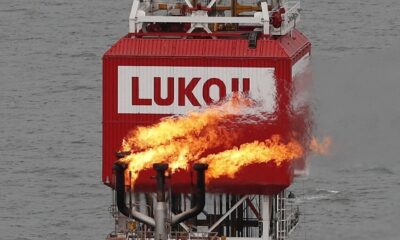



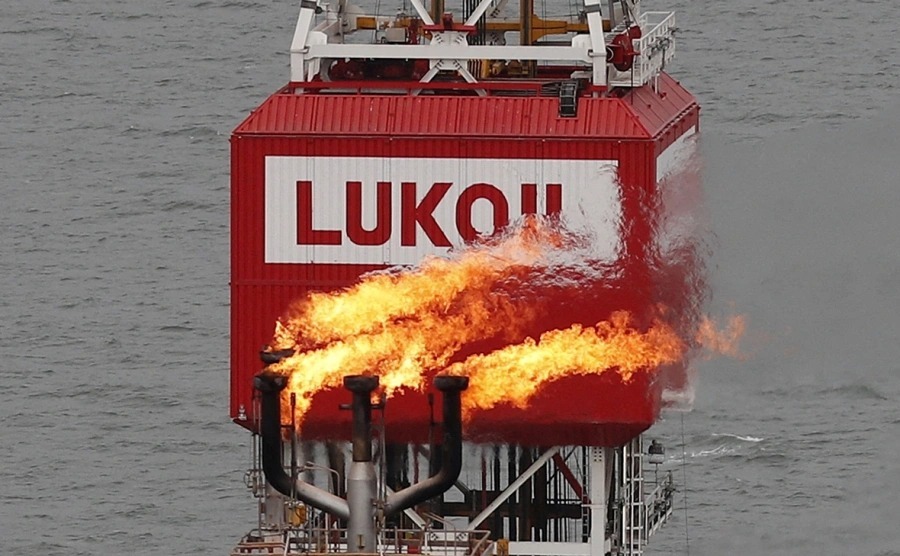
A consortium led by US billionaire Todd Boehly’s firm Eldridge has disclosed the terms of the agreement and its future plans to acquire 100% of LUKOIL International GmbH (LIG), which houses the international assets of Russian energy company Lukoil.
In a statement sent to Russian media outlet RBC, the consortium said: ‘Following completion of the transaction, the consortium will immediately focus on stabilising operations at key facilities, preserving the value of the assets and investments, and ensuring business continuity from production through refining and marketing, including restoring oil refining capacity to full utilisation.’
Alongside Eldridge, the consortium includes the US International Development Finance Corporation (DFC), United Arab Emirates-based Catena Investment Holding, and Xtellus Partners. Citi is acting as the lead financial adviser for the process.
No direct cash payment will be made to Russia
Under the agreement, the buyers will transfer restricted-circulation Lukoil shares and securities of other Russian companies in exchange for LIG shares.
The consortium said in its statement: ‘The use of these shares as a payment instrument prevents any direct cash payment to Russia under the transaction.’
The securities transferred as part of the payment will be held in a special restricted-custody account for five years or until sanctions are lifted.
The DFC will receive a stake in the acquired business at no initial cost to US taxpayers. Once the process is completed, LIG assets will pass entirely out of Lukoil’s control.
‘The transaction structure is intended to stabilise the operations of energy assets in emerging and other markets, bolster energy security, provide a reliable energy supply for US families and businesses, and deliver billions of dollars in returns to US taxpayers,’ the consortium said.
For the agreement to enter into force, it requires approval from the US Treasury Department’s Office of Foreign Assets Control (OFAC), the completion of comprehensive due diligence, and clearances from other regulatory bodies.
Todd Boehly announced the signing of the agreement on 25 November. In comments to Reuters, Boehly and a DFC representative said the accord, reached after more than a year of negotiations, envisages exchanging Lukoil securities worth $10 billion for the company’s international assets.
Boehly noted that the closing process could take up to a year and that the acquired company will be renamed.
What is in the LIG portfolio?
According to the statement, LIG’s portfolio includes oil production projects in 11 countries alongside refining assets in Burgas, Bulgaria; the Zeeland region of the Netherlands; and the Petrotel facility in Romania.
The portfolio also covers the international trading company LITASCO and more than 2,000 filling stations operating across 16 countries in Europe, North America, and Central Asia.
What happened earlier in the sales process?
Following US sanctions, Lukoil announced on 27 October 2025 that it was putting its international assets up for sale, stating that the process was being conducted under an OFAC wind-down licence.
A bid by energy trading firm Gunvor, which initially emerged as the leading prospective buyer, became public on 30 October 2025.
However, Gunvor withdrew its offer after the US Treasury Department stated it would not grant the necessary licence to the company, citing alleged ties to Russia. Gunvor denied those allegations.
In January 2026, Lukoil signed an agreement with US investment firm Carlyle that excluded projects in Kazakhstan and permitted talks with other suitors.
According to LIG financial reports, however, that deal also lapsed at the end of July because OFAC approval could not be secured.
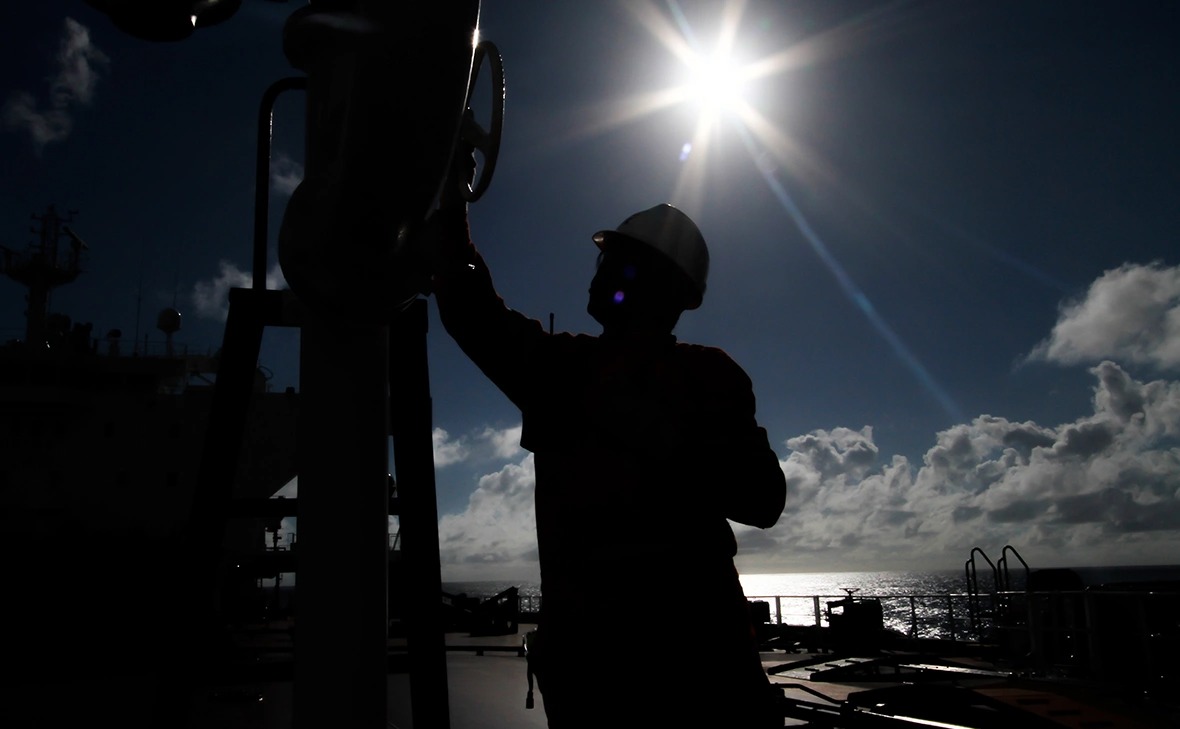
Russia’s rising seaborne crude oil exports are helping fuel a global market surplus despite a recent dip, according to an assessment by Bloomberg.
Average seaborne shipments this year have surpassed all annual averages recorded since the outbreak of armed conflict between Russia and Ukraine.
Combined with growing exports from Persian Gulf countries, the Russian shipments are heightening the risk of an oversupplied market and downward pressure on prices.
Goldman Sachs, JPMorgan Chase, and Sanford C. Bernstein forecast that the global oil market will shift back into surplus, potentially putting additional pressure on crude prices.
Bloomberg also assesses that the supply glut could define market conditions next year and persist for an extended period.
Shipment volumes stay high, but export revenues fall
Although shipments declined in the latest reporting period, Russia’s oil exports remain elevated.
At the same time, Russia is struggling to raise output in line with the higher target quotas set by the Organization of the Petroleum Exporting Countries and its allies, known as OPEC+.
Despite the high export volumes, the estimated monetary value of these shipments dropped.
Bloomberg attributes this decline primarily to lower prices for Russia’s Urals and ESPO crude grades, while a dip in physical shipments during the latest reporting period also pushed the figure lower.
The agency noted that short-term fluctuations in shipments can be affected by weather conditions, maintenance work, sanctions, military activity, and the timing of vessel departures from ports.
OPEC+ prepares to discuss new quotas
The International Energy Agency (IEA) previously highlighted the risk of an emerging supply surplus.
In its November report, the IEA predicted that the global market would swing from a supply deficit to a surplus toward year-end, with the gap between supply and demand widening further.
OPEC+ members, including Russia and Saudi Arabia, maintained their existing production quotas for December at their latest meeting.
In upcoming talks, ministers will address next year’s target quotas, taking into account external assessments of each country’s sustainable production capacity.
Moscow points to reserve depletion and sanctions
Russian Deputy Prime Minister Aleksandr Novak said in October that the scope for tapping accumulated oil reserves to stabilise the global market had been virtually exhausted.
According to Novak, releasing additional reserves could harm the nations that built those stockpiles, adding that resolving imbalances requires time and a renewed increase in Persian Gulf shipments.
In September, Kremlin spokesman Dmitri Peskov argued that stabilising the global fuel market requires securing the navigational safety of oil tankers and lifting sanctions on energy shipments.
Stressing that the restrictions target both Russia and other suppliers, Peskov stated that Moscow considers these sanctions illegal.
Billionaire Todd Boehly has announced that a consortium including the US International Development Finance Corporation (DFC) has signed an agreement with Russian energy firm Lukoil to acquire the company’s overseas energy assets.
According to a Reuters report citing Boehly and a DFC representative, the agreement envisages swapping $10 billion worth of Lukoil securities for the company’s foreign assets.
“Getting strategic energy infrastructure assets into the hands of the US or allied partners is a core policy priority of the administration,” the DFC representative told Reuters.
The representative stated that completing the transaction requires approval from the Office of Foreign Assets Control (OFAC), an arm of the US Department of the Treasury.
A source familiar with the process told Reuters that the comprehensive review could take some time.
Following the agreement signed after more than a year of negotiations between the parties, Russian business daily RBK requested comment from Lukoil’s press service.
US administration to receive share of future profits
Under the terms of the deal, as reported by Boehly and the DFC representative, the US government will receive a share of future profits.
Payments will begin once private investors in the consortium recover their invested capital and achieve an agreed return.
The DFC’s partnership will also grant the US board representation, though the agency’s exact equity stake has not yet been disclosed.
The four-member consortium also includes US bank Xtellus Partners and United Arab Emirates-based Catena Investment Holding.
Declining to provide details on the equity breakdown, Boehly stated that completing the transaction could take up to a year and that the acquired business will be rebranded following the transfer.
Portfolio covers facilities in Middle Corridor
Two sources familiar with the terms of the deal told Reuters that Lukoil’s international portfolio is valued at approximately $16 billion.
The portfolio includes projects in Azerbaijan and Kazakhstan, oil refineries in the Netherlands, Bulgaria, and Romania, as well as a network of petrol stations in several countries, including the US.
Boehly noted that the asset valuation could fluctuate depending on oil price forecasts.
Commenting on the process, Boehly said:
“We are essentially swapping shares that have zero value to Americans with money returning to them. Those shares are then exchanged for a real asset portfolio in the vitally important Middle Corridor, which connects Central Asia to Europe and runs south of Russia and north of Iran.”
One source familiar with the deal terms said the securities to be used in the swap were acquired from US and British funds holding shares on behalf of retail investors, as well as US custodian banks.
Frozen following the start of hostilities in Ukraine, these securities will not be transferred directly to Lukoil and will instead be deposited into an escrow account in the UAE.
The same source reported that this mechanism was chosen to secure approval from the US Treasury Department, which prohibits the Russian company from profiting from the sale.
According to Reuters’ sources, the US Treasury Department initially rejected the swap plan proposed by Boehly’s group, but the proposal later gained the support of the US Department of State.
A source speaking to the news agency stated that the DFC had held talks with various parties, including Chevron, Glencore, and Carlyle Group, regarding the potential sale of Lukoil assets, with private groups seeking a US government partner as a backstop.
Other suitors who had previously signed agreements with Lukoil for the portfolio were unable to complete the acquisition.
Todd Boehly, co-founder of holding company Eldridge Industries, had a net worth of $9.2 billion as of a 25 November estimate by Forbes.
Holding minority stakes in the Los Angeles Lakers basketball team and the Los Angeles Dodgers baseball team, Boehly’s investments through Eldridge span insurance, sports betting, and music rights, including Bruce Springsteen’s catalogue.
Boehly was also involved in the acquisition of English football club Chelsea from Roman Abramovich, though he sold his stake in the club in September this year.
Previous sale attempts stalled over US approvals
Lukoil decided to sell its international operations following the entry into force of US sanctions in October last year.
The company signed an agreement with investment firm Carlyle in January, but that deal did not cover assets in Kazakhstan and lacked exclusivity, allowing Lukoil to continue talks with other buyers.
According to financial reports from LUKOIL International GmbH, the agreement with Carlyle expired at the end of July because OFAC clearance could not be obtained.
The company warned that the failure to obtain approval created uncertainty over the future of its overseas operations, including frozen accounts and payment problems.
Commenting on the Carlyle deal, Kremlin spokesman Dmitry Peskov said protecting Lukoil’s interests was a priority, adding: “The most important issue for us is ensuring that the interests of the Russian company are guaranteed and safeguarded.”
The Moscow government considers sanctions targeting Russian companies to be unlawful.
Prior to Carlyle, oil trading company Gunvor (now Centalion) had also planned to acquire Lukoil’s foreign assets.
Lukoil accepted Gunvor’s offer in October last year, but Gunvor withdrew its application in November after the US Treasury Department announced it would not grant the company the required licence.
The US Treasury Department accused Gunvor of ties to the Kremlin, allegations the company denied.

EU weighs UK deal and Türkiye exclusion in Made in Europe dispute

Berlin and Paris push to shield EU budget from potential Le Pen win

Most Germans reject military leadership as Berlin boosts arms budget

EU-Ukraine drone alliance set to expand membership up to 80 firms

EU tech fund faces limits over targets with Delaware parent firms
-

 Opinion1 week ago
APEC Summit: How China Uses the Art of “Emotional Value” to Deal with Trump
-

 Middle East3 days ago
European Commission rejects Russia’s invite for bilateral security talks
-

 Europe1 week ago
Polish Constitutional Tribunal chief stripped of judicial immunity
-
 Europe2 weeks ago
Romania offers to pay US to keep troops stationed in the country
-
 Europe2 weeks ago
Polish manufacturers seek EU protection against Chinese competition
-
 Diplomacy1 week ago
British scholar Richard Sakwa warns of permanent conflict in Ukraine
-
 America2 weeks ago
White House weighs Lutnick dismissal after Nvidia scandal
-
 Europe2 weeks ago
EU governments asked to consider reviewing migration pact next year
