
America
US citizen alleges he is being held in Türkiye at Washington’s request


Lawyers for an American citizen who was recently released from an Iraqi prison after serving a terrorism-related sentence have alleged that their client has been detained in Türkiye at the request of the US government.
According to POLITICO, attorneys for Shawki Ahmad Sharif Omar, who was born in Kuwait and became a US citizen in the 1980s, filed a petition in federal court in Washington on Tuesday.
The petition alleges that the US government worked with Turkish authorities to prevent Omar from re-entering the United States.
Omar is being held at a deportation center in Türkiye, but his lawyers argue that he is effectively being held in the “constructive custody” of the US government. They have asked a federal judge to order his release and return to the United States.
The case has been assigned to US District Judge John Bates, who was appointed by former President George W. Bush.
Omar, who is also a Jordanian citizen, was captured by US forces in Iraq in 2004 on allegations that he had assisted Abu Musab al-Zarqawi, then the leader of al Qaeda in Iraq.
Omar drew international attention after describing the abuse and torture he said he suffered while in US military custody.
After US authorities transferred him to Iraqi custody in 2011, he was convicted of immigration-related offenses and, several years later, of terrorism charges. He remained imprisoned on those charges until April this year.
Evidence submitted by the US government during a 2008 Supreme Court case portrayed Omar as a key intermediary for Zarqawi’s organization who “facilitated the group’s connections with other terrorist organizations, brought foreign fighters into Iraq, and planned and carried out kidnappings.”
Omar and his lawyers have argued that the US evidence supporting those allegations was weak and was never substantiated.
They have also maintained that the proceedings against him in Iraq were unfair and that he was denied the right to a fair trial. His case has attracted international attention for years.
According to his attorneys, Omar was issued a temporary US passport after being released from Iraqi custody in April, but was nevertheless placed on a no-fly list, preventing him from traveling to the United States to reunite with his wife and children, who are US citizens.
The allegation that Turkish authorities are holding Omar at Washington’s request raises new questions about the US government’s legal authority to work with foreign governments to advance its border security and immigration objectives.
It would be highly unusual for the United States to ask another country to detain a US citizen in order to prevent that individual from re-entering the country, regardless of the person’s criminal record.
According to the petition, Turkish authorities detained Omar and transferred him to a deportation center. It states that he has been held at an undisclosed facility for the past week.
The filing further alleges that Turkish officials told Omar they were acting at the request of US authorities.
The complaint also includes correspondence with US State Department officials acknowledging Omar’s detention and stating that they were working with their Turkish counterparts to verify his status.
“The government cannot claim that it lacks control over petitioner’s detention after actively exercising its authority to intervene on his behalf,” Omar’s lawyers wrote.
The attorneys also argued that Omar faces “the risk of deportation to a country where he is likely to face torture, including Jordan.”
“Jordan is a country where members of Omar’s family have been questioned about his whereabouts and activities. Moreover, given that he was previously transferred there by US authorities and subjected to torture, he also faces the risk of being tortured in Türkiye at the request of the United States,” the lawyers said.









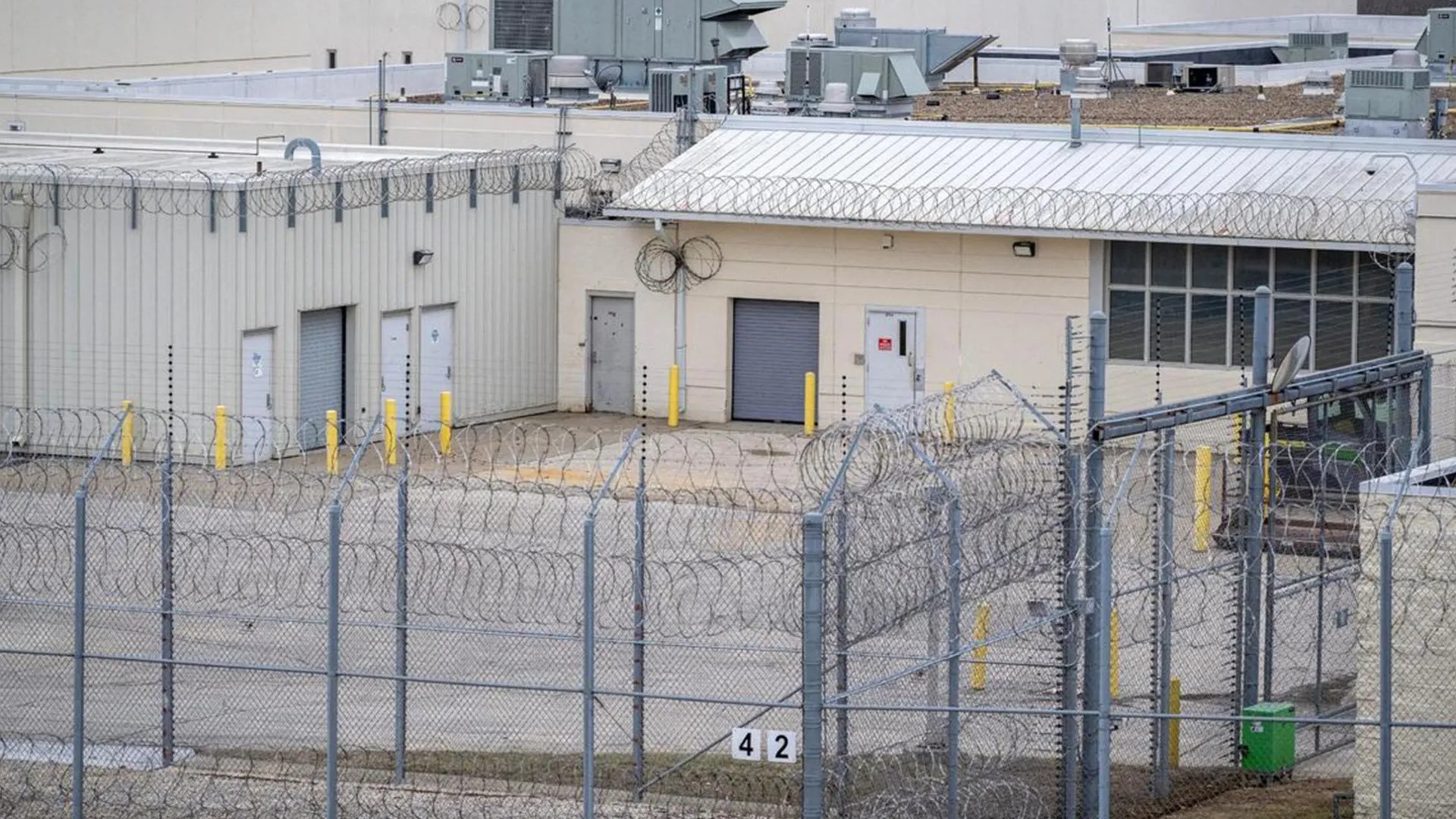
A total of $12 million in donations has been identified in connection with CoreCivic, Palantir, GEO Group, NANA Regional, and CSI Aviation, among the companies profiting most from operations run by Immigration and Customs Enforcement (ICE).
An investigation conducted by the Emancipator covers political spending since President Donald Trump returned to the Oval Office.
These firms develop the software that ICE uses to target migrants.
They also charter the aircraft used to deport migrants to other countries and run the large detention centres where migrants are held.
The donations detailed appear to be legal. By law, federal contractors cannot contribute directly to political campaigns.
However, they can still influence electoral races through individuals in their employ and affiliated political action committees (PACs).
Previous reporting noted that several of these companies had lobbied for legislative bills supporting ICE spending.
The Emancipator revealed that while these firms primarily donated to back Republicans, they also steered funds to Democrats.
In some instances, these money flows took place in states with contested congressional and Senate races where the companies own or operate detention facilities.
To trace the political money flows, the Emancipator used a company list based on earlier reporting by The Project on Government Oversight.
It then independently reviewed affiliated PACs and federal campaign contribution records linked to company executives.
According to the Emancipator’s findings, at least 10 executives connected to ICE-linked firms, including some former executives, directed more than $9.7 million in political contributions since 2025.
For example, Allen Weh, the chief executive of CSI Aviation, donated more than $250,000. The company is the primary entity behind the majority of ICE deportation flights.
Weh’s contributions went to bodies such as the Republican National Committee and “Our Values”, a Republican-aligned super PAC.
Weh also contributed to the campaigns of Republican Senate candidates, including Jon Husted in Ohio and Thomas Cotton in Arkansas.
More than $2.5 million flowed over the past two years from CoreCivic, one of the largest private detention operators in the US, which runs 23 ICE facilities.
This money represents political spending reported in campaign finance filings and Section 527 disclosures on behalf of a PAC and company-affiliated executives.
According to a 527 filing, CoreCivic directed $675,000 to the Republican Governors Association over the past two years. During the same period, CoreCivic also contributed $330,000 to the Democratic Governors Association.
Governors hold significant authority over detention facilities and state legislation, and these groups channel support to governors aligned with their respective parties.
CoreCivic sent $135,000 to the Republican State Leadership Committee, the nation’s largest organization supporting down-ballot Republican state politicians.
Just over $200,000 was channelled through CoreCivic’s PAC.
Tracking records show the PAC directed its largest contributions to jurisdictions where it operates facilities, including Georgia, where it runs an ICE facility; Texas, where it operates seven; and Tennessee, where the company is headquartered.
CoreCivic’s PAC gave the maximum allowable contribution of $5,000 to both US Senate and House campaigns in Montana, Virginia, and Arizona.
Recipients of the PAC’s funding included Michael Whatley’s Senate campaign in North Carolina, as well as Republican-aligned PACs such as the National Republican Senatorial Committee, the Fund for America’s Future, and Texas First.
CoreCivic donated $5,000 to the campaign of Maine Republican Senator Susan Collins.
Collins faced fierce criticism on immigration, even though Maine recently enacted state-level “ICE Out of Maine” legislation.
CoreCivic executives also donated directly to candidates.
Lucibeth Mayberry, the current chief executive of CoreCivic, made a modest $500 donation to support Alaska Republican Senator Dan Sullivan in his bid for re-election.
Meanwhile, former chief executive Damon Hininger donated more than $1 million. Over the past two years, Hininger sent roughly $660,000 to the Republican National Committee and more than $100,000 to the National Republican Senatorial Committee.
Palantir, a provider of data platforms used by ICE across the country, channelled roughly $8.3 million to politicians across the political spectrum and throughout the nation through executive spending and its PAC.
The vast majority of this political spending, over $8 million, came from the company’s executives.
Federal election records show that over the past few years, Palantir co-founder and board chairman Peter Thiel donated just over $3.2 million to Republican-leaning campaigns, candidates, and political action committees.
Chief executive Alex Karp also gave more than $1.9 million in total, largely to back Republican candidates, while contributing to Democratic campaign funds as well.
Weeks before Abigail Spanberger’s election as governor of Virginia, Karp donated $10,000 to the Democratic Party of Virginia.
GEO Group, which operates private prisons and detention facilities, runs 28 ICE facilities in states such as Texas, Georgia, and California.
At least two of these facilities are situated in the swing states of Michigan and Pennsylvania.
Senior company executives and an affiliated PAC directed roughly $1.5 million nationwide so far during Trump’s second term.
More than half of this sum was routed through the firm’s PAC, while about a quarter of a million dollars came from executives.
GEO Group founder and chief executive George Zoley holds several dozen campaign receipts showing total contributions of $210,000 to various Republican campaigns.
NANA Regional Corporation, an Alaska Native corporation, profits by selling security services to ICE.
This entity spent the smallest amount. Over the past few years, NANA’s PAC channelled just over $50,000 to politicians and political groups.
Records for company executives and 527 accounts showed no notable political spending.
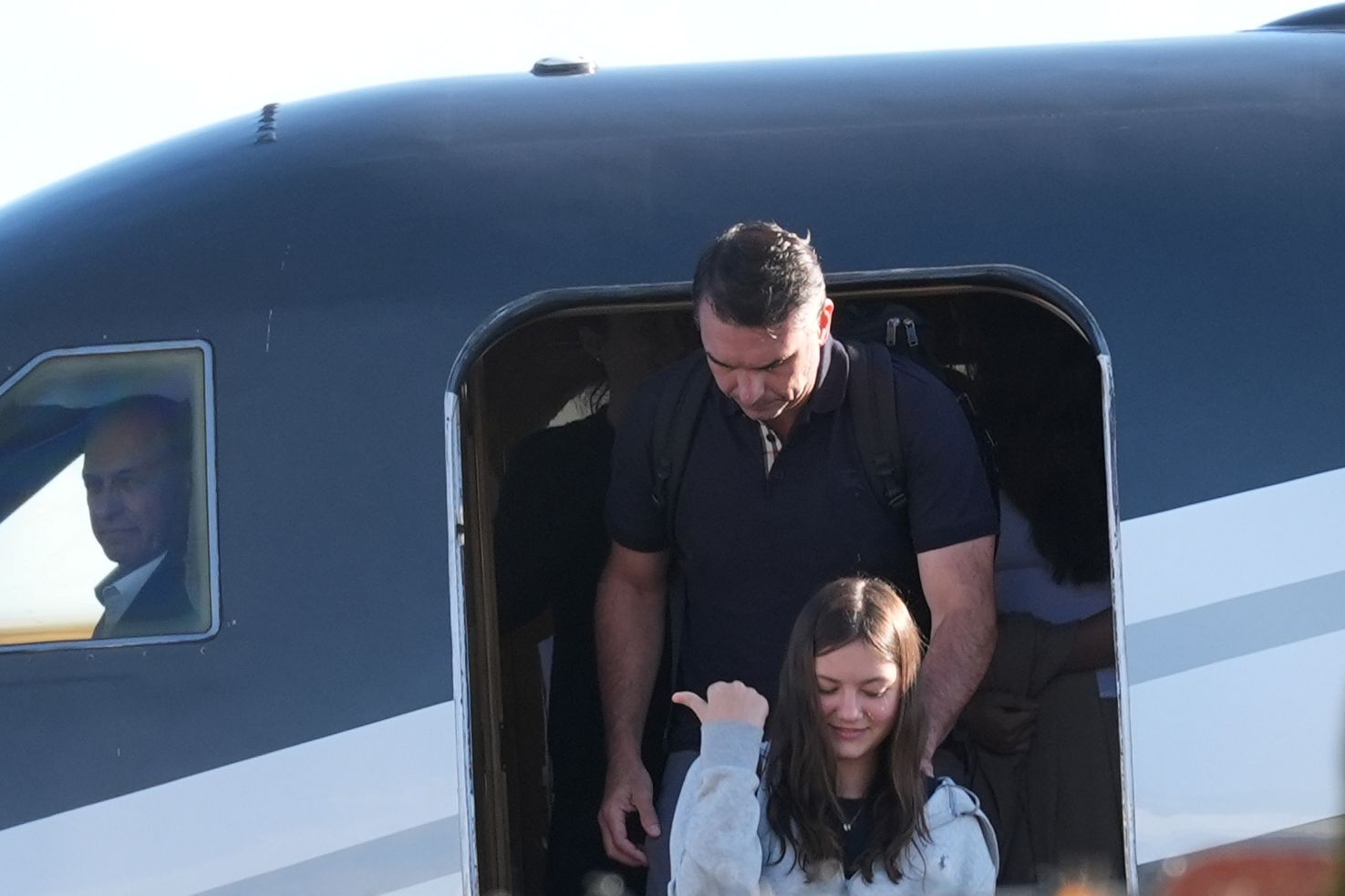
It has emerged that Flavio Bolsonaro, who lost the presidential election in Brazil, left the country for Argentina accompanied by a former operative of Israel’s foreign intelligence service, Mossad.
According to a report by CNN Brasil citing an investigation conducted by Brazilian authorities, the former Israeli agent, who later obtained US citizenship, entered Brazil on 19 October and accompanied Bolsonaro as he departed the country following his electoral defeat.
Records show that the former agent was in the same vehicle as the Brazilian politician while crossing the Argentine border on 27 October.
Brazilian authorities believe that Bolsonaro’s departure was organized with the support of Buenos Aires and Washington.
Citing investigative findings, CNN Brasil reported that Bolsonaro left Brazil for Argentina alongside his wife and two daughters in two minivans.
Agencies investigating the politician’s departure established that security cameras captured the vehicles crossing the Tancredo Neves Bridge on the border between the two countries.
The television network noted that the drivers were identified because they presented their passports upon entering Argentina.
A former member of the municipal council of the Brazilian city of Foz do Iguacu was driving the minivan carrying Bolsonaro, while that former council member’s son was driving the family of the former presidential candidate.
In the Argentine border city of Puerto Iguazu, Bolsonaro boarded an aircraft belonging to the Argentine airline Baires Fly together with his wife and daughters.
After a refuelling stop in Ecuador en route, the plane landed in Miami on the morning of 28 October.
According to data from Brazilian authorities, the operation was carried out with the assistance of at least two countries.
Officials leading the inquiry believe Bolsonaro received backing during the final phase of the election’s second round.
Brazilian government representatives said this support constituted “assistance from the governments of Argentina and the US.”
Investigative bodies believe Bolsonaro’s departure was not organized at the last minute, but was instead an extensive international operation codenamed “Operation Alba”.
Election defeat, revoked passports, and US entry permit
Bolsonaro was defeated by current President Luiz Inacio Lula da Silva in the second round of Brazil’s presidential election, held on 25 October.
After the results were announced, Bolsonaro declared that he did not recognize the outcome of the vote and left Brazil.
In an open letter published on the social media platform X on 28 October, Bolsonaro described himself as the “president-elect”, though he later deleted that version and shared a new post proclaiming himself the country’s “leader”.
Meanwhile, media reports suggested that US President Donald Trump was not inclined to recognize Bolsonaro as Brazil’s leader, while also mentioning the possibility that the Brazilian politician could be granted an expedited green card.
The Reuters news agency reported that Bolsonaro made the decision to travel to the US at the last minute, after a Brazilian Supreme Court justice revoked all of his passports.
Law enforcement agencies are investigating Bolsonaro’s potential links to two separate money-laundering schemes.
A source speaking to Reuters claimed that Jason Miller, an adviser to Trump who is close to the Bolsonaro family, helped organize the flight from Argentina.
US Secretary of State Marco Rubio also advised President Donald Trump to permit the Brazilian politician to enter the country, a recommendation Trump accepted.
Bolsonaro and his family were subsequently granted temporary entry permission on humanitarian grounds.
Rubio, however, denied allegations that the US government played a direct role in Bolsonaro’s departure from Brazil.
Stating that the Brazilian politician held a visa and that Trump had decided to permit his entry, Rubio maintained that US authorities took no part in organizing the travel.
Former Brazilian President Jair Bolsonaro, the father of Flavio Bolsonaro, remains imprisoned in Brazil in connection with a case concerning an attempted coup following his defeat in the 2022 election.
The younger Bolsonaro had promised that his first act upon winning the election would be to free his father from prison.
During his presidency, Jair Bolsonaro was commonly referred to as the “Trump of the Tropics”.
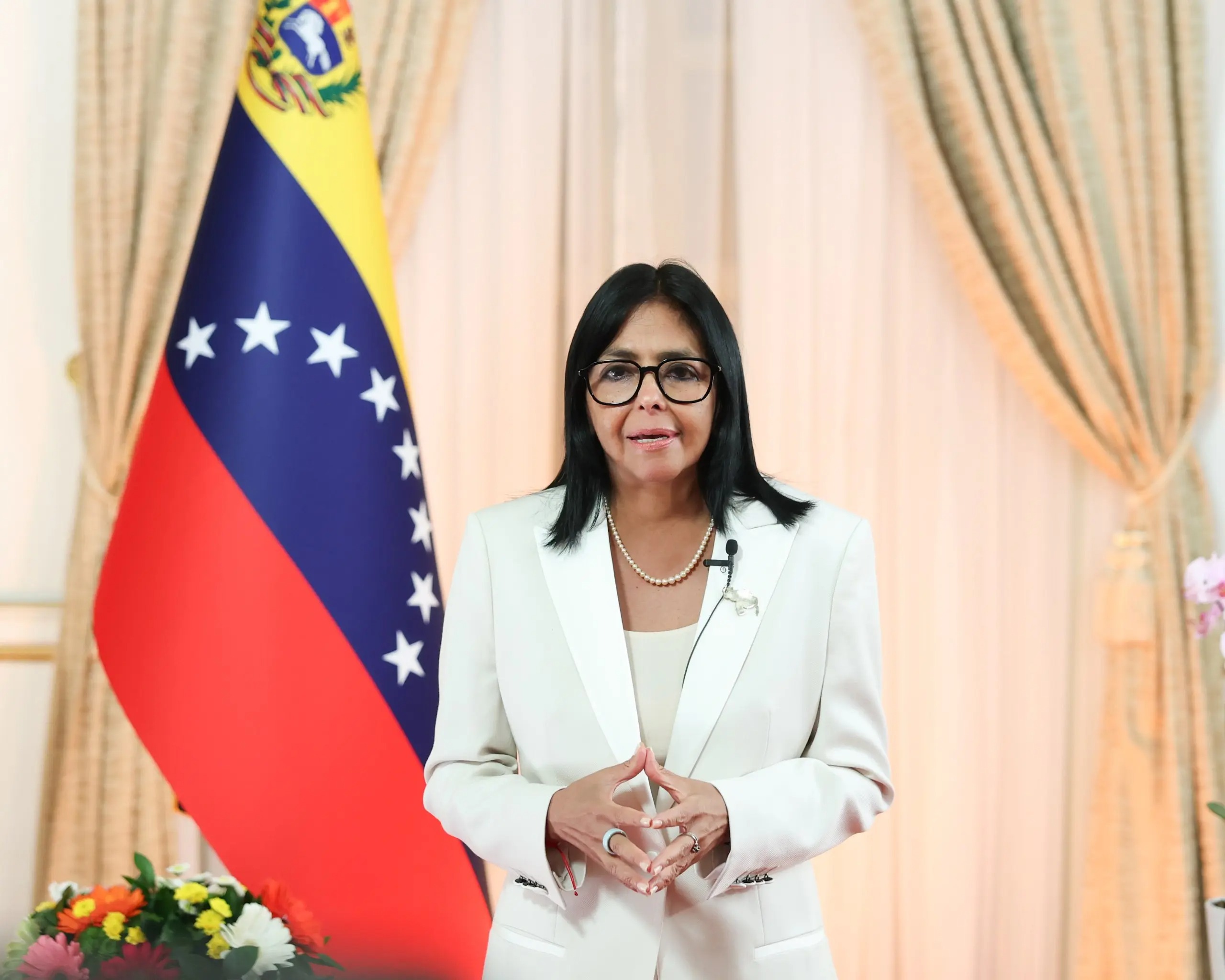
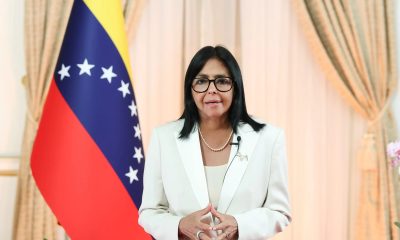
Venezuela’s interim president, Delcy Rodríguez, on Thursday defended a plan to privatize state assets and return nationalized companies to their former owners.
In a televised address to the nation, Rodríguez said: “I have ordered an assessment of non-essential state assets, so that these assets can be offered to the private sector or returned to their previous owners.” She added:
“This process is already under way. The right to private property is guaranteed by our Constitution.”
In April, the interim president established a commission tasked with evaluating the “strategic” value of state enterprises, land, and other assets to determine whether they should be retained, privatized, or liquidated.
During the 2000s, former President Hugo Chávez carried out a nationalization programme aimed at consolidating state control over strategic sectors including electricity, telecommunications, and heavy industry.
Having enacted a comprehensive, business-friendly reform of hydrocarbons and mining legislation earlier this year, Venezuela’s parliament is on the verge of approving the partial privatization of the electricity sector.
Foreign companies are also in talks to acquire the country’s largest aluminium smelter, while a consortium led by Sunergon Oil is reportedly pushing to take over several industrial facilities linked to the oil industry.
Luigi Pisella, a business representative heading the commission, recently presented a legislative proposal.
The legislation aims to guarantee the participation of local capital alongside multinational corporations in privatized public entities.
In an interview with the magazine Banca y Negocios, Pisella said:
“I have not encountered any resistance to this idea. Most investors agree that having local partners, whose experience is vital for navigating the complex Venezuelan environment, is indispensable.”
Pisella added that “different models of private-sector participation” were being evaluated, but he rejected “strategic alliances” in which the state retains ownership rights while transferring assets through concession-type agreements.
The business spokesperson argued that “no one will invest” unless ownership is transferred completely.
In her Thursday address, Vice President Rodríguez also promised that workers’ income would be increased quarterly next year at a rate at least matching GDP growth:
“For 2027, we are planning increases in workers’ income across four distinct periods; the amount of these increases will never fall below the economic growth of the preceding quarters.”
Rodríguez made no mention of adjusting the minimum wage, which has been frozen since 2022 and is currently worth approximately 0.15 US dollars.
Instead, Venezuelan authorities have leaned heavily on non-wage bonuses. These bonuses act as a de facto subsidy for employers, as they are excluded from holiday pay, severance calculations, and other labour entitlements.
Public sector employees currently receive a minimum monthly income of 240 dollars.
Although Venezuela’s GDP is projected to expand by 5% to 10% in 2026, increasing non-wage bonuses at that pace falls short of keeping up with inflation.
The financial website Ecoanalitica estimates that prices measured in US dollars will climb by 20% to 30% in 2026.
This means that an income adjustment tied to GDP growth would result in an erosion of purchasing power.
In her address, Rodríguez went on to praise ongoing labour reform talks involving business lobby groups and selected trade unions.
Private-sector associations such as FEDECAMARAS and FEDEINDUSTRIA want to lower labour costs for employers, further reduce social security contributions, and eliminate the retroactive application of severance pay and other benefits, ensuring that future wage increases do not trigger corresponding liabilities.
Finally, the interim leader defended recent judicial reforms and ongoing talks with a faction of the US-backed Venezuelan opposition that will appoint a new Supreme Court and National Electoral Council.
The US State Department had claimed that new presidential elections would be held in 2027.
Rodríguez did not provide any specifics regarding the electoral timetable, stating only: “Elections will be held under the auspices of a renewed electoral authority and before the eyes of the world.”

“Blue wave” fears at Mar-a-Lago: What will the midterms bring for the US?

What are Europe’s ignorant leaders failing to see?

Protesters storm Kyiv site holding soldiers over torture allegations

Right-wing calls to ban left parties and groups mount in Europe

Low EU gas stocks risk stoking global prices, IEA report warns
-

 America2 weeks ago
US wealthy demolish multimillion-dollar mansions for land
-

 Middle East2 weeks ago
Netanyahu unveils security doctrine and regional alliance map
-

 America2 weeks ago
At least 47 major US data centre projects halted or cancelled
-

 Europe2 weeks ago
EU rejects US proposal to resume Russian gas flows through Ukraine
-
 Middle East2 weeks ago
Netanyahu trails Eisenkot in Israeli polls despite Trump backing
-

 Diplomacy1 day ago
Secular dress code dispute exposes deeper Türkiye-Azerbaijan strains
-

 Europe1 week ago
Merz visits Asia to seek new markets for German defence firms
-

 Russia6 days ago
US and Russia weigh energy deals and corporate return in peace talks
