
Europe
European Commission rejects anti-immigration citizens’ initiative on legal grounds


The European Commission has formally rejected a European Citizens’ Initiative launched earlier this year by two white supremacists seeking the mass deportation of people through what they describe as “remigration.”
“The initiative will not be registered by the Commission,” EU Commissioner for Social Rights Roxana Mînzatu said.
Speaking to reporters in Brussels on Wednesday (July 22), Mînzatu said the initiative lacked a valid legal basis.
In a more detailed explanation, the Commission said the proposal would constitute discrimination on the grounds of race and ethnic origin.
Brussels focused in particular on the initiative’s proposed temporary moratorium on new “non-Western” migration channels, including visas for education and family reunification.
The Commission said the campaign sought to justify the moratorium by invoking the “ethnic and cultural continuity” of Europe’s “indigenous peoples” and opposition to what its charter describes as “demographic replacement” by non-Western and non-European migrants.
Despite the Commission’s decision, the “Save Europe Act” had gathered nearly 600,000 signatures as of publication, including support from ultranationalist politicians, ethnonationalist activists and several members of the European Parliament calling for Europe to remain predominantly white and Christian.
Beyond the proposed migration moratorium, the initiative calls for tighter external border controls, faster deportation procedures, asylum system reform, the removal of welfare incentives it identifies as encouraging migration, and the creation of an EU-wide framework for remigration supported by voluntary or financial incentives.
Among those who signed the initiative was former Hungarian Prime Minister Viktor Orbán, along with newly elected European Parliament member Balázs Orbán.
Also backing the proposal were Björn Höcke, the Alternative for Germany (AfD) leader in the German state of Thuringia who was previously fined for using a Nazi-era slogan, and Maximilian Märkl of Germany’s Identitarian Movement.
Members of the European Parliament who signed the initiative also include Italian lawmaker Roberto Vannacci, who recently founded the National Future party, which is ideologically similar to the AfD.
Other prominent MEP signatories include Austria’s Petra Steger, Belgium’s Filip Dewinter and Barbara Bonte, Germany’s Tomasz Froelich, Slovakia’s Milan Uhrik, Slovenia’s Branko Grims and Poland’s Dominik Tarczyński.
The initiative was launched in late May by Dutch white supremacist Eva Vlaardingerbroek and Austrian neo-Nazi Martin Sellner, calling for an end to all non-Western and non-European migration.
It also sought to persuade other individuals, including those deemed to impose “a significant cultural or financial burden on member states,” to leave voluntarily.
Earlier this month, Vlaardingerbroek staged a promotional event outside the European Parliament to rally support for the proposal.
“The people want remigration!” she wrote on X.
Remigration is a term commonly used by Western right-wing and ethnonationalist movements to describe the mass deportation of migrants, including individuals who hold European citizenship.
In a post on X, the campaign criticized the Commission’s decision, saying, “Their motivation is vague, weak and reveals their true anti-democratic nature,” and accused the Commission of ignoring “the voices of nearly 600,000 European patriots.”
Following Wednesday’s rejection, the campaign team said it would announce its next steps shortly, presenting the decision not as the end of the movement but as further evidence of the political confrontation it was created to provoke.












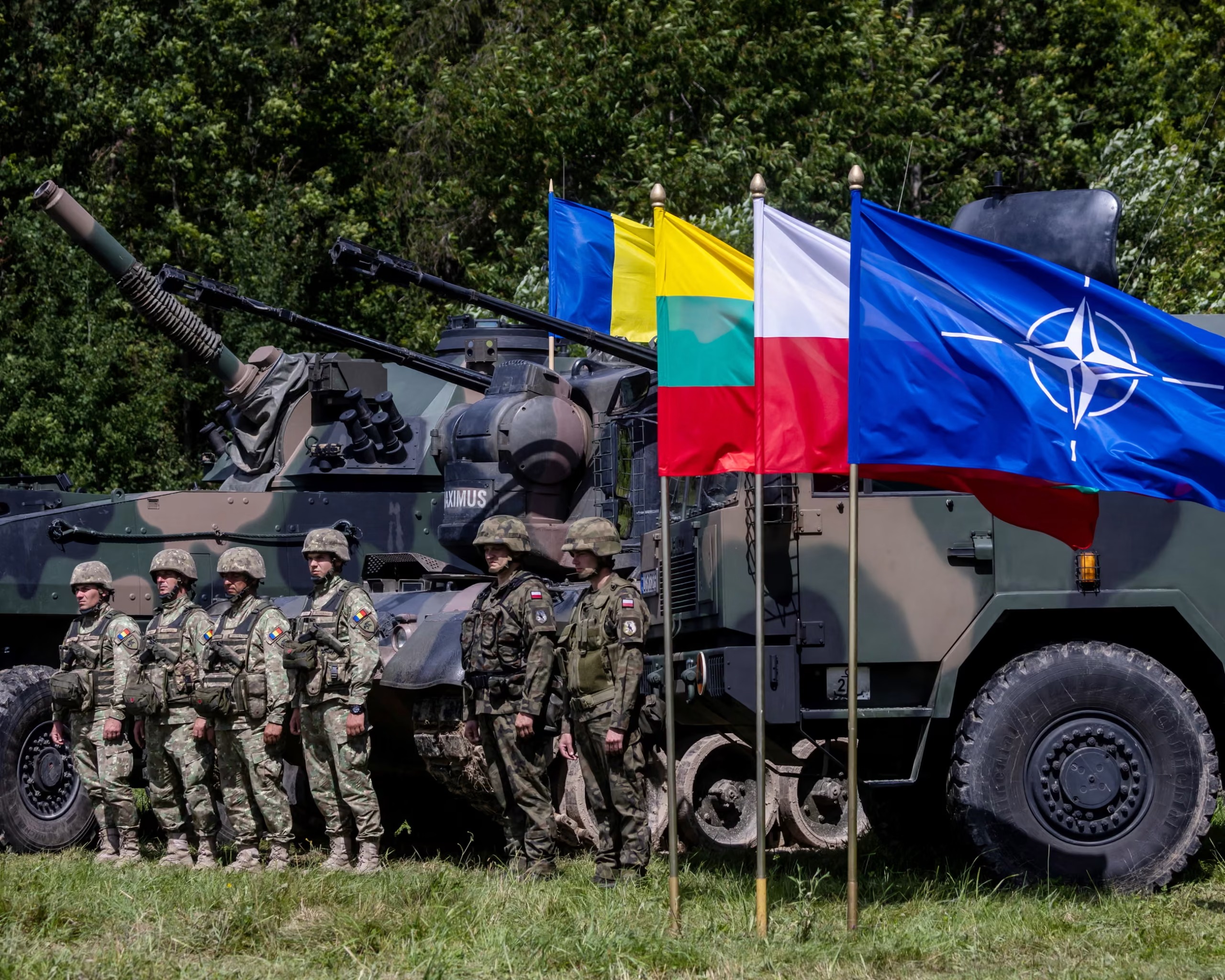
The intelligence services of the three Baltic states, Sweden, and the Czech Republic hold differing assessments regarding a potential Russian attack.
These warnings followed statements to parliament by Polish Prime Minister Donald Tusk, who said intelligence assessments indicated that Russia could mount an attack against NATO territory with drones or missiles in the coming months as part of efforts to prove that “Article 5 is theoretical rather than practical.”
French President Emmanuel Macron also described Tusk’s warnings as “logical and well documented,” and summoned party leaders and 2027 presidential candidates to an urgent meeting in Paris on Friday.
Among other topics, the meeting addressed intelligence information concerning the growing threat from Russia.
In separate interviews with The Guardian newspaper, three European intelligence officials shared their views on the potential threat that could emanate from Moscow.
Michal Koudelka, head of the Czech Republic’s BIS security service, suggested that alongside increased drone activity, a small-scale incursion into NATO territory bordering Russia could also form part of the Kremlin’s plans.
“This is possible. It could involve a limited attack, false-flag provocations, or a large-scale influence campaign,” Koudelka said in a rare interview at the agency’s headquarters in Prague.
Stating that this scenario could unfold in “months, not years,” Koudelka added that “many people are doing their utmost to ensure it does not happen.”
Officials in the three Baltic countries bordering Russian territory, however, are acting more cautiously regarding the prospect of an invasion or another serious escalation.
They cite the strain on Moscow’s resources in Ukraine and warn that exaggerating the likelihood of an attack could play into the Kremlin’s hands.
Normunds Mežviets, director general of the Latvian State Security Service (VDD), said in an interview at the agency’s headquarters in Riga: “We see no indications that an attack is imminent.”
While Mežviets acknowledged signs that Moscow is preparing to take more decisive steps in Europe, he stated that it remains unclear whether these plans are merely part of a destabilisation strategy:
“Whether they have direct and concrete plans, or whether this is simply part of their general efforts to spread fear and uncertainty in Western society, remains an open question.”
Having criticised Western Europe for years for being soft on Russia, Baltic politicians now find themselves in a curious position: fearing that talk of an imminent invasion could harm their societies and economies, they are telling certain Western leaders to remain calm in their public messaging.
On Saturday, Jonatan Vseviov, secretary general of the Estonian Ministry of Foreign Affairs, condemned the recent “social media panic” regarding a potential attack, writing on X:
“If there is reason to fear an attack, rest assured: we will state it clearly. Until then, stay calm, carry on with your lives, and support Ukraine.”
Mežviets said that, overall, Western Europe waking up to the threat from Russia is a positive development:
“Before 2022, we constantly warned our Western European partners about the threat from Russia, but our voices were largely ignored. In 2022, our partners’ approach changed. They said the Baltics and the Poles had been proven right.”
Neither Mežviets nor Koudelka wished to discuss what concrete intelligence might have been obtained regarding Russia’s alleged plans for the coming months.
Nor did they comment on whether a surprise visit to Moscow last month by CIA Director John Ratcliffe: during which he also stopped in Riga: was undertaken partly to warn the Kremlin about the dangers of attacking NATO.
Following that visit, Kremlin spokesman Dmitry Peskov denied rumours that Russia would attack NATO, saying: “This has nothing to do with reality, and it has nothing to do with the intentions of the Russian Federation.”
Koudelka argued that Russia’s current tactic is to “escalate to de-escalate,” stating that the Kremlin is probing vulnerabilities in Western societies to diminish their support for Ukraine’s war effort.
“They believe that if they escalate enough, European countries will decide not to support Ukraine,” Koudelka said.
Thomas Nilsson, head of the Swedish Military Intelligence and Security Service, said in an interview on the margins of a conference held in Riga: “I have seen no signs of serious consideration in Moscow regarding genuine negotiations. In my assessment, they still believe they can achieve their strategic objectives; therefore, they are merely engaging in negotiation theatre.”
All three intelligence chiefs stated that, whatever else happens, Russia’s sabotage campaign in Europe is likely to intensify in the coming months.
Nilsson described the recent armed drone incident at Leipzig airport, which German authorities attributed to Russian intelligence, as a “game-changer”:
“Sending an armed drone into a busy airport in the heart of Europe… If attacks involve the potential loss of life or the disruption of critical infrastructure with immense consequences for society, I believe that is a game-changer.”
Mežviets noted that Russia has shifted from random acts of sabotage and arson aimed at inducing panic toward specific targets connected to Western support for Ukraine. “We see them trying to target railway infrastructure and infrastructure providing support to Ukraine. We currently observe a shift toward defence industry targets,” he said. “If you do that, the psychological operations effect is already achieved; thus you accomplish both at once,” he added.
Nilsson stated that several objectives lie behind the recent intensification of Russian sabotage activities: reducing support for Ukraine, creating divisions within NATO, and unsettling European populations.
“In my view, Moscow would like nothing more than for NATO to engage in endless discussions about Article 4 consultations while taking no concrete steps,” the Swedish official said.
Koudelka noted that another effect of the sabotage campaign is that it strains the resources of intelligence services, as suspicions frequently linger even when incidents stem from other causes.
“Now, every fire or every malfunction must be investigated by intelligence services as a potential terrorist attack, and that is a good outcome for them,” the intelligence chief said.
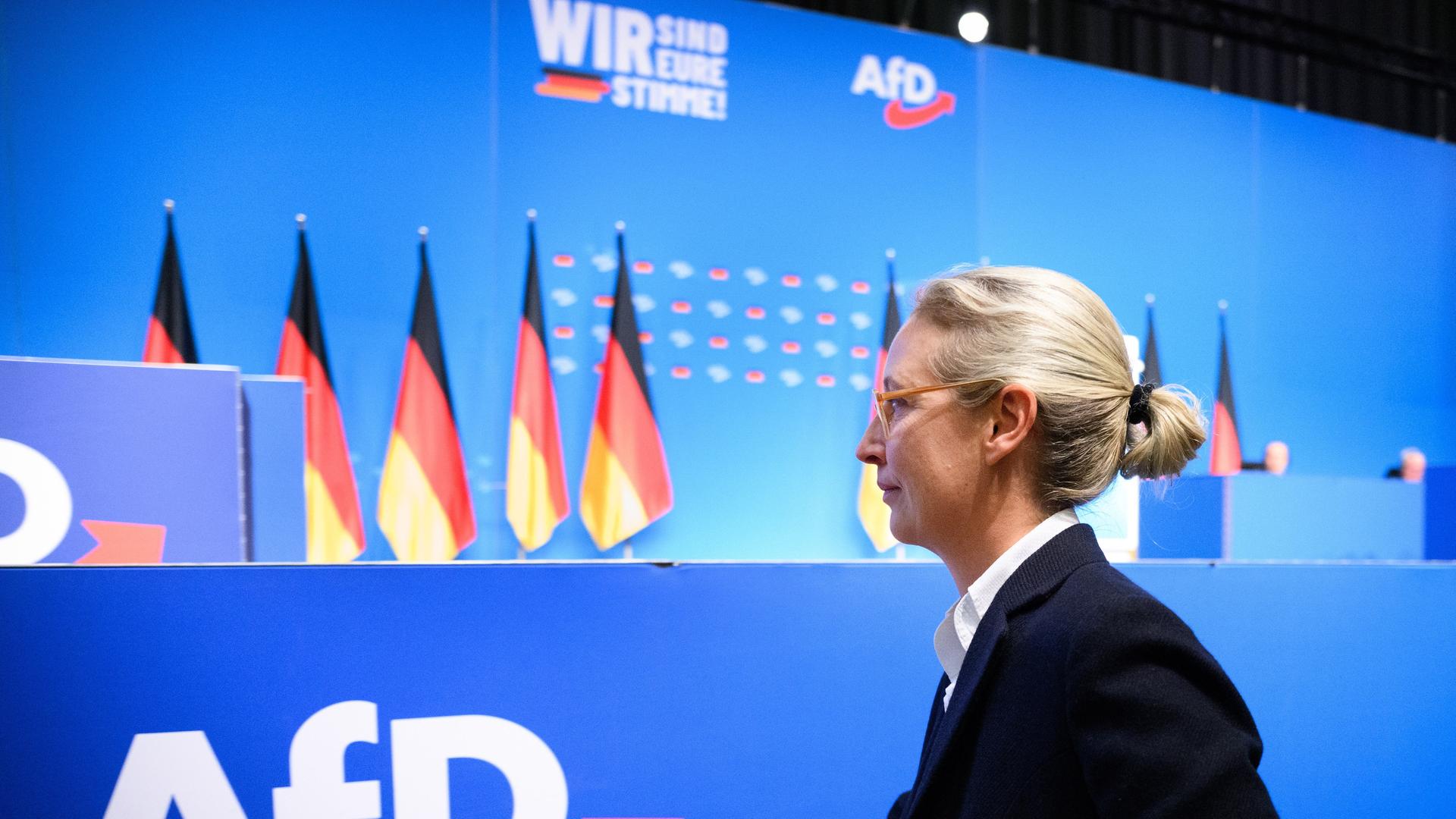
Although two entirely different parties emerged victorious in two elections held in Germany at the weekend, the common denominator was that Alternative for Germany (AfD) eroded the Christian Democrats (CDU).
In the Mecklenburg-Western Pomerania election in particular, the surprise was not that the AfD finished as the leading party with 38.2%, but that the CDU fell below the electoral threshold for the first time in the history of the Federal Republic.
In the Berlin election, when compared with the 2023 vote, the AfD drew most of its support from non-voters (65,000) and CDU voters (56,000).
Following the elections in Mecklenburg-Western Pomerania and Berlin, AfD co-leader Alice Weidel reiterated her forecast that the CDU will not win any federal elections in the future.
According to Weidel, voters are no longer “swallowing the platform of an obsolete people’s party.”
Noting that the AfD did not find it regrettable that the Christian Democrats would no longer be represented in the Schwerin state parliament, Weidel cited as the reason that “the CDU had already rejected all forms of cooperation.”
Speaking of “excellent results” at a federal press conference held after the elections, Weidel argued that it was becoming increasingly clear that the AfD would replace the CDU as a people’s party (Volkspartei).
She remarked that the CDU’s “foolish firewall policy” was responsible for the strong performance of the Left Party in Berlin, thereby enabling red-red-green (Left-Greens-SPD) coalition majorities.
Weidel offered “talks” to Federal Chancellor Friedrich Merz and stated that the AfD was prepared to end the “stagnation” in the state.
Calling on Merz to ensure that the CDU/CSU drew lessons from the election results, Weidel said, “If the CDU barely clears the 5% threshold in Mecklenburg-Western Pomerania and receives very weak results, then the Chancellor must draw the consequences.”
Criticising the government, the AfD leader also said that major reforms had “only been announced” for a year and a half, adding, “One should not just announce them; one must actually implement them.”
Meanwhile, despite the AfD’s electoral victory in Mecklenburg-Western Pomerania, where it outstripped the SPD, the AfD’s lead candidate Leif-Erik Holm is “not very hopeful” about being able to form a government.
Holm said they would offer talks to all other parties in the state parliament, but that he did not expect to come to power on his own.
Announcing that the AfD would nevertheless lay claim to the state parliamentary presidency because the party holds approximately 45% of the seats in the legislature, Holm also indicated that a Covid-19 investigative committee would be established.
Speaking to NDR Info, the AfD politician said, “I believe we could come to power. However, at present, it does not look as though that will be the case.”
Holm noted that it currently appeared as though a red-red-green majority would emerge, adding, “This is certainly not a good direction for our country to take.”
Holm reaffirmed his party’s claim to power. Stating that the electorate had handed this mandate to the AfD by a large majority, he said, “For this reason, we expect from the other parties that we are able to engage in dialogue with one another.”
Indicating that he wanted to conduct these talks alongside the AfD’s lead candidate Enrico Schult, Holm was defeated by Minister-President Manuela Schwesig (SPD) in the direct mandate race in Schwerin and will not enter the state parliament.
In the event that the AfD fails to join a coalition as expected, Holm plans to remain a member of the Bundestag.
Kristin Brinker, the AfD’s lead candidate in Berlin, said that the “firewall” was no longer between the Berlin CDU and the AfD, but within the CDU itself, asserting that the AfD was “the only party winning support from the conservative wing.”
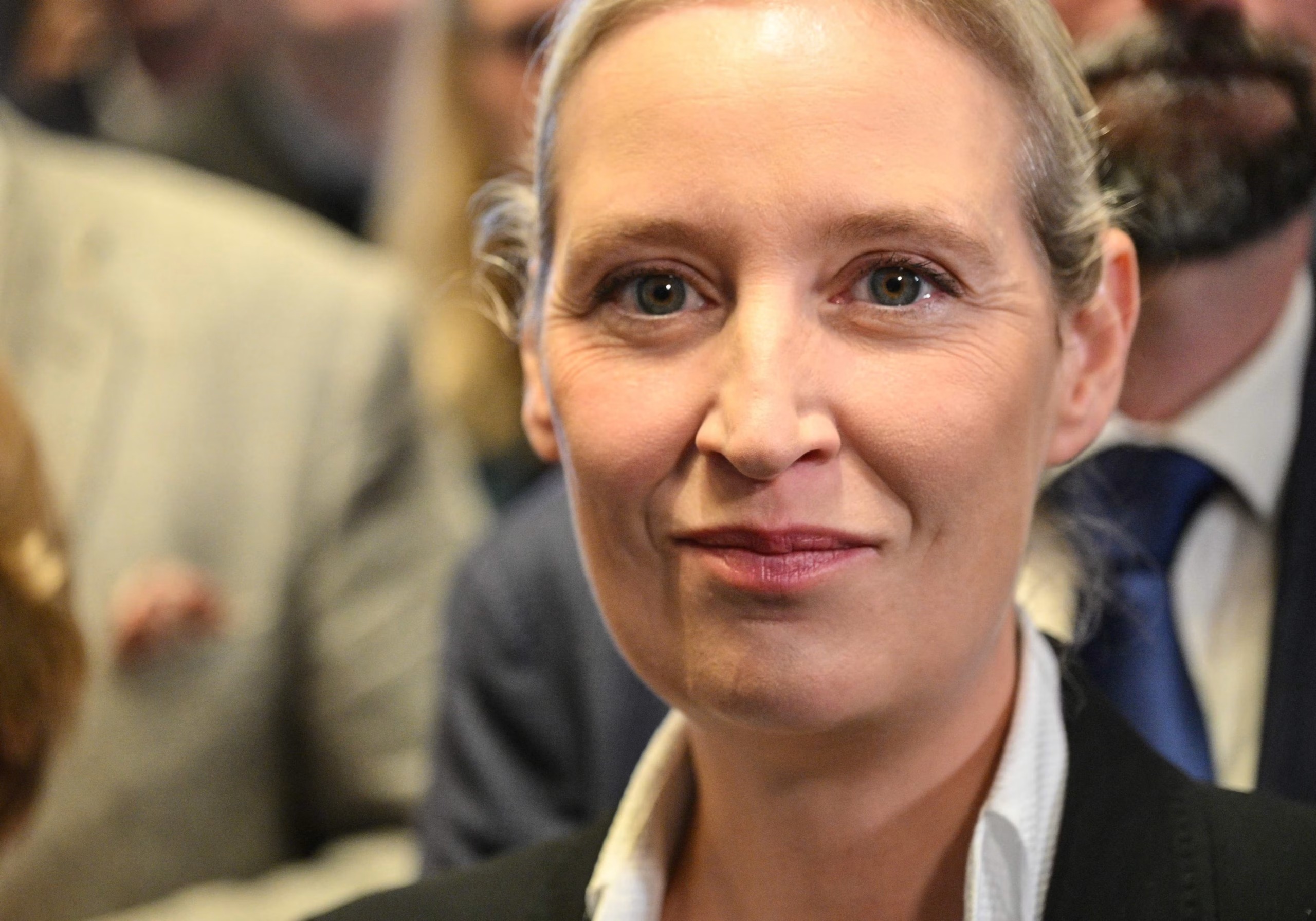
Alternative for Germany (AfD) leader Alice Weidel has claimed that Die Linke (the Left Party) will “shoot the rich and expropriate capitalists”.
Appearing live on ZDF television on Sunday, when elections were held in Berlin and Mecklenburg-Western Pomerania, the AfD leader spoke about the Berlin vote.
Weidel argued that the Left Party had become the strongest element in Berlin “because of the CDU’s ‘firewall’ policy”.
Weidel then asserted that the Left Party wanted “to expropriate, to shoot the rich, to pressure capitalists through rent caps; in other words, to implement elements of planned socialism”.
ZDF presenter Shakuntala Banerjee appeared taken aback and, stating that this claim needed to be “verified”, asked: “‘Wants to shoot the rich’?”
In fact, Weidel appears to be pointing to the words of Berlin member Sandra L. at an event organised by the Left Party in 2020. At the time, a video containing her remarks circulated online.
The incident occurred at a party strategy conference held in Kassel. While the debate was actually on energy policy, the Left Party member said: “The energy transition is necessary even after the revolution. And even if we shoot the top 1% of the rich, we will still want to heat our homes.”
The Left Party’s then co-chair Bernd Riexinger, who was present at the time, made a joke about forced labour and replied: “I just wanted to add: we won’t shoot them; we will make them do useful work.”
Sandra L. later retracted her words in a statement to dpa, saying: “This completely contradicts my political views; I am disgusted by violence against people.”
Riexinger also later expressed regret for not rejecting the comment “immediately and categorically”.
No election manifesto of the Left Party contains a call for the “execution” of the rich or the super-rich. The party states that it is committed to the rule of law and the “free democratic basic order”.

Palestinian factions confront legitimacy crisis at Istanbul talks

The strait changes hands: How the Red Sea design collapsed into Iran’s favour

Sharaa says 7 October must not shape Israel policy on Syria

European intelligence chiefs divide over risk of Russian attack

AfD weakens CDU across state elections as Weidel offers Merz talks
-
 America1 week ago
Milanovic declares global neoliberalism dead, warns of plutocracy
-

 America2 weeks ago
Over half of Latino voters back Democrats in key US House races
-

 Asia2 weeks ago
Iran and China run secret barter network to bypass oil sanctions
-

 America2 weeks ago
Trump energy shares rose by up to $4.4m during Iran war, CNBC reports
-

 America1 week ago
Five minutes to doomsday – 4: American capitalism at the frontiers
-

 Asia1 week ago
DeepSeek engineer warns AI will lead to communism or Cyberpunk
-

 America1 week ago
Big Tech profits from AI extinction hype, Ken Klippenstein says
-

 America2 weeks ago
Researcher quits Anthropic and warns AI firms gamble with lives
