
Diplomacy
East-West Forum in Istanbul highlights irreversible shift to multipolarity

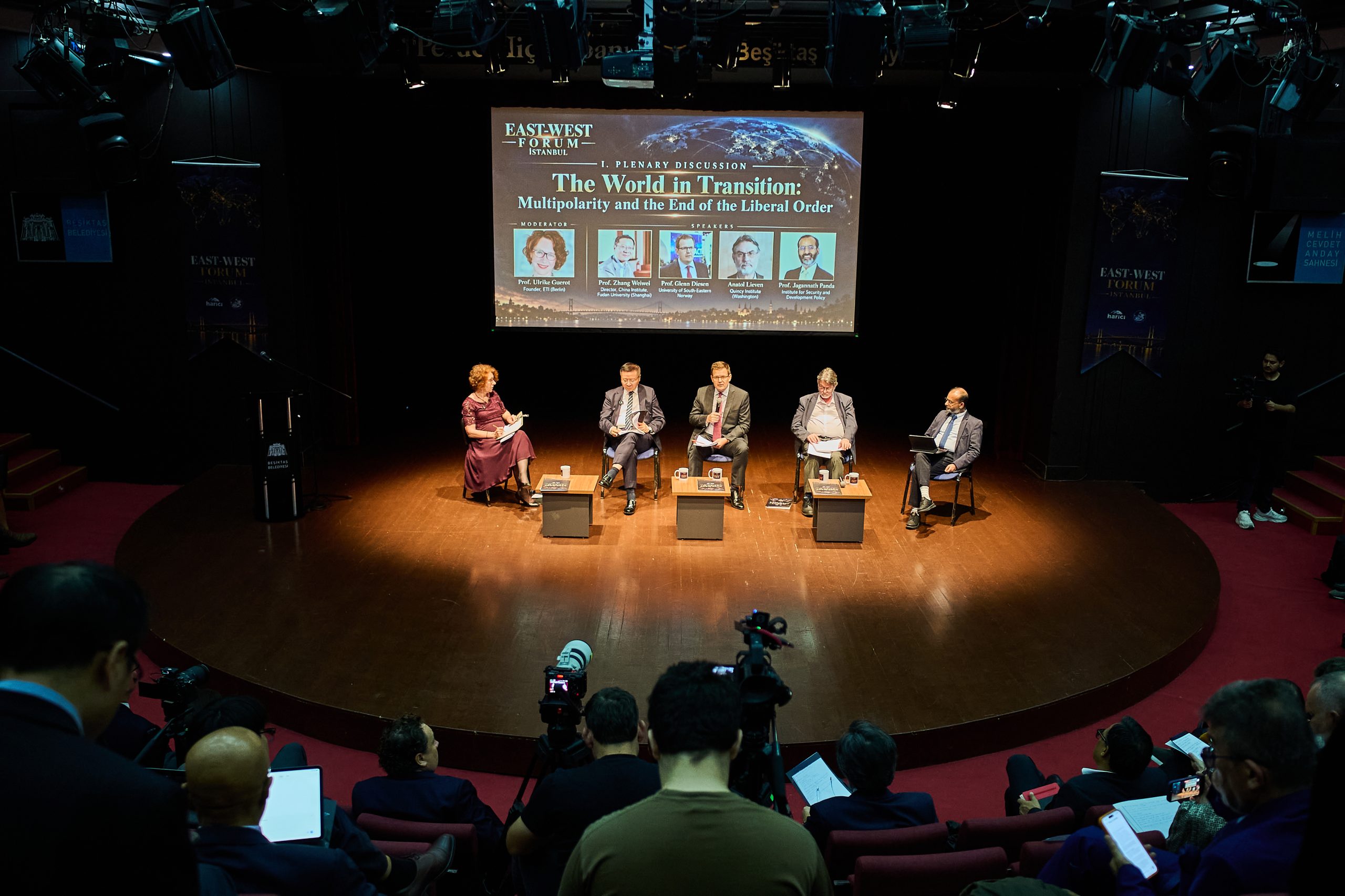
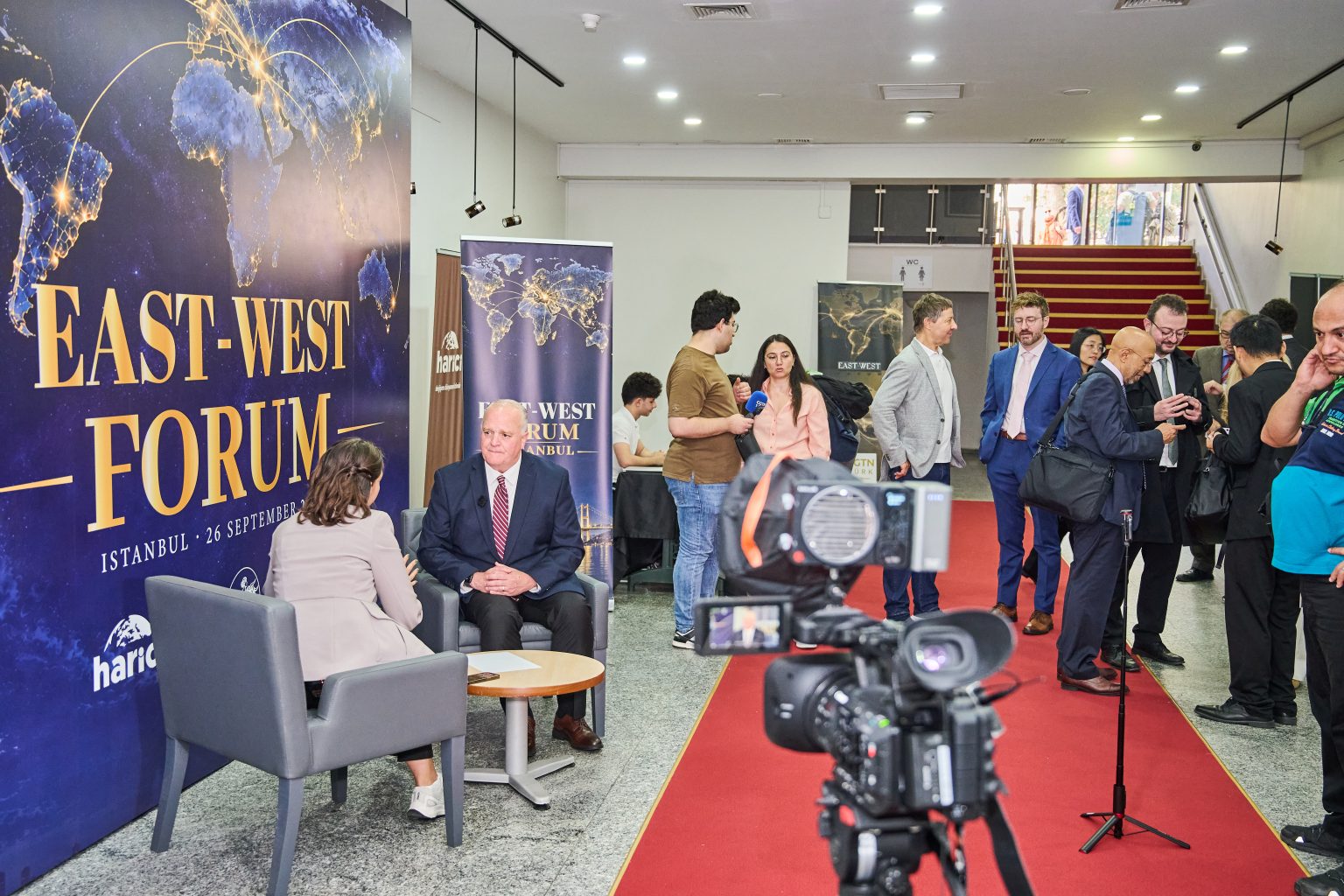
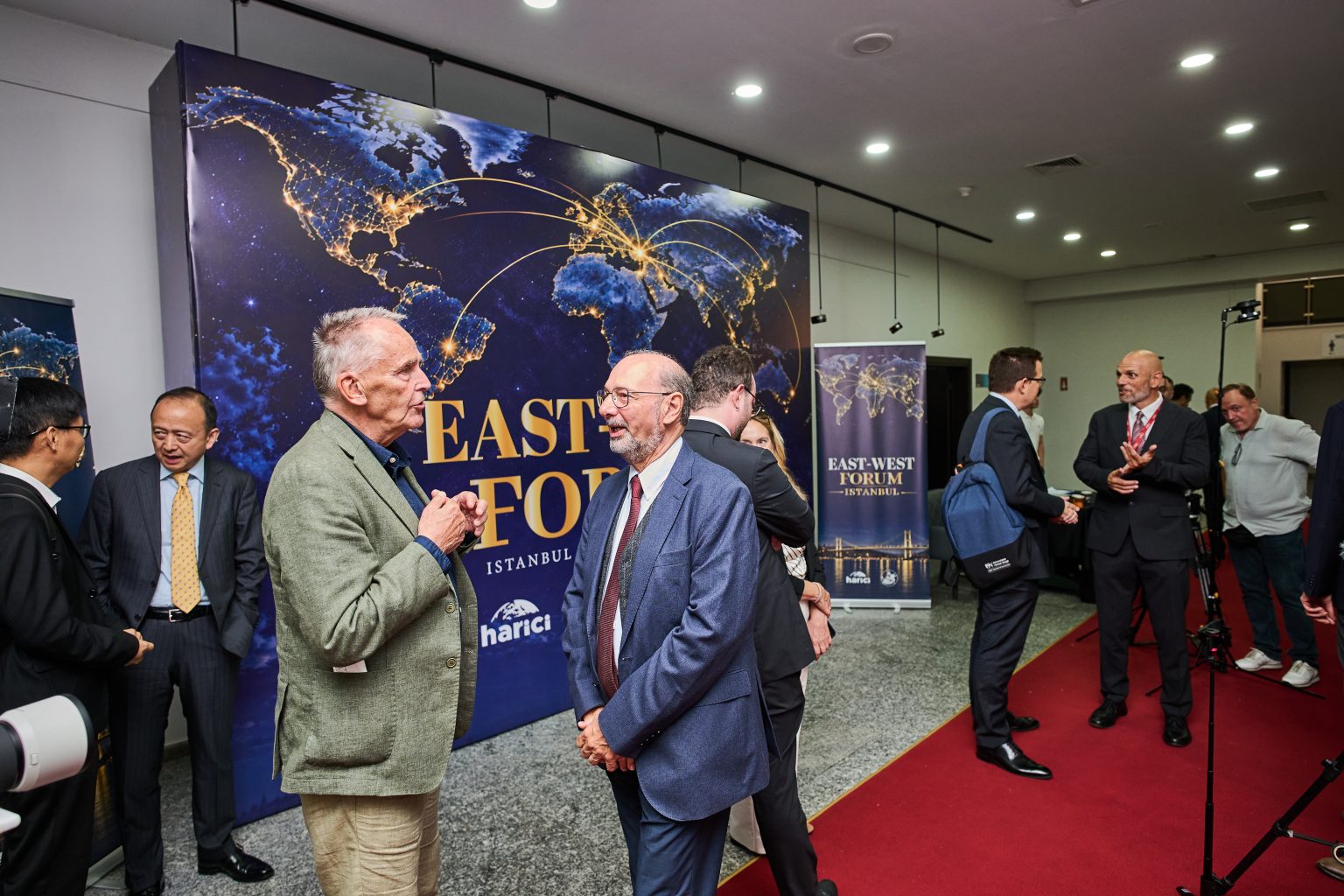
As the centre of gravity in world politics shifts, Istanbul has become a focal meeting point for debates on the emerging global order. Leading diplomats, academics, security experts, and former military officials from a wide geography extending from Washington to Beijing, Moscow to Tehran, Berlin to Cairo, and New Delhi to Rome gathered at the East-West Forum. Bringing together participants from 30 countries, the core message of the forum was clear: the Western-centric unipolar order is unravelling, and multipolarity has turned into an irreversible reality.
Held on 26 September at the Akatlar Cultural Centre, the East-West Forum, hosted by Harici Media in cooperation with the Berlin-based European Transcontinental Initiative (ETI), brought together prominent figures from different continents and across a wide range of political traditions in Istanbul. Attendees from Europe, Asia, the Middle East, and North America debated the historic shift in the global balance of power, the changing character of warfare, and the new security architecture over two days.
The predominant assessment at the forum, which featured experts from 30 countries, was that the world is rapidly moving away from the Western-centric order established after the Cold War, and that new power centres have become permanent fixtures of the global system. Participants stressed that proxy wars have lowered the threshold for direct conflict between great powers, that the risk of nuclear escalation has returned to the centre of global politics, and that artificial intelligence-enabled warfare technologies are blurring the boundaries of armed conflict.
Consequently, the East-West Forum emerged not merely as a conference discussing current crises, but with the ambition of serving as a new international platform where different centres directly shape the principles and balances of power underpinning the changing world order.
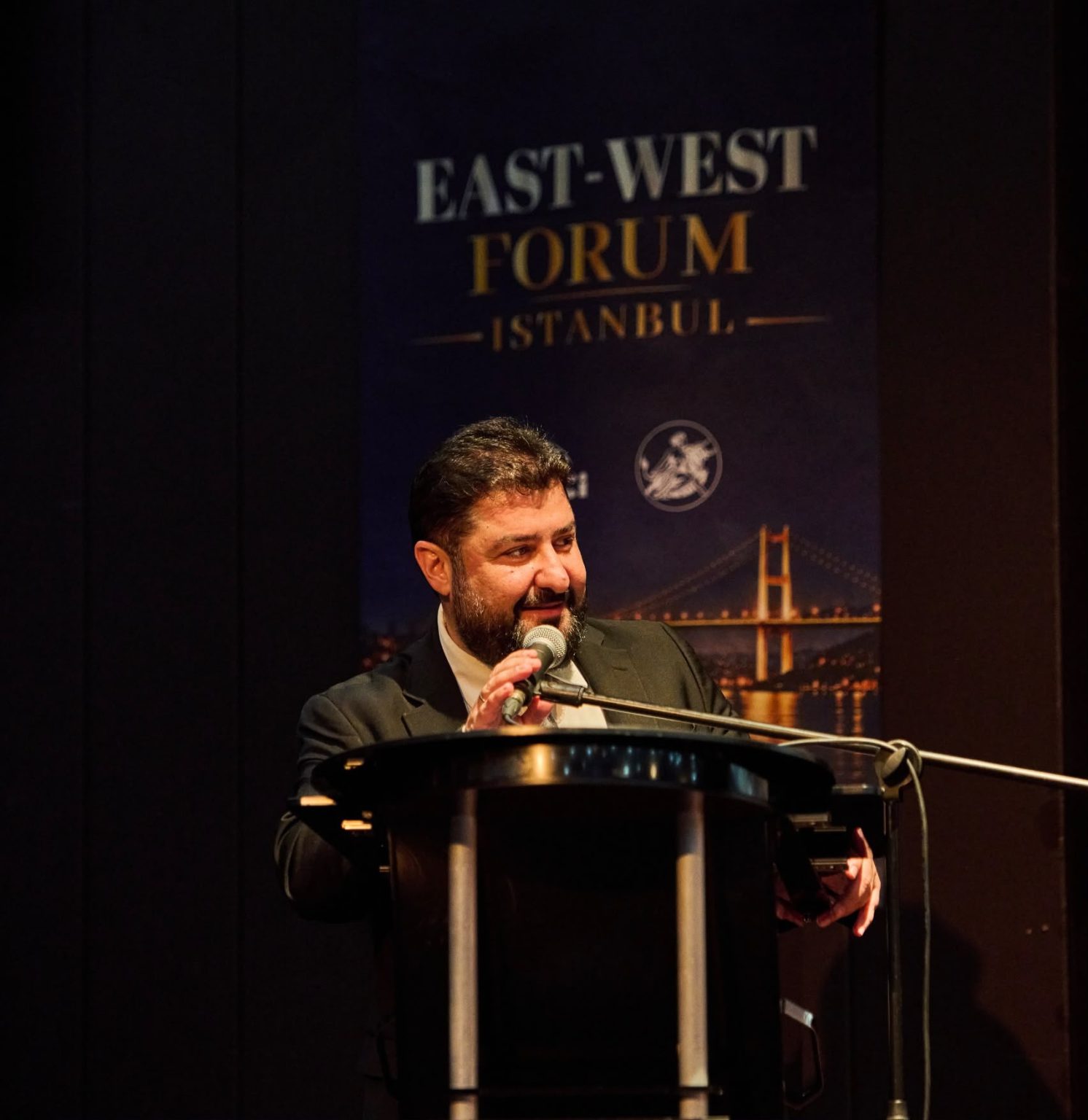
Opening the conference, Harici Media Editor-in-Chief Tunc Akkoc said the forum aims to bring disparate political and intellectual traditions together on a foundation of permanent dialogue.
“Today, together, we are making a new start,” Akkoc said. “We are establishing a platform where individuals with diverse perspectives can meet and converse. We hope this inaugural gathering evolves into a tradition that grows stronger with every passing year.”
Guerot: Crisis on continent stems from unaccepted weakness
Delivering the opening address on behalf of the European Transcontinental Initiative (ETI), of which she is a co-founder, Prof. Dr. Ulrike Guerot emphasised that the global critical community must raise its voice at a juncture when the world stands on the brink of a third world war.
Invoking Immanuel Kant’s thesis on “Perpetual Peace” and the principle that “all human beings are born free and equal,” enshrined in the 1789 Declaration of the Rights of Man and the United Nations Charter, Guerot stated that what is lacking in the 21st century is not resources or energy, but diplomacy, wisdom, political will, and love.
Contending that the social and peaceful European ideals of the Jacques Delors, Francois Mitterrand, and Helmut Kohl era have been distorted today, Guerot noted that she voices the sentiments of Europe’s silent majority, who do not want war with Russia and reject being sacrificed to US geostrategic interests.
Guerot, a German national, recalled the attack on the Nord Stream gas pipelines, observing that the German public feels deep unease after its critical infrastructure was destroyed by a former ally while its own government remained silent.
Referencing the French poet Raymond Queneau, Guerot encapsulated the nihilism into which Europe has fallen:
“Europe is dangerous; yet it is dangerous not because of its strength, but because of a weakness it refuses to accept. It prefers to escalate war rather than confront its own political failure and guilt. As the European Transcontinental Initiative, we have two foundational mottos: a Europe beyond the European Union, and a Europe for a multipolar world. In this balance, Turkiye plays a pivotal role.”
Following her opening address, Guerot announced that the forum will convene regularly in Istanbul during the third week of September each year.
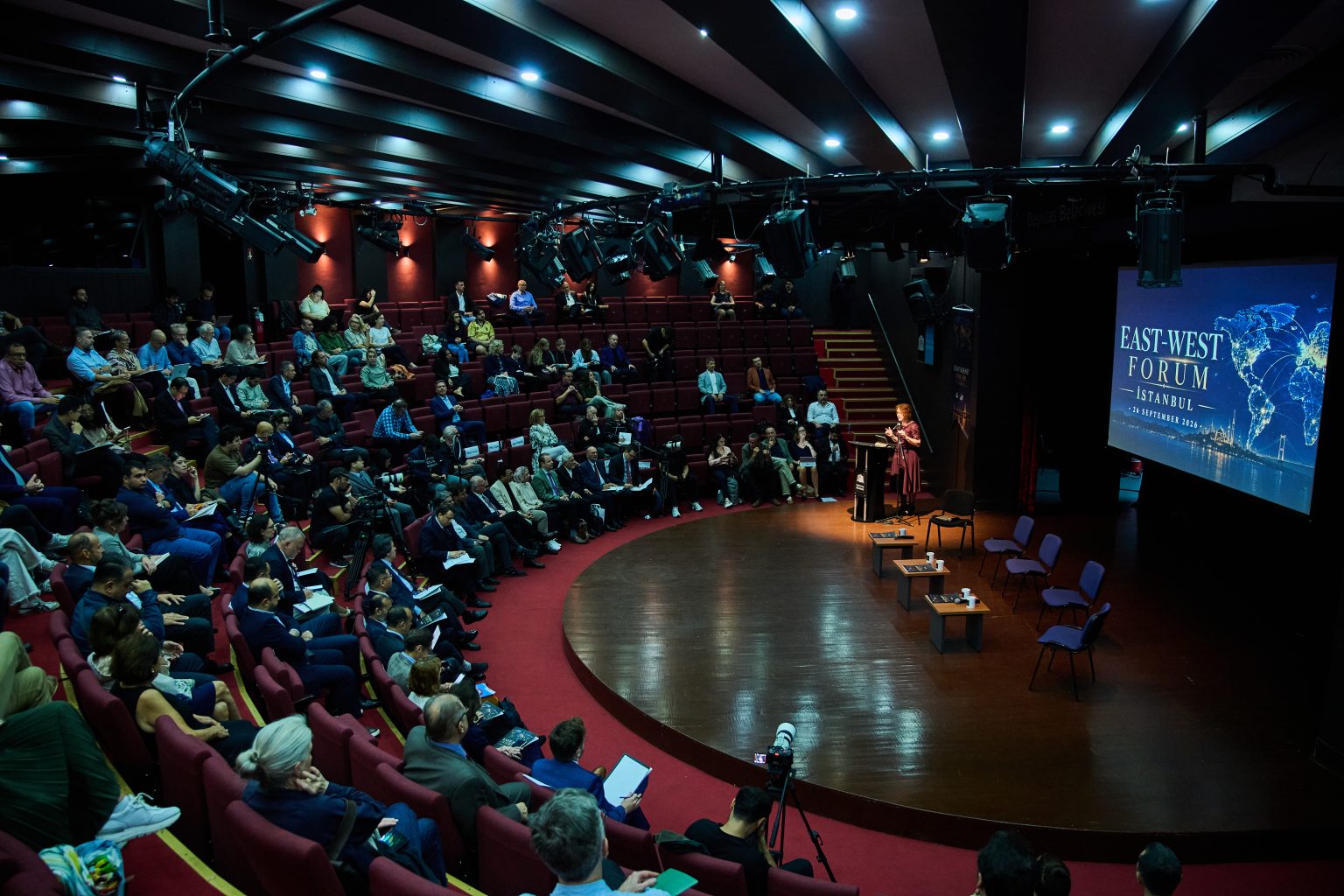
Following a address of thanks by Tunc Akkoc, the forum proceeded to its first plenary session, titled “The Transforming World: Multipolarity and the End of the Liberal Order.” Serving as moderator, Guerot opened the panel with a quotation from the newly published book “The End of the Liberal Order” by US academic Prof. Pilkington.
Guerot presented the following observation for discussion among the participants:
“Today, liberalism as an ideology is interpreted along American lines. That is, it is essentially defined through a specific variant of liberalism constructed over time in the US and developed particularly through that country’s ascendance in the post-Second World War era.”
Zhang: Five centuries of Western dominance have ended
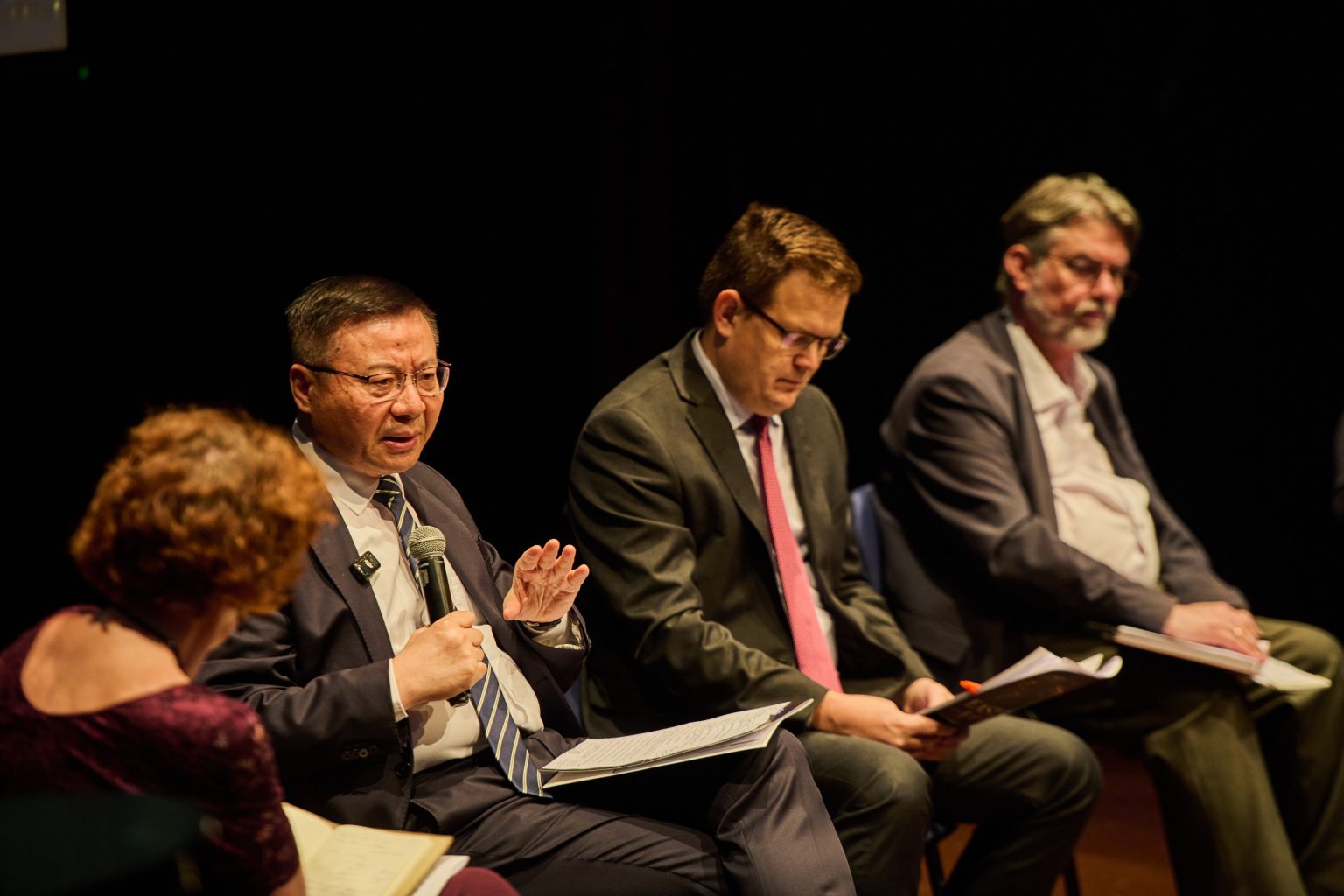
Prof. Zhang Weiwei, Director of the China Institute at Fudan University and former interpreter to China’s historic leader Deng Xiaoping, asserted that the multipolar structure has been confirmed by economic data.
Noting that the aggregate economic size of the BRICS nations in gross domestic product based on purchasing power parity has surpassed that of the G7 nations, Zhang emphasised that this indicator proves the conclusion of five hundred years of Western dominance.
“In our intellectual framework, an actor is either a friend or a potential friend,” Zhang said. “The Western dichotomy of ‘you are either a friend or a foe,’ which drives the world toward catastrophe, has no place in our worldview. Chinese diplomacy shuns military coercion; it takes harmony over hegemony and equality over imposition as its basis.”
Diesen: By ceding sovereignty, Europe became a logistics base
Prof. Dr. Glenn Diesen of the University of South-Eastern Norway said that the undivided Pan-European security architecture promised by the 1990 Charter of Paris was deliberately sacrificed for the sake of NATO’s eastward expansion. Stating that this policy excluding Russia dragged the continent into a spiral of conflict, Diesen noted that the principle of the indivisibility of security was disregarded.
Observing that European capitals surrendered their strategic responsibilities to Washington, Diesen assessed: “This approach, which destroyed its own energy pipelines, endorsed sanctions that crippled its industry, and rejected diplomacy, ceased to make Europe a global actor and turned it into a transatlantic logistics base.”
Lieven: Rules-based order is a veil for US hegemony
Anatol Lieven, Director of the Eurasia Programme at the Quincy Institute for Responsible Statecraft, said the phrase “rules-based international order,” constantly repeated by Western governments, serves as a diplomatic veil concealing US hegemony. Lieven stated that the rules are set by Washington itself and breached by Washington whenever its interests dictate, adding that this arbitrariness erodes sovereign equality.
Prof. Jagannath Panda, Head of the Stockholm Centre for South Asian and Indo-Pacific Affairs, explained that the rise of Asian powers has shaken the representative legitimacy of the United Nations Security Council.
Noting that the exclusion of a power like India, with a population exceeding 1.5 billion, from permanent decision-making processes undermines the legitimacy of the entire system, Panda remarked that New Delhi retains its strategic autonomy and that Asian nations possess the diplomatic maturity to resolve their border disputes through direct negotiations.
Unal: Independent actors like Ankara are safety valves
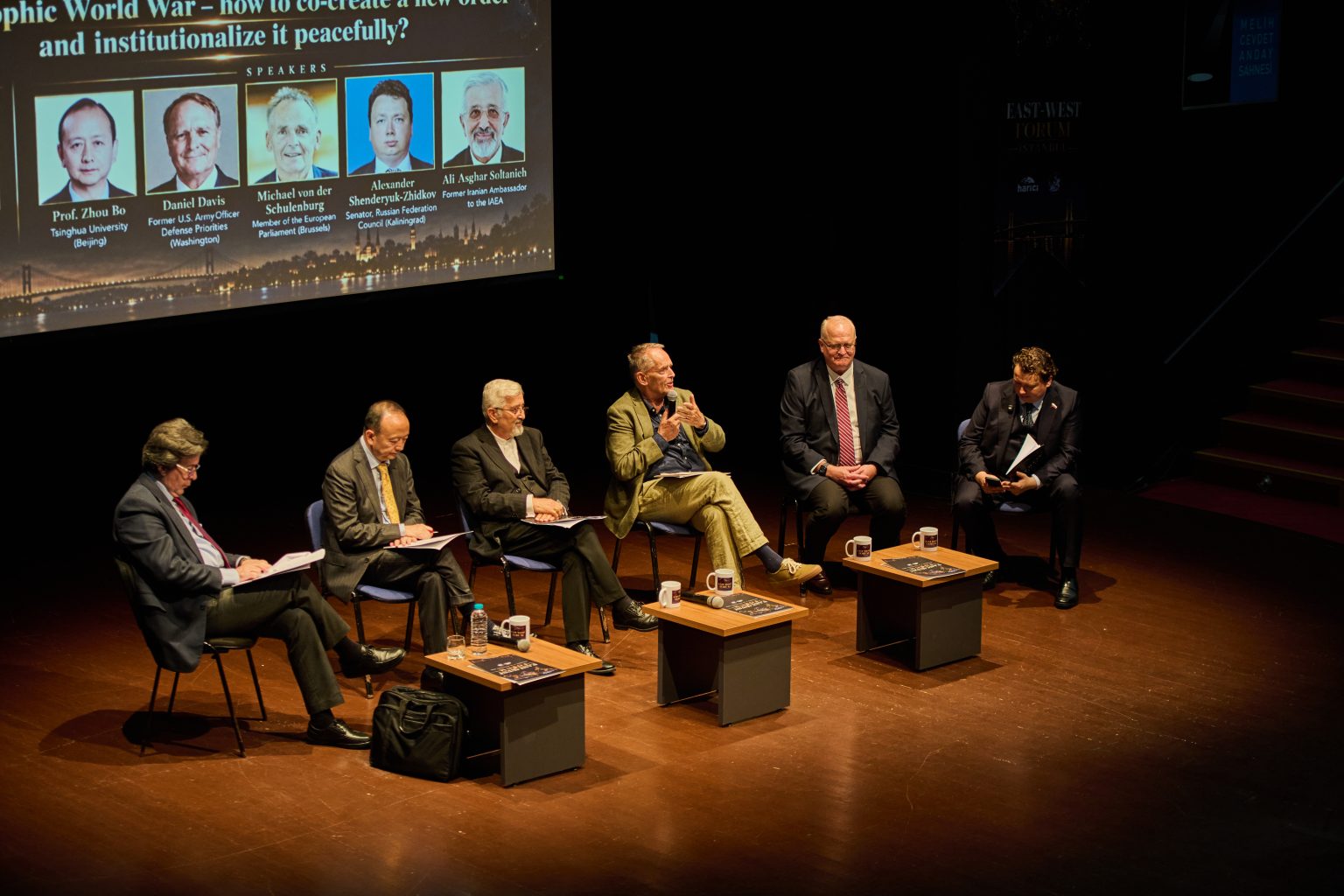
Moderating the forum’s second session, titled “Escalation Out of Control: Preventing a Catastrophic World War, Peacefully Institutionalising a New Order Together,” Baskent University faculty member and Director of the Centre for New World Studies Prof. Dr. Hasan Unal stressed that the liquidation of diplomacy has brought global peace to a perilous threshold.
Stating that the polarisation between the West, the Global South, and BRICS has created uncontrolled escalation, Unal said middle powers like Turkiye play a vital role in maintaining equilibrium at a time when arms control treaties have lapsed and artificial intelligence-enabled systems are being deployed.
AI algorithms accelerate the risk of nuclear confrontation
Zhou Bo, Senior Fellow at the Centre for International Security and Strategy at Tsinghua University and a retired colonel, stated that unmanned systems and artificial intelligence algorithms have reduced decision-making windows to seconds, driving the risk of military miscalculation to a maximum and lowering the nuclear threshold.
Zhou said major powers must immediately agree on rules governing modern military technologies, warning that failure to do so will result in a dystopian catastrophe.
Retired US Army Lieutenant Colonel and Defence Priorities fellow Daniel Davis stated that the security bureaucracy in Washington has succumbed to the fallacy of viewing military power as the sole solution to every problem.
Davis noted that proxy wars stretching from Ukraine to the Middle East have brought nuclear powers close to direct confrontation, pointing out that a dynamic similar to the blind diplomatic deadlock preceding the First World War is unfolding.
Davis emphasised that the US defence industry expands its budget by continuously manufacturing new enemies, that unrestrained interventionism harms the American public, and that there must be a return to the sovereign boundaries set by the UN Charter.
European Parliament Member and former United Nations Assistant Secretary-General Michael von der Schulenburg said the European Union is being drawn into a dangerous trap of military escalation, with voices advocating peace negotiations being marginalised.
Stating that the Brussels bureaucracy is militarising the continent while ignoring the popular will, Schulenburg remarked that the principles of the UN Charter must be reinforced to serve as the main pillar of a multipolar world.
Shenderyuk-Zhidkov: Sanctions turned Russia towards the East
Alexander Shenderyuk-Zhidkov, representative of the Kaliningrad Region in the Russian Federation Council and First Deputy Chairman of the Committee on Budget and Financial Markets, stated that attempts to isolate Russia from the global economy have failed, with trade routes and financial payment channels redirecting toward Asia and the Global South.
Ali Asghar Soltanieh, former representative to the International Atomic Energy Agency and President of the Vienna International International Institute for Middle East Studies, emphasised that foreign military bases in the Middle East represent the primary source of instability. Stating that regional security cannot be constructed via foreign intervention, Soltanieh noted that on the foundation of diplomatic dialogue between Tehran and Riyadh, infrastructure projects such as a Mecca Joint Defence Agreement and shared water desalination facilities could be realised.
Roger Koeppel, publisher of the Swiss magazine Die Weltwoche and a former parliamentarian, criticised Switzerland’s participation in unilateral sanctions as detrimental to its historic neutrality, arguing that peace can be safeguarded through neutral mediation mechanisms rather than arms shipments.
Europe severed from its philosophical roots and sovereignty
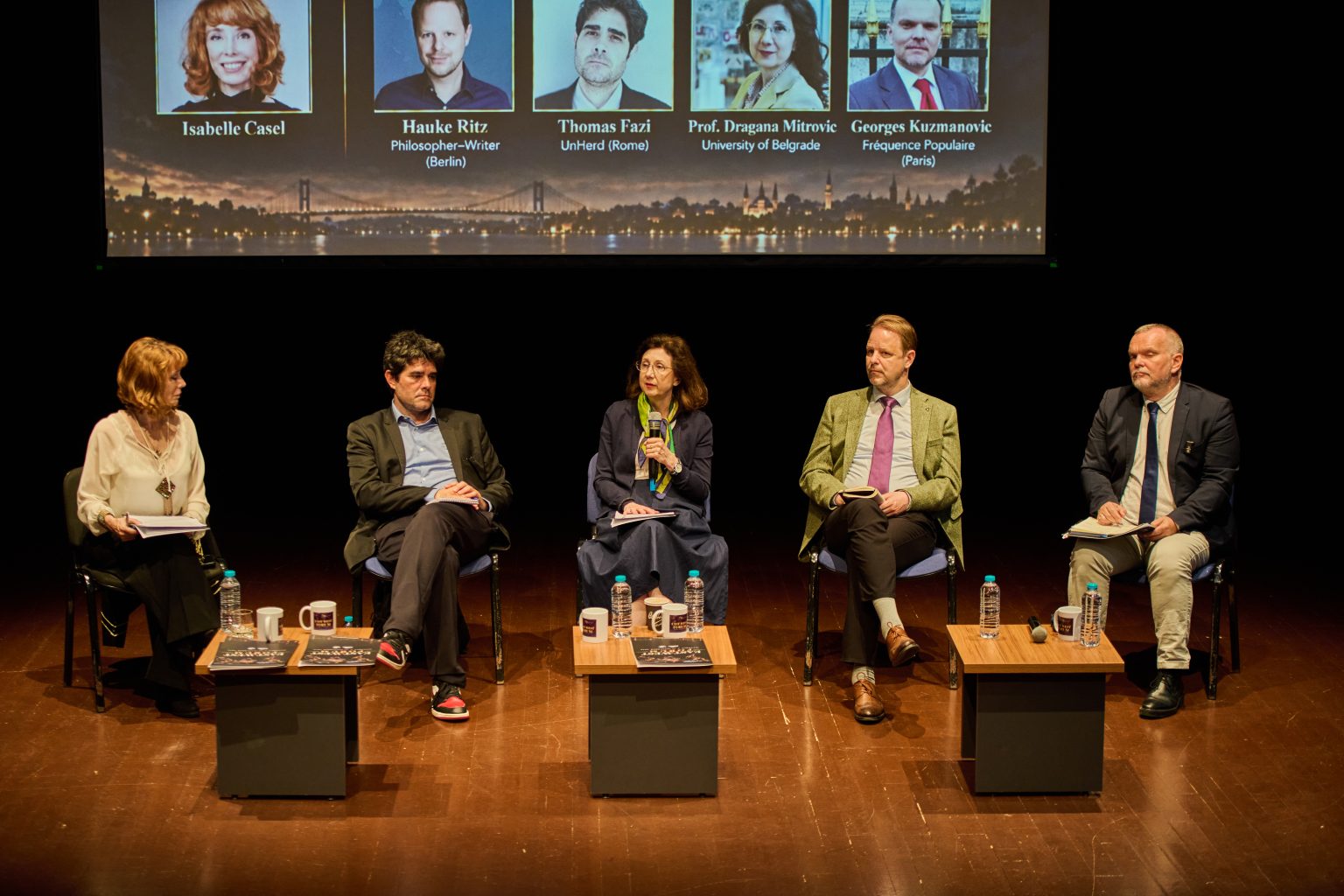
Researcher Isabelle Casel moderated the third session, titled “Europe Beyond the EU and Its Philosophical Foundations: Atlanticism, Eurasia and Strategic Autonomy.” Philosopher of history Dr. Hauke Ritz said European civilisation has drifted from the ideals of humanism and the Enlightenment, surrendering to the absolute dominance of markets and technology.
Ritz noted that uncontrolled artificial intelligence and genetic engineering can be curbed only if Eastern wisdom converges with European humanism.
Economist Thomas Fazi argued that the European Union has dismantled the mixed-economy model based on the welfare state to serve capital dominance, with institutions centred in Brussels and Frankfurt transforming into oligarchic mechanisms that override democratic will.
Fazi stated that genuine strategic autonomy will become possible only when the state reclaims its economic sovereignty.
Prof. Dr. Dragana Mitrovic of the University of Belgrade emphasised that East Asia has become the focal point of global manufacturing and trade, with China’s Belt and Road Initiative linking to Europe via the Balkans, underscoring that Brussels must dismantle ideological barriers.
French analyst Georges Kuzmanovic said France has drifted from its Gaullist tradition of independence, becoming entirely reliant on US logistics in the defence domain.
He stated that Europe, having surrendered its data and communications infrastructure to US tech corporations, cannot make autonomous decisions without establishing digital sovereignty. Discussant Walter Komarek added that Eurasian energy pipelines and railway networks represent tangible guarantees of peace.
Shehada: Gaza heralds the rule-free warfare of the future
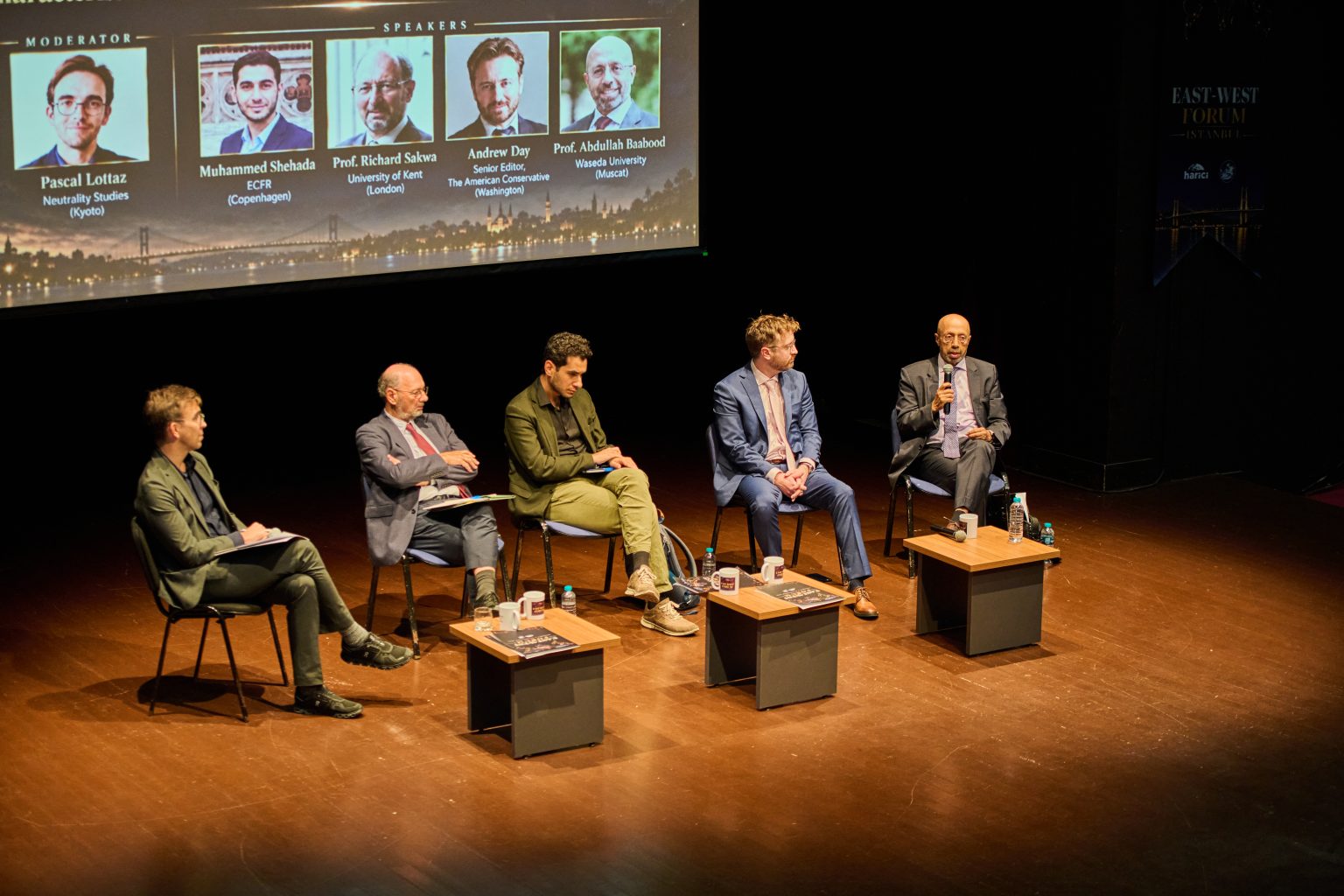
The final session of the forum, moderated by Dr. Pascal Lottaz, addressed regional proxy wars.
Gaza-born researcher and human rights advocate Muhammad Shehada stated that the destruction in the region exceeds the scope of a localised conflict, remarking: “The genocide in Gaza is not an isolated event. We serve as the canary in the coal mine, warning the entire world of who will come next and how future wars will be waged.”
Pointing out that artificial intelligence-driven targeting and surveillance systems in Gaza target the entire civilian population, Shehada said the Israeli military tracks cellular signals of young children to eliminate whole families.
Addressing double standards among Western governments, Shehada recalled a senior European official telling him: “In the morning we send food and bandages to the people of Gaza; in the afternoon we supply bombs to the Israelis to drop on civilian residential areas.”
Emeritus Professor Richard Sakwa of the University of Kent noted that contemporary crises stem from the unresolved contradictions of 1945, observing that the Second Cold War is far more dangerous because it lacks ideological clarity and rules.
Andrew Day, senior editor at The American Conservative, said the American public does not endorse the Washington elite’s endless military interventions, particularly war policies directed at Iran.
Prof. Abdullah Baabood, Chair at Waseda University, stated that Gulf nations can establish their own indigenous security framework without foreign intervention, adding that normalisation between Tehran and Riyadh constitutes a vital step toward that end.
East-West Forum adopts five core institutional resolutions
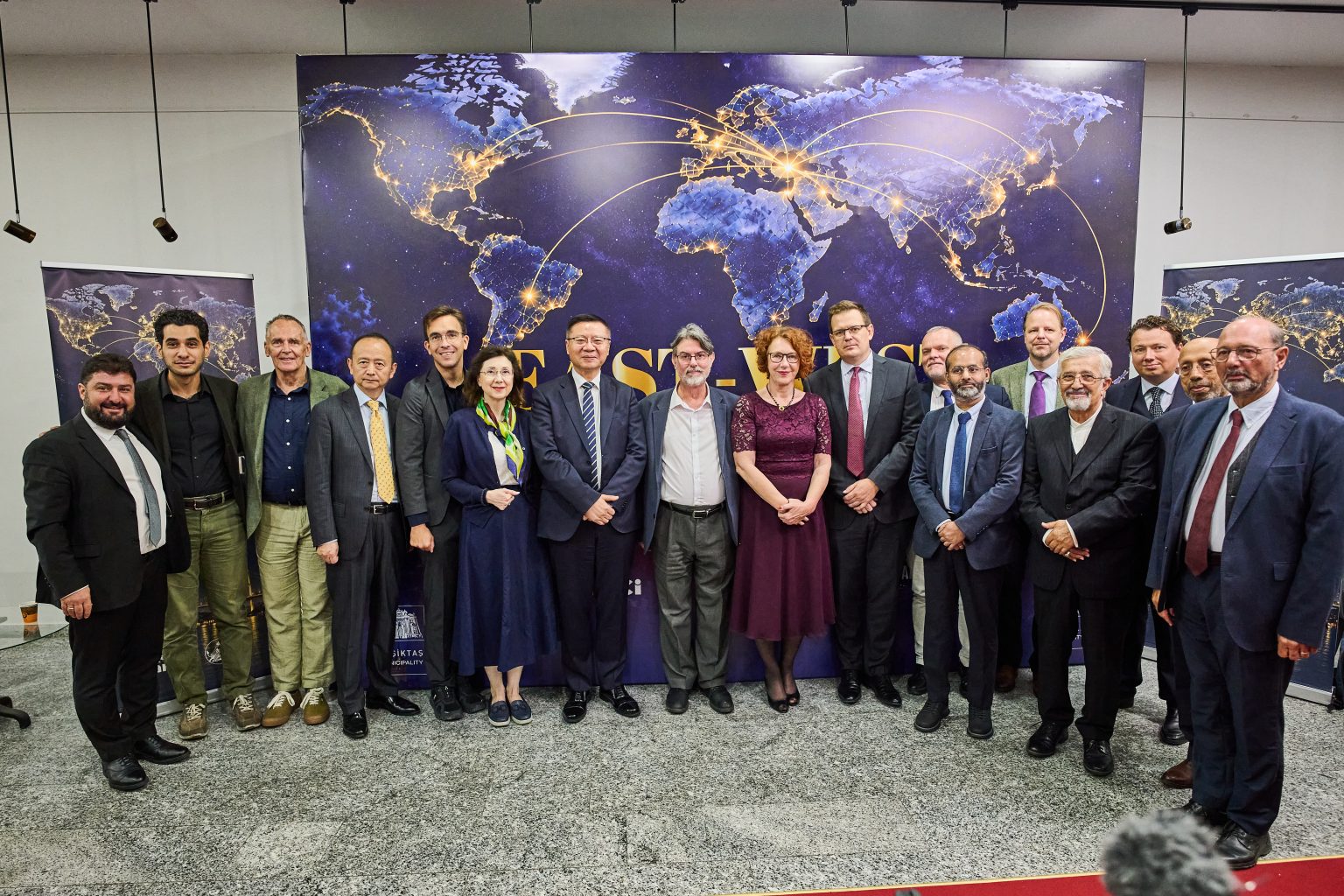
Following the conclusion of the forum, participants met at a working breakfast on the morning of 27 September and agreed to transform the initiative into a permanent international network. A five-point action plan was announced to the public:
First, the East-West Forum will convene regularly in Istanbul during the third week of September each year as a permanent council of ideas tracking and documenting the multipolar paradigm shift.
Second, conference proceedings and strategic reports will be compiled annually into books and distributed internationally under the leadership of Germany-based Westend Publishing House.
Third, specialised working groups convening on a quarterly basis will be established across the areas of security architecture, artificial intelligence governance, economic sovereignty, and diplomacy.
Fourth, the “EWF Network” will be launched, encompassing independent intellectuals, experts, and researchers who oppose unipolar approaches and military escalation.
Fifth, an “EWF Business Council” will be founded, bringing together productive sectors, economic actors, and independent commercial initiatives across the multipolar world.





British magazine The Economist reported that mobilization, conflict casualties, and pervasive uncertainty have left Ukraine confronting the threat of demographic collapse.
According to data cited by the magazine, Ukraine’s fertility rate has declined from 1.2 children per woman in 2020 to between 0.8 and 0.9.
This rate marks a lower level than that of any major nation except South Korea.
In the first half of 2026, the number of deaths in Ukraine surpassed the number of newborn babies threefold.
The report noted that ever since independence was gained in 1991, the number of births in the country has lagged behind the number of deaths every year.
The Economist emphasized that the demographic collapse driven by the ongoing fighting constitutes an “existential threat.”
The magazine identified mass refugee migration as the principal driver of the population loss.
More than 5 million Ukrainians reside abroad, predominantly in Europe.
The proportion of those wishing to return among those who left the country is also steadily shrinking.
According to data from the Centre for Economic Strategy (CES), the share of those seeking to return dropped from 74% in 2022 to 43%.
The fact that the majority of refugees consist of Ukrainian children and women under the age of 44 further aggravates the demographic picture.
The Kyiv government decided to exempt men under the age of 25 from mobilization to alleviate the demographic decline.
The magazine reported, however, that many young people have fled the country, while those who remain do not plan to start families.
Projections cited in the report indicate that even if hostilities cease in the coming years, Ukraine can, at best, expect merely a deceleration of depopulation.
Olga Duhnich, an expert at the Ukraine-based think tank Frontier Institute, stated that the generation born in the 1990s and 2000s is the least populous in Ukraine’s modern history, meaning the country cannot expect a post-conflict baby boom.
The United Nations (UN) projects that Ukraine’s population will decline by 0.7% to 0.9% each year over the next two decades.
Under this projection, Ukraine’s population will fall to approximately 25 million by 2040.
If hostilities drag on, people are expected to abandon plans to have children, deepening the crisis even further.
Beyond exempting men under 25 from mobilization, the Kyiv government is rolling out various support packages to boost birth rates.
Under legislation enacted in the country, parents who have children receive a direct payment of 50,000 hryvnias (around $1,100).
Parents are also paid 7,000 hryvnias each month during the first year.
Other state programmes subsidize childcare costs, while Ukrainian soldiers are granted free freezing of egg and sperm cells.
Ukrainian Minister of Social Policy Denis Ulyutin said in May to the Livyi Bereh media outlet that roughly 22 to 25 million people lived in government-controlled territories.
Ulyutin characterized the prevailing picture by saying: “This is a catastrophe.”
Ella Libanova, Director of the Institute for Demography and Quality of Life Research, estimated the population at 29 million during the same period.
Libanova attributed the steep fall from a population of 30 million in 2025 to high death rates and the demographic crisis.
In a statement in October, Libanova announced that Ukraine’s population had slipped to 28.5 million.
Institute Director Libanova said: “The population is already at 28.5 million; we lost half a million people. We lost them, but thankfully this was still caused by migration rather than casualties.”
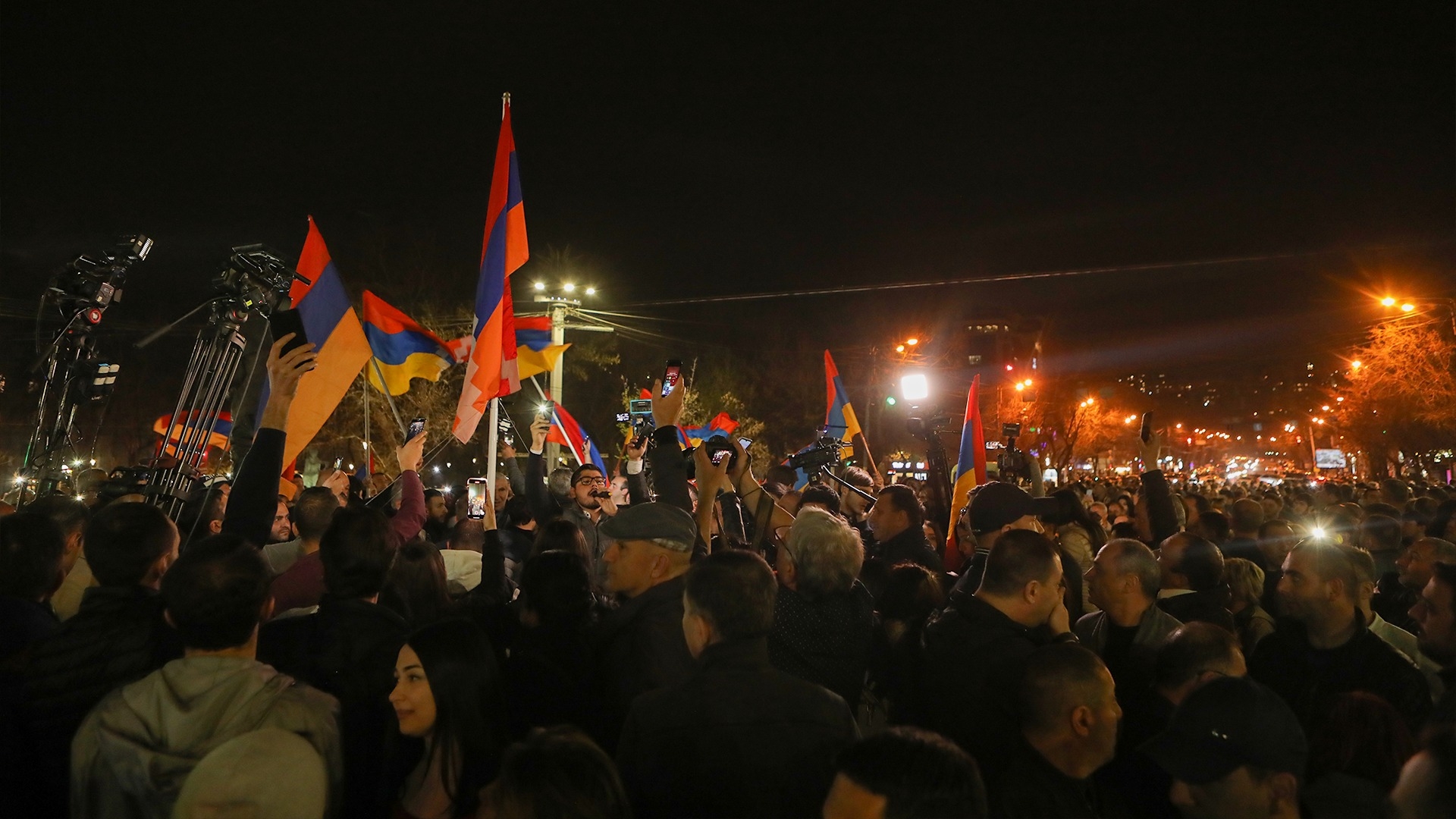
Narek Karapetyan, a lawmaker and head of the Strong Armenia faction in the Armenian parliament, has urged opposition parties to unite around four core principles set out in a joint declaration.
The key points of the declaration include resisting territorial concessions and blocking the adoption of a new constitution, which the opposition has termed the “Aliyev constitution”.
According to a report by Aysor.am, Narek Karapetyan stated that the opposition meeting was originally planned to be led by his uncle, businessman and Strong Armenia movement leader Samvel Karapetyan.
“We initiated the meeting, but the authorities took preemptive steps to prevent Samvel Karapetyan from launching the national unification process,” Narek Karapetyan said.
Noting that, despite these events, opposition representatives convened and signed a joint declaration based on four agreed articles, Narek Karapetyan invited other opposition forces and members of the public to join the alliance.
“We will not allow them to implement the Aliyev constitution in Armenia. We must unite,” Karapetyan said.
Ahead of these developments, Armenian National Security Service personnel detained Strong Armenia Party leader Samvel Karapetyan following a search of his home.
The party’s press secretary, Agavni Sukiasyan, announced that on the morning of the same day, the Investigative Committee of Armenia searched the homes of both Samvel Karapetyan and Narek Karapetyan.
In a report citing the Investigative Committee, Armenpress stated that Samvel Karapetyan was detained as part of a case involving allegations of causing large-scale financial damage to the Electric Networks of Armenia (ENA) company, embezzling entrusted property, and money laundering.
According to committee figures, the total damage inflicted on the company exceeds $179 million.
Narek Karapetyan’s home was also searched at the end of July as part of a criminal case.
On 22 July, Armenia’s Central Electoral Commission approved the Prosecutor General’s request to strip Narek Karapetyan of his parliamentary immunity, and Karapetyan was charged with large-scale money laundering.
According to information reported by Sputnik Armenia, the investigation is linked to charges brought against Strong Armenia supporter Aleksan Aleksanyan.
Investigative authorities allege that Aleksanyan received approximately $4.4 million and €230,000 from the Karapetyan-owned Tashir Foundation under the guise of gifts and loans.
Several criminal cases had previously been opened against Samvel Karapetyan.
In 2025, Karapetyan was charged with publicly calling for the violent seizure of power after backing the Armenian Apostolic Church, which had been criticized by Armenian Prime Minister Nikol Pashinyan.
In January, legal proceedings were also launched against Karapetyan on charges of large-scale tax evasion and money laundering.
Separately, in early July 2025, the Armenian parliament approved a bill enabling the nationalization of the Electric Networks of Armenia company.
In March, Armenia’s Constitutional Court ruled that the nationalization process in question complied with the law.
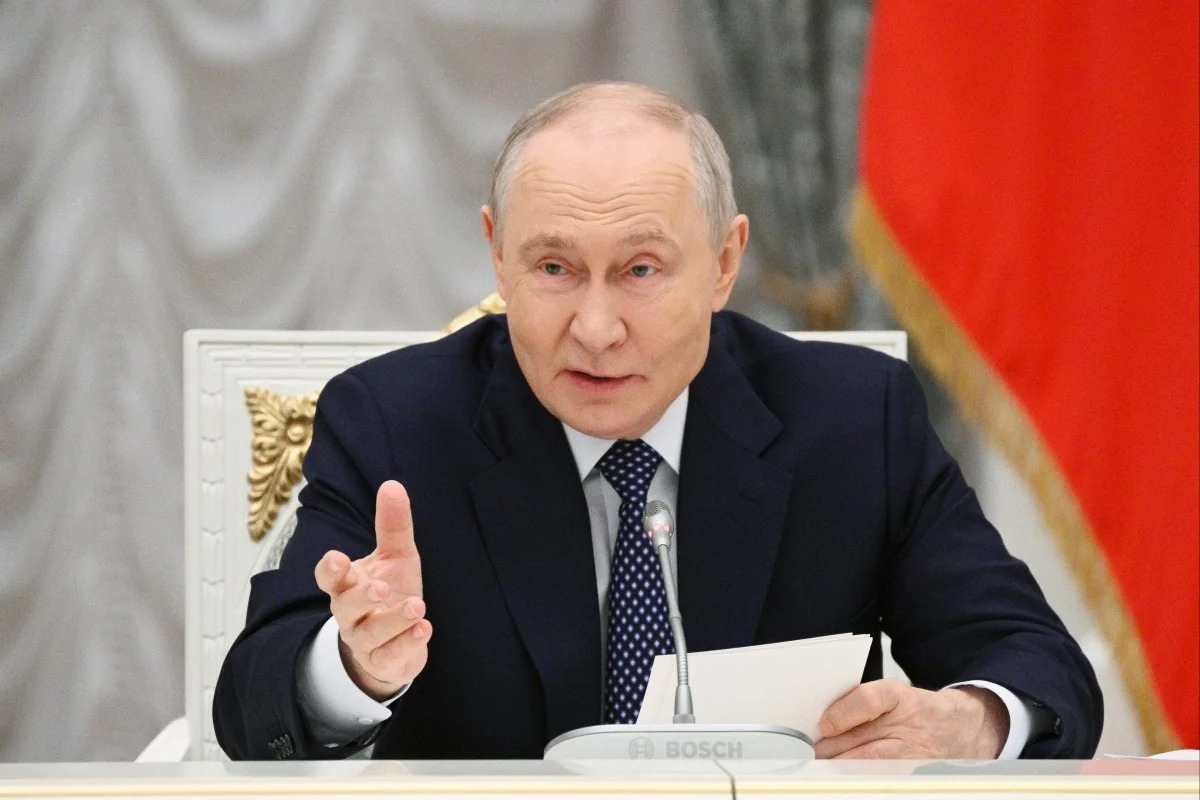
According to analysts, the use of the same standard track gauge as China on the new railway line demonstrates Moscow’s ‘pragmatic’ approach toward strengthening ties with Beijing.
Russian President Vladimir Putin has signed into law an agreement providing for the construction of a second standard-gauge railway line at a key border crossing with China. Moscow aims with this move to accelerate its eastward pivot and bolster relations with Beijing ahead of the Asia-Pacific Economic Cooperation (APEC) Summit.
According to a document published on Monday on Russia’s official legal information portal, Putin signed the law ratifying the railway agreement reached with Beijing during his visit to China in May.
The two sides agreed to jointly construct a new line along the cross-border railway connecting Zabaykalsk in southeastern Russia with the city of Manzhouli in northern China.
The defining feature of the new line is that it will use the 1,435-millimetre standard gauge, the most widely used track gauge globally and the one adopted by China, rather than the 1,520-millimetre broad gauge predominantly employed across Russia’s national rail network.
Speaking to the South China Morning Post, Li Lifan, a specialist in Russian and Central Asian affairs at the Shanghai Academy of Social Sciences, said the second standard-gauge line will help ease freight transit capacity constraints at the border crossing. This will reduce waiting times for cargo trains and enhance the speed and reliability of transport services along the eastern corridor.
Freight trains running from China to Russia currently rely on a single 1,435-millimetre gauge track at the Manzhouli-Zabaykalsk border crossing. This transit point handles more than 60% of rail freight trade between China and Russia, as well as a significant share of Europe-bound cargo traffic.
Because trains travelling in opposite directions must take turns using the same track to cross the border, bottlenecks occur periodically.
Zoey Wang, a director covering corporate, infrastructure, and project finance ratings at international credit rating agency Fitch Ratings, said the project is expected to provide more stable transport conditions for two-way shipments of commodities, machinery and electrical goods, consumer products, and cross-border e-commerce cargo.
According to Wang, the project will make corporate shipping schedules more predictable and help reduce costs arising from delays, cargo detention, and supply chain disruptions.
According to Russian media reports, Moscow expects the second line to increase annual transport capacity at the Zabaykalsk border crossing to 39 million tonnes by 2030, an increase of 11 million tonnes over current levels.
With Western sanctions curtailing its access to European markets, Russia has increasingly redirected its trade toward Asia in recent years.
However, experts caution that putting the new line into operation does not necessarily ensure a substantial increase in trade volume. In the view of analysts, the true significance of the decision lies in the strategic calculations underpinning it.
According to Li, despite Russia’s stated target, inadequacies in the country’s domestic railway infrastructure will constrain actual growth. This is because cargo will still need to be transhipped onto 1,520-millimetre gauge rolling stock to move further into Russia.
“This decision does not indicate a shift in the country’s railway gauge system. Rather, it represents a pragmatic choice made at a time when Russia’s pivot to the East is entering its implementation phase,” Li said.
In Li’s assessment, Moscow concluded that the benefits of easing bottlenecks along the trade corridor with China outweighed the costs of preserving existing procedural barriers at the border.
Li also noted that the timing of Putin’s signing was a deliberate choice. The decision came ahead of the Asia-Pacific Economic Cooperation Summit to be held later this month in Shenzhen.
According to Li, Moscow wants to “demonstrate that it can deliver on its commitments to Beijing and set an example that could be replicated elsewhere.”
Zhao Long, director of the Institute of International Strategic and Security Studies at the Shanghai Institutes for International Studies, offered the following assessment:
“Although Russia has long adhered to the broad-gauge standard, the depth that strategic trust and coordination between China and Russia have reached today leaves no real reason to resist laying standard-gauge railways on specific connecting sections, particularly across critical border segments.”
Zhao continued:
“This situation also reflects the growing influence and gravitational pull of China’s economic, trade, and transport connectivity networks, not only over Russia, but across the entire Eurasian continent.”
Wang also said the project demonstrates that China’s railway technical standards and associated services are finding increasingly broad application internationally.
However, Wang cautioned that increasing border crossing capacity does not automatically guarantee a corresponding rise in trade volume.
According to Wang, the actual impact of the project will depend on a range of factors, including freight rates, inter-customs coordination, European demand, regulatory policies, and operating conditions along the corridor.
According to Russian media reports, construction on the Russian section of the second line is already under way and is expected to be completed by the end of 2026. The section on the Chinese side is scheduled for completion in early 2027.

Blue tsunami and Iran conflict expose deep US cracks, Dr. Tuğtan says

The Mecca Defence Agreement, the Ottoman Empire, and the facts

George Szamuely dissects European decline and strategic rifts with US

Nvidia investigates CEO Jensen Huang over link to Chinese spy

US secures 35% stake in Venezuelan firm NABEP under 50-year deal
-

 Diplomacy1 week ago
Secular dress code dispute exposes deeper Türkiye-Azerbaijan strains
-
 Russia2 weeks ago
US and Russia weigh energy deals and corporate return in peace talks
-

 Europe2 weeks ago
Merz visits Asia to seek new markets for German defence firms
-

 Europe2 weeks ago
Serbia opposition wins snap vote as Vucic concedes defeat
-
 America2 weeks ago
Pentagon prepares US bases for 90-day siege in global war plan
-
 Europe2 weeks ago
AfD drops Dexit to back single market in new Europe strategy
-

 America2 weeks ago
Lula defeats Flavio Bolsonaro to seal historic Brazilian comeback
-
 Middle East2 weeks ago
US warns Gulf allies of possible Iran strikes after midterms
