
Europe
MI6 investigates potential leaks after former BND chief is detained

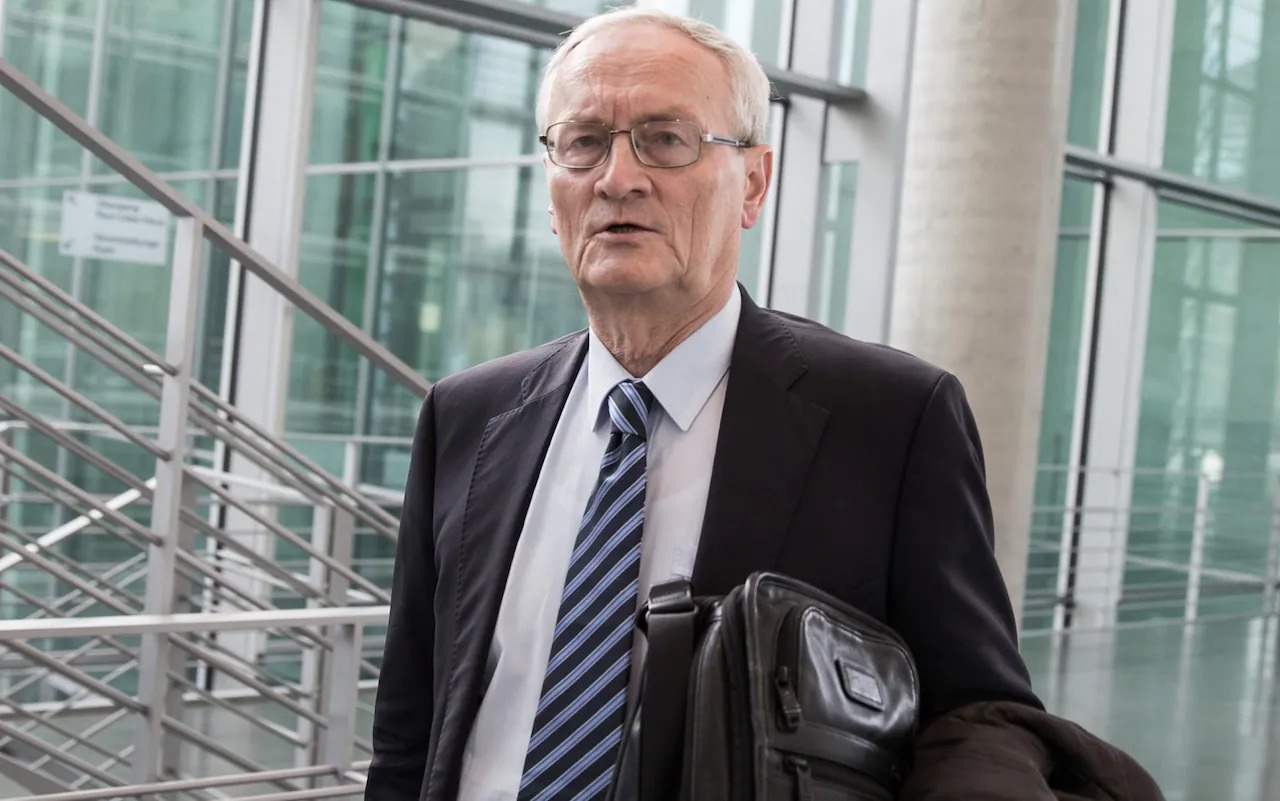
British intelligence agencies, led by MI6, are investigating whether their confidential data or spies were compromised in the biggest espionage scandal in modern German history.
August Hanning, the former head of Germany’s foreign intelligence service, the BND, along with a current senior official at the agency identified only as Manfred D, was detained on Tuesday on suspicion of espionage and treason.
Hanning faces allegations that he unlawfully amassed thousands of classified documents over a 16-year period through Manfred D and sold a portion of those secrets to a foreign power.
German security sources noted that some of the high-level information handled by the pair originated from partner intelligence agencies abroad, raising the prospect that British and American intelligence may have been leaked.
This development has brought accompanying concerns that US and British human sources operating in the field, such as active agents or informants, could have their identities exposed through the shared information.
Matthew Dunn, a former MI6 intelligence officer, said British intelligence services would meticulously review everything shared with the BND and assess the risks.
Dunn said:
“There is no doubt that there is a major internal security review going on inside MI6 right now, looking meticulously at the intelligence shared with a very trusted liaison partner and assessing whether any of that compromises MI6-related operations and people.”
Nevertheless, the former spy stated he would be “very surprised” if this situation affected the agency’s relationship with the BND, adding that he expected the two services would act cooperatively.
He explained that during intelligence sharing, the introduction of “automatic checks and balances” mechanisms, including the redaction of information relating to sources, is standard practice.
News of the scandal has shocked the Western intelligence community. Sources described the alleged breach as a major success for a foreign power, noting that it could cause serious damage to the Western intelligence-sharing alliance.
Alongside MI6 and GCHQ, multiple US agencies are also believed to be conducting a systematic internal review of all sensitive information shared with European allies during the period in question.
According to information obtained by The Telegraph, the primary focus of these agencies is understood to be protecting sources who may have been compromised due to the alleged leak.
Similar audits are likely to be conducted by all of Germany’s intelligence-sharing partners and allies.
While it remains unclear when German authorities notified their counterparts of the security breach, it is understood to have occurred prior to Tuesday’s arrests.
German media reported that the leaked information included details regarding Iran’s nuclear programme, the Russian military, and classified documents belonging to foreign partner agencies.
The statement noted that most of the documents in question contained “confidential information prepared by the federal intelligence service exclusively for internal purposes, particularly for intelligence briefings aimed at the executive branch.”
According to the prosecution, Hanning used this information in his private consulting activities.
“In one incident, Hanning used classified intelligence provided by Manfred D to prepare an analysis for an official of a foreign intelligence service,” the statement said.
Authorities have not yet determined whether this information reached its intended recipient. On Tuesday night, Der Spiegel reported that the analysis in question was prepared for the Azerbaijani intelligence service.
Azerbaijan maintains security and intelligence partnerships with Russia, Israel, Türkiye, and the US, as well as other countries.
Hanning had previously adopted a hawkish posture towards Moscow in German national security debates.
In a 2024 interview with The Telegraph, he stated that his country had been “naive” and needed to be “awakened” to the reality of a potential war:
“People don’t realise that there is a serious danger: there is sympathy for Russia, especially in East Germany and on the far left and within the far-right Alternative for Germany (AfD) party, parts of which are demanding an end to sanctions against Russia.”
According to The Insider, Hanning travelled to Russia at least seven times after leaving the BND.
The former intelligence chief made all of these trips between 2015 and 2019, frequently spending only a single day in Moscow.







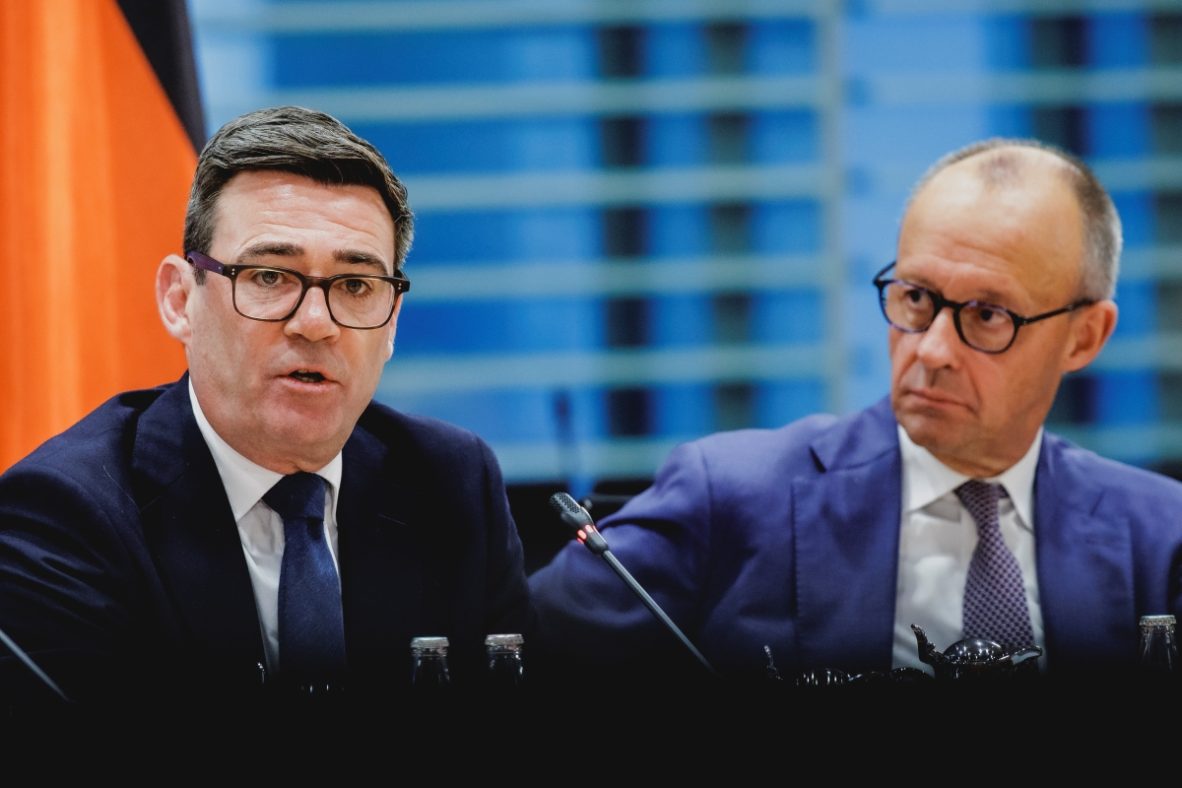
The EU is looking to Britain to help plug its budget shortfall, offering access to its energy market in return.
British Prime Minister Andy Burnham is currently seeking to negotiate reintegration in a bid to lower electricity costs and demonstrate to voters the benefits of his post-Brexit policy of reconnecting with Europe.
Liberal Member of the European Parliament Sandro Gozi, who is closely involved in the negotiations, says that in exchange for this access, Britain must contribute to the EU cohesion fund, which currently sits at the centre of a political battle over the bloc’s next budget.
“Any agreement on the UK’s participation in the European electricity market must be accompanied by a financial contribution by the UK to cohesion policy,” said Gozi, who chairs the European Parliament’s delegation to the EU-UK Parliamentary Partnership Assembly.
British households pay the highest retail electricity bills among the G7 club of advanced economies, with kilowatt-hour prices running roughly five pence (0.06 euros) above average.
London wants to reconnect to the European electricity market by 2028 to gain access to cheap French nuclear power.
Burnham will visit Brussels on 20 November for an EU-UK summit, hoping to achieve tangible progress.
The EU’s 27 member states are currently locked in an impasse over the proposed 2 trillion euro EU budget for the 2028-2034 period.
Countries led by Germany want spending cuts in an ongoing political battle with Italy and other nations that receive billions of euros from cohesion funds aimed at Europe’s poorest regions.
The Italian lawmaker told Rapporteur that MEPs would formally raise the demand on Tuesday for British funding to be channelled to Europe’s poorer regions in return for energy market access.
The push for contributions to the cohesion fund, which accounts for around a third of the bloc’s current seven-year budget at 392 billion euros, follows a similar appeal from the leaders of the Netherlands, Germany, Denmark, Luxembourg, and Belgium.
In a letter dated 6 November, the group stated that London should make an “appropriate financial contribution” in exchange for energy market access.
Lucy Rigby, the Labour government’s economic secretary, acknowledged last week that discussions regarding “the mechanism for the UK’s financial contribution” had already begun.
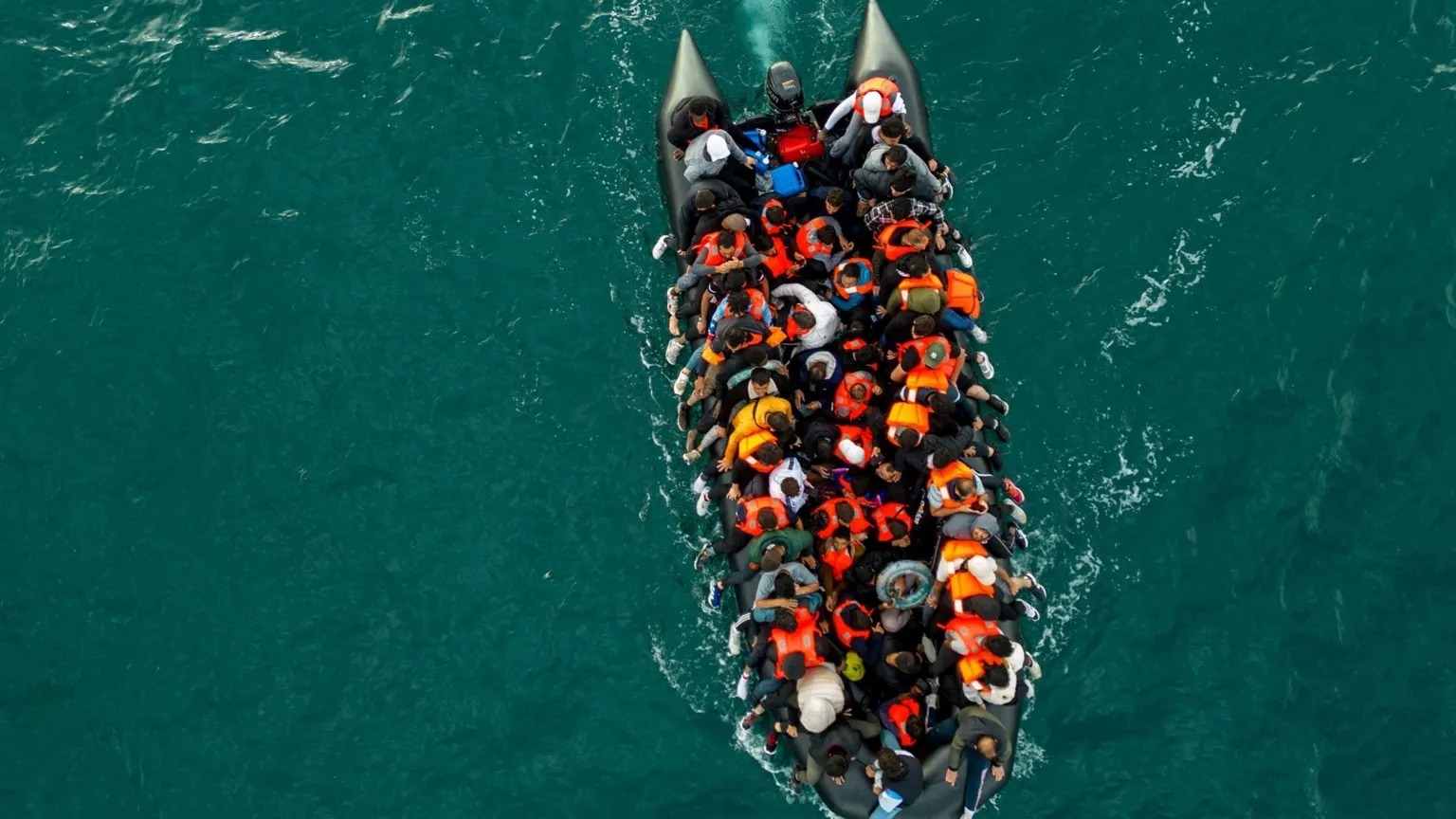
Five EU countries are set to open a migrant deportation centre in Rwanda next year as part of a broader drive to increase expulsions.
In statements released by the Dutch and Danish governments, it was announced that Germany, Denmark, Austria, Greece, and the Netherlands are expected to open a “return hub” ready to accept transfers in 2027.
The countries said the scheme will apply to migrants residing “illegally” within their borders who are subject to deportation orders.
The Dutch government added that it would provide an alternative if deportees cannot be returned to their countries of origin.
Deportees will either be able to integrate into Rwandan society or return to their native countries.
The plan will apply to individuals who have exhausted all legal avenues to remain in the five countries. This differs from the scrapped British agreement, which envisaged sending people to Rwanda to have their asylum claims processed.
Due to legal obstacles, the UK arrangement never took effect and was ultimately shelved by the Labour government that assumed office in 2024.
Downing Street has not ruled out the possibility of the UK joining the scheme, stating that it will monitor developments “with interest”.
According to AFP, Spanish Prime Minister Pedro Sánchez said the plan to open a facility in Rwanda has “neither a future nor a humanitarian dimension”.
“I see in this neither a future nor a humanitarian dimension. This is not a solution,” Sánchez told Spanish broadcaster Telecinco, as quoted by AFP.
While the five nations argue that the initiative to send migrants abroad complies with EU and international law, human rights organisations warn that it could violate migrant rights.
The agreement follows a recent EU reform permitting the establishment of offshore centres outside the bloc.
Speaking at a joint press conference in Vienna on Monday, Austrian Chancellor Christian Stocker said the five nations want to relieve pressure on European asylum systems and deter human traffickers from organising lethal journeys across the Mediterranean.
In a written statement, the Dutch government noted that under the first phase of the agreement, the five countries “will only send back single men”, adding that the Netherlands’ focus will be on “individuals from countries of origin in the same region as Rwanda”.
Upon arrival in Rwanda, these individuals will be permitted to integrate into society, meaning they will receive residency rights and gain access to education, healthcare services, the labour market, and the legal system.
Rwandan Minister of Interior Vincent Biruta said the country is committed to cooperating with European partners to deliver a “safe, lawful, and dignified solution for migrants”.
The minister added that they will also work to “rectify the global imbalance in economic opportunities”, which he described as the “primary driver of irregular migration”.
Prior to the announcement, diplomatic sources told AFP that the centre is initially expected to run as a pilot project housing around 100 people, with each of the five countries likely sending roughly 20 migrants.
The United Nations International Organization for Migration (IOM) may assume a supporting role throughout the process.
“IOM has a long-standing history of providing assistance to migrants in transit, including under complex conditions,” an IOM spokesperson said, adding that the organisation is in talks with certain EU states regarding “plans for the establishment of return hubs or similar mechanisms”.
With elections looming in several EU member states, governments face intense pressure to demonstrate control over migration.
Clementine de Montjoye, senior Africa researcher at Human Rights Watch, stated that the choice of Rwanda is a cause for concern, citing the country’s “entrenched track record of repression of dissent, arbitrary detention, and ill-treatment in custody”, alongside its backing of armed rebels in the neighbouring Democratic Republic of the Congo:
“Paying Kigali to run a deportation programme will not only cause pain and harm to those deported, but it will also provide funding and political leverage to a government responsible for grave human rights violations at home and abroad.”
The independent EU Fundamental Rights Agency maintained that any third country hosting a return hub must “respect fundamental rights”, which includes ensuring individuals are not sent to a territory where they face a grave risk of persecution.
The agency added that unaccompanied minors must not be sent to the return centre, a condition the Dutch government confirmed will be observed.
According to the European Border and Coast Guard Agency, approximately 110,000 irregular border crossings into the EU were recorded in the first 10 months of 2026, marking a 29% decline compared with the previous year.
Roughly 18,100 crossings were detected in October; although this figure is about 6% lower than in October 2025, it represents a 22% increase over September, which was reportedly driven “largely by a sharp surge in arrivals along the Western African route to the Canary Islands”.
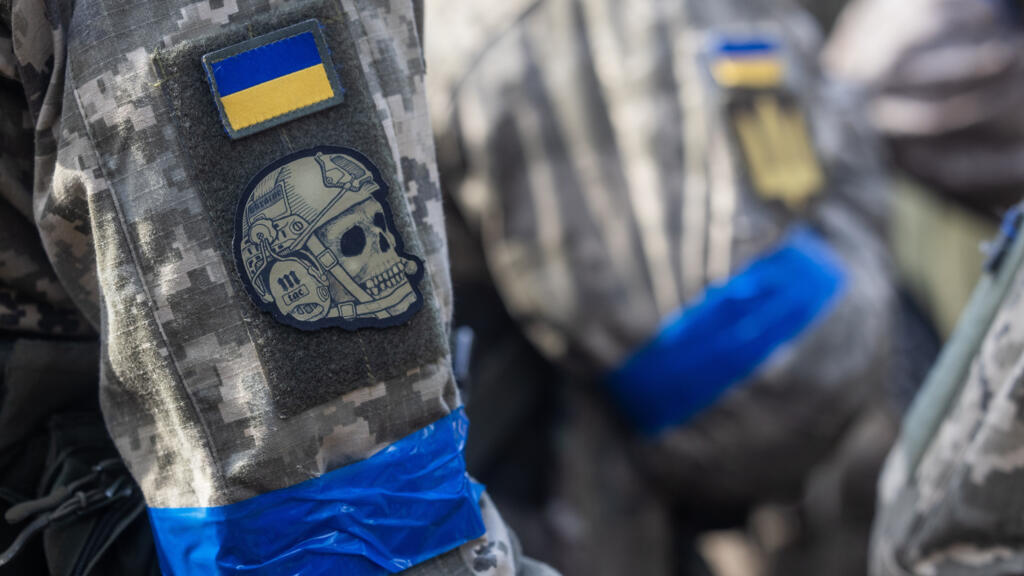
French radio broadcaster RFI has reported that French soldiers have been secretly operating on Ukrainian territory since at least the summer of 2026.
According to RFI, citing its sources, these soldiers are not taking part in combat, but are supporting the Armed Forces of Ukraine
A French general commands the secret mission, which is called Volia.
The mission consists of small groups formed for short-term deployments, and these teams train Ukrainian soldiers.
Specialists also handle the maintenance and repair of military equipment, shortening logistics chains and speeding up the return of vehicles to the front line.
Training mission in Poland chosen as cover
According to RFI, the French training mission in Poland, called Gerfaut, is being used as a cover to keep France’s military presence in Ukraine secret.
The Gerfaut mission has been operating in Poland since February 2023 under the European Union’s EUMAM Ukraine programme.
The EUMAM Ukraine mission was established in October 2022 at Kyiv’s request.
More than 100,000 Ukrainian soldiers have been trained under the programme to date.
A budget of around 300 million euros was previously allocated for the mission, whose mandate was extended until mid-November 2028, to cover this period.
Moscow views foreign troops as legitimate targets
Russia condemns military aid provided to Kyiv and considers the deployment of foreign armed forces on Ukrainian territory unacceptable, even after fighting ends.
Kremlin Spokesperson Dmitry Peskov previously said on the matter: “We cannot allow such steps. Indeed, the special military operation is being conducted so that no NATO troops are present on Ukrainian territory.”
Russian President Vladimir Putin also stated that foreign soldiers in Ukraine constitute a “legitimate target” for the Russian army.
The Russian Foreign Ministry warned that the deployment of Western troops, military facilities, depots, and other infrastructure elements in Ukraine “would be regarded as foreign intervention”.
Ministry officials stressed that the Russian army would consider such facilities legitimate targets for strikes.

APEC Summit: How China Uses the Art of “Emotional Value” to Deal with Trump

Crimean Bridge traffic suspended after consecutive Ukrainian attacks

EU links UK energy market access to cohesion budget contributions

Jensen Huang exit aids Anthropic and OpenAI as open models suffer

Five EU nations announce plan to deport migrants to Rwanda hub
-
 America1 week ago
US midterms see 97 young winners as Gen Z representation triples
-

 Europe2 weeks ago
EU urges citizens to prepare 72-hour survival kits for crises
-
 Diplomacy2 weeks ago
Protesters storm Kyiv site holding soldiers over torture allegations
-

 Europe2 weeks ago
Pro-Ukraine Republicans in US Congress dwindle after departures
-

 Europe2 weeks ago
Low EU gas stocks risk stoking global prices, IEA report warns
-

 Europe2 weeks ago
Brussels sees little hope of better US ties even if Trump loses
-

 Diplomacy2 weeks ago
Ukraine faces demographic collapse as fertility rates slide
-
 America2 weeks ago
Paraguay President Peña resigns over catastrophic bank collapse
