
Europe
Right-wing calls to ban left parties and groups mount in Europe

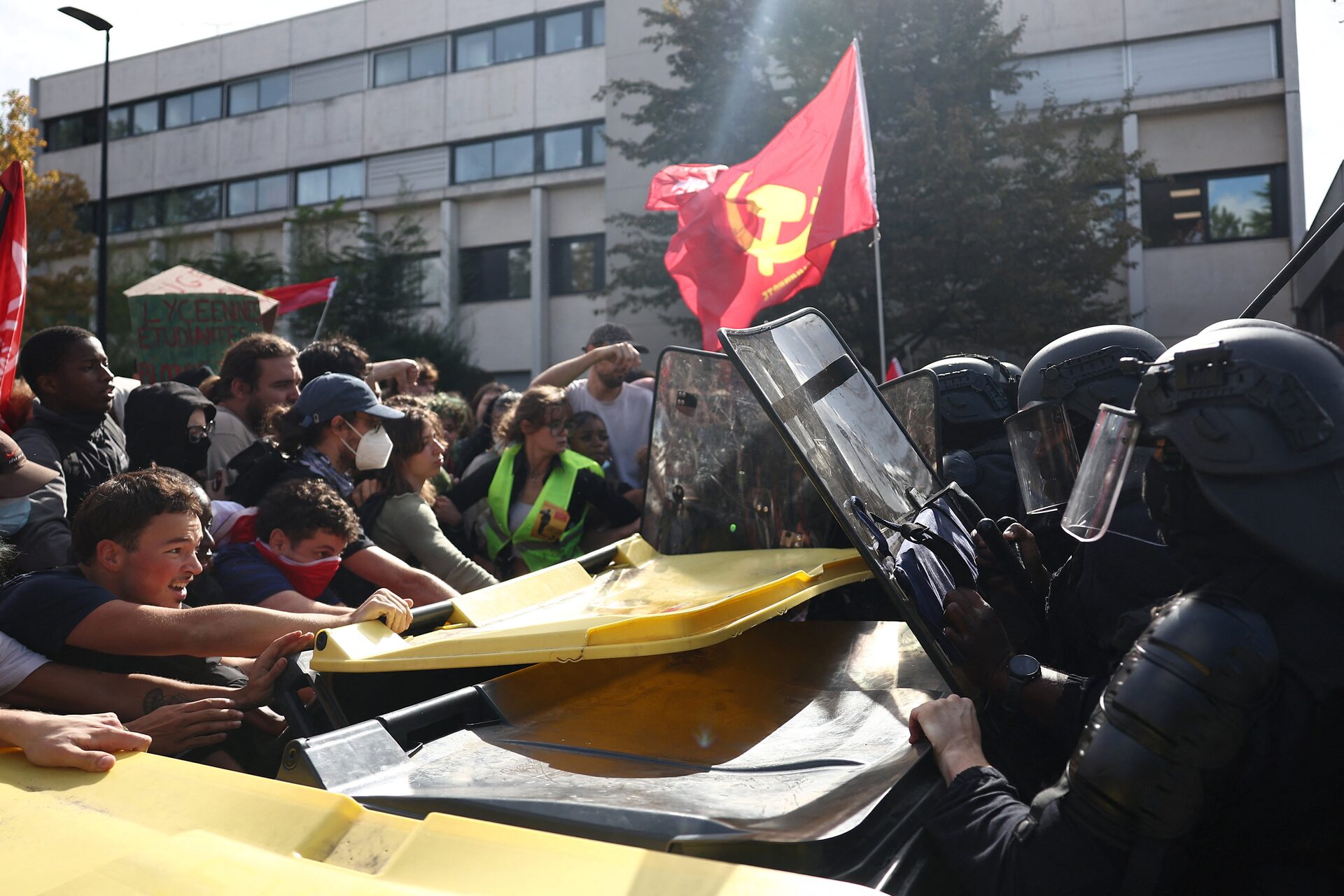
Youth protests spreading across European nations, particularly in France, are serving as an occasion for right-wing parties and governments to escalate demands for bans.
In France, for example, right-wing conservative politicians such as Senate President Gérard Larcher and presidential candidate Bruno Retailleau of The Republicans (LR) are now openly demanding that the party La France Insoumise (LFI) be banned.
Matthieu Valet, a Member of the European Parliament from Marine Le Pen’s National Rally (RN), said at the party congress held in Orléans on 24–25 October: “We will dissolve all anti-fascist organisations.”
Polls unanimously show that RN candidate Marine Le Pen leads the vote for the presidential election in April 2027.
In Spain, the rising right-wing party Vox submitted a draft bill to parliament in December 2025 aimed at dissolving organisations linked to the anti-fascist movement.
Vox is polling at 19% in recent surveys, and the party hopes to enter government by forming a coalition with the conservative Popular Party (PP) following the elections on 29 November.
In such a scenario, banning anti-fascist organisations in Spain could become possible.
Acts of violence linked to protests are currently being used increasingly to threaten left organisations with bans.
Belgium offers another example. Since last year, Interior Minister Bernard Quintin has been attempting to ban organisations that threaten “national security or the foundations of the rule of law”.
In this context, government officials cite “Antifa” as an example. Even in the autumn of 2025, Georges-Louis Bouchez, president of Quintin’s Reformist Movement (MR), openly called for the “dissolution of Antifa”.
When property damage occurred on the fringes of student protests in Liège in early October this year, Quintin once again pointed to “Antifa-type” organisations in light of plans to ban such groups.
In June, Defence Minister Theo Francken of the New Flemish Alliance (N-VA) also claimed, without providing evidence, that the opposition Workers’ Party of Belgium (PTB-PVDA) was responsible following property damage on the fringes of protests in Brussels.
PTB-PVDA supports the protests gaining momentum in Belgium against the government’s policies of militarisation and social spending cuts.
According to polls, the party is currently the second strongest in the country with 23% of the vote nationwide, and the strongest in the Brussels-Capital Region with 26%.
In Germany, the possibility of banning The Left (Die Linke) was raised by the influential mainstream newspaper Frankfurter Allgemeine Zeitung.
A recent editorial in the newspaper asked: “Why not ban Die Linke?”
Meanwhile, banning youth demonstrations is currently under discussion. As in Belgium, isolated violent incidents on the margins of peaceful protests are cited as justification, discrediting the demonstrations as a whole.
Federal Interior Minister Alexander Dobrindt is not only levelling blanket accusations against “left-wing groups” without providing evidence; he is also attributing instances of property damage to “agitators emerging from the migrant community”.
The Interior Minister of the state of Hesse, Roman Poseck, acknowledged that those detained on Saturday on assault charges were “predominantly German citizens”, but nonetheless claimed that they were “predominantly of migrant background”.
These statements therefore attribute responsibility for violence to leftists on the one hand, and to people of non-German origin on the other.
A representative from the Federal Ministry of the Interior under Dobrindt also attended a conference where White House Deputy Chief of Staff for Policy Stephen Miller equated anti-fascists (“Antifa”) broadly with terrorism and categorised them as “enemies of civilisation”.
According to an investigation by the online portal FragDenStaat, this representative was Christian Klos, head of the Public Security Directorate.
Klos reportedly appeared in Washington as part of a “morning panel” on “The Threat Landscape of Far-Left Terrorism”.
What he said there remains unclear: FragDenStaat reported that the Federal Ministry of the Interior refused to publish several preparatory documents related to the presentation, citing their classified status.
However, it is now known that the Interior Ministry took part in a preparatory workshop in the US in May with two officials at the “relevant specialist division level”.
In addition, the federal government confirmed in early October that a follow-up event to the Washington conference would be held this autumn.
The event’s focus will be the “sharing of professional experience among security and law enforcement agencies from various countries”, centring specifically on “manifestations, developments, and challenges in the field of violent left-wing extremism”.
The US Department of State had hosted a conference on 16 July with the participation of representatives from more than 60 countries across North and South America, Europe, and parts of Asia.
The focus of the conference was the “international resurgence of far-left political terrorism”.
Alongside Secretary of State Marco Rubio, Stephen Miller set the tone of the conference.
In a speech, Miller claimed that leftists were “fundamentally driven by envy, hatred, and malice”, adding that no one at anti-fascist demonstrations looked like a “normal human being”.
Federal Interior Minister Alexander Dobrindt has played a prominent role for years in crackdowns on left-wing organisations.
While serving as CSU general secretary in 2011 and 2012, his rhetoric caused astonishment even within his own party.
In August 2011, for instance, he demanded that authorities “examine whether proceedings to ban Die Linke should be initiated”.
In January 2012, he stated that he believed “in the medium term, we must make every effort to also launch proceedings to ban [the party Die Linke]”.
At the time, Gerda Hasselfeldt, then leader of the CSU parliamentary group in the Bundestag, expressed her surprise: “At present, I see no grounds for proceedings to ban Die Linke.”
Even after taking office as Federal Interior Minister, Dobrindt continued to stand out with striking rhetoric.
In June 2025, during the presentation of the Federal Office for the Protection of the Constitution report, he displayed graphs with different scales, implying that the number of “far-left extremists” in Germany exceeded that of right-wing extremists.
In December 2025, he suggested that “left-wing extremists” could engage in “espionage or sabotage” activities on behalf of foreign powers.








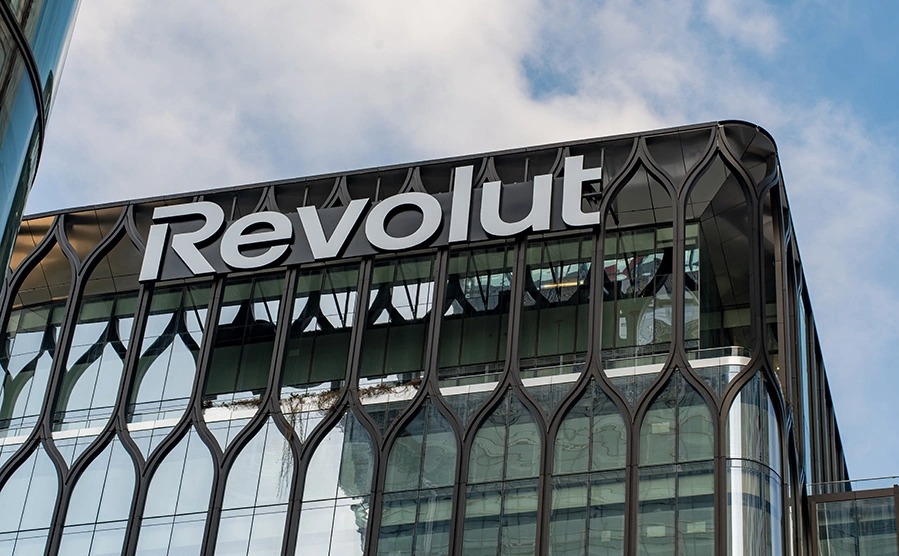
Authorities in Sweden and Italy have found that individuals “linked to Russia” and members of the Italian mafia used the financial application Revolut to conceal proceeds of crime.
According to a Financial Times report citing a source and data obtained by the newspaper, Swedish financial intelligence examined 2.9 billion Swedish kronor (259 million euros) in suspicious transactions.
Intelligence data recorded that these transactions were conducted by “individuals linked to Russia” for the purpose of “money laundering, particularly converting criminal proceeds into cryptocurrency and transferring them abroad.”
The newspaper reported that Revolut had become one of the most common channels for moving money out of Sweden, primarily to Lithuania and Ireland.
Manuel Ferrer, head of the Swedish police’s financial intelligence unit, told the FT: “It is likely that neobanks like Revolut are being used systematically as vehicles to move proceeds of crime.”
Ferrer said that rapid remote onboarding, international payments, and the ability to convert money into cryptocurrency heightened money laundering risks, therefore requiring appropriate oversight.
Milan court places Revolut under judicial administration
In Italy, the Court of Milan placed Revolut’s operations in the country under judicial administration for one year, citing “serious deficiencies” in anti-money laundering controls.
According to the court decision reviewed by Reuters, inadequate supervision allowed 24 individuals, who were under investigation or convicted of various crimes, to conceal 41.9 million euros in financial flows between 2021 and 2026.
Reuters reported that while other banks filed 265 suspicious transaction reports regarding these individuals during the same period, Revolut Bank UAB did not submit a single report.
Revolut announced that it accepted the court ruling and expressed readiness to cooperate with Italian authorities.
The company emphasised that it continually invests in strengthening controls against financial crime.
A source familiar with the matter told the FT that the European Anti-Money Laundering Authority (AMLA) began monitoring the situation at Revolut following notification from Italian authorities.
Revolut ranks first in UK complaints
In the UK, where it is headquartered, Revolut ranked first for the third consecutive time in the number of fraud complaints submitted to the financial ombudsman.
Data obtained by the newspaper showed that customers submitted 5,076 fraud complaints in 2025, a figure that surpassed all other financial institutions.
The FT noted that Revolut could also top the list of banks by complaint numbers at the end of 2026.
The UK Financial Conduct Authority called on Revolut and other firms receiving high numbers of complaints to increase controls.
Bank of Lithuania imposes 3.5 million euro fine
Objections to Revolut’s procedures had previously emerged in Lithuania, where the group’s European structure is based.
The Bank of Lithuania fined Revolut Bank 3.5 million euros in April 2025 due to anti-money laundering deficiencies.
According to earlier FT reporting, the Bank of England had also delayed granting a banking licence to Revolut over concerns that risk management had not kept pace with growth in international operations.
Revolut CEO Nikolay Storonsky stated in April that an initial public offering for the company could occur in 2028 at the earliest.
Storonsky explained that trust is particularly important for a bank, and that publicly traded companies enjoy greater trust than private firms.
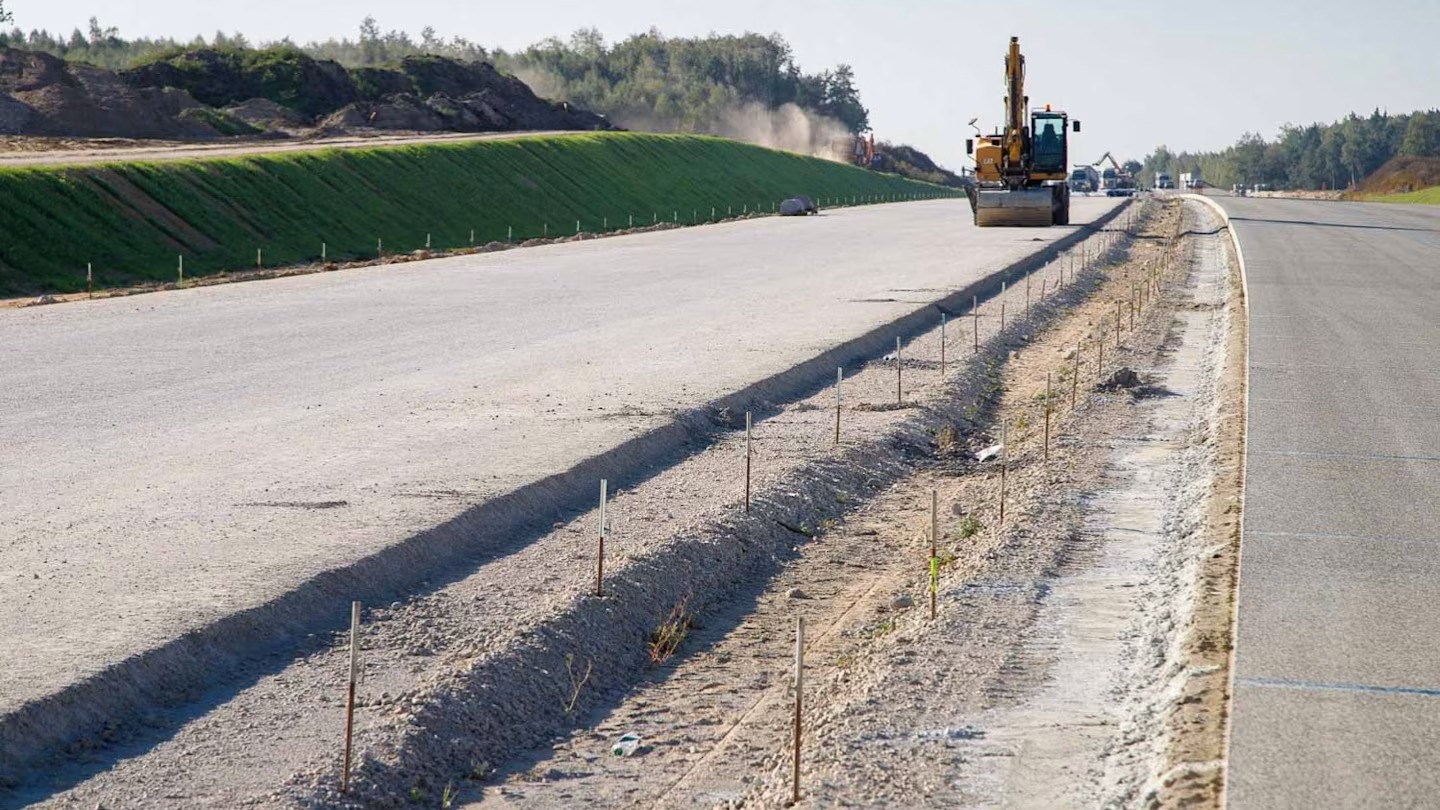
European construction and building materials companies are targeting a potential 620 billion euro surge in defence infrastructure spending over the coming decade.
Major construction groups including Spain’s ACS, Austria’s Strabag, and France’s Vinci all anticipate a rise in defence and dual-use projects in the coming years.
Leading suppliers such as Heidelberg Materials, Holcim, and CRH also point to mounting demand.
According to a report in the Financial Times, construction firms are establishing dedicated defence teams, developing new products, and ensuring personnel obtain security clearances for sensitive projects to capitalise on the opportunity.
Peter Buckley, head of the international division at CRH, said: “There is an acceptance that Europe has to stand on its own two feet, and defence is a massive part of that. It is a new growth vector.”
The building materials group, which operates across Dublin and New York, is developing low-carbon concrete that can better withstand heavy military vehicles and freezing winter conditions unlike asphalt.
CRH has also added construction specialists with expertise in military infrastructure to its workforce.
Rising spending on defence-related projects could provide a much-needed boost for European construction companies.
High energy prices, mounting financing costs, and economic uncertainty have dampened demand for residential and commercial construction, weighing on share prices across the sector.
According to consulting firm BCG, Europe could spend an estimated 320 billion euro on direct military infrastructure between 2026 and 2035.
These figures include the UK and Türkiye, whilst excluding Ukraine.
The funding could be directed across a range of facilities, from barracks and ammunition depots to military airfields, naval bases, training grounds, and command-and-control centres.
Over the same period, BCG estimates that an additional 300 billion euro will be spent across Germany, France, and Poland alone on broader defence and security investments.
This includes reinforcing civilian infrastructure, such as bridges, ports, and power grids, to make it more resilient and suitable for military tasks such as transporting heavy tanks and artillery units.
Russia’s full-scale invasion of Ukraine alongside pressure from US President Donald Trump prompted NATO members last year to commit to allocating 5% of annual GDP to defence by 2035.
Under this target, 3.5% would be allocated to core military needs, with 1.5% directed towards security, infrastructure, and civilian preparedness.
However, actual spending will depend on each country’s fiscal position, political will, and bureaucracy.
Anthony Codling, head of building materials research at RBC Capital Markets, said:
“There is often a Grand Canyon between political commitment and spades in the ground. Defence pledges in Europe have historically had the shelf-life of a political news cycle: long on rhetoric, short on delivery. And fiscal constraints are real.”
Even so, European governments remain on high alert following hybrid attacks in Germany, Poland, and the Baltic states.
Danish intelligence recently warned that Russia could launch a limited military attack against a NATO country in the coming months.
Spanish company ACS projected this month that global defence infrastructure spending would almost double, rising from 68 billion euro this year to 120 billion euro annually by 2030.
This forecast includes a surge in European spending from 19 billion euro in 2026 to 30 billion euro.
Retired US Army Lieutenant General Michael Fenzel, hired this year by ACS to run its defence business, said:
“Two wars have changed what governments expect from their infrastructure. They need partners who can protect their populations, preserve peace, and strengthen deterrence for decades.”
To secure a larger share of defence spending, ACS also plans to offer services to military clients, including managing military vehicle fleets, supplying fuel, and building repair depots.
The company will also evaluate acquisitions to broaden this service range.
“A client that trusts us with their runway will trust us with their fuel,” Fenzel said.
ACS has completed 154 security and defence projects across Europe. It is currently modernising a military airfield in the Czech Republic and an armed forces university campus in Germany.
Strabag noted strong demand for infrastructure throughout Europe. For instance, the Austrian company is helping build one of the largest military hospitals outside the US, located near Ramstein air base in Germany.
The project represents a general contracting agreement valued at 859 million euro.
Many construction companies and building materials suppliers previously avoided military projects because of ethical concerns and an absence of consistent pipelines. That stance has shifted considerably.
William Wallace, co-head of national security, defence, and aerospace at consulting firm DGA Group, said: “Historically, defence infrastructure work was unsexy and underfunded compared to faster-growing transport and energy sectors. The push to rearm has changed that paradigm.”
The war in Ukraine has also created ripple effects beyond defence. For instance, European countries are investing more in energy infrastructure, particularly wind power, to curb reliance on Russian gas.
Christophe Ferrer, business development director at French construction firm Vinci, said: “From a defence perspective, all infrastructure is critical, as shown by the fact that it is often targeted in the opening days of a conflict.”
Still, spending will need to accelerate substantially to meet BCG’s projections. According to the European Defence Agency, declared EU infrastructure expenditure is forecast to reach 11.6 billion euro this year.
Although this figure has grown by roughly 20% each year since 2023, it remains far below the pace required to attain 320 billion euro in military infrastructure spending by 2035.
Annika Zawadzki, head of BCG’s highways and airports practice, said: “The lag time between allocating the budget, creating a programme, running the procurement [and] signing the contract takes a long time. So how quickly the money… is going to flow really depends on that process.”
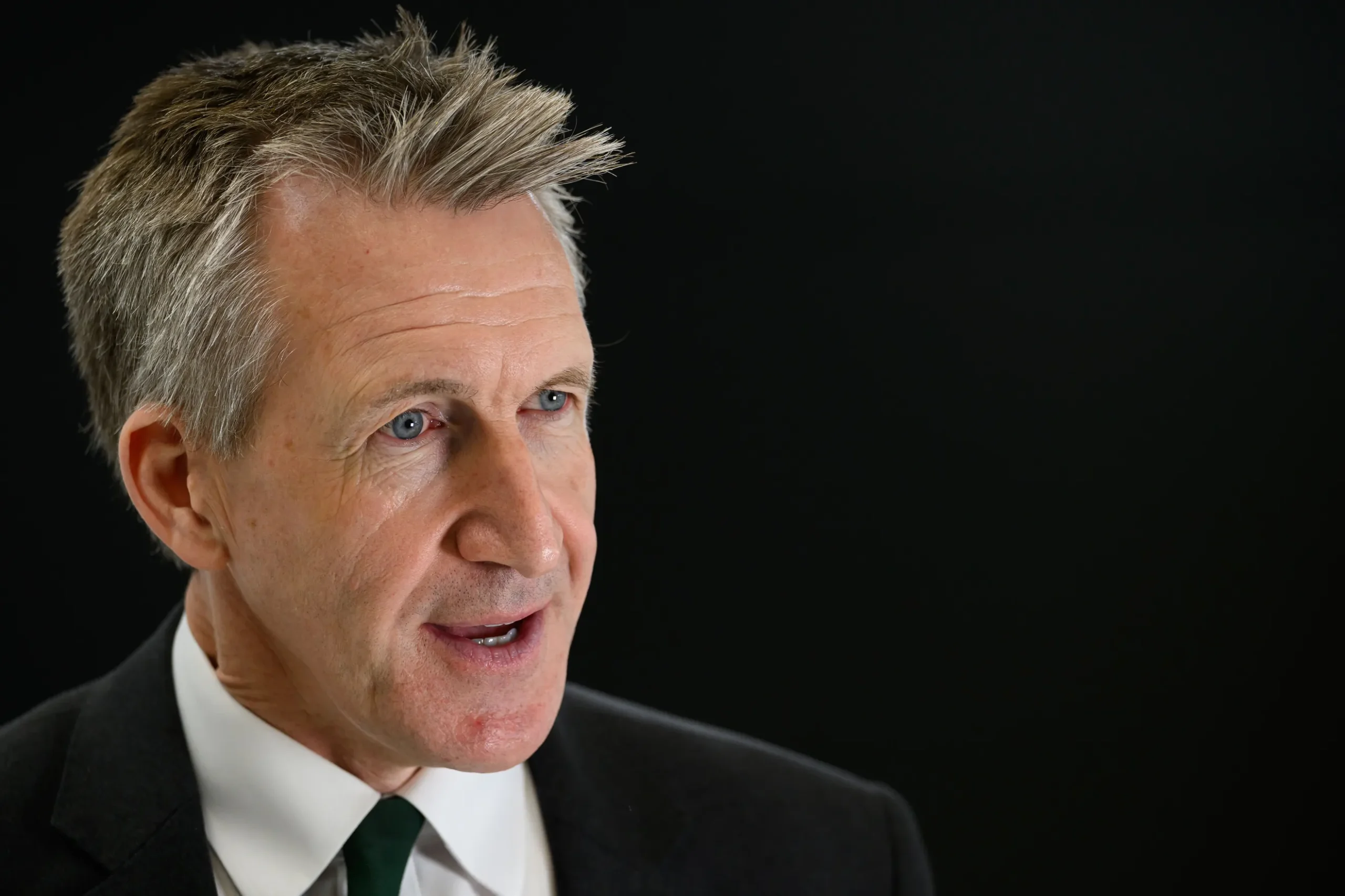
Britain is learning from its Nordic allies on plans to cope with disruptions caused by threats such as natural disasters or cyberattacks that could halt critical infrastructure.
Security Minister Dan Jarvis said there was “a lot that we can learn” from Nordic nations when it comes to preparing citizens for a scenario where essential services are cut off.
In an interview with Politico, when asked about threats such as hostile states attempting to sabotage undersea cables and cyberattacks knocking out supermarket freezers across Europe, Jarvis said, “There is plenty that keeps me awake at night,” adding:
“I came back from Norway quite recently, talking to our Nordic partners about the work they do to ensure that they are as resilient as they possibly can be. I think there is a lot that we can learn from them and other European partners. Actually, we’ve got to recognise in the UK that we are a bit behind the curve on this.”
In October, the UK government launched a campaign called “be ready”, advising the public to stockpile enough provisions to cover their needs for three days, including bottled water, non-perishable food items, cash, a torch, and an FM radio.
Prime Minister Andy Burnham said last month that the UK had been caught behind the curve “too often in the past”.
By contrast, Norway launched an “emergency preparedness” campaign for its citizens in 2018. In 2024, it updated this advice, increasing the stockpile duration from three days to seven days.
The UK government is not currently considering extending the recommended period beyond three days.
However, Jarvis rejected accusations from colleagues in the House of Lords that the government has not been transparent enough with the public regarding risks.
The National Resilience Committee stated this week that, despite the “be ready” campaign, “the government appears complacent and the UK remains ill-prepared.”
Jarvis pointed to a national risk register highlighting widespread power cuts, disruption to drinking water, and terrorist and state-sponsored threats among the top risks facing the UK.
Jarvis added:
“If you look at what I put on the record in parliament [and] the discussions that we’ve had around the country about the nature of the world that we live in, there’s been plenty of talk about the variety of threats that we face. There’s a balance to be struck because we definitely don’t want to panic the public, but we want the public to be alert and we want them to be prepared.”
Jarvis downplayed concerns felt by some within the UK government after ministers joked about their personal stockpiles.
Those ministers include Housing Secretary Angela Rayner, who said her own stockpile would include “mascara, concealer, a bottle of Sauvignon Blanc, some baked beans and a tin of custard.”
Jarvis said: “As the security minister, there are plenty of things that I worry about at any given moment. That’s not one of them. I think that’s been quite helpful in terms of raising the profile of this issue. I think it’s been quite helpful in terms of focusing people’s minds on what they would do in their own homes.” He added:
“That’s what this campaign is all about. It’s about ensuring that we get that resilience into households… so people talking about Sauvignon Blanc, or whatever it might be, really doesn’t trouble me.”
Jarvis said he had “obviously taken my own advice” when assembling his household stockpile, including a radio and a torch, and had not added any special items beyond those on the checklist.
On the other hand, the minister reportedly keeps a ready supply of eggs at home at all times. Jarvis said: “I’ve always found keeping chickens incredibly relaxing, particularly when you’ve got a pretty full-on and challenging job. There’s something very peaceful about them.”

Authorities in Sweden and Italy scrutinize Revolut over illicit flows

US military personnel prepare to return to Somali airbase

European builders target 620 billion euro defence boom

Antalya COP31 climate talks collapse over fossil fuel dispute

US Democrats secure House majority in largest advance since 1992
-

 America2 weeks ago
US midterms see 97 young winners as Gen Z representation triples
-
 Europe2 weeks ago
UK and Germany expand military pact with focus on Russian frontier
-

 America2 weeks ago
Nvidia investigates CEO Jensen Huang over link to Chinese spy
-
 America2 weeks ago
US secures 35% stake in Venezuelan firm NABEP under 50-year deal
-
 Europe2 weeks ago
George Szamuely dissects European decline and strategic rifts with US
-

 Opinion2 weeks ago
The Mecca Defence Agreement, the Ottoman Empire, and the facts
-

 Opinion2 weeks ago
Settle, deny, seal: Britain’s formula for colonial torture, from Kenya to Cyprus — 1
-
 America2 weeks ago
Absent Democrats derail floor vote on Pete Hegseth impeachment
