
Europe
Trump cancels Tomahawk deployment to Germany as Berlin warns of defense gap

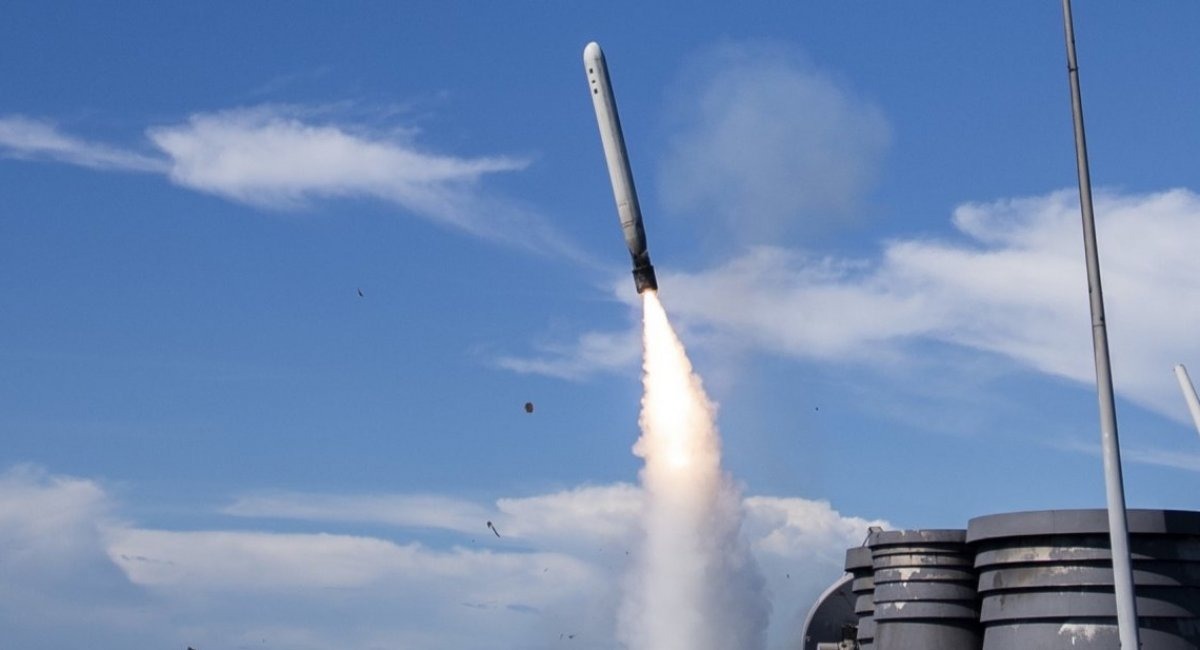
US President Donald Trump’s announcement that he is abandoning plans to station Tomahawk missiles in Germany has triggered a “defense crisis” in Berlin, fueling domestic tensions over the country’s security posture against Moscow.
According to a report by German Foreign Policy, calls to accelerate the development of indigenous German missiles capable of reaching Moscow are intensifying following Trump’s declaration that he will no longer deploy intermediate-range weapons to the country. Late last week, the US President indicated that he intended to withdraw 5,000 US troops from Europe and cancel the long-planned deployment of Tomahawk cruise missiles.
The move is being interpreted as a punitive measure in response to critical statements made by German Chancellor Friedrich Merz regarding the US administration’s strategy toward Iran. German officials warn that the absence of intermediate-range weapons will prevent the neutralization of Russian command centers in the event of conflict, creating a critical gap in the defense plans of Germany and other European nations. Consequently, the development of Germany’s own intermediate-range weapons, with a range exceeding 2,000 kilometers, must now be accelerated beyond the original timeline.
Criticism of Trump’s decision has also emerged from within the US military establishment. Officials have pointed out that the move weakens the infrastructure the US military relies on for global operations, such as the Ramstein Air Base.
US plans for withdrawal from Germany
As announced over the weekend, US President Donald Trump plans to withdraw approximately 5,000 US troops from Germany. Currently, more than 36,000 US military personnel are stationed in Germany, making the country the largest US military hub in Europe and the second largest worldwide after Japan, which hosts 55,000 personnel.
In total, there are just over 85,000 US troops deployed across Europe, including more than 12,500 in Italy and slightly over 10,000 in the United Kingdom. In December, the US Congress passed legislation stipulating that the number of US military personnel permanently stationed in Europe must not fall below 76,000 for more than 45 days. Any deviation from this rule requires the US Secretary of Defense and the Commander-in-Chief of US Forces in Europe to provide a comprehensive justification to Congress.
Observers believe the specific plan involves withdrawing an entire US combat brigade that former President Joe Biden had deployed to Germany for rotational exercises in response to the war in Ukraine. Furthermore, Trump intends to cancel the deployment of US intermediate-range weapons to Germany, including Tomahawk cruise missiles originally scheduled for this year, without proposing a replacement.
Merz’s stance on Iran “punished”
Trump is presenting this withdrawal, in part, as a punitive measure against German Chancellor Friedrich Merz for his comments on the conflict with Iran. Early last week, Merz stated that the Trump administration had entered the conflict “clearly without any strategy” and was “clearly not following a truly convincing strategy in negotiations.”
Trump subsequently launched a sharp verbal attack on Merz. He has now added the troop reduction announcement to his previous threat to increase tariffs on European automobiles to 25%.
Despite this, Trump has repeatedly confirmed his general intention to reduce the US military footprint in Europe and announced the first concrete measures regarding Romania in October. Accordingly, a combat brigade that had been rotationally deployed for military exercises following the start of the war in Ukraine was withdrawn at the end of the year without a replacement unit. The stated justification was that US troops were primarily needed elsewhere, specifically in Latin America and the Asia-Pacific region, which are the focal points of the new US National Security Strategy.
Part of US global war logistics
Serious dissatisfaction with the decision has been voiced in the US, including among Republicans. For instance, the Republican chairs of the Senate and House Armed Services Committees noted that Germany provides the US military not only with overflight rights for the Iran conflict but, more importantly, with unrestricted use of US military bases in Germany, including Ramstein.
According to these officials, “punishing” Germany now would send a risky signal. They argued that Ramstein, along with other US military facilities in Germany such as the Landstuhl Regional Medical Center, are indispensable components of global US military infrastructure. Without these facilities, they contend, wars—particularly those in the Middle East—could not be conducted as they have been. Furthermore, these sites provide US forces with an “alternative route” to the Asia-Pacific region if necessary.
Retired Lieutenant General Ben Hodges, the former commander of US Army Europe, has stated that US troops in Germany and Europe “are not there to protect the Germans.” According to Hodges, American soldiers are in Germany “for the US,” not for the Germans. Therefore, any withdrawal from the country would primarily weaken US military logistics.
Disabling command centers
In Berlin, Trump’s announcement to cancel the 2024 agreement for the deployment of US intermediate-range weapons in Germany has caused particular concern. Initially, the deployment of such weapons, including Tomahawk cruise missiles, was planned as a means of applying military pressure on Russia. Officially, this was intended as a temporary solution for several years until Germany and other European countries developed their own intermediate-range weapons capable of reaching Moscow.
That temporary solution is now likely off the table. According to Christian Mölling, former deputy director of research at the German Council on Foreign Relations (DGAP) and founder of the new think tank Edina (European Defense in a New Age), intermediate-range weapons were classified as “central elements” of rearmament against Russia, intended to make it possible to “destroy Russian command centers.”
Moscow within reach: Calls to accelerate the ELSA project
Calls to accelerate the ELSA project as much as possible are growing in Berlin. ELSA (European Long-Range Strike Approach) was launched by Germany, France, Italy, and Poland in July 2024 on the sidelines of the NATO anniversary summit in Washington. The project aims to develop and produce cruise missiles or hypersonic missiles with a range of at least 2,000 kilometers.
The goal was to be able to replace the aforementioned US intermediate-range weapons with indigenous missiles by the early 2030s. In mid-February, the defense ministers of the four founding countries, together with the defense ministers of the United Kingdom and Sweden, signed a memorandum of understanding to further formalize the joint venture.
In the long term, this initiative is intended to help Germany and Europe become militarily independent of the US. However, it remains unclear how the gap created by the non-deployment of US intermediate-range weapons will be bridged before the first European missiles are completed. According to reports, German Defense Minister Boris Pistorius is in talks with the Trump administration regarding the delivery of US-made Typhon missile launchers, which are capable of firing Tomahawk cruise missiles.








More than 500 former European ministers and diplomats, including four former prime ministers, have called on the European Union to urgently impose sanctions against Israeli settlement policies. Warning that the E1 project would extinguish a two-state solution, the signatories demanded a ban on trade with illegal settlements and binding steps at the EU Foreign Affairs Council meeting on 12 October.
More than 500 former European ministers, ambassadors, and senior officials, including four former prime ministers, have called on the European Union (EU) to take urgent measures against the expansion of Israeli settlements in Palestinian territories.
The signatories warned that it is merely a matter of time before the Israeli government announces construction tenders for the first phase of the E1 settlement project, which would bisect the West Bank and eliminate the possibility of a two-state solution.
Sanctions on financial bodies and trade ban demand
Addressing the European Commission, the senior diplomats and politicians demanded that sanctions be proposed without delay against all financial institutions and service providers supporting illegal settlements, above all E1.
The initiative text called for the presentation of legislative proposals that would prevent trade between the EU and these settlements. The signatories also requested the progression of long-stalled drafts stipulating the suspension of trade provisions in the EU-Israel Association Agreement. The initiative stressed that decisions must be taken at the EU Foreign Affairs Council meeting on 12 October.
“Time for the EU and member states to act”
Attention was drawn to the requirement that EU bodies and member state governments act in accordance with their clear obligations under the founding treaties of the EU and international law.
The statement noted that internal EU divisions resulting from the stances of Germany, Italy, and other countries blocking the adoption of joint measures must be overcome.
The call for urgent action pointed to ongoing civilian casualties and severe humanitarian conditions in Gaza, accompanied by inadequate aid deliveries and reconstruction activities that have ground to a halt, as well as escalating settler violence, land seizures, and the relentless displacement of Palestinians in the West Bank.
The statement concluded: “The time for the EU and its member states to act is definitely now.”
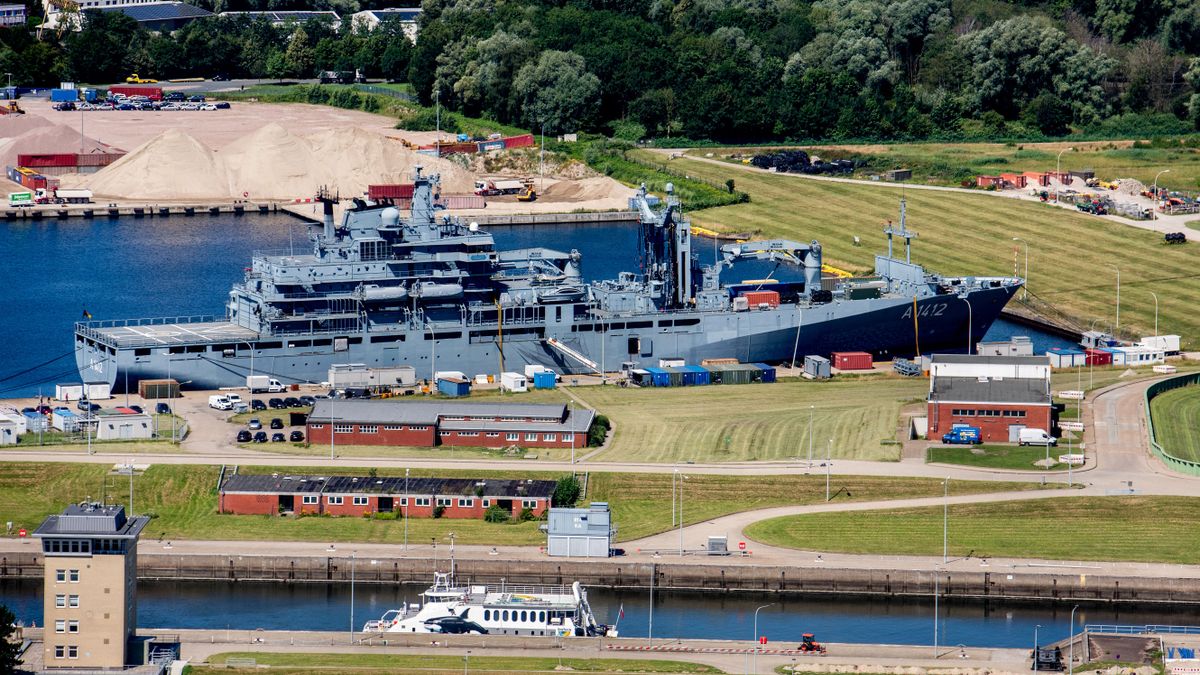
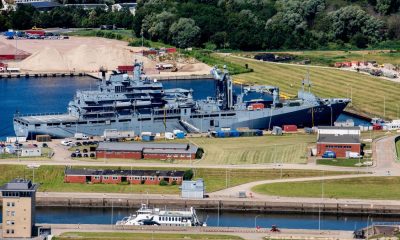
With the transformation of the port of Bremerhaven into a high-capacity military hub and the prospective establishment of a fifth German naval base in Emden, the federal government is accelerating the militarisation of the German coastline.
According to German Foreign Policy, the logistics infrastructure in Bremerhaven will be modernised and expanded to unload massive volumes of weapons and ammunition as quickly as possible and transport them onward to potential battlefields in Eastern Europe.
This is set out in a memorandum of understanding signed this week between the Ministry of Defence and municipal authorities in Bremen.
The federal government is providing up to 1.35 billion euros for this purpose, while the federal state of Bremen is contributing more than 212 million euros.
Bremen has the highest poverty risk and the highest child poverty rate of any federal state in the country.
The allocation of hundreds of millions of euros to expand military logistics rather than tackle poverty is also supported by senators from the Left Party (Die Linke) who sit in the state government.
Modernisation intensifies in Bremerhaven
Bremerhaven, Germany’s second-largest port in maritime freight handling behind Hamburg and ahead of Wilhelmshaven, is regarded as ideal for handling military cargo.
The port possesses significant capacity for offloading not only containers but also vehicles, alongside heavy-lift areas capable of handling even heavy military hardware such as main battle tanks. Moreover, because it can be accessed without passing through locks, access is substantially easier and faster.
Finally, it has good links to roads and particularly to railways, which is vital for the rapid transport of weapons and ammunition in the event of a crisis or war.
The port’s particular suitability as a military transshipment hub also stems from its history: it has been used by US forces since the end of the Second World War.
During the Cold War, it served as the central transshipment port in the Federal Republic of Germany and was expanded accordingly.
After 1990, it lost its significance for the US; however, with the escalation of the conflict in Ukraine, the US presence increased once more.
US activity escalated initially under exercises such as Defender Europe 2020 and subsequently from 2022 onwards in the context of the war in Ukraine.
As early as 2023, experts noted that Bremerhaven was operating as “an arms hub just like in the old days”.
Ports optimised for military logistics
The federal government is currently working to further increase the port’s military logistics capacity.
For instance, harbor basins will reportedly be dredged, and road and rail connections will be expanded.
Container facilities will be modernised and adapted to carry heavier loads.
This applies to both cranes and storage areas, with plans also in place to expand these storage areas into new zones.
A spokesperson for the port operating company Bremenports was quoted as saying: “The efficient transport of military hardware is no longer limited to tanks alone.”
Today, weapons and ammunition are also delivered in containers, which would need to be rapidly unloaded and forwarded in the event of war.
To ensure this, plans are also being made to build a new railway swing bridge at the Kaiserhafen. According to reports, the existing bridge is described as a “bottleneck” that slows down the movement of military equipment unnecessarily.
In addition, the heavy focus on military logistics demands costly security measures.
For example, not only will new fencing and privacy screens be erected, but drone defence systems will also be installed and cybersecurity measures implemented.
Left Party senators back armaments
The federal government is allocating approximately 1.35 billion euros through 2031 to optimise military logistics in Bremerhaven and, in conjunction with this, adapt Bremen Airport more effectively to the needs of the Bundeswehr.
According to the Mayor of Bremen, Andreas Bovenschulte, this represents the largest grant the German government has ever provided for a project in the federal state of Bremen.
The state of Bremen is contributing an additional 212 million euros to the “Bremerhaven 2031 Deployment Hub” project.
While large sums are being funnelled from Bremen’s state budget into war preparations in this manner, approximately 25.9% of the state’s population was classified as at risk of poverty in 2024, with 28.6% of all children living in poverty.
This makes Bremen the federal state with the highest poverty risk and the highest rate of child poverty.
Approval for funding military logistics in Bremerhaven with hundreds of millions of euros from the state budget also came from two Bremen senators belonging to the Left Party.
The Left Party’s Senator for Economic Affairs and Ports, Kristina Vogt, praised the “pragmatism” of “improving our infrastructure, which is already used for civilian purposes, for military ends” rather than constructing new facilities.
North Sea joins Baltic Sea militarisation
With the expansion of the Bremerhaven military hub, the militarisation of Germany’s coasts is progressing.
Until now, the focal point of Germany’s naval infrastructure has been the Baltic Sea coast. This was partly because during the Cold War, the naval activities of the Federal Republic of Germany were directed against the Soviet Union and Warsaw Pact states.
Alongside several training facilities, the German Navy primarily operates three major naval bases here, situated in Eckernfoerde, Kiel, and Rostock-Warnemuende, as well as the Naval Command based in Rostock.
In the North Sea, these are complemented by the naval base in Wilhelmshaven and the Naval Air Command at Nordholz near Cuxhaven.
The Naval Air Command is the third major unit of the German Navy, alongside Flotilla 1 based in Kiel and Flotilla 2 based in Wilhelmshaven.
At present, approximately 16,000 soldiers and 1,800 civilian staff from the Bundeswehr are stationed at the Navy’s main bases and various smaller installations.
As in other branches of the armed forces, the German Navy aims to expand its personnel numbers.
Germany’s fifth naval base to be built
In addition to the four existing naval bases and the Bremerhaven military hub, the federal government plans shortly to announce the construction of a fifth naval base, also located on the North Sea.
According to reports, Emden has been selected as the site for the base. Defence Minister Boris Pistorius and Lower Saxony’s State Minister Olaf Lies are scheduled to outline the next steps regarding a potential new naval base there on Monday.
Emden previously hosted a naval base during the Cold War, but the facility was closed in 1997.
According to reports, one argument in Emden’s favour is that it holds the largest unused area among Lower Saxony’s North Sea ports.
Discussions have been ongoing for some time over how to utilise this disused land reasonably, although these debates previously centred on civilian use.
According to the German Navy’s plans, the new naval base will accommodate seven frigates, ten minesweepers, and ten tugs, alongside a four-digit number of Bundeswehr soldiers and civilian personnel.
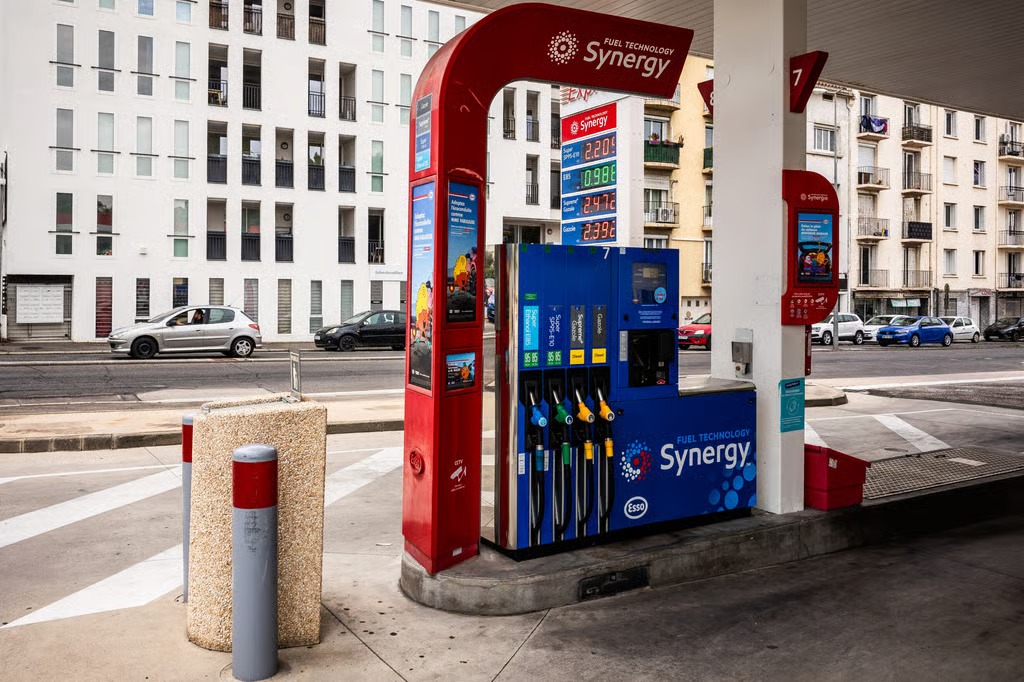
Five European countries have agreed to respond with “one voice” to mounting pressure from the US government to release their oil reserves.
Three European officials told Politico that France, Germany, Britain, Italy, Ireland, and the European Commission participated in talks to determine how to respond to pressure from Washington to draw down their oil reserves or face a ban on US diesel exports.
Two of these sources stated that all of these countries were placed under covert pressure by the US to run down their oil reserves or face a ban on diesel exports from the US.
According to the sources, these countries, together with the EU executive, agreed on three points: responding to the pressure with a “coordinated voice”, ensuring that “any decision on releasing stocks is brought to the IEA [International Energy Agency] level”, and seeking to “de-escalate tension in talks with the US”.
The Paris-based IEA coordinates energy policy among wealthy countries and oversaw the release of oil reserves earlier this year following the closure of the Strait of Hormuz.
One of the sources said the objective was to “de-escalate”:
“Being somewhat firm yet positive in communication… When you are facing a hungry lion, you do not necessarily have to play dirty with it.”
The source added that a wider group of countries, some of which have faced pressure from the Trump administration, would discuss how to react at a meeting scheduled for Friday.
Politico previously reported that US Energy Secretary Chris Wright had demanded the release of oil reserves into the market as an alternative to an export ban on which the EU heavily relies.
As a consequence of the wars in Ukraine and Iran, diesel prices in the US are soaring, placing significant pressure on US President Donald Trump to lower prices ahead of critical midterm elections.
The president is not ruling out an export ban, despite fierce opposition from the US oil industry.
Regarding the export ban, Trump said at an Oval Office event: “I am considering it. I speak to [Energy Secretary] Chris [Wright] and [Interior Secretary] Doug [Burgum] about this often. They think it would help diesel prices, but it could also raise the prices of other products.”

Over 500 former European diplomats urge EU sanctions on Israel

Russian Senator Shenderyuk-Zhidkov speaks at the East-West Forum: “Türkiye should be an independent pole”

We are no longer in 1992, the US has lost its military superiority, Ret. Lt. Col. Davis says

Germany expands North Sea military ports and plans new naval base

Musk appointed co-director of Pentagon future warfare initiative
-

 Diplomacy6 days ago
East-West Forum in Istanbul highlights irreversible shift to multipolarity
-

 Europe6 days ago
European unions urge governments to scrap all Palantir deals
-

 Europe1 week ago
Emmanuel Todd says West faces collapse amid Ukraine and Iran crises
-

 Diplomacy1 week ago
East-West Forum in Istanbul to debate multipolarity and global order
-
 Europe2 weeks ago
European intelligence chiefs divide over risk of Russian attack
-

 Middle East2 weeks ago
Sharaa says 7 October must not shape Israel policy on Syria
-

 America2 weeks ago
Republican support for Trump’s war with Iran drops sharply in polls
-

 Europe6 days ago
Rome protests AfD poster depicting South Tyrol as independent state
