
Diplomacy
EU, US and China intensify competition over Africa’s strategic minerals through Lobito Corridor

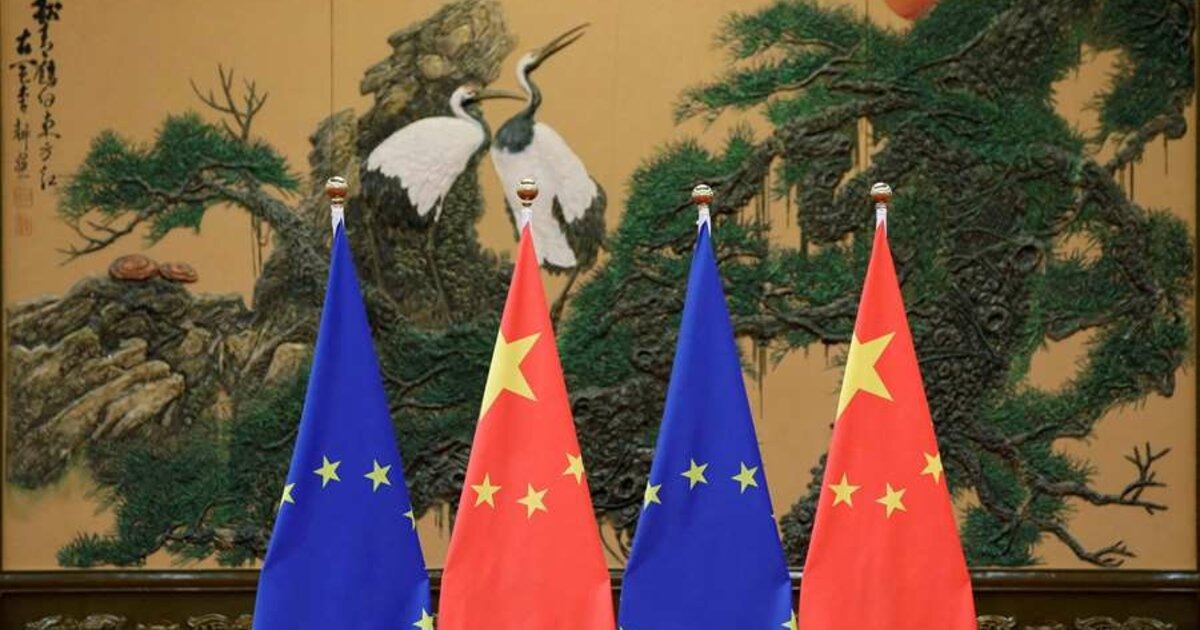
Africa is becoming an increasingly intense arena of competition among China, the US and the European Union over access to strategic raw materials.
According to an analysis by German Foreign Policy, the Lobito Corridor, a rail link connecting the copper belt of Zambia and the Democratic Republic of the Congo to the Atlantic port of Lobito in Angola, is playing a pivotal role in that contest.
The infrastructure project is regarded as one of the flagship initiatives of the EU’s Global Gateway strategy and is also viewed by Washington, which is investing in the region, as a means of reducing dependence on China.
In the future, copper, cobalt, lithium and other raw materials essential for the production of batteries, electric vehicles, digital technologies and military equipment will be transported westward via this route.
The initiative builds on infrastructure originally constructed during the colonial era to facilitate the export of African raw materials.
Critics argue that the expansion of the Lobito Corridor perpetuates existing patterns of resource extraction under new conditions.
Global Gateway as a counter to the Belt and Road
The European Commission approved the Global Gateway programme in September 2021.
Under the programme, nearly €300 billion is to be invested in infrastructure projects across Africa, Asia, Oceania, Southeast Europe, and South and Central America by 2027.
The programme is widely viewed as a response to China’s Belt and Road Initiative.
One of its central objectives is to diversify Europe’s imports of critical raw materials, particularly by reducing dependence on supplies from China.
During a visit to China in late May 2026, German Economy Minister Katherina Reiche of the CDU underscored the importance of secure access to critical raw materials and rare earth elements. This is the area in which Germany remains most dependent on China.
Colonial-era infrastructure remains intact
One of the clearest examples is the 1,300-kilometre Lobito Corridor, which runs from the edge of the Zambia-Southern Congo copper belt to the port of Lobito in Angola.
The core infrastructure of this trade corridor was established through the Benguela Railway, which was built as early as 1902 at the height of European colonial expansion. The railway extended eastward from the port city of Lobito through what is now Angola, providing access to the mineral-rich regions of southern Congo and Zambia.
In 1931, following completion of the initial railway line, the British mining and railway company Tanganyika Concessions transferred its 99-year concession rights to Portugal’s colony of Angola.
The concession expired in 2001, after which the infrastructure, previously controlled by Portuguese authorities, was transferred to the Angolan government.
By 2030, annual copper shipments through the route are expected to reach one million metric tonnes.
Both the EU and the US are relying heavily on the Lobito Corridor in an effort to counter China’s dominant position in Africa’s raw materials sector.
Estimates indicate that roughly two-thirds of global cobalt production originates in the Congo, where Chinese companies are particularly active in mining operations.
China also accounts for approximately 75% of global cobalt processing capacity.
The colonial-era rail line leading to Lobito is intended to redirect exports of copper, cobalt and other raw materials, which have until now largely been shipped eastward via Tanzania, toward western markets, enabling processing in Europe or North America rather than China.
Europe seeks to reduce dependence on China for the green transition
In addition to copper and cobalt, the region holds substantial deposits of lithium, coltan, nickel and rare earth elements, giving it significant economic importance.
These materials are used in electric vehicle batteries, stationary energy storage systems and alloys required for military aircraft production.
Until now, the EU has sourced much of these materials from China. Strategic investment in a new logistics hub in Luau, Angola, located along the Lobito Corridor, is intended to reduce that dependence.
The railway line along the corridor is already operated by a European consortium.
The consortium includes Swiss commodities trader Trafigura, Portuguese construction group Mota-Engil and Belgian rail company Vecturis.
However, the majority of the mines remain under Chinese control. In the Congo, 24 of the country’s 33 cobalt-exporting companies are Chinese-backed.
The Lobito Corridor is being developed through an EU-US partnership
EU efforts to secure influence over the Lobito Corridor are advancing in parallel with similar initiatives by the United States.
In early 2022, the US signed a memorandum of understanding with the EU and other G7 members to mobilise more than $600 billion for infrastructure projects worldwide over the following five years as part of the G7’s Partnership for Global Infrastructure and Investment (PGII).
The Lobito Corridor is one of five key trade, transit and development corridors in Southern Africa designed to improve transport efficiency.
During the administration of President Joe Biden, financing for the Lobito Corridor was launched under the G7’s PGII framework as a flagship project in cooperation with the Global Gateway initiative.
The EU also regards the expansion of the Lobito Corridor as a critical project and has committed more than €2 billion in funding.
That support could increase further. The next EU budget cycle beginning in 2028 envisages nearly doubling spending on development and external assistance, from €108 billion to €200 billion.
EU officials present the strategy as an effort to offer a more comprehensive approach to infrastructure financing than China’s Belt and Road Initiative.
‘America First’ in Africa
The US has pledged hundreds of millions of dollars for the expansion of the Lobito Corridor.
In the final quarter of 2025 alone, it provided $553 million in loans for the project’s expansion.
An additional $200 million in support came from the Development Bank of Southern Africa.
Unlike the Biden administration, which frequently described the initiative as development assistance, the second Trump administration openly characterises the project as an effort to weaken China’s influence, strengthen US control over critical raw materials and diversify supply chains.
For example, Frank Garcia, a former naval officer appointed in late May as Deputy Assistant Secretary of State for African Affairs, praised the Trump administration’s continuing engagement on the continent.
Highlighting the Lobito Corridor in particular, Garcia said the project aligns key US interests in Africa with the “America First” approach.
Germany in Africa for the energy transition
Last autumn, German President Frank-Walter Steinmeier travelled several kilometres on the newly restored railway line along the Lobito Corridor and described it as “a strategic infrastructure project of enormous economic importance.”
The German politician added: “Of course, this infrastructure connection also creates investment opportunities for European and German companies along its route.”
Portuguese construction company MCA is currently building solar energy parks in 60 municipalities across Angola at a cost of just under €1.29 billion.
The client is Angola’s Energy Ministry, while the German government is supporting the project through export credit guarantees.
Should Angola fail to meet its payment obligations, Germany would step in. A total of 95% of the project value is guaranteed by the Federal Republic of Germany.
In return, Angola agreed to allow German companies to participate in the project. For example, the battery storage system is being supplied by SMA Solar Technology, based in Niestetal near Kassel.
German solar technology provider Gantner Instruments Environment Solutions is supplying the digital control system.
Critics of the Lobito Corridor expansion warn that the project will primarily benefit the EU and the US.
In their view, the initiative promotes the export of African raw materials rather than strengthening intra-African trade.
Although the EU presents these measures as a development project aligned with African interests, critics argue that they ultimately represent a continuation of Western exploitation of African resources.










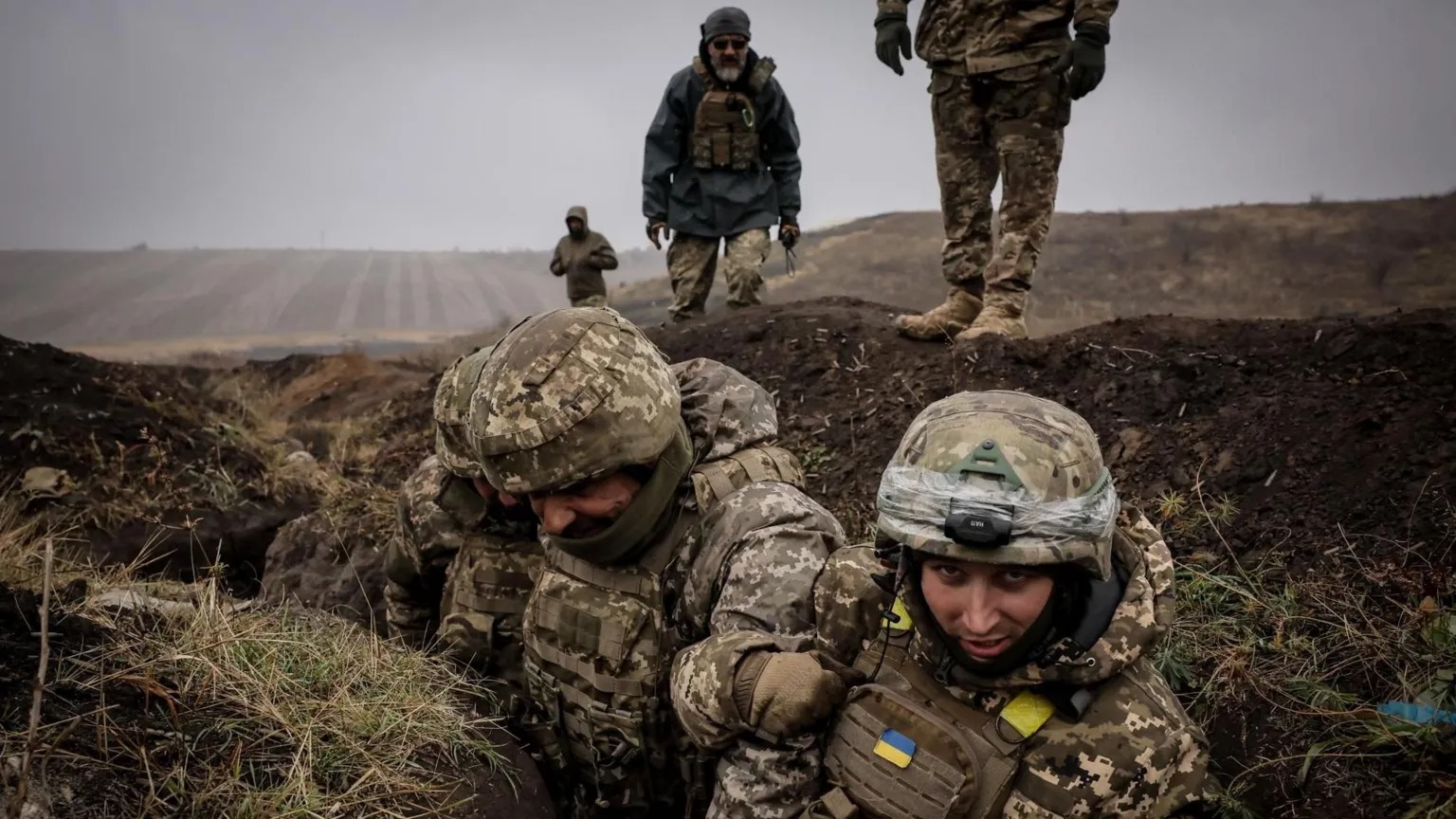
Draft proposals by the US administration to end the war in Ukraine envisage establishing a demilitarised line in the Donbass region, easing sanctions against Moscow, and offering a comprehensive investment package to Kyiv.
According to a report by the British magazine The Economist, citing Ukrainian officials, Washington is working on a broad framework comprising both economic and political points to persuade the parties to reach a settlement.
Under the draft plan reported by the publication, Russia is offered the opportunity to conclude trade agreements with the US, an easing of sanctions, and the normalisation of political relations.
Ukraine, in exchange for relinquishing its goal of NATO membership, is promised direct foreign investment and European Union accession.
The report notes that Ukrainian officials do not possess complete visibility over every detail of the final text on the table, but are closely familiar with its overarching framework.
Nord Stream pipeline and natural gas shipments on the table
The Economist reported that the package designed to persuade the leadership in Moscow also includes items such as the resumption of Russian natural gas sales to the European market and the reactivation of the Nord Stream pipeline.
The magazine also points out that decisions regarding the operation of a pipeline located on European territory do not fall directly under US jurisdiction.
Ukrainian negotiators, meanwhile, are concerned that the Washington delegation may lock in commercial agreements in line with its own economic interests before the fighting formally stops.
Speaking to the magazine, a Ukrainian official summed up the American side’s approach with the words: ‘Why wait and waste time? Time is money.’
Diplomatic contacts intensify at leadership level
Stating that it is ready for talks, the Russian government announced that an agreement had been reached in recent contacts with Washington to launch a trilateral negotiation process that would also include Ukraine.
Russian President Vladimir Putin said: ‘The objective of these negotiations will be to address the issue of ensuring the security of Ukraine and Russia once peace agreements are reached.’
As part of these diplomatic efforts, US President Donald Trump’s special envoy, Steve Witkoff, met Russian leader Putin on 21 October at the Konstantinovsky Palace in St. Petersburg.
Speaking during the portion of the meeting open to the media, Witkoff noted that he had brought documents outlining a pathway to peace and asked Putin to examine these texts.
Kremlin spokesperson Dmitry Peskov announced that the president would evaluate the American proposals.
Noting that concrete ground for a ceasefire had emerged during the St. Petersburg meeting, Witkoff expressed hope for the start of trilateral contacts between Russia, the US, and Ukraine to address technical matters.
Putin thanked Trump for his interest in peace efforts and recounted that the US president had specifically emphasized during their recent telephone calls that the war must end as soon as possible.
Framework prepared in Oslo carried to Moscow
Immediately before his visit to St. Petersburg, Witkoff had attended talks held on 20 October in Oslo, the capital of Norway.
Trump’s son-in-law Jared Kushner joined the meeting remotely due to illness, which was attended by Ukrainian President Volodymyr Zelenskyy, Finnish President Alexander Stubb, and Norwegian Prime Minister Jonas Gahr Store.
According to information provided by Stubb, the parties at the Oslo meeting clarified key security and economic elements that the American envoy would present to Moscow. Air defence systems, energy infrastructure, and partial ceasefire measures were also discussed.
Commenting after the talks in St. Petersburg, Russian presidential aide Yury Ushakov argued that the newly presented approaches did not contain many elements useful for a resolution.
Noting that Witkoff informed Putin about the contacts in Oslo and relayed fresh nuances in the positions of European leaders and the Kyiv government, Ushakov stated that the meeting was thorough and frank, adding that the conflict is ‘moving toward an end.’
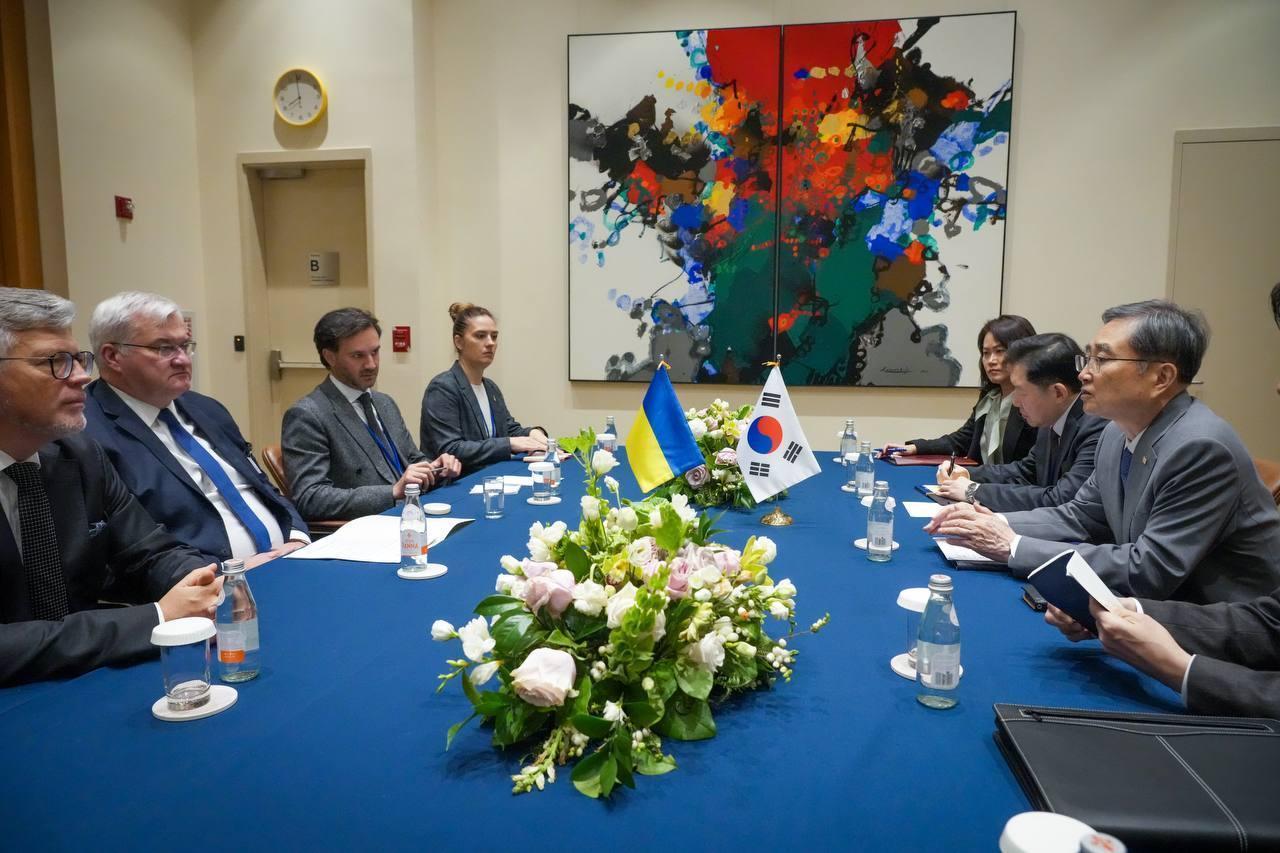
The South Korean government has decided to withdraw part of its embassy staff from Ukraine.
According to the Yonhap news agency, Foreign Ministry spokesman Park Doo-sun cited the Kyiv administration’s failure to take “positive steps” in the dispute that began with the leak of information concerning the handover of North Korean prisoners of war as the justification for the move.
The spokesman also listed the ongoing threat of air strikes, which complicates the safety of diplomats, among the reasons.
Following the withdrawal of part of the personnel, essential diplomatic contacts will continue under the leadership of the charge d’affaires ad interim to Ukraine. All consular staff tasked with protecting South Korean citizens will remain in Ukraine.
Prior to this move, the Seoul administration decided on 8 October to withdraw its ambassador. The Foreign Ministry stated at the time that it was ready to continue consultations with Kyiv to resolve the emerging issues constructively.
Tensions between the two countries began with a speech delivered by Ukrainian President Volodymyr Zelenskyy at the United Nations General Assembly in September.
Zelenskyy announced that two captured soldiers from the North Korean army had been handed over to South Korea.
South Korean President Lee Jae-myung, meanwhile, accused Kyiv of breaching a confidentiality agreement.
Lee said the disclosure of this information endangered the prisoners’ families and stability on the Korean Peninsula.
Seoul expects a public apology
Dmytro Lytvyn, an adviser to the Ukrainian president, denied the existence of a confidentiality agreement.
The South Korean Foreign Ministry summoned Ukrainian Charge d’Affaires Andriy Veshkin on 28 September and issued a note of protest against Lytvyn’s remarks.
President Lee Jae-myung warned in a statement on 2 October that they would take additional measures against Kyiv if Ukrainian authorities did not acknowledge the agreement and make a public apology. Lee stated that Ukraine itself had initially requested that the transfer of the prisoners be kept confidential.
Ukrainian Foreign Ministry spokesman Heorhii Tykhyi said the dispute stemmed from differing interpretations of the confidentiality regime.
Tykhyi noted that Seoul, based on its constitution which recognises the entire Korean Peninsula as its own territory, requested that the prisoners be handed over “like its own citizens”.
Describing the handover as a “gesture of goodwill”, Tykhyi stated that they were conducting closed-door negotiations to resolve differences of opinion.
Ambassador Park Ki-chang returned to Seoul on 10 October. According to a report by The Korea Times newspaper citing the ministry, recalling the ambassador served as a diplomatic protest against the leak of information regarding the prisoners.
The newspaper wrote that South Korea had last taken a similar step in 2008 by withdrawing its ambassador to Japan.
Moscow warned foreign diplomats
On 3 October, the Russian Foreign Ministry reiterated its warning to foreign nationals, including diplomatic mission staff, against remaining in Ukraine.
The ministry recalled its advice to leave Kyiv, citing ongoing strikes against military targets.
The ministry noted that those who failed to heed the warnings would bear responsibility for the potential consequences.
Kremlin spokesman Dmitry Peskov said in a statement on 24 September that they had no information regarding Kyiv handing over two North Korean prisoners of war to Seoul.
Peskov, noting that prisoner matters fall under the authority of the Defence Ministry and intelligence services, said, “Contacts through the special services are continuing.”
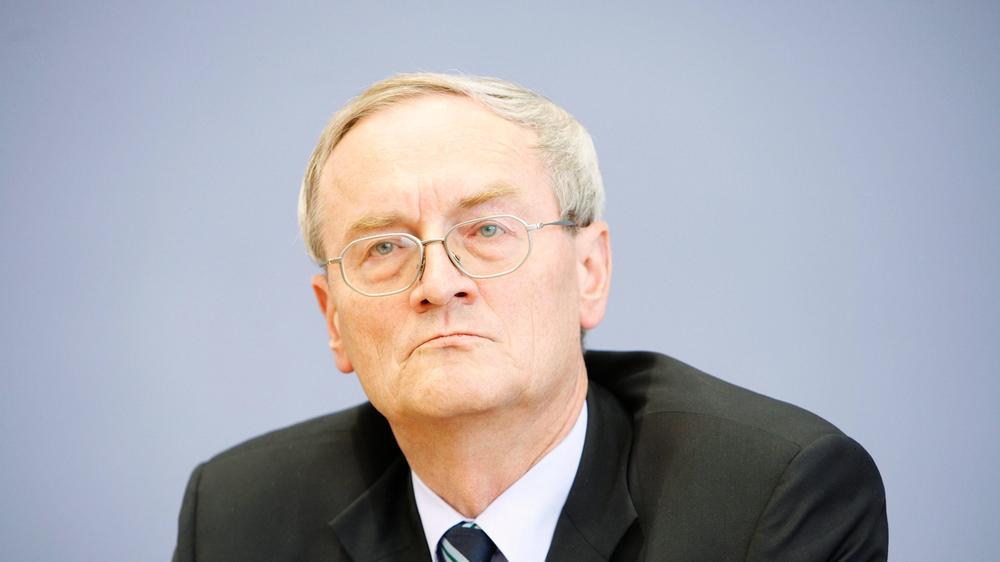
August Hanning, who led Germany’s Federal Intelligence Service (BND) between 1998 and 2005, was arrested on 6 October on allegations that he obtained roughly 2,000 classified agency documents and used them during contacts with intelligence officers from a foreign state.
Accused of high treason and espionage on behalf of a foreign intelligence agency, the former spy chief is alleged to have procured the documents from former BND employee Manfred D.
Prosecutors stated that the leaked records included internal briefing notes presented to senior German officials, though the Berlin government has not yet publicly disclosed which country received the classified data.
According to an exclusive report by Jake Green for The Cradle, seized email exchanges revealed extensive ties between the arrested Hanning and former Mossad director Danny Yatom.
The correspondence shows that the two former intelligence directors built an ongoing network of contacts following their public service, combining commercial ventures, efforts to secure political influence, and intelligence links.
This dynamic has triggered debate that using personal connections and official access for private gain has left Germany’s intelligence apparatus vulnerable.
Intelligence notes for 10,000 euros and campaign proposals
According to the reviewed emails, Hanning told Yatom in a 2018 message that he could prepare an “overall assessment based on information obtained from senior German officials and intelligence agencies” concerning an unidentified candidate.
The former BND head committed to completing the report by 13 July in exchange for 10,000 euros.
Contacts between the two men subsequently expanded to cover domestic political processes in Germany. Ahead of the September 2021 federal election, Yatom asked Hanning to approach leading candidates.
Describing CIY Global as a “political campaign company”, the former Mossad chief noted that he aimed to introduce its capabilities to German politicians, and he mentioned his intention in the same exchange to transfer documents concerning a cybersecurity firm.
Cybersecurity partnership and surveillance operations across Europe
The partnership between Yatom and Hanning reached beyond political lobbying initiatives into the cybersecurity sector.
Hanning reportedly served as a consultant for World Health Energy Holdings, a cybersecurity company linked to Yatom.
Firms of this type, established or managed by former intelligence personnel, provide commercial platforms on the international market for Israeli-origin surveillance, cyber intelligence, and political influence capabilities.
The operational presence of private Israeli-based surveillance technologies across Europe has recently entered judicial records through scandals in Poland, Spain, and Greece.
Polish prosecutors announced on 12 October that data collected under the previous government via Pegasus spyware against political opponents had been transferred out of the country, adding that manufacturer NSO Group maintained access to the technical infrastructure.
In Spain, the 2022 CatalanGate investigation established that at least 65 people, including politicians, lawyers, and civil society representatives, were targeted using Pegasus or Candiru software, with Citizen Lab researchers publishing strong evidence linking the operation to Spanish authorities.
In Greece, the surveillance operation targeting journalist Thanasis Koukakis and Member of the European Parliament Nikos Androulakis was determined to have used Predator software, linked to Intellexa, a company founded by former Israeli intelligence officer Tal Dilian.
In the German espionage investigation, the traffic between Hanning and Yatom involving paid reporting, contacts with electoral candidates, and commercial partnerships does not yet provide conclusive legal evidence regarding the final destination of the roughly 2,000 classified documents.
Nevertheless, the disclosed correspondence gives German investigators a concrete line of inquiry to assess whether classified state secrets reached commercial networks tied to Israeli intelligence.

“The AfD is not a fascist party, but a party for fascists”

Nokia and ICEYE sign deal to build sovereign Ukraine satellite network

Mélenchon’s “new France” vision triggers fierce cross-party debate

US envoy says Syria interim leader Sharaa seeks Israel normalization

Unauthorised AI agents access customer accounts at major US banks
-

 Europe2 weeks ago
Berlin Left Party backs Israel’s right to exist for coalition pact
-

 America2 weeks ago
Trump weighs presidential memorandum to cut surging US diesel prices
-
 Diplomacy1 week ago
SWP urges backing for Gulf trade routes bypassing Strait of Hormuz
-

 Europe1 week ago
LSE study finds post-bailout Greece turned into a cafe economy
-
 America2 weeks ago
Thiel targets Pope and Obama over AI in new ‘Antichrist’ lectures
-
 Diplomacy2 weeks ago
EU and China reach preliminary deal to curb hybrid car imports
-

 Russia2 weeks ago
Russia relaxes diesel export curbs after talks with Trump
-
 America2 weeks ago
Energy firms enlist ex-US officials to tap Venezuelan oil
