
America
Data leak exposes Peter Thiel’s secret ‘Dialog’ network of politicians, regulators, and tech elites

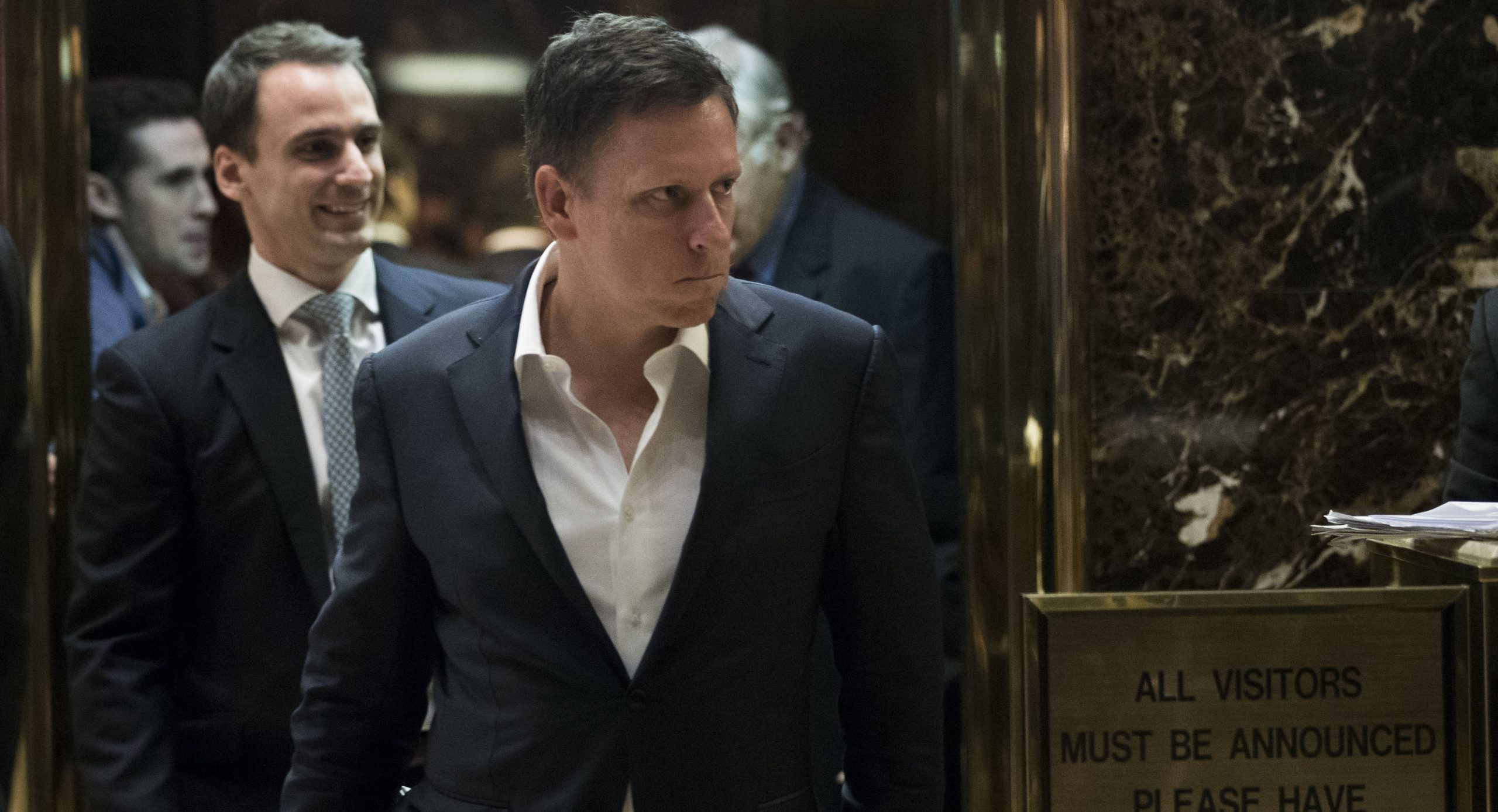
“Dialog,” an exclusive, highly secretive association founded by billionaire technology investor and Palantir co-founder Peter Thiel, has had its internal records exposed online. The leaked documents reveal the identities of influential figures spanning US politics, finance, national security, and technology who have participated in the group’s private gatherings.
According to a report by WIRED, the society’s internal directories and registry records were left exposed on the internet, laying bare the attendee lists for its highly restricted events.
Established by Thiel in 2006, Dialog is an invitation-only private organization that convenes US officials, foreign government representatives, and Silicon Valley executives for off-the-record annual retreats. For nearly two decades, the organization has consistently declined to disclose its membership rolls.
The exposure began when a directory embedded in the source code of the group’s website was discovered by Swiss hacker maia arson crimew. Known for previously exposing the US government’s No Fly List and breaching the systems of security camera firm Verkada, the hacker told WIRED that the directory was uncovered via an anonymous tip. WIRED independently verified the authenticity of the directory’s contents.
Separately, a source provided WIRED with the registration list for Dialog’s upcoming 2026 retreat.
The list features the names of 222 individuals, detailing each attendee’s membership status and designation, including classifications such as “active member” and “guest.” The retreat is scheduled to take place from August 12 to 16, 2026, at the Powerscourt Hotel, located just outside Dublin, Ireland.
The leaked data also details a program composed of closed-door sessions. Panel titles include: “Does Money (Really?) Buy Happiness,” “Bring Back Nuclear Power,” “Navigating WWIII,” “Battlefield Technologies,” and “How Is Your Sex Life?”
Other scheduled discussions include a session titled “Start a Cult,” led by the founder of the Christian networking site Pray.com, and “Start a Party,” conducted by a former White House national security official.
While some of the documents contain the standard material of typical thought-leadership conferences, they also reveal an extraordinary convergence of institutional and private power.
Among the registry records is General Alexus Grynkewich, the Commander of US Air Forces Central Command who took office as the Supreme Allied Commander Europe of NATO and Commander of US European Command in July 2025. The leaked list indicates that Grynkewich has attended Dialog events since 2021.
The website directory also lists current Trump administration officials, two US senators, six members of the “PayPal Mafia,” a former Middle Eastern intelligence chief, and a sitting US ambassador. These names appear alongside the founders and executives of some of the United States’ largest surveillance, data brokerage, and advertising data firms.
These industry executives appear in the directory alongside the very regulators and lawmakers who oversee their sectors.
For instance, Dialog’s chairman, Auren Hoffman, co-founded SafeGraph, a location data broker, and LiveRamp, an identity-resolution firm—two pivotal suppliers in the consumer data economy.
Hoffman is listed in the directory alongside Treasury Secretary Scott Bessent, who shapes financial data regulations, and Senator Ted Cruz, the Chairman of the Committee on Commerce, Science, and Transportation, which oversees the Federal Trade Commission and data privacy authorities.
Similarly, Palantir co-founder Joe Lonsdale is listed in the same association directory as Secretary of the Army Dan Driscoll and Representative Jim Himes, the ranking member of the House Intelligence Committee, which oversees the intelligence agencies with which Palantir contracts.
None of the individuals named in the WIRED report responded to requests for comment. Raffi Grinberg, who identifies himself on LinkedIn as Dialog’s executive director and is the author of the self-help book How to Be a Grown-Up, also did not respond to inquiries.
The registry records appear to document not only who holds membership in Dialog, but also who has confirmed attendance for upcoming events.
Of the 222 individuals registered for the 2026 event, 87 are marked as first-time attendees, according to the leaked records.
Others have histories with the group spanning more than a decade, with a select few dating back to the society’s founding 20 years ago. None of the registrants, including Grynkewich, utilized official government email addresses to register.
Instead, all participants registered using personal or corporate email accounts, effectively keeping their correspondence and attendance outside the purview of public records laws that apply to government email systems.
According to WIRED, the primary thread uniting the attendee list—beyond titles and offices—is a shared interest in artificial intelligence, longevity, and the near future.
When prompted on the registration form to predict future trends, registrants repeatedly returned to a central theme: that artificial intelligence will thoroughly restructure commerce, warfare, education, and faith within a few years.
Several participants predicted mass unemployment and a subsequent return to labor unions and state-sponsored programs. Others anticipated an “AI winter,” domestic terrorism targeting data centers, defendants choosing AI-powered attorneys over public defenders, or a religious revival triggered by these technological shifts.
Another registrant predicted that “societal decay will continue to accelerate.”
Members also listed personal skills on their forms, ranging from “funhouse construction,” accent mimicry, backcountry skiing, and urban exploration to “meditative and psychedelic exploration into the nature of reality.”
One participant listed “compassion and existential dread” as personal talents, while another listed “dinner parties, keeping secrets, remembering birthdays.”
The book recommendations listed by participants are classic and optimization-oriented. Recommended texts include works by Marcus Aurelius and Milan Kundera, alongside Annie Duke’s Thinking in Bets, Peter Attia’s Outlive, and—recommended by at least one attendee—Thiel’s own book, Zero to One.
Dialog also facilitates personal matchmaking. The registration form asks participants, “Are you looking for love?” and offers options to opt into a “future matchmaking” database as a “Single Male,” “Single Female,” or “Other.”
A separate website, dating.dialog.org, hosts an application promoted with the slogan: “meaningful connections for extraordinary people.”
The form also collects sensitive personal data, including the “political leaning” of each participant. Dialog pledges on the form that this information “will never be shared on the app or with other attendees.” However, this data and the matchmaking responses were both compromised in the leak.
The records are maintained on Airtable, a commercial database platform. For each participant, Dialog records their membership status, a history of all retreats attended, a biography, their city of residence, and a personal access token.
The leaked registry contains high-profile names that do not appear in the group’s public-facing directory. Among them are Randy Kroszner, a former Federal Reserve Governor who currently serves on the Bank of England’s Financial Policy Committee; Hallie Hoffman, former general counsel and acting chief of staff for the Drug Enforcement Administration (DEA); Jonathan Greenblatt, CEO of the Anti-Defamation League (ADL); Peter Goettler, President of the Cato Institute; Ryan Stowers, executive director of the Charles Koch Foundation; and Roger Myerson, a Nobel laureate economist from the University of Chicago.
The list also includes a contingent of Google and Google DeepMind executives, including Tom Lue, who manages global relations for the company’s pioneer AI division, as well as Washington Post national security correspondent Souad Mekhennet.
The remainder of the roster consists of hedge fund and private equity billionaires, current and former foreign officials, television actors, bestselling authors, and religious leaders.
Among the internal documents left exposed on the database was a guide for event moderators.
The document instructs moderators to remind participants that all discussions are strictly “off-the-record” and that comments must be concise and “non-obvious.”
Moderators are also instructed to keep introductions brief to “avoid status signifiers” in rooms crowded with senators, high-ranking officials, and corporate leaders.
Since its inception, Dialog has operated with a minimal public footprint. It hosts at least one meeting per year where seating is pre-assigned, sessions are structured by moderators, and strict non-attribution rules apply to all remarks.
According to Axios, which first reported on the group’s plans to establish a physical campus in the Washington, DC area, past meetings have been held at the Ritz-Carlton Dove Mountain in Arizona and the San Clemente Palace in Venice, Italy.
The society has frequently been described as a technology-sector equivalent of the Bilderberg meetings, where Western political and business elites convene behind closed doors.
In 2022, statistician Andrew Gelman published one of Dialog’s invitation letters on his blog, revealing the event’s format and a registration fee exceeding $16,000.
The invitation list for the group’s 2014 meeting re-entered public scrutiny this year after the US Department of Justice released files showing Jeffrey Epstein was among approximately 150 invitees. Whether Epstein actually attended the meeting remains unclear.









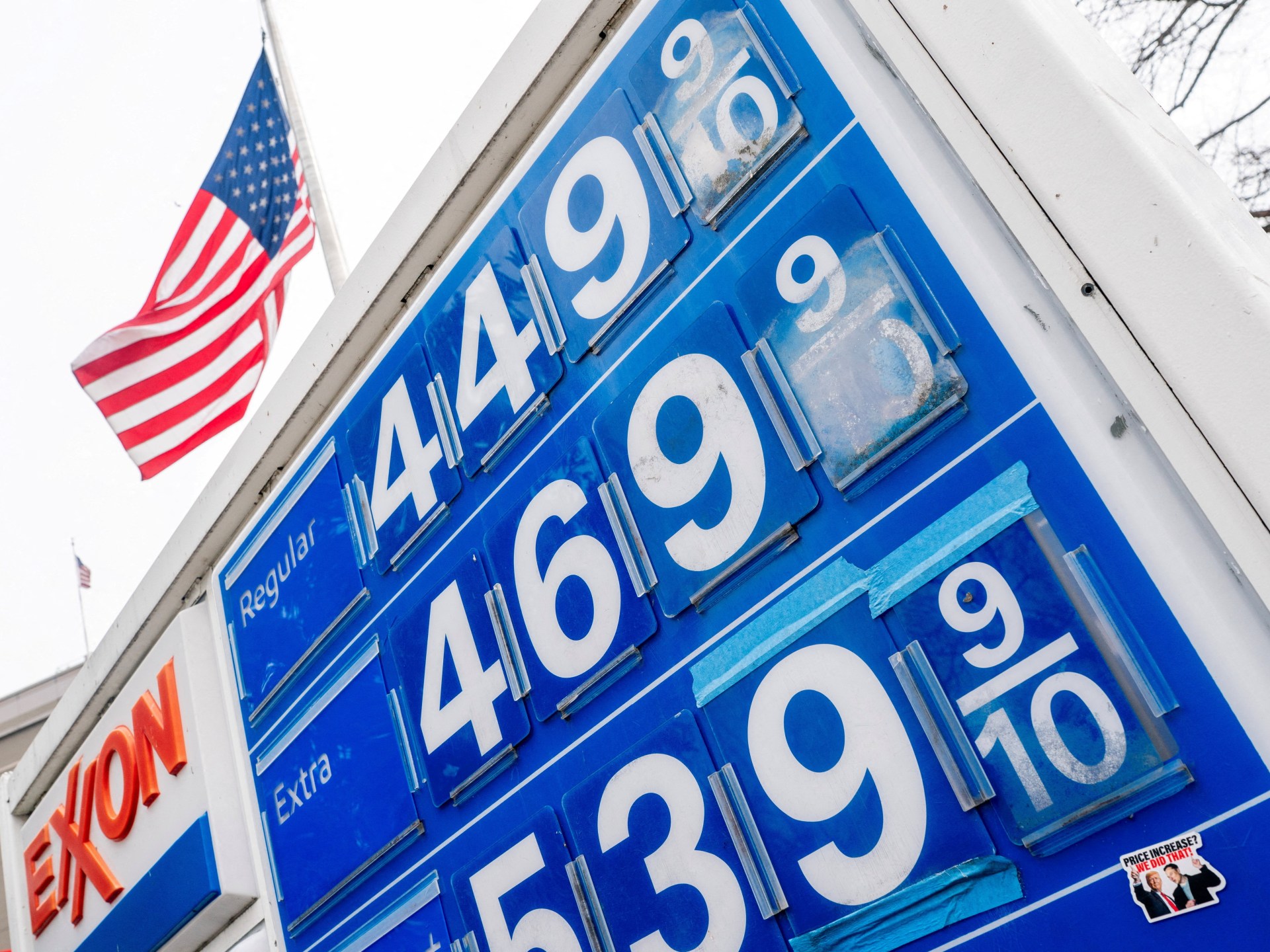
The economic toll of the conflict on the US has reached $265 billion in the roughly eight months since the start of joint US and Israeli strikes against Iran.
According to calculations by Moody’s Analytics Chief Economist Mark Zandi, this amount imposes an additional burden of approximately $2,000 on the budget of an average American family.
Sharing data on his X account on Tuesday, Zandi noted that the cost per household since the war began stands at about $2,000, with nationwide economic losses reaching $265 billion.
This estimate is seven times higher than the direct military spending figure reported to Congress by Secretary of War Pete Hegseth, which covers the period between the start of the strikes on 28 February and the end of July.
While Hegseth’s official figures cover only direct military operations, the conflict’s impact on global markets and oil prices is driving up inflation and day-to-day living costs, deepening the real burden on household budgets.
Fuel and heating costs strain budgets
Energy items account for the largest share of the additional expenses facing American households. The surge in fuel, home heating, and transport costs has generated an extra bill of about $1,100 per family.
Zandi noted that the price of regular petrol, which hovered just below $3 per gallon before the war, has risen to $4.37, while diesel has exceeded $6 and jet fuel has nearly doubled.
Pointing out that a marked rise in residential heating fuel costs is driving up spending as winter approaches, Zandi said current price levels continue to add roughly $50 a week to family budgets.
Researchers at Brown University’s Watson Institute for International and Public Affairs are also tracking the impact of rising fuel prices on consumers.
According to data from the institute, US consumers have paid an extra $133.3 billion for fuel products since 28 February.
During this period, petrol prices rose by more than 46% and diesel climbed by over 70%. Of this additional burden borne by consumers, $73.5 billion stemmed from petrol and $59.8 billion from diesel. This calculation translates into an extra cost of $1,017.76 per household nationwide.
Loan interest rates and operational outlays inflate the bill
Another decisive factor in the economic picture has been the rise in interest rates.
Zandi reported that climbing interest rates have created a cost of approximately $540 per household.
Fixed-rate home mortgage rates, which stood below 6% before the war, have climbed to roughly 7.5%, Zandi said, adding that long-term rates have also increased substantially.
Direct military operations, meanwhile, represent a cost of $360 per household based on Pentagon data.
However, experts point out that repair, maintenance, and equipment replenishment expenses are excluded from the published figures, meaning actual military spending on the ground could exceed Pentagon estimates.
Linda Bilmes, a war budget specialist who teaches public policy at Harvard Kennedy School, said she is certain the conflict’s bill will reach $1 trillion, adding, “Maybe we’re already there.”
Trump defends spending as public support drops
The mounting economic strain is fuelling backlash against the military campaign and US President Donald Trump’s handling of the process.
A Pew Research Centre survey conducted on 28 September-4 October among 5,062 adults revealed that 65% of Americans disapprove of the way Trump is handling the Iran strikes.
The proportion of those who consider the use of military force justified dropped four percentage points compared with March, falling to 34%.
Emphasizing that the total cost has wiped out roughly half of the average American household’s income gains over the past eight months, Zandi said it is natural for public support for the war to remain so low.
According to figures shared by pollster Nate Silver, Trump’s net approval rating has tumbled to an all-time low of minus 23.5 points.
Defending the military intervention against Iran, Trump described the costs as “a small price to pay to keep our country and the world safe.”
With the surging cost of living piling pressure on Republicans ahead of the November midterm elections, Trump announced last month that he would provide a $5,000 cash payment to every adult in the country if his party maintains its majorities in both chambers of Congress.
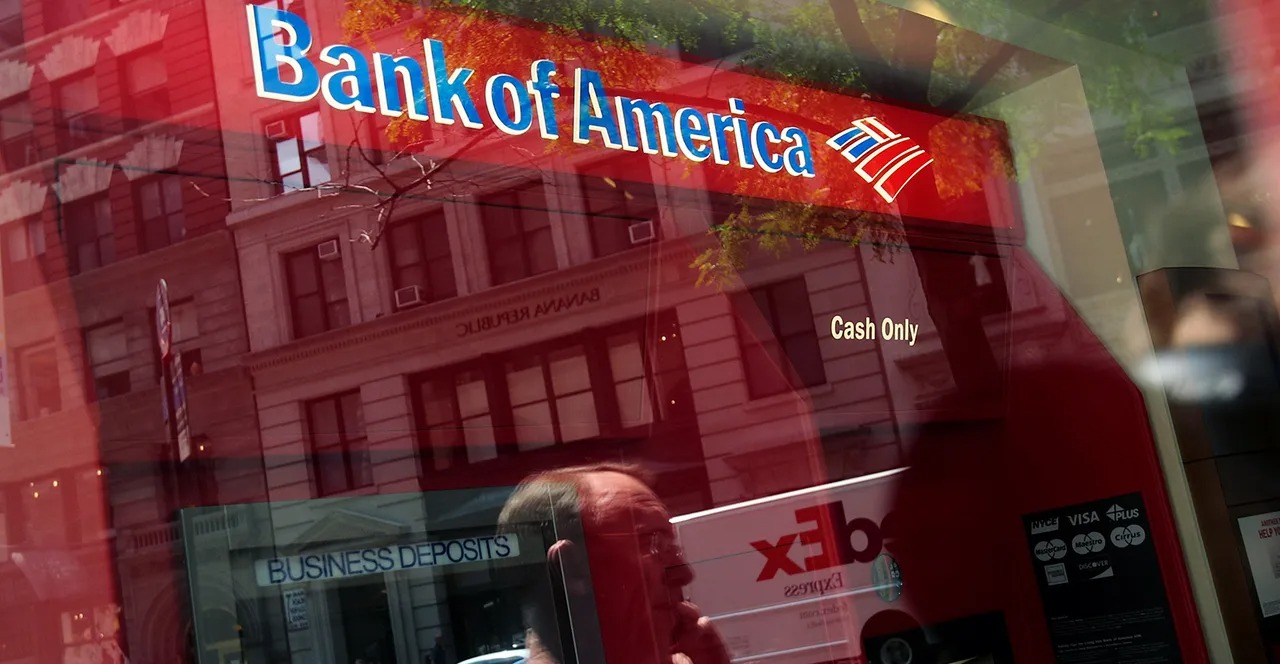
The US Department of the Treasury has imposed a total of $1.21 billion in financial penalties on Bank of America, one of the country’s largest financial institutions, for violating anti-money laundering legislation and sanctions regimes.
According to a statement published by the department, the bank was accused of failing to report suspicious transactions in a timely manner, failing to monitor financial movements that posed national security risks, and providing services to clients on sanctions lists.
Decisions by units operating under the Treasury Department accounted for the largest components of the penalty package.
The Financial Crimes Enforcement Network (FinCEN) penalised the bank for failing to report more than $5 billion in suspicious transactions in a timely manner.
More than $1 billion of that amount was noted to be directly linked to national security risks, including the operations of China-based money laundering networks.
Under the settlement reached with FinCEN, Bank of America admitted to willfully violating the Bank Secrecy Act. The bank was required to conduct an additional review covering suspicious transactions and to assess the effectiveness of its financial monitoring system.
The Office of the Comptroller of the Currency (OCC) separately fined the bank $750 million over structural deficiencies in its financial monitoring system.
The OCC stated that the bank failed to maintain adequate oversight over trillions of dollars in fund transfers and did not remedy the violations despite a formal notice served in December 2024.
The Office of Foreign Assets Control (OFAC) also stepped in over millions of dollars in transactions carried out in breach of sanctions regulations. OFAC reached an $11.6 million settlement agreement with Bank of America concerning 475 distinct potential sanctions violations.
Assessing the matter, US Treasury Secretary Scott Bessent said, “The actions taken today send a clear message that even the largest financial institutions are not above the law.”
UK fines banks over breaches of Russia sanctions
Alongside the penalty decision in the US, similar sanctions scrutiny is being carried out across European financial centres.
In September, the Office of Financial Sanctions Implementation (OFSI), an agency of the UK Treasury, fined Citibank’s London branch (CBNA London) £4.7 million for violating sanctions targeting Russia.
According to findings by the British regulator, between February and November 2022 following the outbreak of armed conflict between Russia and Ukraine, the bank processed 970 payments worth a combined £19.7 million, circumventing asset freezes and other restrictions. The government stated that the majority of the violations were linked to corporate accounts owned or controlled by sanctioned individuals. Russia, meanwhile, describes sanctions imposed by Western nations as illegal.
During the spring, OFSI also fined the London branch of Germany’s Deutsche Bank £165,000 ($221,000) for transferring funds to the Russian online streaming platform Okko.
Over the same period, the watchdog imposed a £390,000 fine on Apple’s European entity, Apple Distribution International (ADI), for a similar violation.
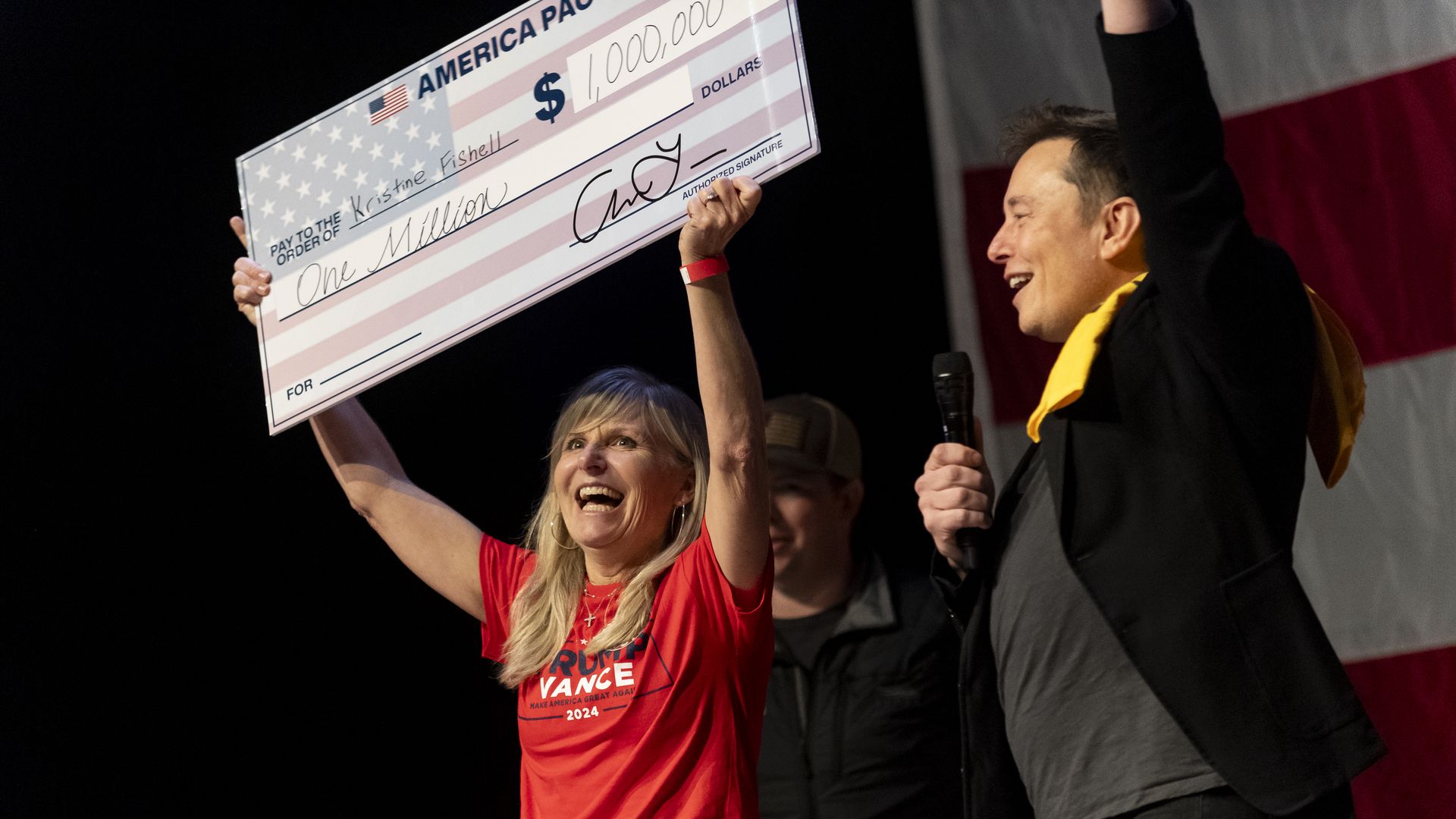
The world’s richest person, Elon Musk, has donated $276 million over the past three months to political action committees and conservative organizations supporting Republicans ahead of the upcoming US midterm elections.
The latest transfer brings the total midterm donations from Musk, the chief executive of Tesla and SpaceX, to $366 million.
First reported by The New York Times, the figures were confirmed to The Hill by a spokesperson for America PAC, which Musk founded. These latest expenditures establish Musk as the largest known donor of the 2026 midterms.
The bulk of Musk’s financial backing between July and September was directed towards congressional races.
The US billionaire transferred $158 million to the Senate Leadership Fund, a super PAC supporting Republican Senate candidates, and $20 million to the Congressional Leadership Fund, which finances House Republicans.
Millions divided among various committees
Musk, who provided more than $76 million during the period to America PAC, an entity he founded during the 2024 election cycle, also funded state-level contests.
The businessman transferred $10 million to the Lone Star Liberty PAC, which supports Texas Republican Senate candidate Ken Paxton, while donating $10 million to the Republican Governors Association and $2 million to the Republican Attorneys General Association.
In statements given to The New York Times and confirmed by The Hill, America PAC spokesperson Andrew Romeo argued that if Democrats take control in Washington and win critical state races, the country faces the risk of becoming one with indefensible borders.
Romeo said the investments enable the Republican apparatus to deliver its messages to voters.
Field spending continues despite talk of retreat
Musk, who kept his distance from politics for many years, entered the arena by spending hundreds of millions of dollars for Donald Trump during the 2024 election.
Accompanying Trump on campaign trails, Musk subsequently took charge of the Department of Government Efficiency (DOGE), which sparked controversy through federal employment and budget cuts.
Musk stepped down from his White House role in late May 2025 and remained politically quiet for months following a public rift with Trump.
After announcing last May that he would sharply scale back his political spending, Musk told The Economist in a July interview that he had become overly involved in politics and had gone too far.
Despite those remarks, Musk pressed ahead with political activity in July by authorizing America PAC to spend between $100 million and $120 million on a fresh field operation aimed at driving conservative voter turnout in the 2026 midterms.
Having repaired ties with Trump following their public spat, Musk joined the US president on an official visit to China in May and was also present during Chinese President Xi Jinping’s visit to Washington last month.

Ex-BND head Hanning tied to former Mossad chief amid spy inquiry

Iran war costs US economy $265 billion as household burden mounts

Trump dismisses US envoy to Greece Kimberly Guilfoyle

Most EU citizens reject fast-track Ukraine accession, poll finds

Ex-US official says air defences fail against Yemeni airport strike
-
 Europe2 weeks ago
Le Pen proposes German-style debt rule to soothe French bond market
-

 Russia2 weeks ago
US and Russia hold multi-billion-dollar talks on Lukoil foreign assets
-
 America2 weeks ago
US AI spending needs 9% of GDP by 2032 to justify capital boom
-
 Europe2 weeks ago
France and Germany urge EU market kill switch against trade threats
-
 Europe1 week ago
Bill to drop NATO membership goal submitted to Ukrainian parliament
-

 Europe2 weeks ago
Over 500 former European diplomats urge EU sanctions on Israel
-

 America2 weeks ago
Flavio Bolsonaro leads Lula as Brazil election heads to run-off
-
 Europe1 week ago
Marine Le Pen unveils fiscal programme pledging French budget cuts
