
Middle East
Hamas elects new Gaza leadership in secret vote as internal factions debate future

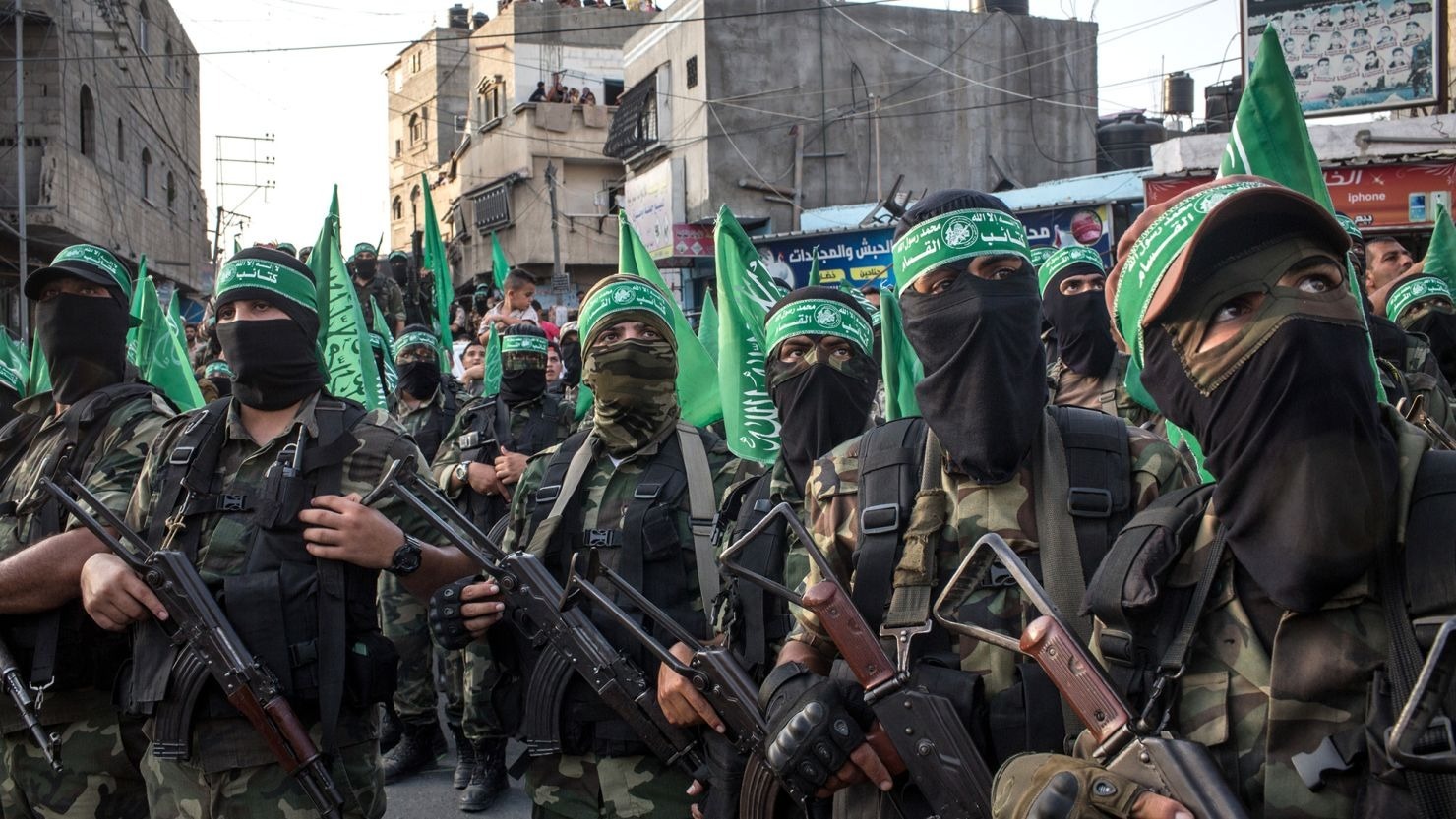
Hamas has elected a new leader in Gaza through a secret electoral process, according to a report by The National.
The organization also moved to fill several vacancies within its political bureau, which has suffered heavy losses during the ongoing conflict.
Two officials close to Hamas and sources in Cairo confirmed that the elections took place last week. The process was reportedly conducted via secure communication lines and face-to-face meetings involving Hamas leaders based in Egypt, Türkiye, and Qatar.
Names will not be announced until the start of the second phase
Officials stated that the identities of those elected will not be disclosed to the public for security reasons until the second phase of the Gaza ceasefire agreement is implemented.
“The elections were held last week, and the vacancies in the political bureau—approximately two-thirds of which were lost—have been filled. A new individual has been appointed to lead the movement in Gaza,” said a Hamas official based in Lebanon.
The official emphasized that these names will remain confidential until the second stage of the agreement begins.
Hamas entered a protracted war with Israel following the October 7, 2023, “Al-Aqsa Flood” operation. Since then, Israeli military operations in Gaza have resulted in the deaths of more than 70,000 Palestinians and the destruction of much of the territory. During the conflict, thousands of Hamas members have been killed, alongside the movement’s former political chief Ismail Haniyeh, who was assassinated in Tehran, and Yahya Sinwar, who was killed in combat.
Trump expected to announce details of the second phase
Under the mediation of US President Donald Trump, the first phase of a ceasefire reached last October saw Hamas hand over surviving Israeli captives and the remains of those who died in Gaza. Reports indicate that one body has yet to be recovered.
The second phase of the agreement envisions the governance and reconstruction of Gaza, alongside an Israeli withdrawal from the territory. This stage also mandates the disarmament of Hamas.
According to sources, President Trump is expected to announce the specific details of this second phase later this month, presenting the plan to a “peace board” and a committee of Palestinian technocrats designated to govern Gaza.
The only way to protect political figures
“Israel will not be informed of these names until the second phase begins. This is the only way to prevent our political figures from being targeted,” a Hamas official explained. He added, “The internal structure has been reorganized. Despite losing two-thirds of our political bureau, our presence on the ground remains steadfast.”
According to its charter, Hamas conducts leadership elections every four years. The last formal elections were held in 2021.
Disagreement between moderate and hawk factions
The Israeli government remains reluctant to proceed to the second phase of the agreement or withdraw from Gaza until Hamas is completely disarmed and has relinquished its authority.
For its part, Hamas has expressed a willingness to hand over governance but demands that its weaponry remain under the supervision of Arab nations.
Sources in Cairo suggest that the elections highlighted a rift between the “moderate” and “hawk” factions within Hamas.
The moderate wing, led by Khaled Meshal, advocates for Hamas to rapidly transition into a traditional political party. Conversely, the hawk faction, led by Khalil al-Hayya and closely identified with the October 7 attacks, aims to preserve Hamas as an armed resistance movement, even as it accepts the Trump plan.



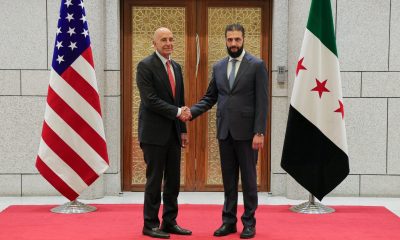





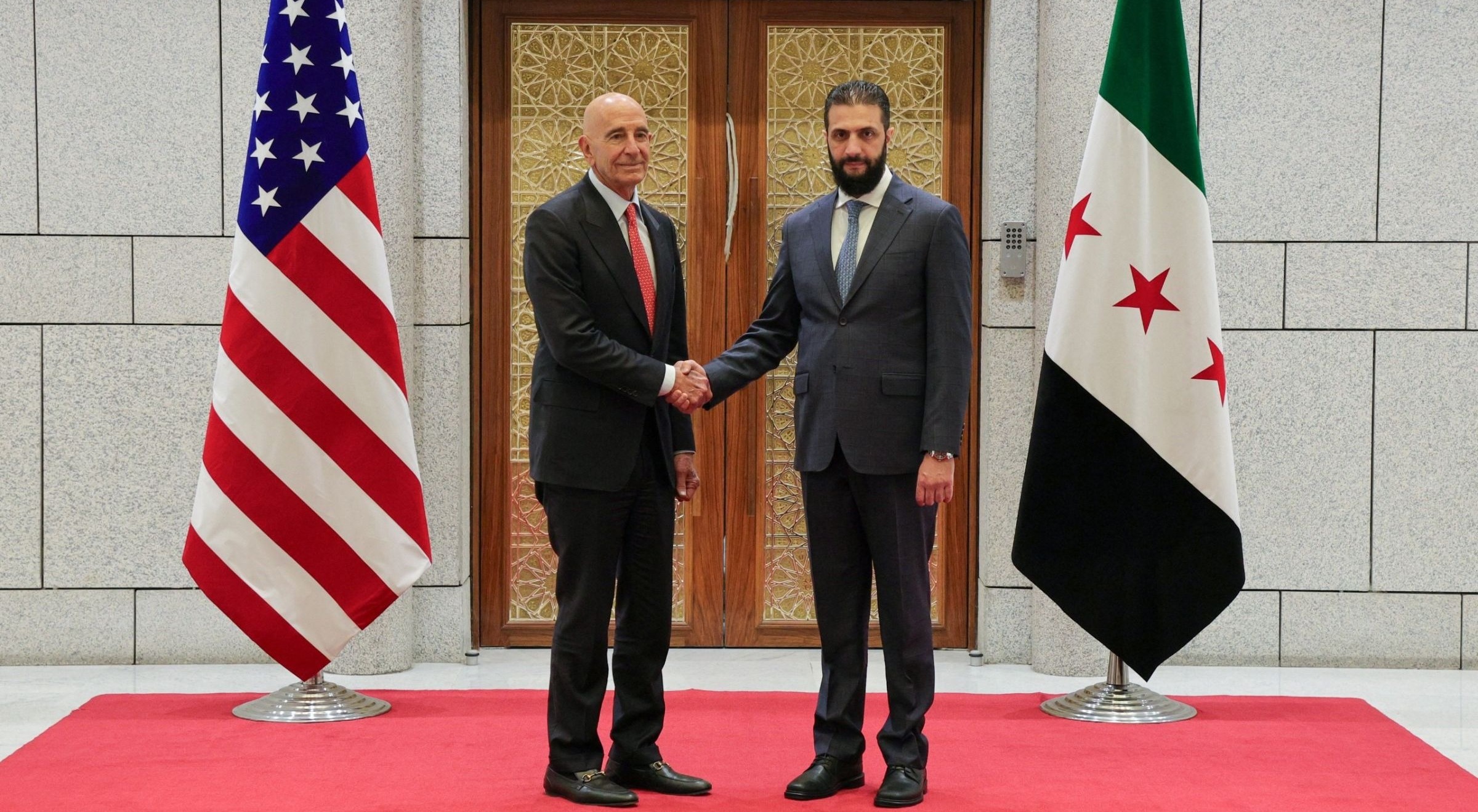
US Ambassador to Türkiye and Special Envoy for Syria Tom Barrack stated that Syria’s interim president, Ahmed al-Sharaa, wants to normalize relations with Israel.
At the same time, he called for an end to Israel’s military operations in Syria and questioned whether Washington should intervene to halt them.
Speaking at the Global Security Forum held in Doha, Qatar, Barrack said Sharaa had managed difficult circumstances well and was trying to reassure Israel that his government poses no threat.
“I think President Sharaa has done a very good job under very difficult circumstances,” Barrack said, describing the message he believes the Syrian leader is conveying to Israel: “I am not aggressive, I have no problem with Israel, I want relations with Israel to normalize.”
Barrack also urged Israel to stop its operations in Syria, while voicing uncertainty over whether the US should step in to end them:
“It’s time to stop this [Israel’s actions in Syria]. I don’t know if it’s time for the US to intervene to stop it.”
Israel intensified its military operations in Syria following the overthrow of Bashar al-Assad on 8 December 2024. Israeli forces entered the demilitarized “buffer zone” along the Golan Heights and took up positions on the Syrian side of Mount Hermon (Jabal al-Shaykh), with Israel describing the deployment as a temporary security measure.
Israeli air strikes have also targeted military facilities and weapons depots across the country.
Barrack pointed to Syria’s political transition as an example of how groups once viewed as adversaries could be incorporated into new political and security structures.
“You can take Nusra, which was once designated a foreign terrorist organization; following the transformation that took place on December 8, many people today evaluate this example as ‘here is a model,'” the US diplomat said.
The Nusra Front was a jihadist group that emerged during the Syrian civil war and, after pledging allegiance to al-Qaeda, announced its departure from the network. The organization was designated as “terrorist” by several countries and bodies, primarily the US and the UN.
The group’s leader, Ahmed al-Sharaa (Abu Mohammad al-Julani), subsequently headed Hayat Tahrir al-Sham (HTS), which led the offensive that ousted Assad.
Barrack also highlighted the integration of the Syrian Democratic Forces (SDF) into the Syrian national army as an outcome many had previously considered unlikely.
“Nobody thought you could reintegrate this Kurdish entity, the SDF, into a national army, but it happened,” the US official said.
Damascus and the Kurdish-led forces signed an agreement on 10 March 2025 to integrate the SDF’s military and civilian institutions into the Syrian state.
However, delays occurred in the implementation of the agreement due to disputes over integration terms and the future of self-administration in the region.
Barrack nevertheless expressed doubts about the effectiveness of earlier US interventions in the Middle East, citing Washington’s involvement in what he characterized as “23 regime changes” across the wider region.
“Whenever we have tried to intervene, to change a person or a regime, it seems to have been a mistake,” Barrack said, while also questioning the value of US intervention in Yemen, describing it as apparently “senseless.”
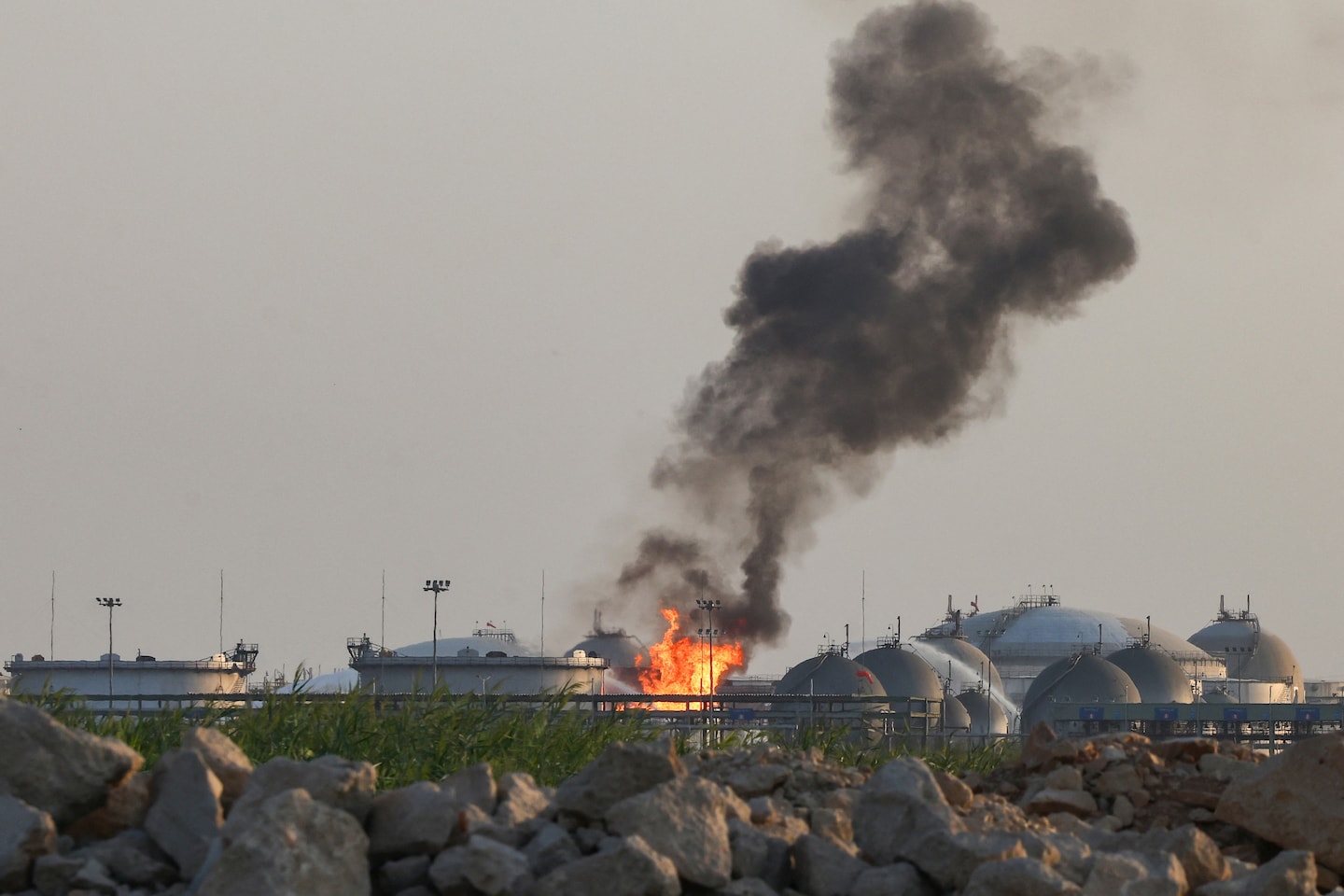
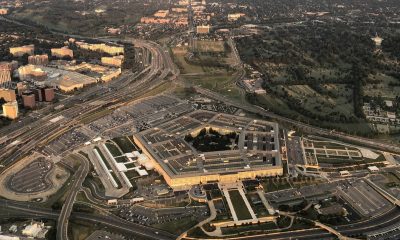
The US and Israeli defence ministries have drawn up plans for a fresh assault on Iran, with the envisioned offensive under consideration to launch after the US Congressional midterm elections on 3 November.
Citing sources, The New York Times reported that the blueprint anticipates a brief but intense campaign.
As military units step up their drills, US Defence Secretary Pete Hegseth discussed prospective strike options with Israeli Prime Minister Benjamin Netanyahu.
The list of targets encompasses Iran’s nuclear sites, its energy infrastructure, and its arsenals of missiles and unmanned aerial vehicles.
Several officials who spoke to the newspaper argued that a new wave of attacks could deal a heavy blow to the Iranian economy, forcing the leadership in Tehran into concessions.
Conversely, other sources doubt whether a resumption of fighting would prove any more successful than the earlier campaign conducted between February and April.
That previous offensive drove energy prices higher and drained US stockpiles of interceptor missiles.
It remains unclear whether US President Donald Trump will authorise the operation.
Domestic political calculations in Israel could also influence the trajectory of the plans, given that the country faces general elections on 27 October.
While some experts speaking to the newspaper contended that Netanyahu could leverage the threat of war to form a national unity government, others pointed to the opposition’s distrust of the prime minister.
Washington fears regional spillover
The US administration also harbours concerns that the fighting could engulf the wider region. On Wednesday, the US State Department ordered non-essential government personnel and their family members to leave Saudi Arabia following attacks by the Iran-backed Houthis.
A US military build-up, comprising three aircraft carriers, fighter aircraft, and special forces units, is slated to be fully deployed to the region by early November.
The targets under review include the deep underground nuclear facility code-named “Pickaxe”. Trump suggested that the high-yield GBU-43/B bomb, known as the “mother of all bombs”, could be deployed against the site, though experts doubt whether the ordnance can destroy a complex buried so deeply.
For its part, Tehran is preparing for a potential escalation, threatening to broaden its target list. Retaliatory options under consideration by Iran reportedly include data centres and subsea internet cables, in addition to shipping and energy facilities.
Mehdi Mohammadi, an adviser to an Iranian negotiator, dismissed US hopes of wrapping up a new campaign within 72 hours as a “fantasy”. Mohammadi warned that Tehran’s response would be more severe and unpredictable.
The Financial Times previously reported that an Israeli strike on Iran set for 10 October had been called off because the US president was unwilling to risk a broader conflict ahead of the Congressional midterms.
According to that report, the Israeli military had prepared a multi-day assault on nuclear sites, Iranian government targets, power plants, and civilian infrastructure on Netanyahu’s orders. The strikes had been designed to exceed the intensity of the campaign begun in February.
Washington seeks to secure an agreement from Tehran covering both the Strait of Hormuz and its nuclear programme.
“It will either be a deal or a strike,” one source told the Financial Times, adding that an operation could get under way in the coming weeks.
Another official who spoke to the paper suggested that Israeli preparations might serve as leverage to squeeze Iran in negotiations.
Axios also reported that the Pentagon had issued orders to prepare for renewed strikes, though the directive contained no specific date and Trump has yet to take a final decision.
The US and Israel launched their offensive against Iran on 28 February. Iran hit back by targeting US and Israeli assets across the region and curbing vessel transit through the Strait of Hormuz.
Although both sides signed a memorandum of understanding in June that provided for a ceasefire and talks to lift the blockade in the Strait of Hormuz, reciprocal attacks between the US and Iran have persisted.
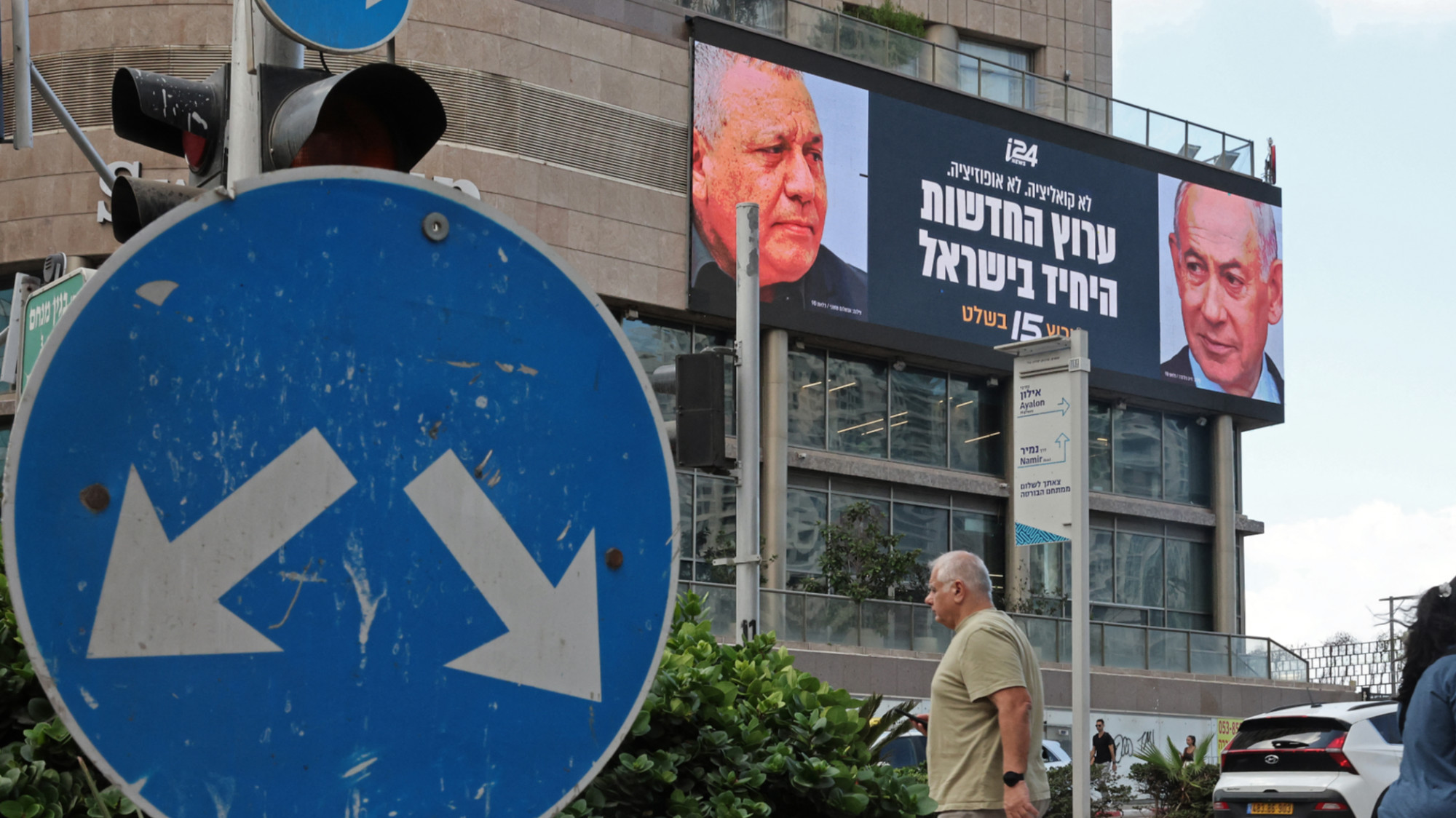
As general elections scheduled for 27 October approach in Israel, the opposition camp led by former Chief of Staff Gadi Eisenkot continues to lead Prime Minister Benjamin Netanyahu in public opinion polls.
Survey data published in the Israeli press on 19 and 20 October reveal that the governing coalition has failed to catch the opposition, despite explicit backing from US President Donald Trump.
However, the current distribution of votes documents that neither wing can reach a governing majority on its own.
Netanyahu reaches 61 seats in Channel 14’s latest poll. He doesn’t in i24’s.
Both give him a stronger position than Kan and Maariv. Likud gets 29 seats in Channel 14, 25 in i24, 21 in Kan and 18 in Maariv.
Count the same five lists—Likud, Shas, United Torah Judaism, Otzma… pic.twitter.com/Qb0fCq0qdK
— Zvika Klein צביקה קליין (@ZvikaKlein) October 19, 2026
Neither bloc reaches the 61 seats needed to form a government
According to a survey conducted by Channel 13, if an election were held today, Eisenkot’s bloc would win 51 seats, while the Netanyahu coalition would take 50.
A Channel 12 poll indicates that the gap has widened slightly, projecting 55 seats for Eisenkot’s alliance and 51 for the governing bloc. A minimum of 61 seats is required to form a government in the Knesset, Israel’s 120-seat parliament.
A key factor deadlocking the political arithmetic is the refusal by both sides to form a coalition with parties representing Palestinian citizens of Israel. This stance stands as the most tangible obstacle to securing a parliamentary majority after the election.
Channel 12 data shows that overall voter turnout is expected to remain at 72%. The inclination to head to the ballot box climbs to 81% among opposition voters, compared with 74% measured among Netanyahu supporters.
The same poll notes that Eisenkot has widened his lead over Netanyahu by two further points in prime ministerial preferences.
Yashar party climbs after Gantz bows out
A survey published on the Walla news site shows that the balance shifted after Benny Gantz decided to withdraw his Blue and White party from the race. Following that move, Eisenkot’s Yashar party increased its projected tally to 23 seats, while Netanyahu’s Likud dropped by one seat to 19.
Eisenkot’s party and the “Zionist Opposition” bloc it anchors have remained atop the polls for several months.
In an earlier message of support, Trump praised Netanyahu as “a great fighting prime minister and an even greater partner for peace.” Public opinion polls document that this diplomatic and political backing has not proved sufficient to tip the preferences of the Israeli electorate in favour of the incumbent government.
Support for Ben Gvir rises among young voters
Although Netanyahu’s alliance trails in overall strength, far-right figures within the coalition appear to be expanding their grassroots base. Gauged interest in the Jewish Power party of Israeli National Security Minister Itamar Ben Gvir is climbing, particularly among younger voters.
Speaking to a study conducted by Agam Labs, affiliated with the Hebrew University of Jerusalem, an 18-year-old student described his shifting preference: “I used to think he was a bit crazy, but then I actually looked at what he was saying, and it all made sense.”
Another Israeli citizen stated that Ben Gvir’s push to arm West Bank settlers gave them “room to breathe.”
Ben Gvir is known for leading settler incursions into the Al-Aqsa compound and distributing military-grade rifles to tens of thousands of settlers since 7 October 2023.
Criticized for escalating violence against Palestinians, Ben Gvir has called for starving Gaza, maintaining military operations in Lebanon, and bombing Beirut. The far-right minister’s militaristic stances also find a political constituency across several opposition parties in Israel.

“The AfD is not a fascist party, but a party for fascists”

Nokia and ICEYE sign deal to build sovereign Ukraine satellite network

Mélenchon’s “new France” vision triggers fierce cross-party debate

US envoy says Syria interim leader Sharaa seeks Israel normalization

Unauthorised AI agents access customer accounts at major US banks
-

 Europe2 weeks ago
Berlin Left Party backs Israel’s right to exist for coalition pact
-

 America2 weeks ago
Trump weighs presidential memorandum to cut surging US diesel prices
-
 Diplomacy1 week ago
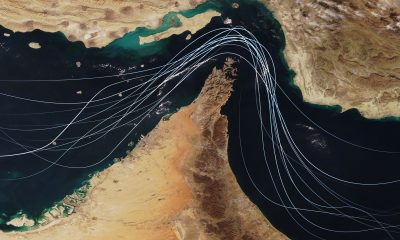
SWP urges backing for Gulf trade routes bypassing Strait of Hormuz
-

 Diplomacy2 weeks ago
EU and China reach preliminary deal to curb hybrid car imports
-

 Europe1 week ago
LSE study finds post-bailout Greece turned into a cafe economy
-

 America2 weeks ago
Thiel targets Pope and Obama over AI in new ‘Antichrist’ lectures
-

 Russia2 weeks ago
Russia relaxes diesel export curbs after talks with Trump
-

 America2 weeks ago
Energy firms enlist ex-US officials to tap Venezuelan oil
