
Diplomacy
Shell declares force majeure on Qatar LNG contracts as global supply crisis deepens

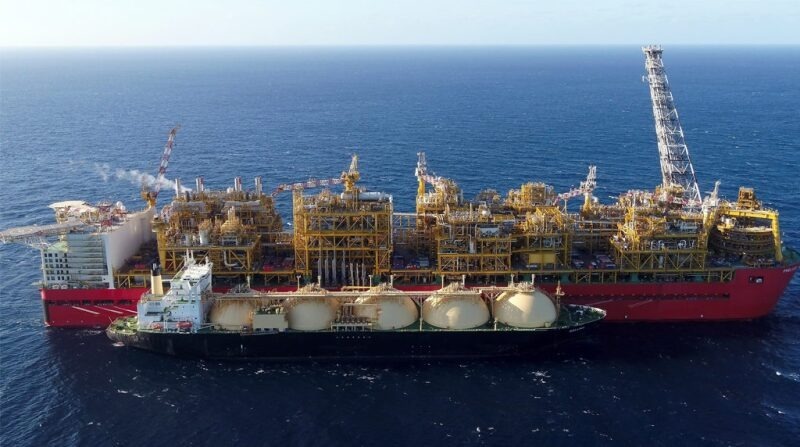
Shell, the world’s largest seller of liquefied natural gas, has declared force majeure on LNG supply contracts following a production shutdown at Qatari facilities, escalating fears of a protracted disruption to global energy markets.
According to sources cited by Reuters, Shell notified customers that shipments it had purchased from QatarEnergy may no longer be deliverable under existing contractual terms. Sources confirmed that the company had invoked this legal mechanism specifically for cargoes it normally sources from Qatar and resells across international markets. Force majeure is a contractual safeguard that releases parties from obligations when circumstances beyond their control prevent fulfillment.
The declaration traces directly to drone strikes on Iran’s Ras Laffan LNG facility. QatarEnergy suspended operations at the world’s largest liquefaction complex earlier this month in response to the attacks and simultaneously declared force majeure of its own. Ras Laffan, with an annual liquefaction capacity of approximately 77 million tonnes, is the linchpin of Qatar’s position as the world’s second-largest LNG exporter.
Supply chain hit by domino effect
Shell’s declaration is not an isolated response. Multiple buyers of Qatari LNG — among them TotalEnergies and several Asian companies — have already warned their own customers that deliveries may be disrupted for as long as the facilities remain offline, Reuters reported, citing sources.
TotalEnergies has not formally declared force majeure. March deliveries are expected to proceed largely as planned; however, sources indicate that disruptions are set to materialize in April. Qatar’s Energy Minister Saad al-Kaabi made clear that the cascade of legal declarations has only begun.
“We expect anyone who has not declared force majeure to do so within the next few days if this situation continues,” al-Kaabi said. “All exporters in the Gulf region will have to declare force majeure.”
Worst disruption since 2008
Vessel-tracking data shared by industry analysts lays bare the scale of the crisis: Qatar has not exported a single LNG cargo for five consecutive days — the longest uninterrupted halt recorded since 2008.
Reports indicate that some LNG cargoes originally destined for Europe are being redirected to Asian markets, where buyers are offering higher prices, compounding supply pressures for European energy companies. As buyers in both regions scramble for alternative sources, Asian economies are absorbing the sharpest immediate blow. More than 80% of the region’s largest cities’ oil imports originate from the Persian Gulf, a structural dependence that amplifies the shock considerably.
Experts warn of ‘energy panic’
The disruption, triggered by US military operations against Iran, has led analysts to warn that Asia now confronts a full-scale energy panic.
“A finely balanced energy ecosystem has suddenly caught fire — both exporters and importers are being severely affected,” said Tim Partridge of LG Energy Group.
Al-Kaabi, speaking to the Financial Times, cautioned that even if regional hostilities were to cease immediately, the resumption of normal shipments could take weeks, or potentially months. Sources told Reuters that LNG deliveries scheduled for the current month are largely expected to proceed on schedule, but that major contractual disruptions could begin affecting supply from April onward.







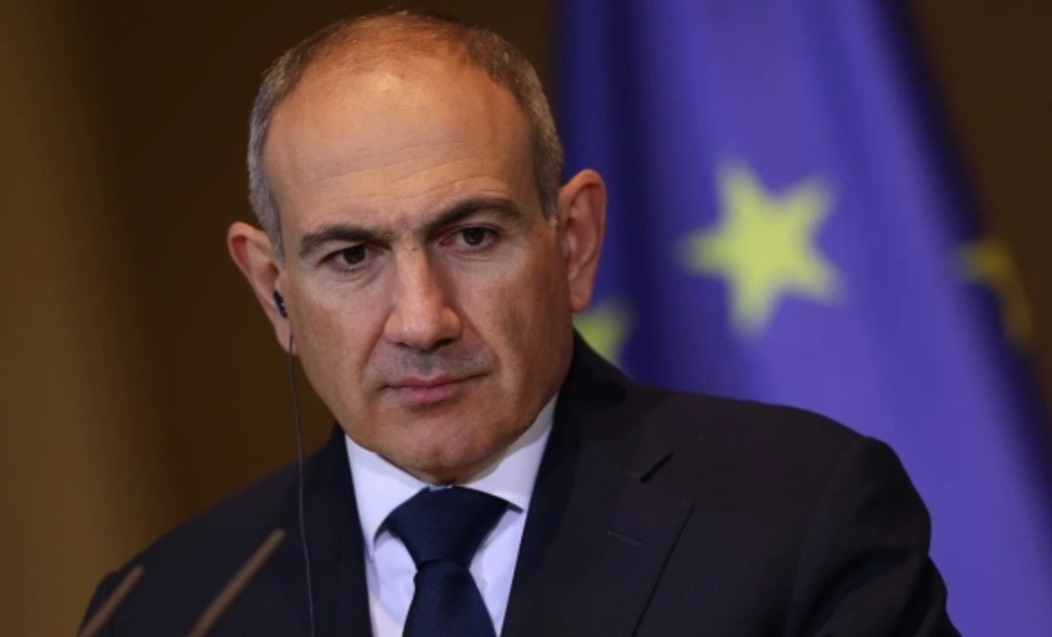
Members of the Collective Security Treaty Organization (CSTO) have stripped Armenia of its voting rights and its ability to appoint representatives to official positions due to a two-year debt to the organization’s budget.
Kremlin Spokesman Dmitry Peskov said, “This decision was taken based on the organization’s charter due to Armenia’s failure to fulfil its obligations for several years.”
Prior to the CSTO leaders’ summit in Moscow, Peskov had stated that member states would “react” to the Caucasus country’s non-participation in the organization’s activities.
Ahead of the Moscow summit, Armenian Prime Minister Nikol Pashinyan said his country’s “interest has run out” regarding the CSTO. Through his press spokesperson, he announced that he would travel to Türkiye on 11 November to attend the United Nations Climate Change Conference (COP31) instead of going to Russia.
The CSTO leaders’ meeting was held with the participation of Russian President Vladimir Putin alongside the leaders of Belarus, Kazakhstan, Kyrgyzstan, and Tajikistan.
The leaders jointly took the decision to revoke Armenia’s voting rights.
At the conclusion of the meeting, the participants also signed a joint declaration.
The declaration stated: “We confirm our unconditional commitment to the goals set out in the CSTO treaty and charter towards creating favourable and stable conditions for the comprehensive development of member states.”
Pashinyan had frozen Yerevan’s de facto participation in the CSTO in February 2024, citing the organization’s failure to aid the Armenian side during the armed clashes in Nagorno-Karabakh in September 2023.
Having referred to the CSTO as a “soap-bubble alliance” since that time, Pashinyan accused the organization’s members of “planning war” together with Baku. He stated that Armenia would not return to active work within the alliance at least “over the next five years”, adding that he would welcome it if the country were expelled from membership.
Relations between Armenia and Russia grew tense once again in the spring of 2026, after Yerevan moved closer to the European Union (EU) and the Kremlin responded with a trade war.
In May, Pashinyan refused to travel to Moscow to attend the Victory Day parade and declared that he did not support Russia on the Ukraine issue.
In response, Putin called on Yerevan to determine its foreign policy course through a referendum, advising Armenian authorities not to forget the fate of Ukraine.
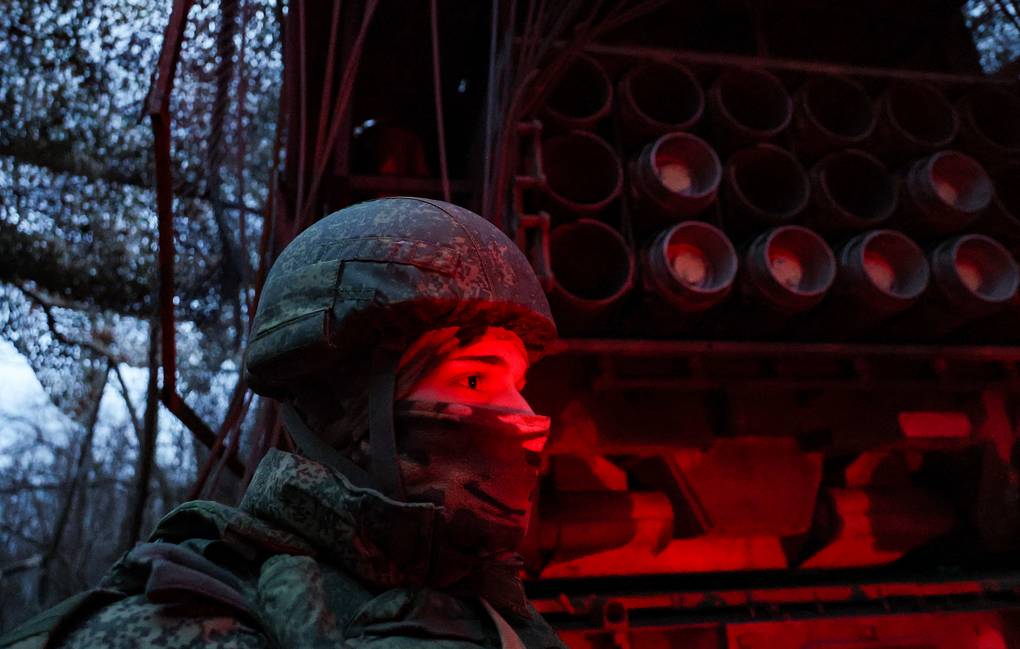
The US administration has reportedly called on Russia to submit proposals for a prospective security treaty with Europe that would include measures to ease tensions between European nations and Moscow.
According to a report by news site Axios citing sources familiar with the matter, the US side conveyed the request during trilateral negotiations held in Abu Dhabi.
During the talks, US Special Envoy Steve Witkoff and Donald Trump’s son-in-law Jared Kushner suggested that the Russian delegation prepare a fresh proposal outlining its security concerns and demands.
The US delegation reportedly asked that this proposal clarify what kind of “symmetrical steps” Moscow is prepared to take to de-escalate tensions and “provide non-aggression guarantees to Europe”.
Another source familiar with the White House’s approach said the Trump administration aims to run the processes for a new European security architecture and a peace agreement between Russia and Ukraine simultaneously.
Under this plan, the actual implementation of the security understandings would take effect only after the signing of an accord ending the conflict in Ukraine.
Assessing the approach to the process, the source said: “[Ukrainian President Volodymyr] Zelenskyy will not agree to any compromise without knowing what will happen next regarding security guarantees. Putin also wants to see the exact same picture clearly. This is precisely why the security portfolio is so decisive.”
The same official noted that the US will not reach a security agreement with Russia without the support of Europe and Ukraine, adding that Washington will not grant Moscow veto power over European security decisions.
Vladimir Medinsky, aide to the Russian president and head of the delegation in the Ukraine negotiations, previously stated that the fundamental objective was building a comprehensive new security system in Europe.
Medinsky noted that the structure in question must take on the character of “a fair, new, modern Yalta and Potsdam that carries the spirit of Helsinki 1975 and responds to contemporary realities”.
The Russian official argued that if such a system were established, peace lasting for decades, or even centuries, could be secured in Europe.
Russian Foreign Minister Sergey Lavrov also announced that Moscow possesses its own position paper on how a new security architecture in Eurasia should take shape.
Lavrov stated that Russia hopes the Washington administration will “maintain its determination to pursue dialogue aimed at achieving an honest balance of interests where nobody’s security is impaired”.
Russian authorities have repeatedly stated that the country has no intention of attacking Europe.
Pointing out that they have no reason to fight NATO countries, Russian President Vladimir Putin previously said: “We have no interest whatsoever, neither geopolitical nor economic, political nor military.”
In a statement in October, Putin said Russia has no plans to attack anyone “in 2029, in 2030, or in the year 2050”.
On the other hand, Putin claimed that “all NATO countries are fighting Russia” and stated that the Russian military is currently the most combat-ready armed force in the world.
Following the contacts in Abu Dhabi, Kushner announced that he and Witkoff would travel to Moscow.
Explaining that they plan to meet Putin during the visit to discuss European participation in negotiations aimed at resolving the conflict, Kushner argued that the parties could make “far greater progress” if the Russian leader consents to such involvement.
Yury Ushakov, aide to the Russian president, stated that the US special envoys will arrive in Moscow on 12 November, with the planned meeting with the Russian president scheduled for the first half of the day.
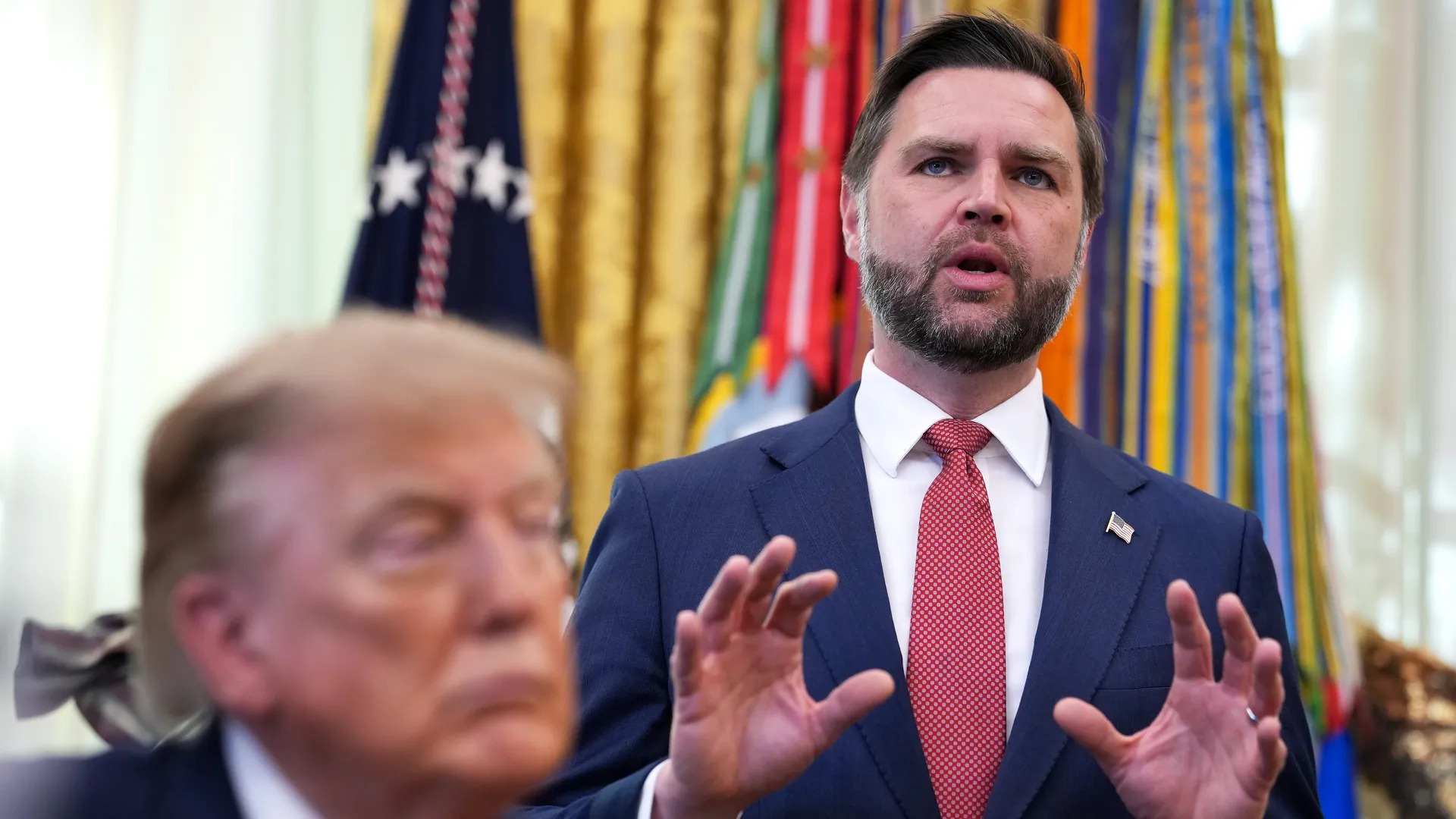
US Vice-President JD Vance has been personally involved over the past two weeks in indirect talks with Iran aimed at securing a fresh ceasefire and restarting nuclear negotiations.
According to Axios, Vance’s intense engagement indicates that he has taken it upon himself to extract the US from the conflict, which he views as responsible for the Republican Party’s shocking losses in this week’s elections.
This elevates the latest round of indirect talks to the highest echelons of the administration.
US officials and regional sources state that Trump is currently willing to let diplomatic efforts run their course to see whether any agreement is achievable.
Asked by reporters on Friday what his message was to Iran, Trump said, “We are talking to them.”
According to sources with direct knowledge of the matter, Vance speaks almost daily with Qatari Prime Minister Sheikh Mohammed bin Abdulrahman Al Thani, Pakistan’s Chief of Army Staff Field Marshal Asim Munir, and other mediators regarding the negotiations with Iran.
White House envoy Steve Witkoff and Jared Kushner, President Trump’s adviser and son-in-law, are also involved in the process.
Sources say Vance and the Qatari and Pakistani mediators have been discussing the possibility of holding a working-level technical meeting between the US and Iran in the coming days, though this has not yet materialized.
Before the war began in late February, Vance was among the most sceptical voices in Trump’s inner circle on the issue, advocating instead for a diplomatic solution.
In April, he led the US negotiating delegation at the Iran summit held in Islamabad and was personally involved in the talks that yielded a memorandum of understanding (MOU) signed between the US and Iran in June.
Vance subsequently headed the US delegation during a series of direct talks with Iran in Switzerland.
Two weeks ago, Vance sent a letter to Mohsen Rezaei, Secretary of Iran’s Supreme National Security Council, proposing that direct negotiations resume.
Rezaei is one of the closest advisers to Iran’s Supreme Leader, Mojtaba Khamenei.
Iranian officials noted that Vance’s letter generated positive momentum toward restarting talks.
On Wednesday, Vance said the war was the primary reason for the Republicans’ repudiation at the polls.
Sources involved in mediation efforts report that while progress is being made, the process is moving very slowly.
On Friday evening, the prime minister of Qatar said, “Over the past few weeks, we worked with our colleagues in the US administration who have a sincere intention to contain the situation and de-escalate. Thanks to them and the voices of reason in Tehran, we prevented the situation from spinning out of control.”
The prime minister added that discussions with the Trump administration continued following the midterm elections, though they were not as active as in previous days “because there are other matters.”
Nevertheless, he noted that the US intention to find a diplomatic resolution “remains ongoing” and emphasized that an agreement is possible.
On Friday morning, Trump and the Emir of Qatar discussed Qatari efforts to bridge differences between the US and Iran as part of an accord.
According to a statement from his office, Sheikh Tamim emphasized the necessity of “pursuing dialogue and diplomatic channels to resolve differences, prevent the region from facing further escalation, and ensure freedom of maritime navigation as well as the security of energy supplies.”
Separately, Trump confirmed on Friday that the US military conducted a strike on an anti-aircraft missile launcher on Qeshm Island in the Strait of Hormuz after it fired a missile at a US fighter jet.

Journalist Dursunoğlu warns Iran removed missile limits as Gulf risks widen

Nvidia board prepares to remove CEO Jensen Huang amid scandal

CSTO strips Armenia of voting rights over two-year budget debt

US voters approve bans on transgender athletes across four states

US urges Russia to draft proposals for new European security pact
-
 Diplomacy2 weeks ago
Secular dress code dispute exposes deeper Türkiye-Azerbaijan strains
-

 Europe6 days ago
EU urges citizens to prepare 72-hour survival kits for crises
-
 Asia2 weeks ago
China expands Africa arms sales, displacing France and Western rivals
-

 America2 weeks ago
Bolsonaro reportedly leaves Brazil on jet linked to scandal-hit firm
-
 Diplomacy1 week ago
Protesters storm Kyiv site holding soldiers over torture allegations
-
 Russia2 weeks ago
Putin proposes Arctic energy cooperation to US to ease gas sanctions
-
 Europe1 week ago
Pro-Ukraine Republicans in US Congress dwindle after departures
-
 Europe1 week ago
Low EU gas stocks risk stoking global prices, IEA report warns
