
Middle East
Senior US military officers ignored system alerts on obsolete targets, leading to strike on Iranian school

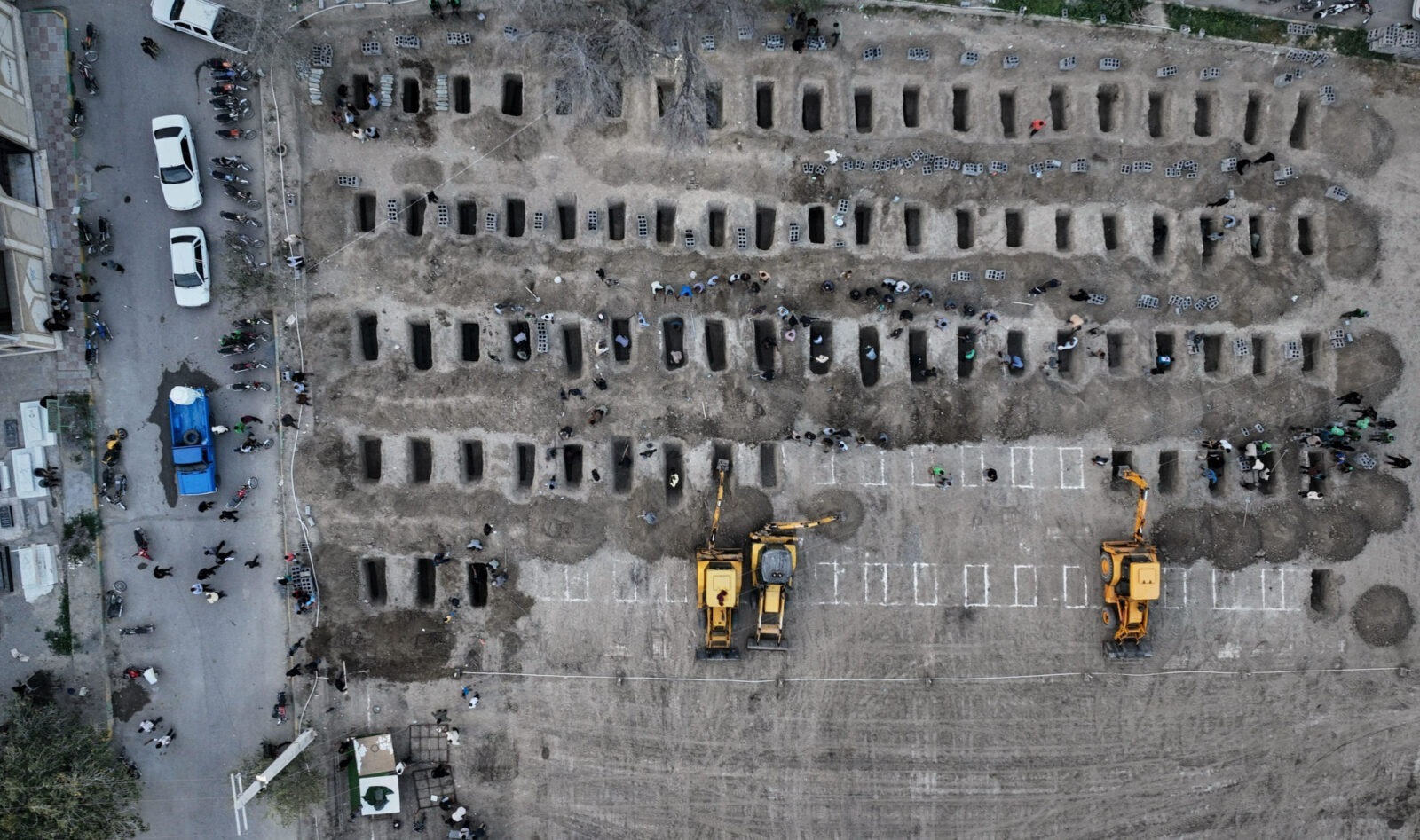
Senior US military commanders approved strike lists despite automated system warnings indicating that intelligence on certain targets in Iran was years out of date and required revalidation, according to a CNN report citing three sources familiar with the decision-making process.
The warnings were bypassed to “speed things up” under intense pressure to rapidly designate targets during the opening days of the conflict. One of the targets approved by commanders under these conditions resulted in a strike on a school in Minab.
This military decision is directly linked to the February 28 strike on the Shajara Tayyiba School in Minab, which killed at least 168 children and 14 teachers. The heavy loss of life makes the strike one of the mass casualty events involving the highest number of civilian deaths in the recent history of the US military.
According to the sources, automated system warning messages indicating that the intelligence was obsolete were already integrated into the database used during the target development process. Within this system, a target could only be added to a strike list with the approval of a senior officer. Two sources stated that the decision by senior commanders to ignore these warnings directly contributed to the school being targeted “by mistake.”
Military officials reportedly realized within days of the strike on the school that the error stemmed from outdated information. Despite the passage of months, the Pentagon has not released its investigation report on the incident.
A White House official stated that the investigation remains ongoing, asserting, “As we have said before, the US does not target civilians.”
The Pentagon referred inquiries on the matter to US Central Command (CENTCOM), which declined to comment, citing the active investigation.
School and military facility were located within the same compound
The strike reportedly occurred while the US military was targeting an Islamic Revolutionary Guard Corps (IRGC) facility located near the Shajara Tayyiba School. Initial military investigative findings also pointed to this conclusion.
Satellite imagery reveals negligence in the target analysis process. Imagery from 2013 shows the school and the IRGC base located within the same compound, whereas imagery from 2016 clearly indicates that the school had been separated from the base by a fence and provided with a separate entrance.
In satellite imagery dated December 2025, dozens of children can be seen playing in the schoolyard.
The strike took place on the first day of operations following Donald Trump’s decision to launch military action, a period during which military officials and intelligence analysts worked under intense pressure to update thousands of targets.
Analysts were unable to update all records in the Pentagon database prior to the operation. As a result, records for multiple targets—including the IRGC facility adjacent to the elementary school—consisted of information that was more than 10 years old.
Due to the accelerated timeline, analysts prioritized updating “high-priority” records, which included moving targets with a high probability of being struck first and locations posing an immediate threat to US forces. Because fixed facilities were deemed a lower priority, the information for the facility near the school was not updated.
Disconnected databases and staffing shortages compounded the error
At the center of the investigation are two separate targeting databases used by the Pentagon. These are known as the Modernized Integrated Database (MIDB), which was built in the 1980s and relies on manual data entry, and the Mitigation and Analysis Reporting System (MARS), a new artificial intelligence-backed digital platform.
Both systems indicated that information needed to be updated before use. However, efforts to fully transition to the MARS system were reportedly years behind schedule, leaving official targeting data still dependent on the legacy MIDB system.
An intelligence analyst had previously noted changes on the ground in a separate digital tool, but because this tool was not connected to the official targeting database, the information did not reach commanders. How this disconnect influenced the targeting of the school is also being examined as part of the investigation.
Following the strike, Donald Trump suggested that Iran might be responsible for the incident, later asserting that responsibility might never be determined. Defense Secretary Pete Hegseth stated that the strike would be thoroughly investigated, claiming that the US takes every possible measure to prevent civilian casualties.
However, due to cuts implemented early in Hegseth’s tenure, Civilian Harm Mitigation and Response (CHMR) teams within CENTCOM were reportedly facing severe staffing shortages.
Under the cuts made by Hegseth prior to the conflict with Iran, the 10-person civilian casualty specialist staff at CENTCOM was reduced to a single full-time employee.
Sources added that while the remaining staff did everything they could, they lacked adequate resources due to the budget and personnel cuts implemented by Hegseth.










Middle East
US revokes Iran oil license and launches airstrikes following Strait of Hormuz tanker attacks
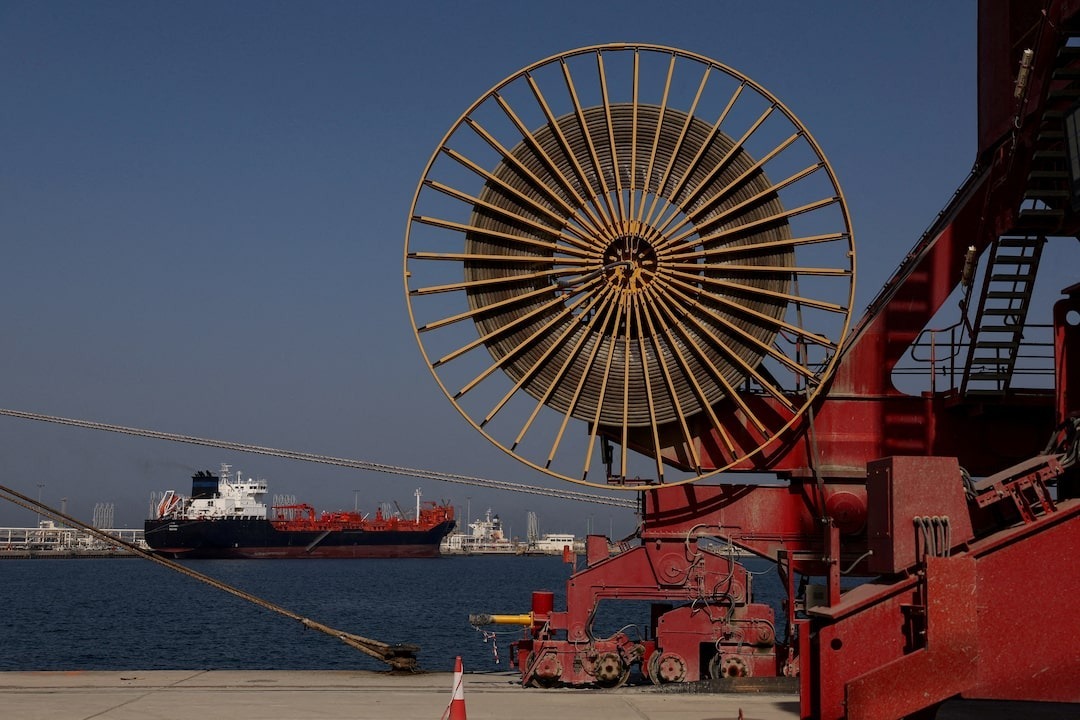
The US Department of the Treasury’s Office of Foreign Assets Control (OFAC) has revoked a general license that permitted commercial transactions involving Iranian oil.
According to a statement issued by the agency, the “General License X” regulation, which had been in effect since June 21, 2026, was fully rescinded as of July 7, 2026, and replaced by the newly introduced “General License X1” regulation.
The statement noted that a wind-down period lasting until July 17 has been granted to allow for the completion of transactions initiated prior to the revocation.
The Iranian Ministry of Foreign Affairs reacted strongly to the OFAC decision, declaring that Tehran will take all necessary measures to protect its national security and interests.
In a statement shared on the ministry’s official Telegram channel, Iran stated: “The Ministry of Foreign Affairs of Iran decisively condemns the US Department of the Treasury’s decision to revoke the temporary suspension of sanctions on the sale of Iranian oil. This step is a flagrant violation of Article 10 of the memorandum of understanding concerning the cessation of military conflict.”
Following the decision, the US Armed Forces conducted a series of airstrikes targeting Iranian territory during the night of July 8. US officials maintained that the military operation was a response to Tehran’s actions in the region. Washington characterized Iran’s conduct as a violation of the ceasefire regime and a threat to the security of navigation in the region.
The Iranian state broadcaster, IRIB, reported that explosions occurred at various locations across the country. News sources noted that seven explosions were heard near the village of Taherui in the Sirik district, and six explosions were heard near the city of Qeshm.
Previously, US media outlets including The Wall Street Journal and Axios, citing US officials, had reported that despite the active ceasefire, forces of the Islamic Revolutionary Guard Corps had attacked oil tankers near the Strait of Hormuz.
According to data shared by the United Kingdom Maritime Trade Operations (UKMTO), a tanker off the coast of Oman was struck by an unidentified munition, causing a fire on board. It was reported that the incident resulted in no casualties, injuries, or environmental pollution.
The Wall Street Journal reported that one of the targeted vessels may have been the “Al Rekayyat,” a tanker owned by the Qatar-based shipping company Nakilat.
The vessel sustained damage to its engine room, though the crew was reported to be safe. Axios reported that while the attacked vessels sustained damage, no major destruction had occurred.
On June 18, 2026, the US and Iran had signed a memorandum of understanding that established a two-month ceasefire and envisioned the initiation of negotiations for a more comprehensive agreement.
Following the start of the ceasefire period, the US had also struck targets in Iran on June 27 and June 28, citing Iranian actions against commercial vessels in the Strait of Hormuz.
Following those strikes, the Islamic Revolutionary Guard Corps had announced that operations would be launched against US facilities located in Arab countries.
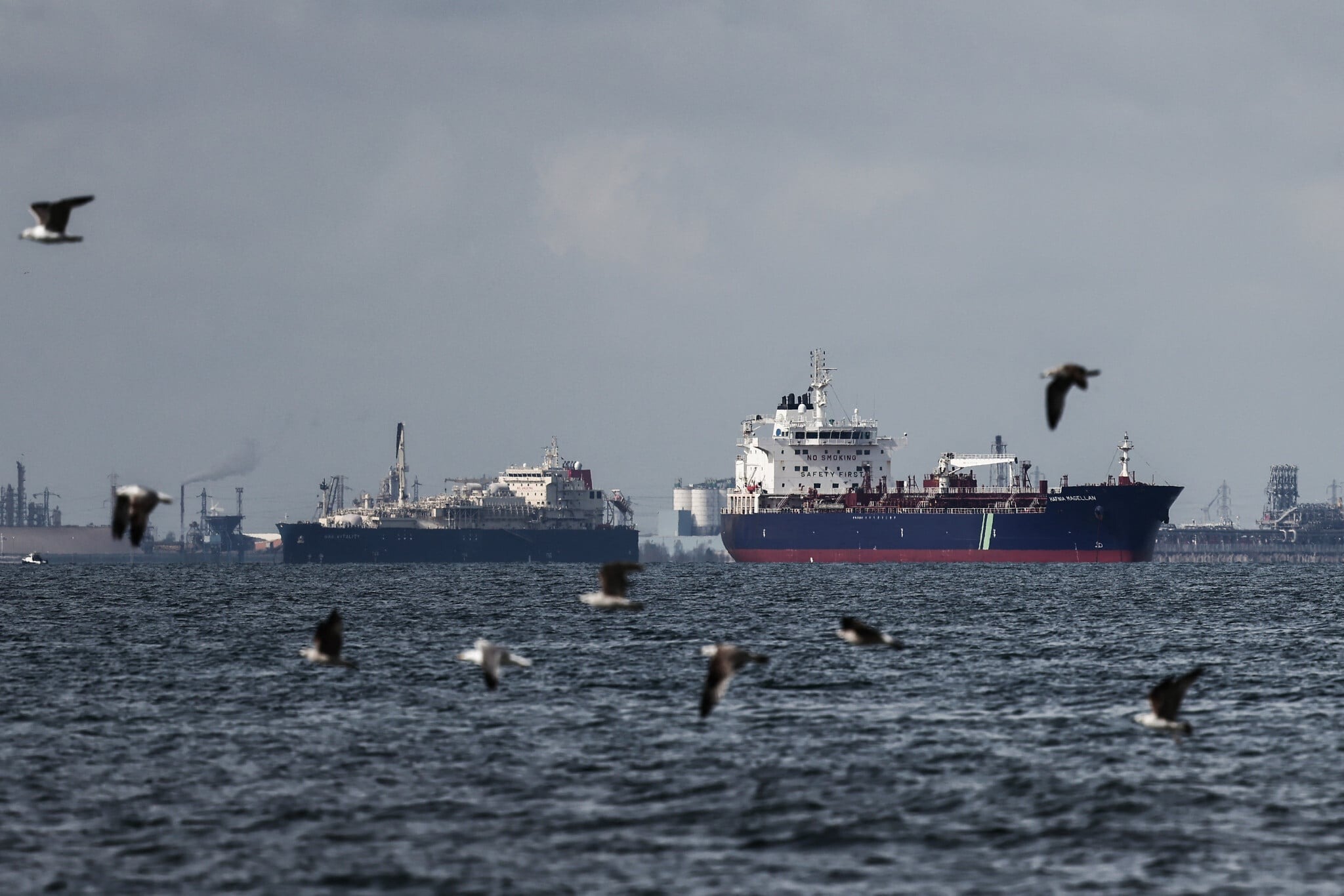
The Wall Street Journal reports that the rapid recovery of the oil market toward pre-war levels between the US and Iran is placing Tehran’s leverage over global energy markets at risk, citing evaluations from industry analysts.
Sector analyses indicate that oil prices, currently hovering around $70 per barrel, could decline further in the coming months.
Analysts at Macquarie and Citigroup project that the price of oil could fall to as low as $60 per barrel.
Alongside expectations of falling prices, tanker transit through the Strait of Hormuz is rapidly returning to its previous patterns, while oil producers in the Persian Gulf are restarting idle wells.
The Wall Street Journal notes, however, that replenishing global oil reserves will take considerably longer. According to the newspaper, the faster nations rebuild their stockpiles, the less leverage Iran will have to pressure the global economy with threats of closing the Strait of Hormuz.
Analysts consulted by the newspaper believe that restoring global inventories could take months, or even years.
Two primary factors are accelerating this replenishment process: falling prices and the emergence of an unexpected supply surplus in the market.
“The sharp increase in oil supply is about to confront a market that, at least for now, does not need this supply,” said Natasha Kaneva, Head of Global Commodities Strategy at JPMorgan.
Rory Johnston, founder of the research firm Commodity Context, described the market’s transition from facing a dangerous supply squeeze to reaching a state of near-abundance as “almost a comical development.”
According to data shared by the newspaper, between 30 and 60 tankers are currently transiting the Strait of Hormuz daily. While this remains lower than pre-war levels, it is sufficient to ease pressure on the global oil market.
Data from energy intelligence firm Vortexa reveals that approximately 140 million barrels of oil were transported through the strait in June, averaging 4.7 million barrels per day.
In May, daily transit volume had fallen to 2 million barrels. Since the beginning of July, oil flows along this route have reached approximately 40% of pre-war benchmarks.
Following the resumption of maritime shipping and liquefied natural gas (LNG) transit through the Strait of Hormuz, the Indian government announced on July 4 that it had lifted LNG supply restrictions imposed on non-essential economic sectors.
Activity in the strait partially recovered following the signing of a memorandum of understanding between the US and Iran. In early March, amid escalating geopolitical tensions in the Middle East, Brent crude had risen as high as $119.5 per barrel.
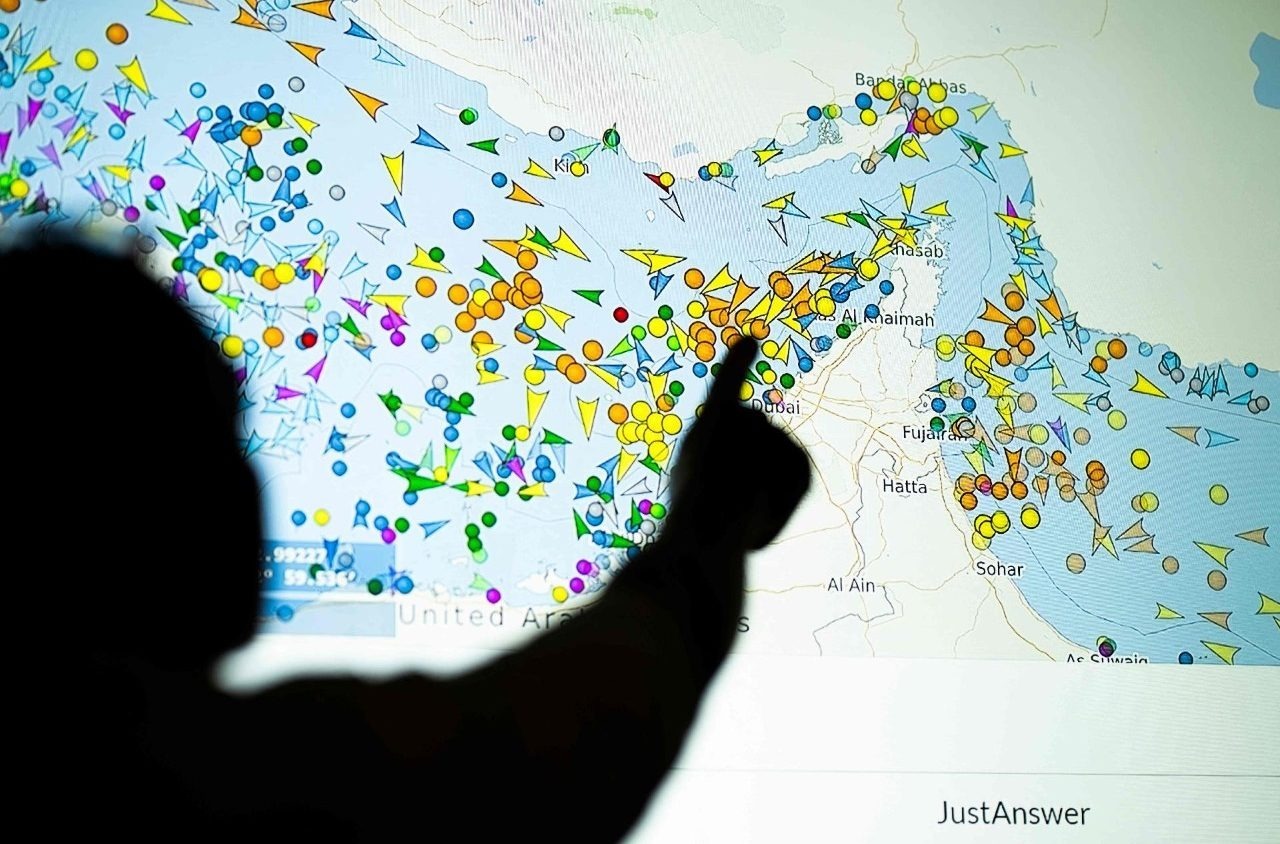
Iran has rejected a US proposal to abandon plans to charge transit fees for vessels passing through the Strait of Hormuz in exchange for the partial release of approximately $100 billion in Iranian assets frozen abroad.
According to The Wall Street Journal (WSJ), citing sources familiar with the matter, Tehran turned down the offer.
The report said US Special Envoy Steve Witkoff and President Donald Trump’s son-in-law Jared Kushner traveled to Doha, Qatar, this week for talks with Qatari mediators.
The discussions focused on implementing last month’s agreement to reopen the Strait of Hormuz to maritime traffic. Sources said the parties also discussed the latest developments in Lebanon.
Following the negotiations in Qatar, Iranian Deputy Foreign Minister Kazem Gharibabadi said the Strait of Hormuz was under “Iran’s command,” not that of the United States.
After his remarks, Iranian military officials warned that any vessel using routes not coordinated with Tehran would face an “immediate and forceful” response.
According to information obtained by the WSJ, Tehran intends to charge all vessels transiting the Strait of Hormuz, arguing that the fees are needed to cover the costs of maintaining maritime security.
Iran estimates the mechanism could generate around $40 billion in annual revenue, while the US and Gulf states oppose the proposal.
Seeking an alternative, Oman proposed creating a special fund financed through voluntary contributions from shipping and oil companies.
The fund would have been used to finance security operations in the southern section of the strait. However, according to the newspaper, Iran rejected the initiative because it did not provide for direct payments to Tehran.
In mid-June, the US and Iran signed the Islamabad Memorandum of Understanding following months of conflict.
The agreement provides for a ceasefire, the reopening of the Strait of Hormuz to international shipping, the launch of negotiations over Iran’s nuclear program, the gradual easing of sanctions, and the release of some of Iran’s frozen overseas assets.
Following the agreement, US Central Command (CENTCOM) announced that the US military, acting on Trump’s instructions, had lifted its blockade of all maritime routes leading to Iranian ports and coastal areas.
Iran also reopened the Strait of Hormuz to commercial shipping but required foreign vessels to provide at least 48 hours’ advance notice before transiting the waterway.
At the end of June, The New York Times, citing an Iranian official, reported that Iran and Oman were developing plans to charge fees for vessels passing through the strait. The US president subsequently said transit through the waterway should remain free.

The architect of NATO 3.0: Elbridge Colby

Senior US military officers ignored system alerts on obsolete targets, leading to strike on Iranian school

Canada selects Germany’s TKMS for landmark 12-submarine order valued at 20 billion euros

China weighs restricting foreign access to advanced AI models and tightening technology controls

NATO allies unveil multibillion-dollar defense deals in Ankara as Rutte seeks to reassure Trump
-

 Middle East1 week ago
Qatar and Saudi Arabia acquire hundreds of millions of dollars in Israeli defense technology, report says
-

 America2 weeks ago
Venezuela prepares record $240 billion sovereign debt restructuring
-

 Europe1 week ago
Buckingham Palace updates King’s official role to focus on securing faith in multi-faith Britain
-

 Asia2 weeks ago
Anthropic accuses China’s Alibaba of systematic data theft targeting Claude AI model
-

 Diplomacy2 weeks ago
India’s Russian oil imports hit record high as Middle East tensions disrupt markets
-
 Diplomacy2 weeks ago
NATO draft declaration pledges €70 billion to Ukraine ahead of Ankara summit
-

 Europe2 weeks ago
France launches Defence Quantum Campus to accelerate military technology integration
-

 Interview1 week ago
“Capitalism does not require a free social order”
