
Diplomacy
Global Geopolitics launched in Berlin, focusing on multipolarity and changing global order

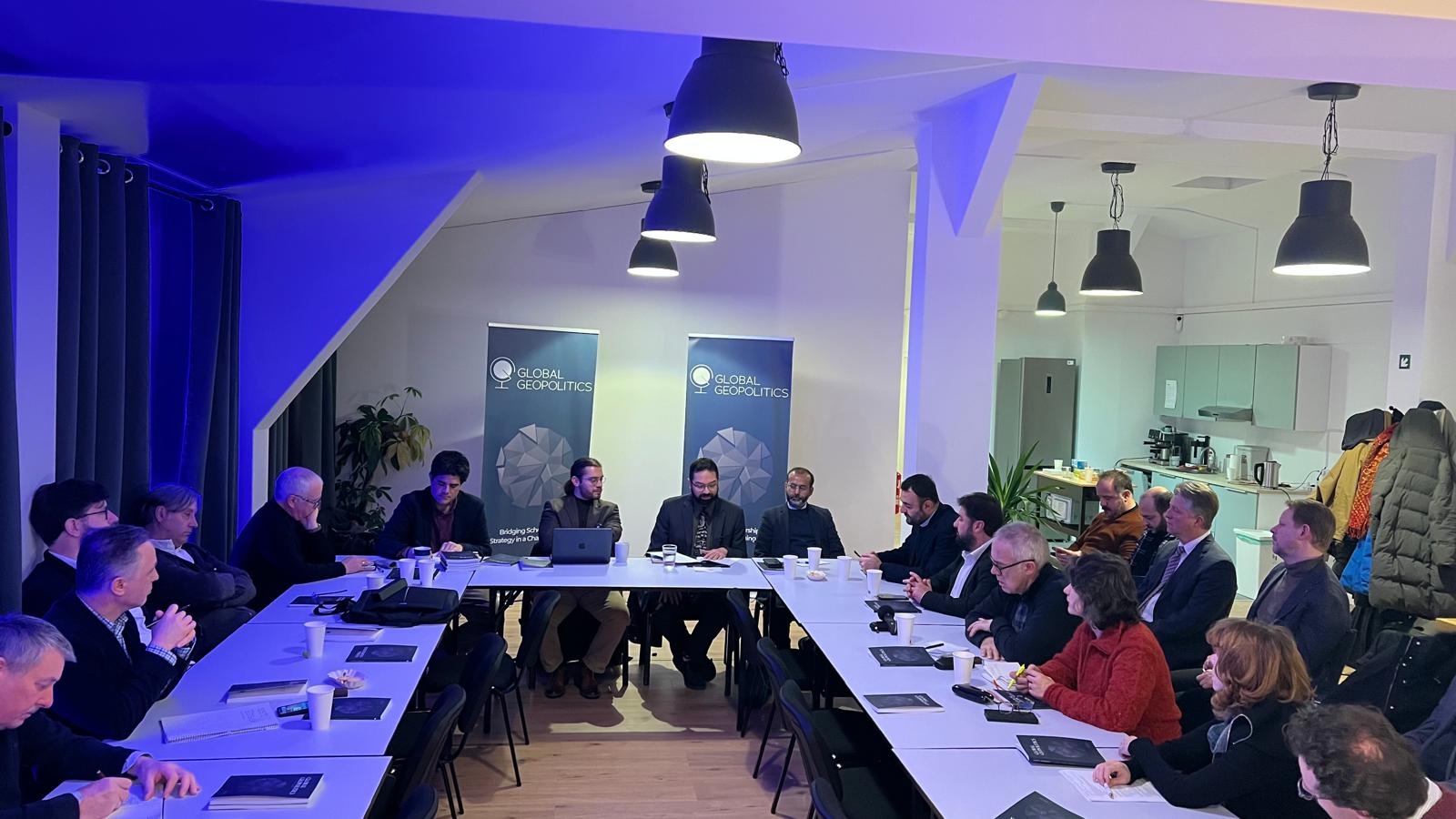
International scholars and policy experts gathered in Berlin for the launch of Global Geopolitics, a new peer-reviewed academic journal examining the complex dynamics of international relations, power structures, and global strategic trends.
The inaugural roundtable, organized in cooperation with the Berlin-based Eurasian Society, provided a platform to discuss developments such as the perceived decline of Western unipolarity, the emergence of what some speakers termed “civilizational states,” and differing interpretations of value-based foreign policy in a more fragmented global environment.
A mandate for inclusivity in a changing world
The launch took place during what Efe Can Gürcan, the journal’s Editor-in-Chief, described as a period of “profound change” and “major transition.” Dr. Gürcan, affiliated with Queen’s University Belfast and the Turkish Academy of Sciences, outlined the journal’s aim to broaden discussions within the field of geopolitics.
“Today we’re meeting at a moment of profound change… and geopolitics is once again moving on the headlines, on the forefront of our agenda,” Gürcan stated in his opening remarks. He noted that despite growing interest in geopolitical issues, there remain “very few academic journals which are exclusively focused or devoted to the study of geopolitics.”
According to Gürcan, the journal seeks to move beyond conventional binaries often present in geopolitical debates. “Geopolitics is often framed by reference to conflict, exclusion, rivalry,” he observed. “While this is partially true, we prefer to take a much more expansive approach… at the end of the day, it all comes down to one simple word: inclusivity.” He outlined three pillars of this approach:
- Geographical inclusivity, encouraging contributions from scholars across all the seven continents, not just the West, not just the East, not just the Global South.”
- Disciplinary inclusivity, incorporating perspectives from various disciplines including history, sociology, and economics,
- Analytical inclusivity, integrating perspectives from International Relations (IR) theory as well as both traditional and critical geopolitics, and examining not only conflict but also cooperation, connectivity, and non-traditional security issues.
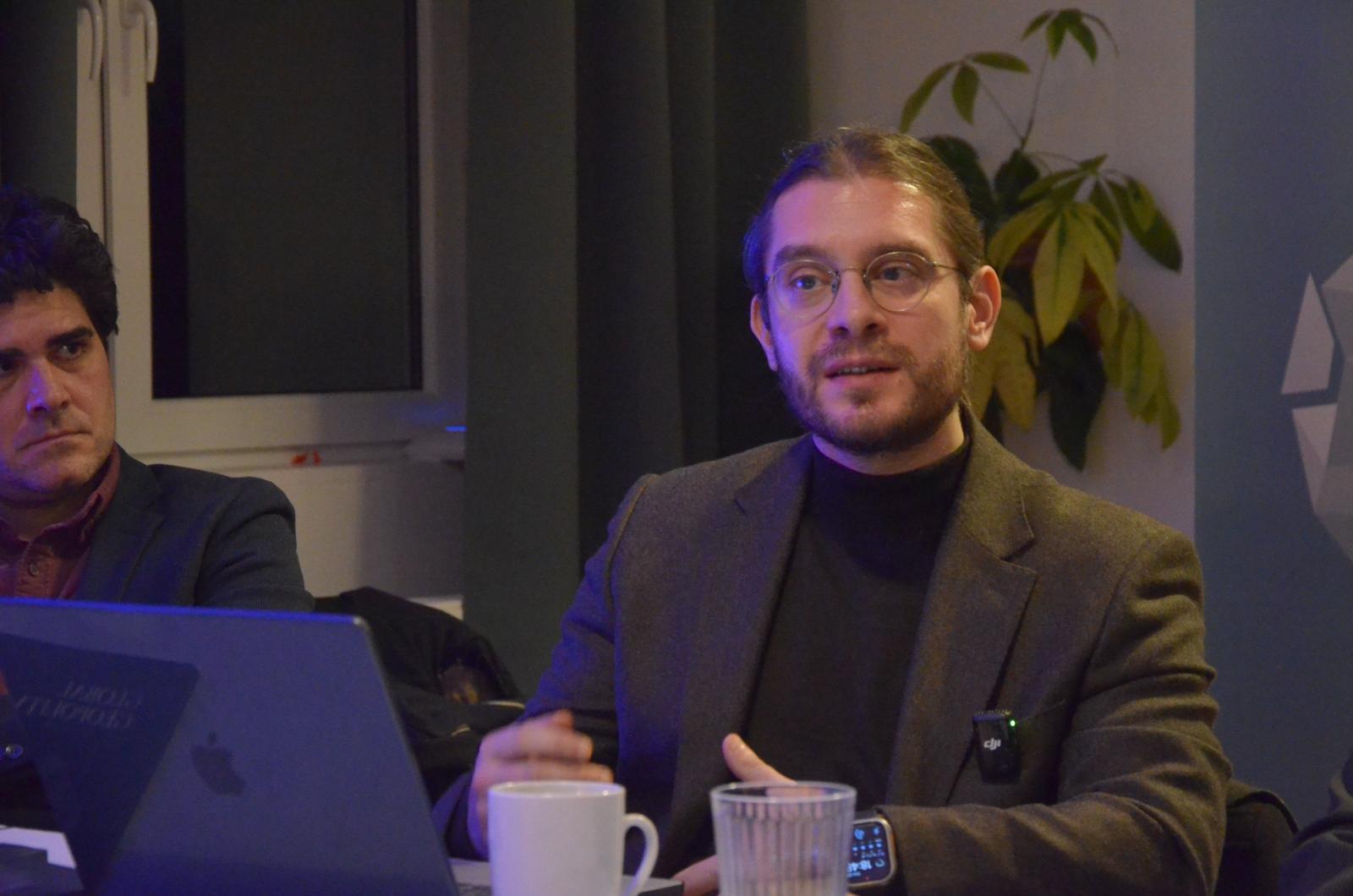
Efecan Gürcan
“In Global Geopolitics, the term ‘global’ is not used in the same sense as ‘globalism,’” Gürcan clarified, adding that “it is a conscious and meaningful choice on our part,” which does not imply alignment with any specific political project or ideological agenda. Rather, the pairing of “global” and “geopolitics” is deliberate, underscoring the journal’s commitment to geographical, disciplinary, and analytical inclusivity alongside academic rigor.
The journal’s editorial infrastructure reflects today’s multipolar reality, boasting a board with representatives from the UK, Canada, India, China, Japan, Brazil, Peru, Türkiye, among others. The first issue addresses topics such as the Ukraine conflict, energy policy, and global migration through empirical research.
The failure of moralism and the return of “realpolitik”
Following Dr. Gürcan’s introduction, the keynote session was opened by Alexander Rahr, Chairman of the Eurasian Society and a veteran historian formerly associated with the German Council on Foreign Relations. Rahr delivered a scathing critique of the current intellectual climate in Germany and Western Europe, arguing that the fixation on “liberal values” has rendered traditional diplomatic analysis obsolete.
“Germany, but also some other European countries, are now focused 100% in their view, in their analysis, in their policy, on so-called liberal values and nothing else,” Rahr asserted. He argued that this moral absolutism was sustainable only when the West was unchallenged. “It went okay for the West to have this kind of projection over the past 25 or 35 years when the West was united, the West was strong… Now we are in serious trouble.”
Rahr framed the launch of the journal as a necessary intervention to reintroduce “Realpolitik” into the European discourse. He lamented the lack of diverse voices in the German public sphere, contrasting it unfavorably with the United States, where figures like John Mearsheimer or Jeffrey Sachs still command attention.
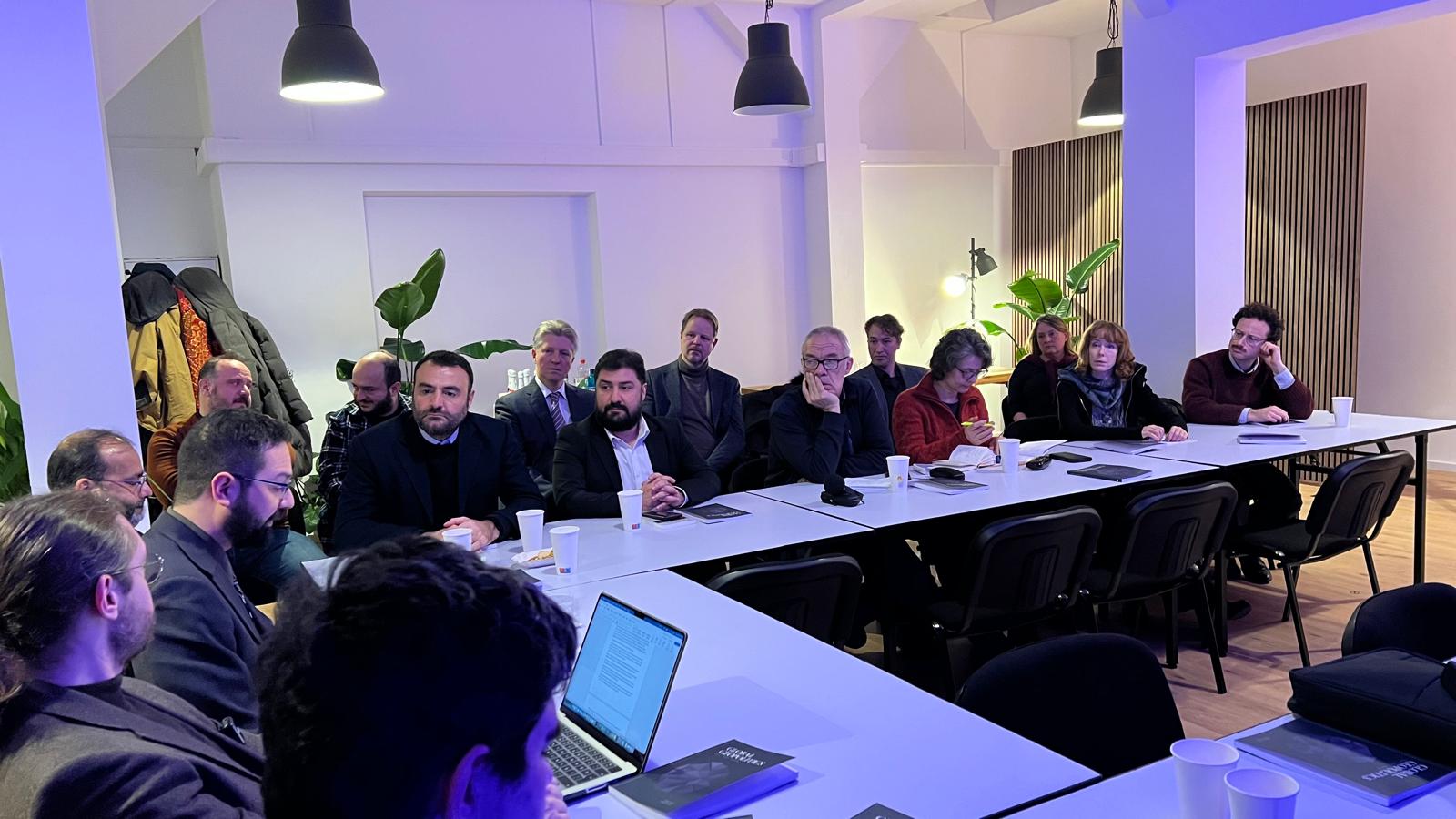
For Rahr, the geopolitical imperative for Europe is clear: a pivot toward understanding, rather than lecturing, the emerging powers. “I would like to make the focus on the BRICS countries,” he said. “These BRICS countries… have the potential of becoming new poles in the world.”
He argued that for Germany and Europe, getting closer to these nations is not merely an economic option but a security necessity. “Only by doing this we can sustain, maintain peace and cooperation in this complex multipolar world.” Rahr specifically highlighted the need to comprehend “Chinese thinking” and “Indian thinking,” areas where he claims European elites know “very little, almost nothing.”
The dangers of the “missionary mentality”
Dr. Christopher Mott, a Washington Fellow at the Institute for Peace and Diplomacy, addressed what he called the “dangers of missionary mentality.” Dr. Mott offered a realist deconstruction of the liberal international order, warning that the impulse to convert the world to a single ideological standard is a recipe for endless conflict.
Mott began by quoting the philosopher George Santayana: “The humanitarian, like the missionary, is often an irreconcilable enemy of the people he seeks to befriend because he has not imagination enough to sympathize with their proper needs nor humility enough to respect them as if they were his own.”
Mott argued that the “unipolar moment” following the Soviet collapse was a “freakish occurrence” in history, lasting at most 20 years. The shock currently felt in Western capitals, he suggested, stems from a refusal to accept that normalcy—historical multipolarity—has returned.
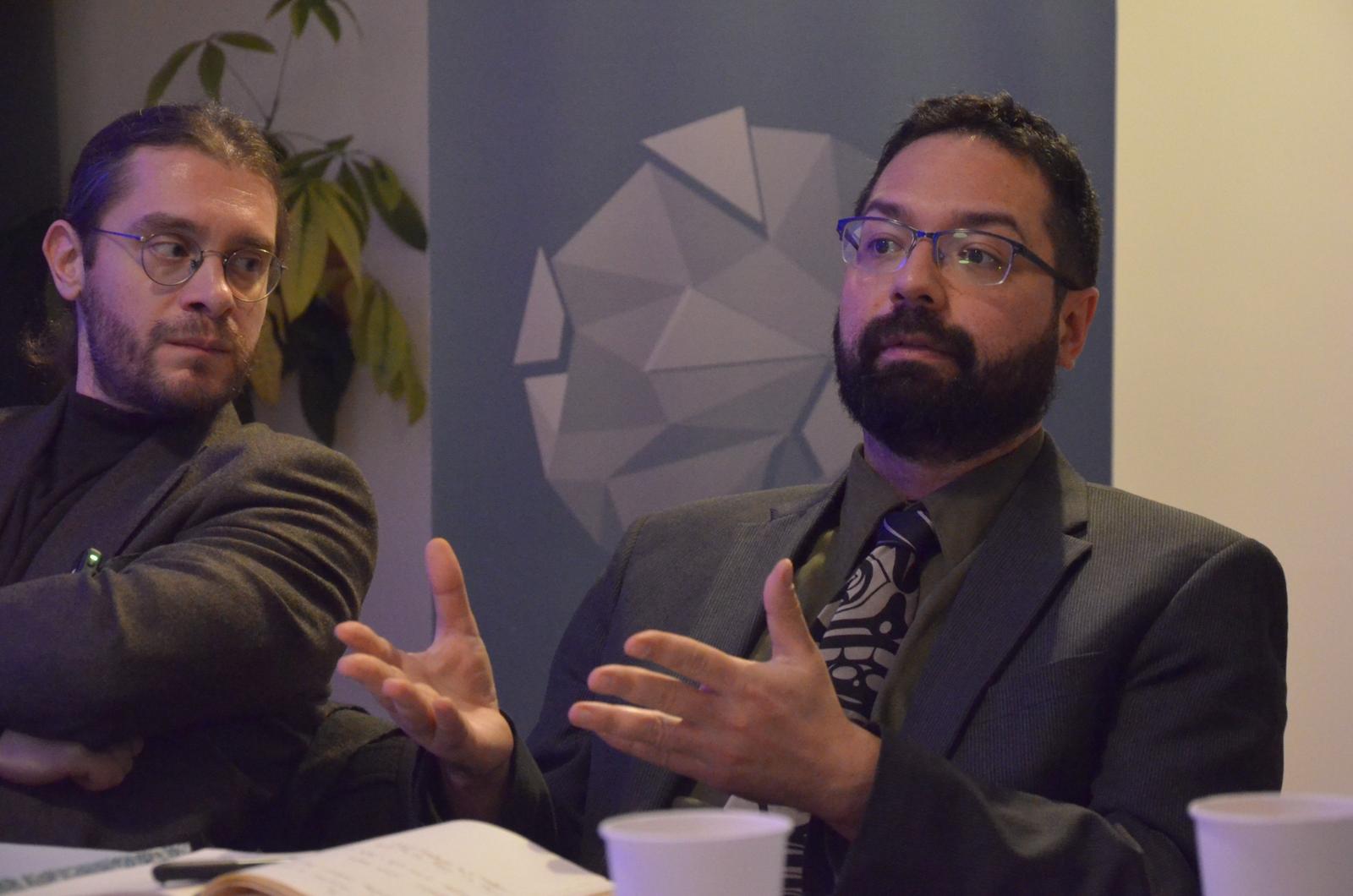
Christopher Mott
“99% of human history was effectively multipolar,” Mott noted. “How do we most constructively learn to be normal again after having bathed in the mentally stultifying lies of a universal human destiny?”
He cautioned against viewing the emerging order as a shared journey. “There is no shared political journey. The future will be as divergent as the past was,” Mott said. He advocated for “polycentrism,” a system where different regimes and ideologies coexist based on “sovereign geographic entities” rather than a forced consensus.
“Liberal internationalism, in its quest to become a universal arbiter of morality… forgot that once upon a time its greatest asset was that it acknowledged many forms of being,” Mott said, referencing the philosophy of Spinoza and Hobbes. He warned European states against becoming a “Saudi Arabia of militant humanism,” exporting a universalist worldview that isolates them from the rest of the globe.
Mott’s prescription for the North Atlantic was a return to “situational realism” and local interest. He closed by invoking George Washington’s Farewell Address, citing the founding father’s warning against weaving “artificial ties” with foreign powers. “Reject Baerbockism, embrace situ-realism,” Mott concluded, referring to the current German Foreign Minister’s value-based diplomacy.
Deconstructing the “West” and the “Global South”
Professor Jagannath Panda, Head of the Stockholm Center for South Asian and Indo-Pacific Affairs, shifted the focus to the structural dynamics of power in Asia and the broader globe. Panda challenged the very terminology used to describe the current order, suggesting that the binary of “East vs. West” has dissolved.
Reflecting on the recent World Economic Forum, Panda observed: “What I found very interesting in Davos is that there was less about economics… it was more about political economy, political security.” He went further, stating that speeches from leaders like Donald Trump and Justin Trudeau revealed a fracturing of the traditional Western bloc.
“There is nothing called ‘West’ today,” Panda argued. “If West does not exist, then can we really say that there is a fight exist between West and East? Probably there is no fight.” He extended this skepticism to the term “Global North,” suggesting that the convergence of interests is creating a “contesting world order” where countries partake in multiple, overlapping typologies of power.
Panda distinguished between multilateralism (a process establishing networks), multipolarism (the structural base of power), and multipolarity (the medium through which power is distributed). He cited BRICS as a unique entity that combines all three, unlike the Asian Infrastructure Investment Bank (AIIB), which functions purely as a multilateral mechanism.
Highlighting the growing strategic autonomy of nations, Panda pointed to the recent trade negotiations between India and the European Union. He noted that for the first time, EU leaders were chief guests at India’s Republic Day, signaling a “special chemistry” driven by mutual necessity rather than ideological alignment. “Both sides talk about something unique: strategic autonomy,” Panda said.
Panda also predicted a shift in the nature of global conflict. While territorial disputes remain, he warned that “resource politics is going to be shaping the global politics in times to come.” He identified coastal and corridor nations—such as Myanmar, Bangladesh, Sri Lanka, and the Maldives—as critical players in this new arena, where control over supply chains and raw materials will supersede traditional land grabs.
The empire of chaos and energy wars
The final keynote was delivered by Thomas Fazi, an Italian journalist and author known for his critique of neoliberalism. Fazi provided the most confrontational assessment of the day, characterizing the current geopolitical transition as the end of “500 years of Western economic, political, and military global hegemony.”
Fazi argued that while the rise of the non-Western world should be a natural evolution, the Western elite views it as an “existential threat,” leading to a form of “clinical” insanity in policymaking. “The US and Western powers [are] doing everything they can to slow down, if not stall, this transition to multipolarity,” Fazi said.
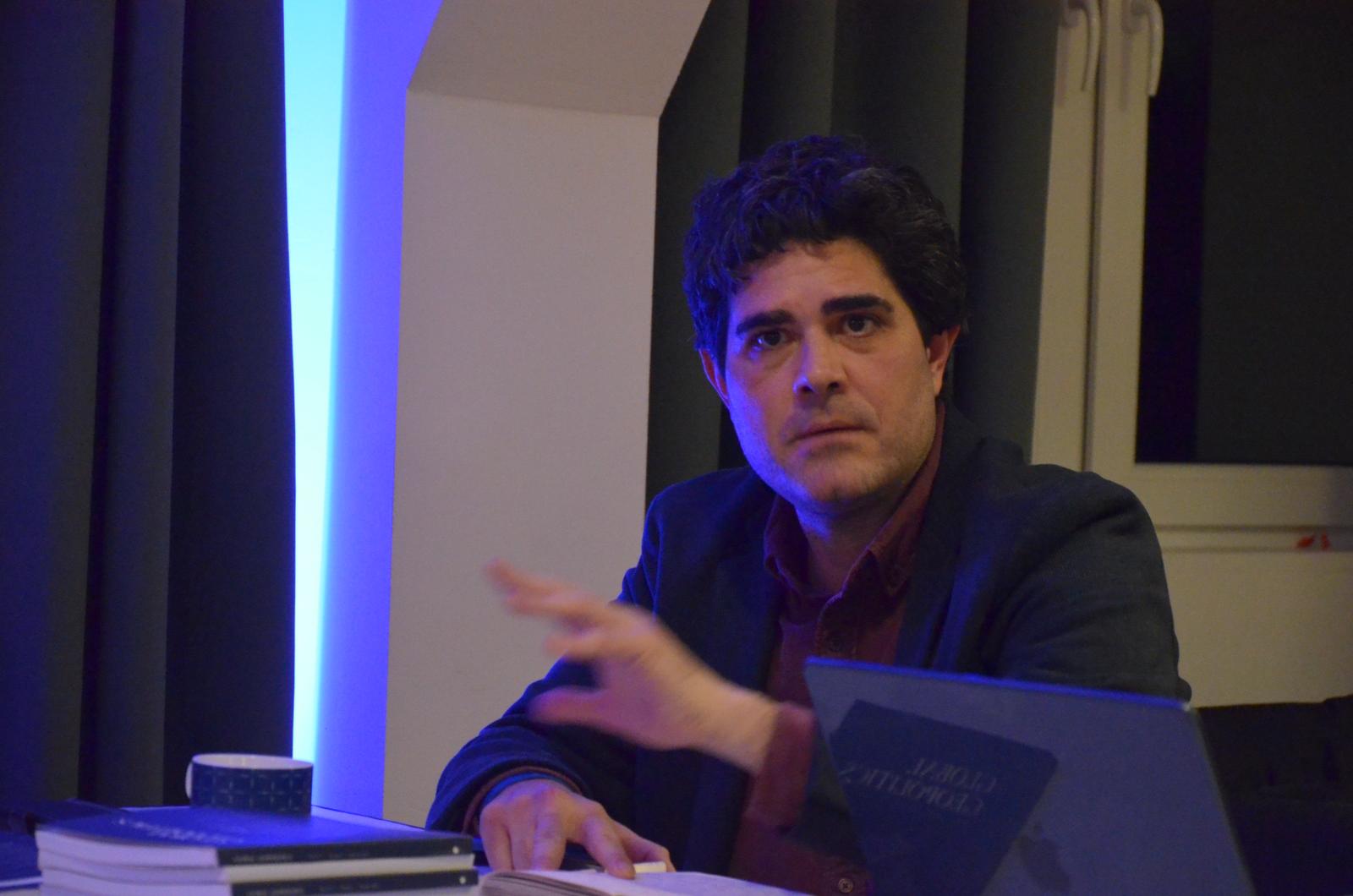
Thomas Fazi
He offered a provocative analysis of the Trump administration’s foreign policy, suggesting that what appears to be erratic behavior is actually a strategy of “engineered permanent chaos.” According to Fazi, Trump is not attacking random countries but “targeting the weak links” in the China-led system, such as Venezuela and Iran.
“Chaos… in Trump’s strategy is part of the strategy itself,” Fazi posited. He linked this to a broader US objective: re-establishing control over the physical and financial flows of energy. Fazi argued that the “unraveling” of the petrodollar system, driven by nations like Russia and Iran trading outside US jurisdiction, poses a lethal threat to American hegemony.
Lively Q&A highlights diverse perspectives on power, trade, and Europe’s future
Responding to a question about the resilience of non-Western powers, Mott argued that states with deep historical roots, distinct from mere nation-states, are overperforming.
“A state whose basis… is based in something a bit more historic than just election cycles… these are the states that will outperform,” Mott said. He cited China, India, and Ethiopia as prime examples of powers that can weather political storms because their identity transcends a single form of government. He contrasted this with the fragility of the Arab nation-states compared to the historical depth of Türkiye and Iran. “Iran has a level of continuity that enables it to punch above its weight.”
Rahr added a European dimension to this concept, arguing that Europe once possessed a form of “cultural unity” that has been eroded by “80 years of Americanization.” He warned that without recovering this cultural memory—which he insisted must include Russia—Europe risks being fractured or reduced to vassalage.
The Q&A session also addressed the economic architecture of the coming era. Responding to inquiries about the future global economy, the panelists agreed that the era of unfettered globalization is over, replaced by securitized trade and protectionism.
“You’re definitely going to see a pivot away from international free trade across the board,” Mott predicted. “Everything is going to be justified under the terms of national security.” He described a future of “state-directed preferred trade methods,” where efficiency is sacrificed for geopolitical reliability.
Fazi concurred, noting that the “free market” was always a myth in the West, but argued that the current shift represents a “fusion of state and corporate power.” He lamented that this retreat from globalization is being framed defensively rather than as an opportunity to improve domestic living standards. “We’re not seeing Western leaders talk about… investing to improve the lives of our citizens. No, we have to secure… so our enemies can’t blackmail us.”
Panda added that while protectionism will rise, so will the complexity of trade disputes. He pointed to the EU-India Free Trade Agreement (FTA) not as a triumph of liberal economics, but as a “compromised deal” born of necessity. “Europe is in massive need of partnerships… economic security,” Panda said, noting that the deal represents a diversification away from China and the US for both parties.
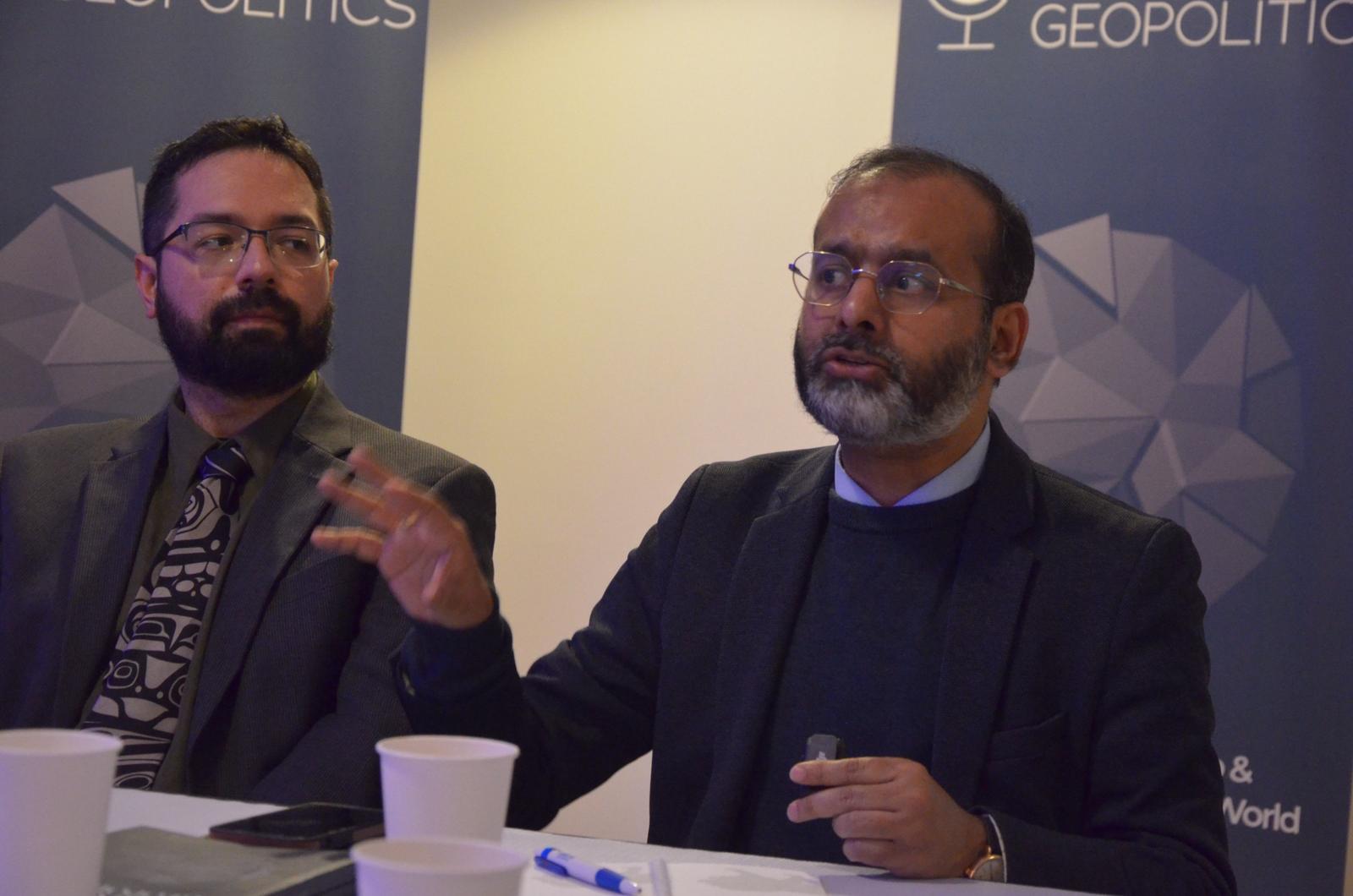
Jagannath Panda
The discussion concluded with a debate on Europe’s role in a multipolar system. Fazi took a hardline stance, arguing that the European Union and NATO are structurally incapable of adapting to the new reality. “The European Union is a completely ahistorical reality… an imperial model which has hollowed out democracy,” Fazi claimed, dismissing hopes for reform as “illusions.”
Panda, however, offered a more moderate view, suggesting that Europe’s indecisiveness is its greatest weakness. “The time has come to take a call… to have a future army,” Panda urged, advocating for a Europe that acts as an independent pole rather than a US dependency.
Mott offered a final strategic prescription for the emerging order: a “modus vivendi” based on the rejection of hegemony. “The one thing that definitely should unite future architects of a stable multipolar order is to combat revisionism effectively,” Mott said. He envisioned a system of “counterbalancing forces” and “non-aligned leagues” that act as buffers to prevent any single power from dominating the globe.






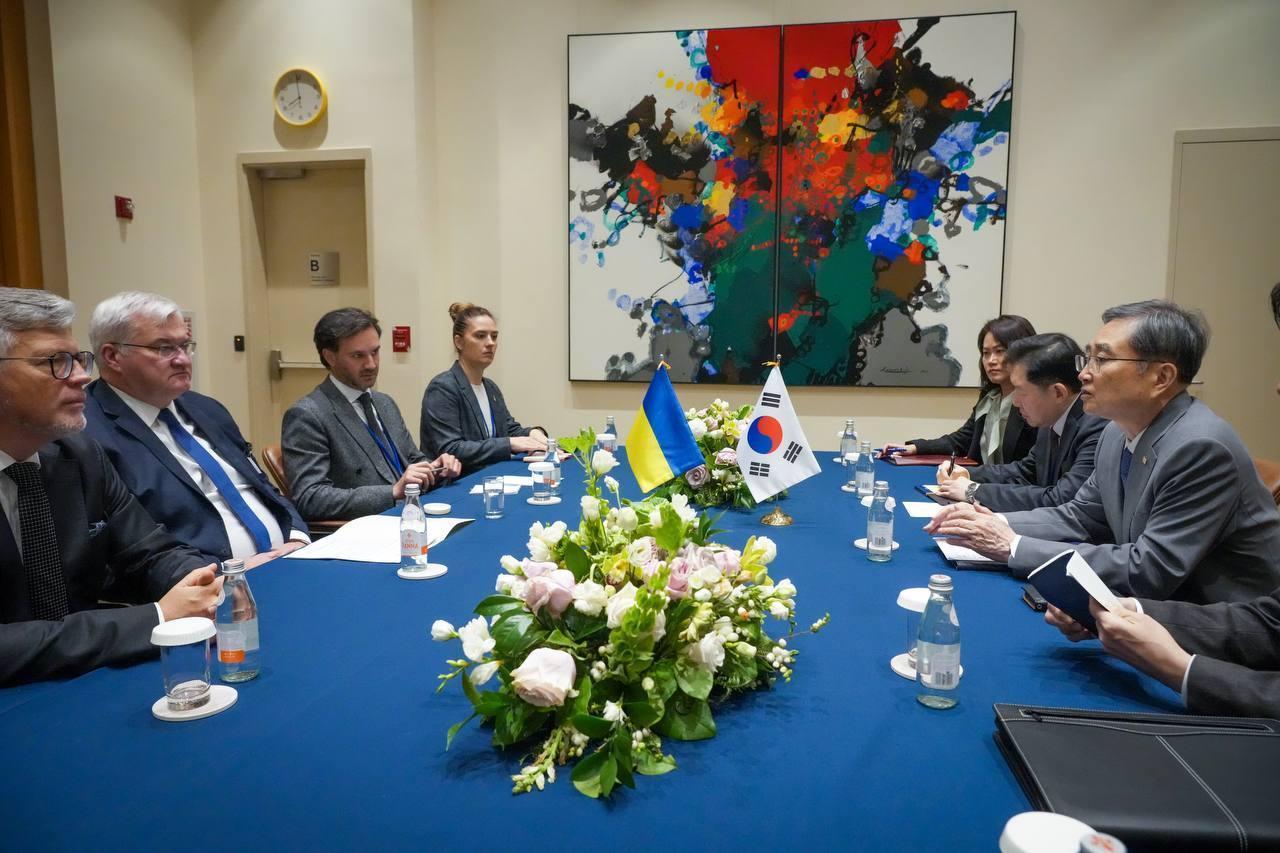
The South Korean government has decided to withdraw part of its embassy staff from Ukraine.
According to the Yonhap news agency, Foreign Ministry spokesman Park Doo-sun cited the Kyiv administration’s failure to take “positive steps” in the dispute that began with the leak of information concerning the handover of North Korean prisoners of war as the justification for the move.
The spokesman also listed the ongoing threat of air strikes, which complicates the safety of diplomats, among the reasons.
Following the withdrawal of part of the personnel, essential diplomatic contacts will continue under the leadership of the charge d’affaires ad interim to Ukraine. All consular staff tasked with protecting South Korean citizens will remain in Ukraine.
Prior to this move, the Seoul administration decided on 8 October to withdraw its ambassador. The Foreign Ministry stated at the time that it was ready to continue consultations with Kyiv to resolve the emerging issues constructively.
Tensions between the two countries began with a speech delivered by Ukrainian President Volodymyr Zelenskyy at the United Nations General Assembly in September.
Zelenskyy announced that two captured soldiers from the North Korean army had been handed over to South Korea.
South Korean President Lee Jae-myung, meanwhile, accused Kyiv of breaching a confidentiality agreement.
Lee said the disclosure of this information endangered the prisoners’ families and stability on the Korean Peninsula.
Seoul expects a public apology
Dmytro Lytvyn, an adviser to the Ukrainian president, denied the existence of a confidentiality agreement.
The South Korean Foreign Ministry summoned Ukrainian Charge d’Affaires Andriy Veshkin on 28 September and issued a note of protest against Lytvyn’s remarks.
President Lee Jae-myung warned in a statement on 2 October that they would take additional measures against Kyiv if Ukrainian authorities did not acknowledge the agreement and make a public apology. Lee stated that Ukraine itself had initially requested that the transfer of the prisoners be kept confidential.
Ukrainian Foreign Ministry spokesman Heorhii Tykhyi said the dispute stemmed from differing interpretations of the confidentiality regime.
Tykhyi noted that Seoul, based on its constitution which recognises the entire Korean Peninsula as its own territory, requested that the prisoners be handed over “like its own citizens”.
Describing the handover as a “gesture of goodwill”, Tykhyi stated that they were conducting closed-door negotiations to resolve differences of opinion.
Ambassador Park Ki-chang returned to Seoul on 10 October. According to a report by The Korea Times newspaper citing the ministry, recalling the ambassador served as a diplomatic protest against the leak of information regarding the prisoners.
The newspaper wrote that South Korea had last taken a similar step in 2008 by withdrawing its ambassador to Japan.
Moscow warned foreign diplomats
On 3 October, the Russian Foreign Ministry reiterated its warning to foreign nationals, including diplomatic mission staff, against remaining in Ukraine.
The ministry recalled its advice to leave Kyiv, citing ongoing strikes against military targets.
The ministry noted that those who failed to heed the warnings would bear responsibility for the potential consequences.
Kremlin spokesman Dmitry Peskov said in a statement on 24 September that they had no information regarding Kyiv handing over two North Korean prisoners of war to Seoul.
Peskov, noting that prisoner matters fall under the authority of the Defence Ministry and intelligence services, said, “Contacts through the special services are continuing.”
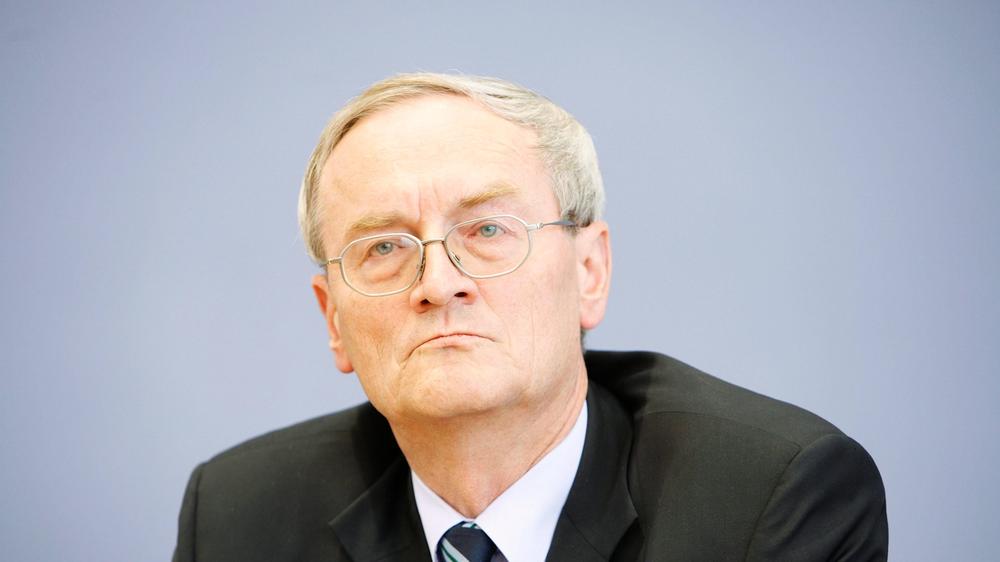
August Hanning, who led Germany’s Federal Intelligence Service (BND) between 1998 and 2005, was arrested on 6 October on allegations that he obtained roughly 2,000 classified agency documents and used them during contacts with intelligence officers from a foreign state.
Accused of high treason and espionage on behalf of a foreign intelligence agency, the former spy chief is alleged to have procured the documents from former BND employee Manfred D.
Prosecutors stated that the leaked records included internal briefing notes presented to senior German officials, though the Berlin government has not yet publicly disclosed which country received the classified data.
According to an exclusive report by Jake Green for The Cradle, seized email exchanges revealed extensive ties between the arrested Hanning and former Mossad director Danny Yatom.
The correspondence shows that the two former intelligence directors built an ongoing network of contacts following their public service, combining commercial ventures, efforts to secure political influence, and intelligence links.
This dynamic has triggered debate that using personal connections and official access for private gain has left Germany’s intelligence apparatus vulnerable.
Intelligence notes for 10,000 euros and campaign proposals
According to the reviewed emails, Hanning told Yatom in a 2018 message that he could prepare an “overall assessment based on information obtained from senior German officials and intelligence agencies” concerning an unidentified candidate.
The former BND head committed to completing the report by 13 July in exchange for 10,000 euros.
Contacts between the two men subsequently expanded to cover domestic political processes in Germany. Ahead of the September 2021 federal election, Yatom asked Hanning to approach leading candidates.
Describing CIY Global as a “political campaign company”, the former Mossad chief noted that he aimed to introduce its capabilities to German politicians, and he mentioned his intention in the same exchange to transfer documents concerning a cybersecurity firm.
Cybersecurity partnership and surveillance operations across Europe
The partnership between Yatom and Hanning reached beyond political lobbying initiatives into the cybersecurity sector.
Hanning reportedly served as a consultant for World Health Energy Holdings, a cybersecurity company linked to Yatom.
Firms of this type, established or managed by former intelligence personnel, provide commercial platforms on the international market for Israeli-origin surveillance, cyber intelligence, and political influence capabilities.
The operational presence of private Israeli-based surveillance technologies across Europe has recently entered judicial records through scandals in Poland, Spain, and Greece.
Polish prosecutors announced on 12 October that data collected under the previous government via Pegasus spyware against political opponents had been transferred out of the country, adding that manufacturer NSO Group maintained access to the technical infrastructure.
In Spain, the 2022 CatalanGate investigation established that at least 65 people, including politicians, lawyers, and civil society representatives, were targeted using Pegasus or Candiru software, with Citizen Lab researchers publishing strong evidence linking the operation to Spanish authorities.
In Greece, the surveillance operation targeting journalist Thanasis Koukakis and Member of the European Parliament Nikos Androulakis was determined to have used Predator software, linked to Intellexa, a company founded by former Israeli intelligence officer Tal Dilian.
In the German espionage investigation, the traffic between Hanning and Yatom involving paid reporting, contacts with electoral candidates, and commercial partnerships does not yet provide conclusive legal evidence regarding the final destination of the roughly 2,000 classified documents.
Nevertheless, the disclosed correspondence gives German investigators a concrete line of inquiry to assess whether classified state secrets reached commercial networks tied to Israeli intelligence.
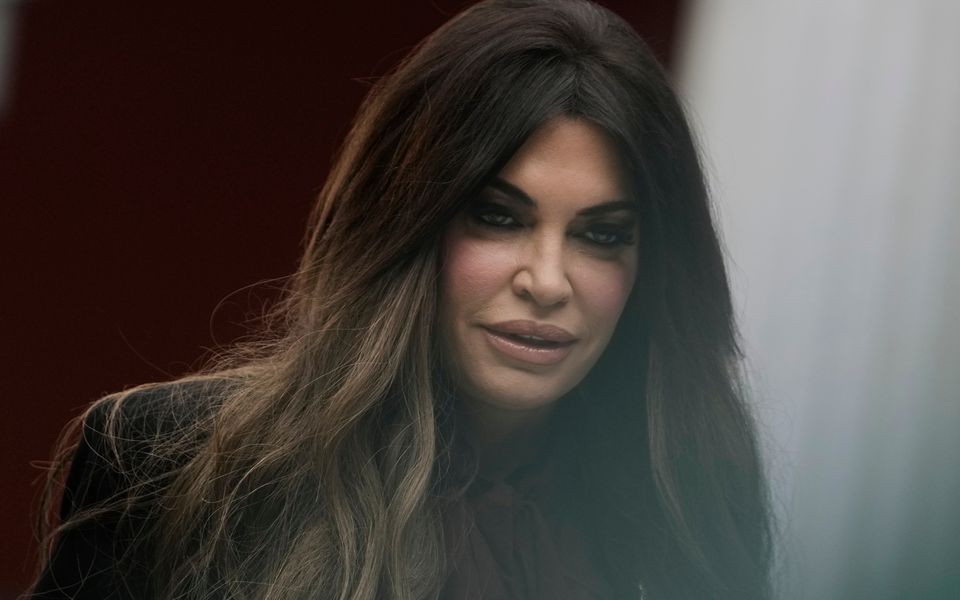
US President Donald Trump has dismissed Kimberly Guilfoyle, the US ambassador in Athens, following serious press reports concerning her conduct.
White House Press Secretary Katie Zacharia told reporters during her first briefing that Guilfoyle had been asked to resign.
“She was doing a good job, but we didn’t like what we read in the press,” Trump said. “She was not a member of my family. I think she dated my son a long time ago.”
In a social media post, Guilfoyle stated: “These claims are unfounded, and I will resolutely defend my name, reputation, and integrity.” She added that she was particularly proud of the embassy’s work.
According to Kathimerini, her removal came as no surprise in Washington. Days of successive disclosures and vigorous exploitation of the matter by Democrats had been inflicting political damage on the White House ahead of the sensitive midterm elections.
The US State Department was instructed not to comment, with crisis management transferred entirely to the White House.
Reports indicate that most of the president’s team swiftly favoured Guilfoyle’s dismissal, while Secretary of State Marco Rubio was reportedly uneasy with the demonstratively warm public welcome she had staged for him.
Democrats on the House Foreign Affairs Committee have called for an investigation.
“Her resignation does not absolve her of responsibility,” the lawmakers wrote, adding: “While American families struggled to make ends meet, she used her position as a Trump administration official to enrich herself.”
Chargé d’Affaires Josh Huck will assume ambassadorial duties until a successor is chosen.
Meanwhile, Guilfoyle’s departure is expected to cause delays in agreements between Greece and the US.
These include the so-called “Rubio package”, comprising approximately $4 billion in arms deals finalised only days before the secretary of state’s arrival.
Several procedural steps still remain before the contracts can be signed.
In Athens, opposition parties are demanding answers. Dimitris Mantzos of PASOK called for a detailed briefing on the agreements reached during Rubio’s visit.

German officials urge fighter jet alliance with Sweden and Spain

US wealthy demolish multimillion-dollar mansions for land

US and Israel weigh Iran strikes after midterm vote, reports say

Pentagon plans covert spy ring for economic war on China, report says

EU reopens debate on naming envoy for Ukraine talks with Putin
-
 America2 weeks ago
How will Brazil’s presidential runoff work?
-

 Europe2 weeks ago
Berlin Left Party backs Israel’s right to exist for coalition pact
-
 Diplomacy2 weeks ago
The West is preparing for war not with Russia, but with its own people, French analyst Georges Kuzmanovic insists
-

 Russia2 weeks ago
71 EU lawmakers demand closure of Russian Houses in 15 member states
-
 Europe2 weeks ago
MI6 investigates potential leaks after former BND chief is detained
-

 Russia2 weeks ago
US and Russian figures discuss American stake in Nord Stream lines
-
 Russia2 weeks ago
Drone strike shuts down Yandex data centre in Russia’s Ryazan region
-

 America2 weeks ago
Trump weighs presidential memorandum to cut surging US diesel prices
