
Russia
Ukraine attacks Russian strategic bomber bases with truck-launched UAVs

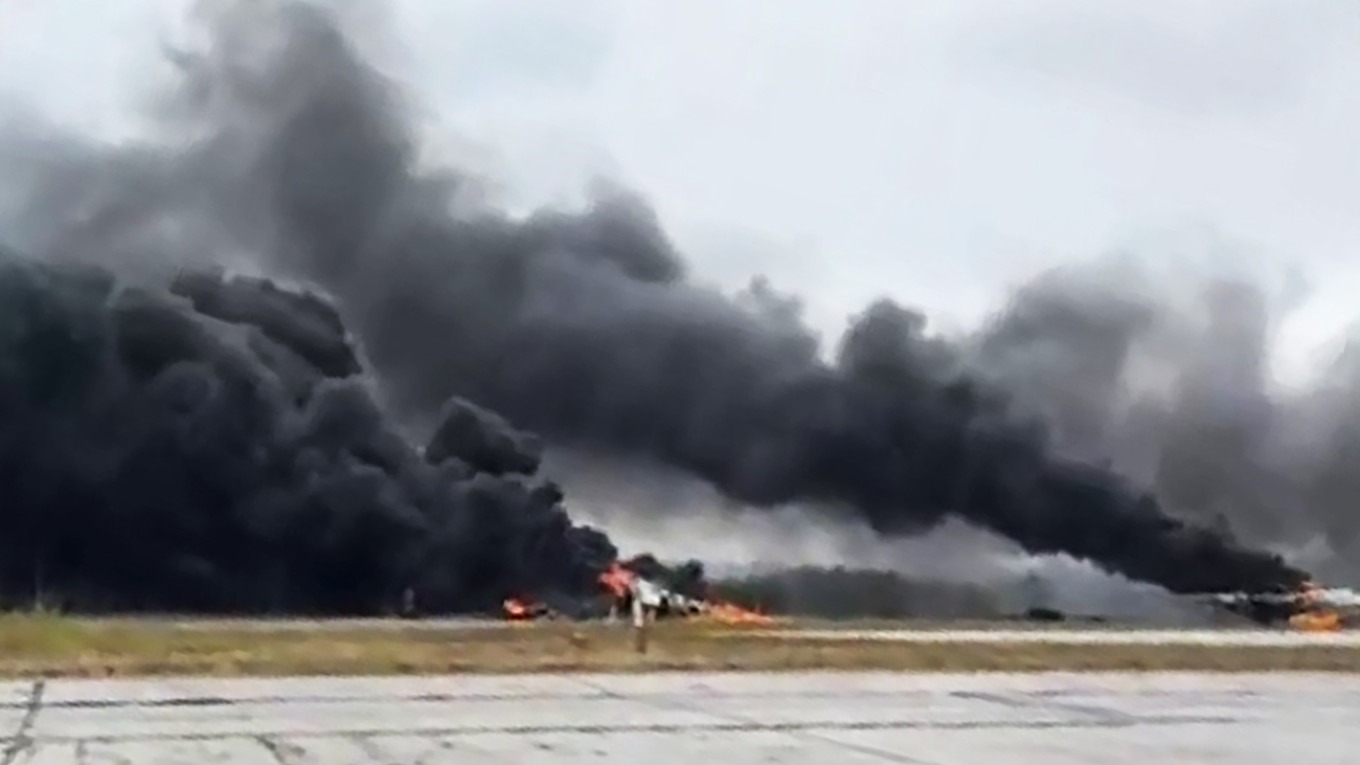
The Security Service of Ukraine (SBU) has reportedly conducted a large-scale attack with unmanned aerial vehicles (UAVs), allegedly launched from trucks, on four strategic bomber bases within Russian territory.
According to a report by the BBC, citing sources within the SBU, “Operation Spider’s Web” targeted the Olenya airbase in Murmansk Oblast, Dyagilevo in Ryazan, Belaya in Irkutsk, and the Ivanovo airbase in Ivanovo.
Ukrainian sources claimed that more than 40 Russian aircraft, including nuclear-capable bombers, were hit in the attacks, causing damage exceeding $2 billion.
Targeted bases and regional confirmations
Murmansk Governor Andrey Chibis confirmed a UAV attack on the region, stating that air defense systems were operational and law enforcement and emergency services were on duty.
Olenegorsk residents reported hearing explosions and seeing fires, and it was learned that entry and exit to the city were prohibited.
The Baza Telegram channel, known for its proximity to law enforcement agencies, wrote that the UAVs attacking the airport took off from a truck parked near Olenegorsk on the morning of June 1. The channel claimed that the truck driver might have been unaware of the cargo and had been detained. The Olenya airbase houses Tu-22M3 bombers capable of carrying nuclear weapons.
Additionally, Irkutsk Governor Igor Kobzev reported that UAVs attacked a military unit in the village of Sredniy in the Usolskiy district. Kobzev also stated that “something was dropped on an old building” in Novomaltinsk and said that Siberia had been subjected to a UAV attack for the first time.
As in Murmansk, it was alleged here too that the UAVs were launched from a truck. FSB, Rosgvardiya, and Ministry of Emergency Situations teams were dispatched to the scene.
The Belaya military airbase, home to the 200th Guards Heavy Bomber Aviation Brest Red Banner Regiment, which has Tu-22M3 strategic bombers in its inventory, is located in the Usolskiy district. Local residents also indicated that this base was the target.
Ryazan Governor Pavel Malkov also confirmed the attack on the region. Malkov announced that a part of a downed UAV damaged the roof of a house but no one was injured.
According to Ostorozhno Novosti, the target of the attack was the Dyagilevo airfield, which houses Tu-95MS and Tu-22M3 bombers.
It was stated that A-50 long-range radar detection and control aircraft, used by Russian troops to detect Ukrainian air defense systems, might have been hit at the Ivanovo airfield. Officials did not make a statement regarding this attack.
Ukrainian intelligence claimed responsibility for the attack
According to RBC-Ukraine, more than 40 aircraft, including A-50, Tu-95, and Tu-22M3, were hit as a result of the operation personally led by SBU Head Vasyl Malyuk.
The total cost of the attacks was reported to exceed $2 billion. In a video showing explosion footage from Ukrainian sources, a voice, assessed to be Malyuk’s, is heard saying, “Belaya airfield, how beautiful the enemy’s strategic aviation looks now.”
Reactions from Russian Telegram channels
The Fighterbomber Telegram channel wrote that the UAVs were used at very short range, making it “impossible to save the aircraft from attack, like countering with Pantsir, S-300 and similar systems.”
The author stated, “Today will later be remembered as a black day for Russian long-range aviation. And the day is not over yet.”
The Rybar Telegram channel recalled that Tu-95 and Tu-22 aircraft have not been in production for a long time, so the losses cannot be replaced.
The channel’s author assessed, “This is, without exaggeration, a very serious blow to the strategic component, resulting from both serious miscalculations in the work of intelligence agencies and a negligent attitude towards aircraft left in the open without protection even after all the attacks.”














Russia has announced that it will ship 500,000 tonnes of diesel fuel to the global market under a partial lifting of its diesel export ban, enacted as part of measures concerning the Ukraine crisis and energy markets.
A statement from the Russian government said the decision was implemented in accordance with understandings reached between Russian President Vladimir Putin and US President Donald Trump.
Under the decision, which came into effect on 10 October, an initial phase of 500,000 tonnes of diesel fuel will be supplied to the global market.
“Following the rescinded decision, Russian oil companies, in coordination with the government, will immediately begin signing diesel fuel supply contracts with foreign business partners,” the government statement said.
Assessing the matter, Deputy Prime Minister Aleksandr Novak stressed that the decision would not affect the interests of Russian consumers.
Noting that diesel fuel is produced from Russian crude at domestic refineries, Novak stated that production volumes are sufficient both to meet all domestic market requirements in full and to ship the specified quantities to the global market.
The ban on diesel fuel exports in Russia was initially put into effect on 31 January 2026, covering only non-producing companies.
The government tightened the restrictions on 9 July by expanding them to include direct producers. Previously announced to remain in place until the end of October, the ban was partially relaxed in light of current developments.
Vladimir Putin and Donald Trump held a telephone conversation on 9 October. Following the call, US President Trump announced that an agreement had been reached on the supply of Russian diesel.
Trump said Russia had agreed to send more than 300,000 tonnes of fuel to American and global markets in the initial phase, 500,000 tonnes in November, and 1 million tonnes thereafter.
Trump also stated that an additional shipment of 3 million tonnes could follow at a later stage, adding that they expect this agreement to reduce diesel fuel prices rapidly.
Following the conversation, the US Department of the Treasury, on Trump’s instructions, issued a temporary general licence exempting Russian diesel fuel transactions and shipments to the US—previously prohibited under sanctions—until 7 April 2027.
Putin, in a statement after the call, confirmed Russia’s readiness to supply crude oil and petroleum products to American and global markets, noting that this would have a positive impact on the world economy.
Putin also noted that the two leaders discussed prospects for resolving the conflict in Ukraine, the situation surrounding Iran, and bilateral relations, agreeing to maintain contacts through presidential envoys, intelligence agencies, and other institutions.
A statement issued by Novak’s office after the call said Russia was prepared to ship diesel to the US within October.
Novak stated that export volumes could be increased in November and December as refineries emerge from scheduled maintenance.
Novak also conveyed that Moscow views positively Washington’s steps towards stabilising the global energy market and normalising energy trade.
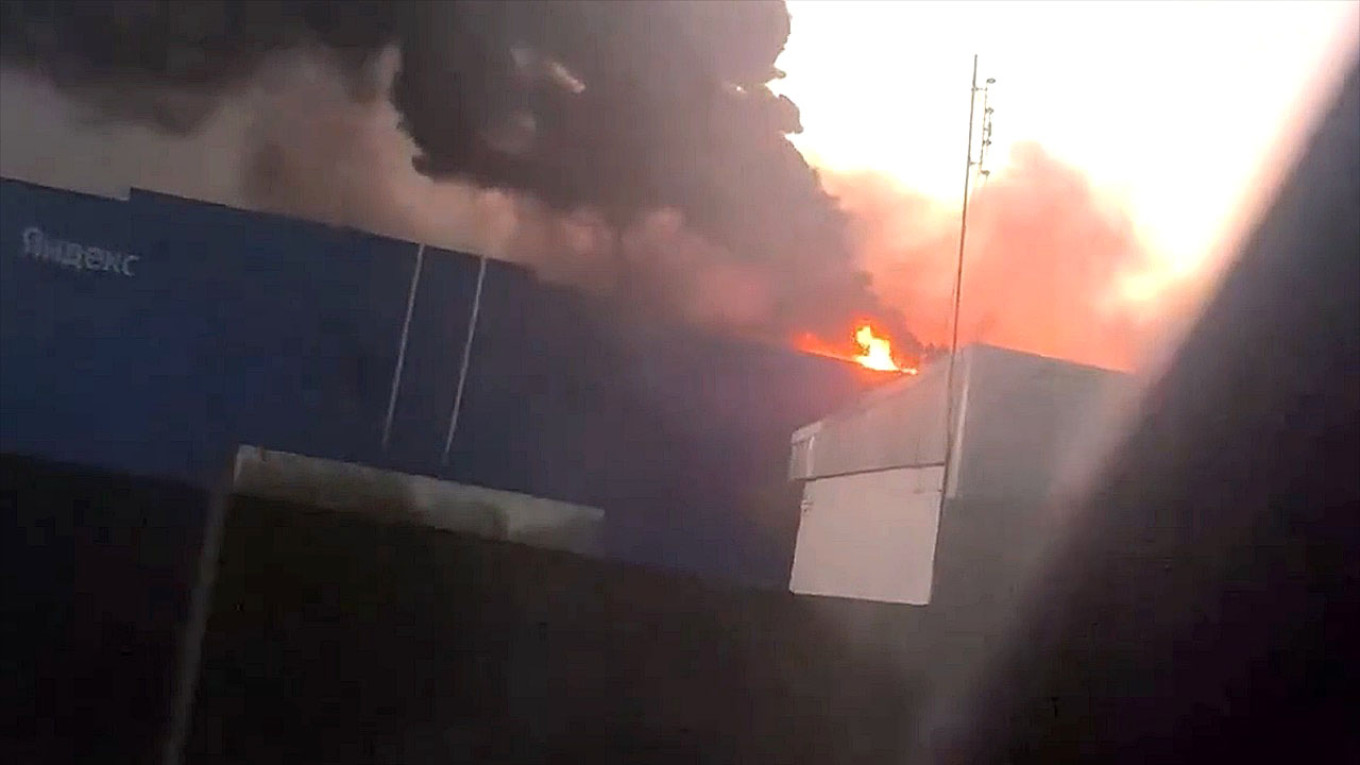
A drone strike has hit a data centre belonging to Russian internet company Yandex in the town of Sasovo, located in the Ryazan region.
The company announced that a fire triggered by the attack damaged part of the infrastructure and resulted in a complete shutdown of the facility’s operations. No casualties or injuries were reported in the incident.
In a statement, Yandex said competent authorities and relevant teams were working at the scene to remediate the damage.
Owing to the facility being knocked offline, it was noted that some of the company’s online services might temporarily become inaccessible to users.
The company provided no details regarding the financial scale of the damage or when the data centre would be brought back into service.
Shares slide, cloud infrastructure curbs introduced
Following the developments, Yandex shares fell by more than 3.4% as of 10:10 Türkiye time.
A drone threat alert was reportedly communicated to residents of the Ryazan region at 23:48 on the night of 7 October, with the alarm lifted at 02:46 on the morning of 8 October. The facility in Sasovo had commenced operations in 2014.
In an advisory issued via the Yandex Cloud Alerts channel, it was reported that power issues were occurring in the system’s “ru-central1-b” availability zone.
The company stated that efforts to transfer data workloads to other availability zones had been completed and that services in other zones continued to operate normally.
However, it was noted that temporary restrictions could be imposed on the creation of new resources within the cloud infrastructure. According to data from outage-monitoring platform Downdetector, an increase in user complaints concerning Yandex, Yandex Cloud, and the real estate platform CIAN was recorded on the morning of 8 October. Reports were observed to have originated predominantly from Moscow and surrounding regions.
Data centre targeted for first time after logistics warehouses
Whether the attack directly targeted the data centre remains unconfirmed. Nevertheless, as of 8 October, this went on record as the first drone strike directed at data centres in Russia.
Beginning in the summer months of 2026, warehouses belonging to Russia’s leading e-commerce platforms had faced drone attacks.
Fires at several warehouses owned by the company Wildberries caused hundreds of billions of roubles in losses for sellers, after which logistics centres belonging to the company Ozon were also targeted.
Both companies amended their contractual terms, shifting liability for damages arising from attacks onto sellers.
Yandex facilities had previously experienced a widespread outage on 30 March 2025 due to a transformer failure, which temporarily disabled services including Yandex Cloud, Yandex Music, and Yandex Lavka.

Senior officials from Russia and the US have reportedly discussed involving an American investor in the Nord Stream natural gas pipelines.
According to a report by the Reuters news agency based on five sources, those taking part in contacts included Kirill Dmitriyev, head of the Russian Direct Investment Fund (RDIF) and the Russian president’s special representative for investment and economic cooperation with foreign states, and Jared Kushner, son-in-law of the US leader.
Two sources providing information on the scope of the discussions said that while it remains unclear how detailed the consideration of the Nord Stream topic was, the matter nevertheless remains on the agenda.
Kushner reportedly views business-oriented cooperation as an instrument in initiatives aimed at ending the war in Ukraine.
A potential agreement could reportedly offer US investors an opportunity to profit from energy shipments to Europe once the war ends.
White House states no recent contacts have taken place
A White House official told Reuters that no negotiations regarding Nord Stream have been conducted recently.
The official emphasised that any agreement with Russia would require approval from the US International Development Finance Corporation (DFC) and the US Department of the Treasury, adding that such steps must yield benefits for US taxpayers and companies.
Another US official described reaching an understanding in the medium term as unlikely due to existing obstacles.
The natural gas pipelines are subject to US and European Union sanctions. A spokesperson for the German Federal Ministry for Economic Affairs and Energy stated that the approval of the German federal government is mandatory for the pipelines to be brought back into service, adding that the Berlin administration does not support such a step.
The spokesperson also recalled that Germany has secured alternative supplies to Russian gas.
The ownership structure of Nord Stream also features among the issues complicating the ground for negotiations.
In the consortium operating the project, Russian energy giant Gazprom holds a 51% stake, while the combined share of two German partners stands at 31%.
The remaining shares are held by France- and Netherlands-based companies.
A source speaking to the agency stated that the German partners wish to retain their stakes in order to preserve their influence in the project should Gazprom’s shares be sold.
What had American investor Lynch proposed?
The concept of involving a US financier in the Nord Stream projects had also surfaced in 2024.
American investor Stephen Lynch, founder of Monte Valle Partners, who conducted commercial activities in Russia for 20 years, had applied to the US administration for a licence allowing him to bid if the Nord Stream 2 pipeline were put up for auction.
Lynch described this potential move as an opportunity to keep Europe’s energy supply under control until the fossil-fuel era ends, as well as leverage against Russia in peace negotiations.
The Alternative for Germany (AfD) party described the possibility of transferring the pipeline to Lynch as an illustration of the German government’s irrational policy.
Separately, The New York Times (NYT) reported earlier this month that Ukraine-related contacts between Russia and the US were expanding to include a multi-billion-dollar oil deal covering Lukoil’s foreign assets.
The assets in question included Lukoil’s refineries in Eastern Europe as well as filling stations in the US.
NYT sources reported that discussions in this framework were also addressed during a meeting between Russian President Vladimir Putin, Steven Witkoff, and Kushner.
The sabotage of the Nord Stream pipelines took place in September 2022, with three of the four lines damaged by explosions.
One string of the Nord Stream 2 pipeline, which had not yet been commissioned at the time, remained intact.
The Federal Security Service of the Russian Federation (FSB) classified the incident as an act of international terrorism, while Putin claimed that “Anglo-Saxons” were behind the attack.
In investigations into the incident, judicial proceedings were pursued against several Ukrainian citizens, including professional diver Vladimir Juravlyov, suspected of planting explosives off the island of Bornholm, and Sergey Kuznetsov, who allegedly skippered the yacht Andromeda.

German officials urge fighter jet alliance with Sweden and Spain

US wealthy demolish multimillion-dollar mansions for land

US and Israel weigh Iran strikes after midterm vote, reports say

Pentagon plans covert spy ring for economic war on China, report says

EU reopens debate on naming envoy for Ukraine talks with Putin
-

 America2 weeks ago
How will Brazil’s presidential runoff work?
-

 Europe2 weeks ago
Berlin Left Party backs Israel’s right to exist for coalition pact
-

 Diplomacy2 weeks ago
The West is preparing for war not with Russia, but with its own people, French analyst Georges Kuzmanovic insists
-

 Russia2 weeks ago
71 EU lawmakers demand closure of Russian Houses in 15 member states
-

 Europe2 weeks ago
MI6 investigates potential leaks after former BND chief is detained
-

 Russia2 weeks ago
US and Russian figures discuss American stake in Nord Stream lines
-

 Russia2 weeks ago
Drone strike shuts down Yandex data centre in Russia’s Ryazan region
-

 America1 week ago
Trump weighs presidential memorandum to cut surging US diesel prices
