
Asia
WHO calls on China to share COVID-19 origin data

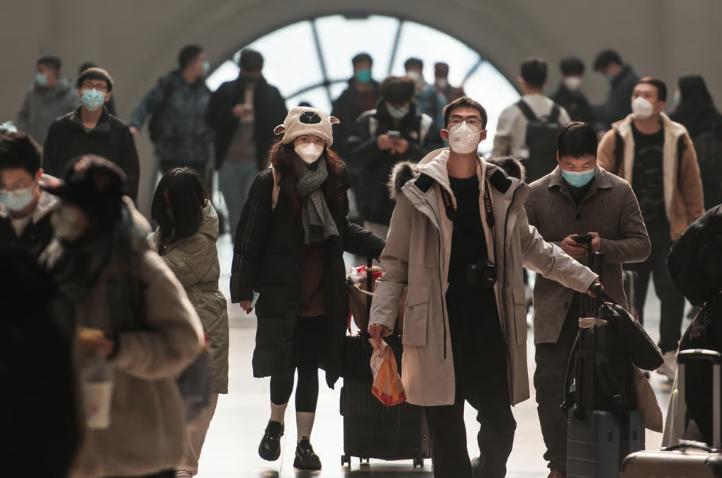
The World Health Organization (WHO) has called on Beijing to share data on the origins of the coronavirus, five years after the virus that has swept the world was first detected in Wuhan, China.
“We continue to call on China to share data and access so that we can understand the origins of COVID-19. This is a moral and scientific imperative,” the organization stated.
Without “transparency, sharing, and cooperation” between countries, the world will not be able to “adequately prevent and prepare for” future outbreaks and pandemics, the WHO emphasized.
Most scientists believe the virus was transmitted from animals to humans. In 2021, a WHO-led team traveled to Wuhan and concluded that the virus was probably transmitted from bats to humans via another animal. However, they added that more research was needed.
Last year, FBI Director Christopher Wray stated that his agency assessed a “highly likely potential laboratory event” in Wuhan led to the pandemic, supporting the controversial “laboratory leak” theory. However, U.S. intelligence found no direct evidence to support this claim, and China dismissed it as having “no credibility.”
The origin of the virus has also become a politically contentious issue in the U.S. Earlier this month, a Republican-led congressional subcommittee concluded after a two-year investigation that the virus originated in a laboratory in China. In response, the Democrats on the commission published their own report, arguing that the investigation “failed to find the origin of the virus or improve understanding of how the novel coronavirus emerged.”
Beijing responded to the WHO’s comments on Tuesday, stating that it had shared information about COVID-19 “without hiding it at all.”
“On COVID-19 traceability, China has shared the most data and research results and made the largest contribution to global traceability research,” said Foreign Ministry spokesman Mao Ning.
“WHO’s international experts have repeatedly stated that during their visit to China, they went to all the places they wanted to go and met all the people they wanted to see,” Mao added.
In 2023, genetic data collected from a live food market in Wuhan was uploaded by Chinese scientists to an international database, linking COVID-19 to raccoon dogs. A team of international researchers identified these animals as the “most likely carriers” of the disease.


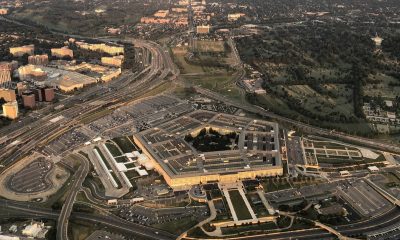


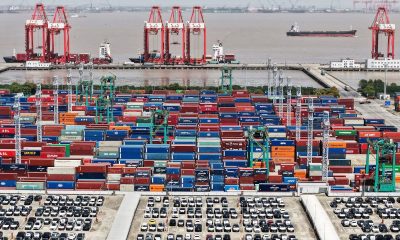


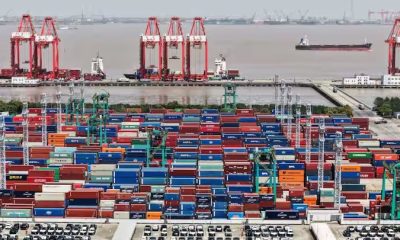

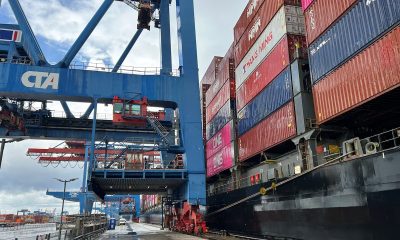

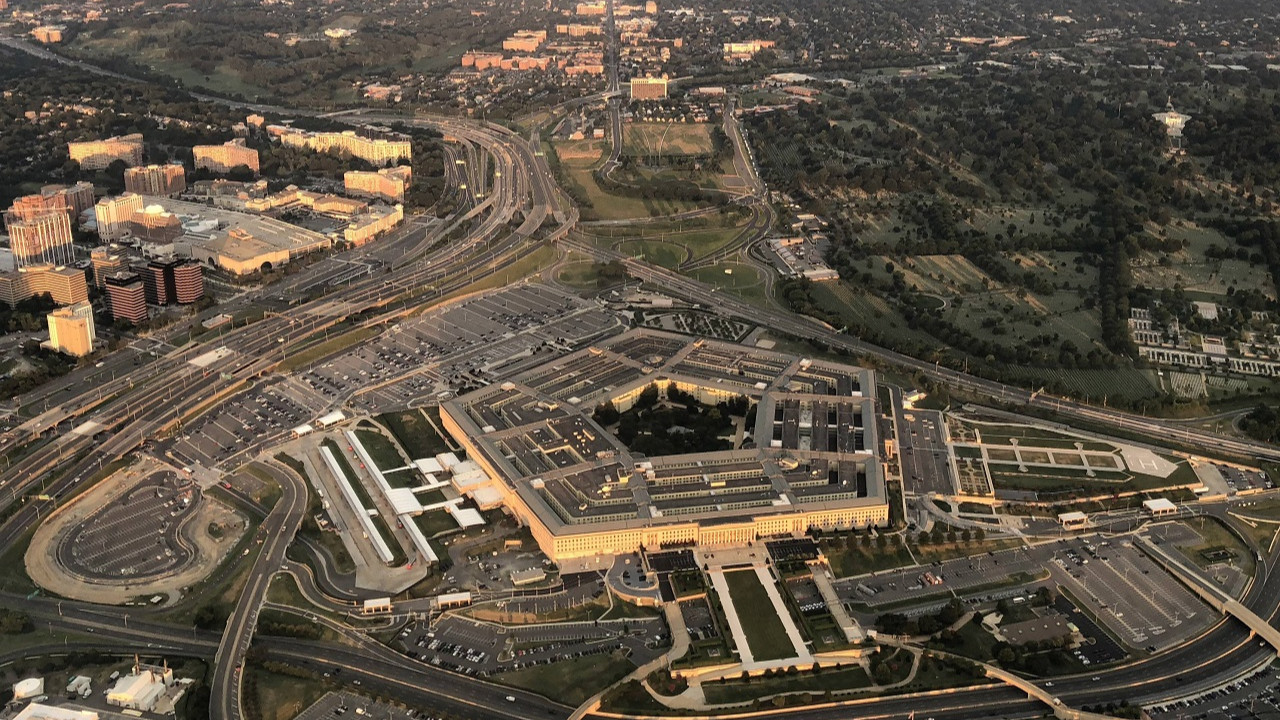
The US Department of War (Pentagon) is reportedly planning to establish an extensive network of deep-cover agents to wage economic warfare against China and other adversaries of the US.
According to a report by The Washington Post citing six sources familiar with the initiative, the plan has not yet been put into effect. The newspaper reported that the initiative remains at the planning stage. The Pentagon, however, denies that any such initiative exists.
The report said the operatives would pose as entrepreneurs or private sector employees while concealing their ties to the US government. The network’s mission would be to gather economic intelligence and counter China.
The programme is led by Tom Rakusa, who spent 39 years at the CIA. Rakusa serves as a senior adviser to Deputy Secretary of Defence Steve Feinberg.
The proposed spy network is seen as part of a broader policy by the Donald Trump administration to sharpen economic competition with other countries.
The US is already resorting to tariffs, export controls, and investment in strategic sectors, alongside expanding its economic intelligence gathering.
According to The Washington Post, the new initiative demonstrates the Pentagon’s growing influence under the Trump administration. The department is currently seeking a record budget of $1.5 trillion.
Trade war flares up again with Trump’s return to the White House
The trade friction between the US and China flared up again following Donald Trump’s return to the White House. In April 2025, Washington raised tariffs on Chinese goods to as much as 145%, and Beijing retaliated with tariffs of up to 125%.
In May, US Secretary of State Marco Rubio described China as the primary geopolitical challenge facing Washington. Rubio said that to avoid war, the two sides needed to manage their conflict of interests.
In July, Chinese expert Zheng Yongnian did not simply warn that underestimating the US could prove to be a “fatal mistake”; he stated it explicitly.
According to Zheng’s assessment, the US maintains its primacy through the role of the dollar, its military superiority, and its technological advantages.
Even so, the two sides agreed in June to declare a truce and lower tariffs. In autumn 2026, the US and China extended their trade truce until 10 January 2027.
US Treasury Secretary Scott Bessent said the extension would give the parties more time to discuss economic issues.
Trade deals do not eliminate the strategic contradictions between the two countries. Financial Times columnist Rana Foroohar likened the race between the two nations for commercial, technological, and geopolitical influence to the 19th-century “Great Game” between the Russian and British empires.
Foroohar cited China’s standing in shipbuilding and commercial maritime transport, as well as its expanding footprint in overseas ports, among its key advantages.
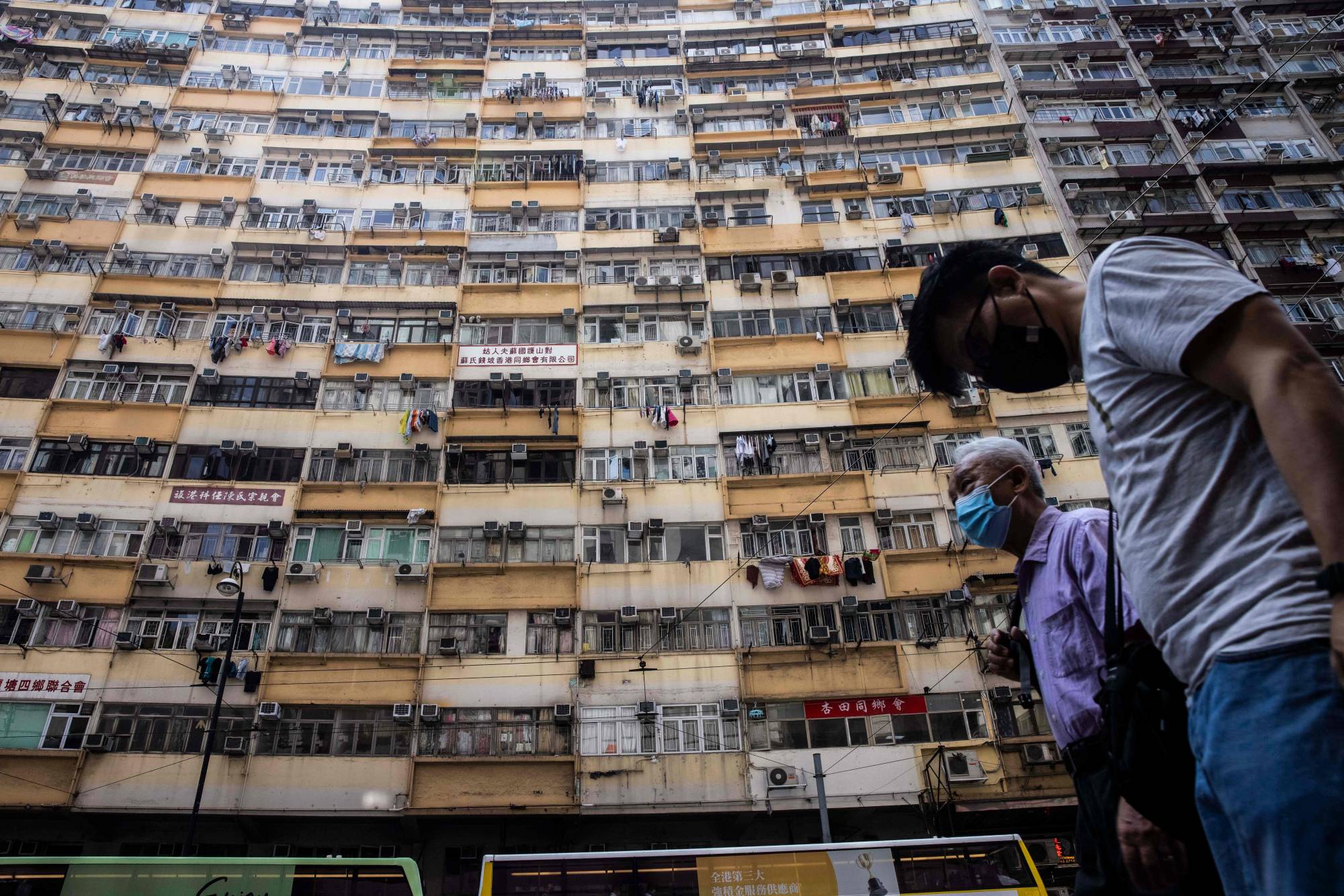
Japan’s ruling Liberal Democratic Party (LDP) plans to restrict short-term property trading to rein in surging home prices in major urban centres, particularly Tokyo.
Led by Prime Minister Sanae Takaichi, the party aims to make support for working households a core priority ahead of local elections scheduled for April next year.
The LDP’s research commission on housing and land policy met on Wednesday to discuss the issue.
According to a report by the Nikkei Asia newspaper, Commission Chair and LDP lawmaker Midori Matsushima said at the opening of the meeting: “Prices of newly built condominiums across Tokyo’s 23 wards have doubled over the past decade. We must work on measures ensuring that people who wish to live in these homes can actually afford to buy them.”
Homeownership in the capital has become virtually unattainable for broad segments of the population. According to data from the Real Estate Economic Institute, the average sale price of a newly built condominium in Tokyo’s 23 wards rose %18.5 in fiscal 2025 compared with the previous year, reaching 137.84 million yen (around $872,000).
Meanwhile, statistics from the Ministry of Labour show that the average annual income of a full-time worker in the capital remained at 6.78 million yen in fiscal 2025. This widening gap between incomes and residential property prices is directly shaping political priorities.
During its campaign for the House of Representatives election in February, the LDP pledged to curb speculative transactions across metropolitan Tokyo and other regions. Earlier this month, a party project team focused on policies concerning foreign nationals also submitted a recommendation urging the government to introduce immediate tax measures against rising home prices.
Under current legislation, profits realized from properties sold within five years of acquisition are classified as “short-term capital gains”. These returns face a tax rate approaching %40, including income tax and local inhabitant tax.
Although this rate is twice the approximately %20 levied as “long-term capital gains” tax on properties held for more than five years, several party members argue it remains insufficient to deter speculation. Calls to tighten the framework may be considered as part of the annual tax reform package to be drafted in December alongside the LDP’s coalition partner, the Japan Innovation Party.
The ruling bloc wants to present concrete housing pledges to voters heading to the polls in April across numerous urban centres, including 22 of Tokyo’s wards where local assembly terms expire.
“We need to support families with children, who are typically at the stage of purchasing a home,” a senior LDP official said.
Opposition parties are also preparing alternative proposals that target not only prospective homebuyers, but also residents forced into the rental market by high property prices and now affected by escalating rents.
Tax steps take precedence over limits on foreign buyers
Several countries seeking answers to housing affordability pressures have imposed direct restrictions on foreign purchasers. In South Korea, real estate policies played a major part in the declining public approval ratings of President Lee Jae Myung.
In August 2025, authorities in Seoul introduced an approval requirement for foreign nationals buying homes in the capital and adjacent areas, while also mandating that buyers reside in the properties for at least two years.
Canada and Australia have enacted temporary bans on foreign residential purchases, while Singapore levies a %60 additional stamp duty on foreign buyers.
The role of overseas investors in Japan’s property market also drew debate during the February election. However, restrictions aimed directly at foreign nationals are viewed as potentially conflicting with international trade and services agreements.
Consequently, rather than imposing restrictions based on the nationality of buyers, the government is discussing tax measures aimed at speculative real estate deals, such as rapid resales.
Fears that sharp market measures could shake regional banks
Concerns have also surfaced that aggressive steps to force down prices could harm the wider national economy.
A senior LDP tax official cautioned that a steep drop in land prices could weaken local financial institutions, warning: “We must consider the impact on regional banks.”
The real estate sector accounts for roughly %18 of total lending by Japanese banks. This proportion sits well above the %10 level recorded during Japan’s bubble economy of the mid-to-late 1980s.
At certain regional banks, property lending accounts for nearly half of total loan portfolios.
According to March 2025 data from the Financial Services Agency, approximately one-quarter of all loans extended by regional banks to the real estate sector are concentrated directly in Tokyo’s five central wards.
Buoyant asset valuations, supported in part by rising stock indices, have underpinned strong public approval for the Takaichi administration. Observers note that property interventions designed to cool the market could drag down equity prices and weaken the government’s standing.
A senior official on the LDP research commission stressed that decision-makers must act with caution regarding the scope and timing of any measures intended to bring price increases under control.
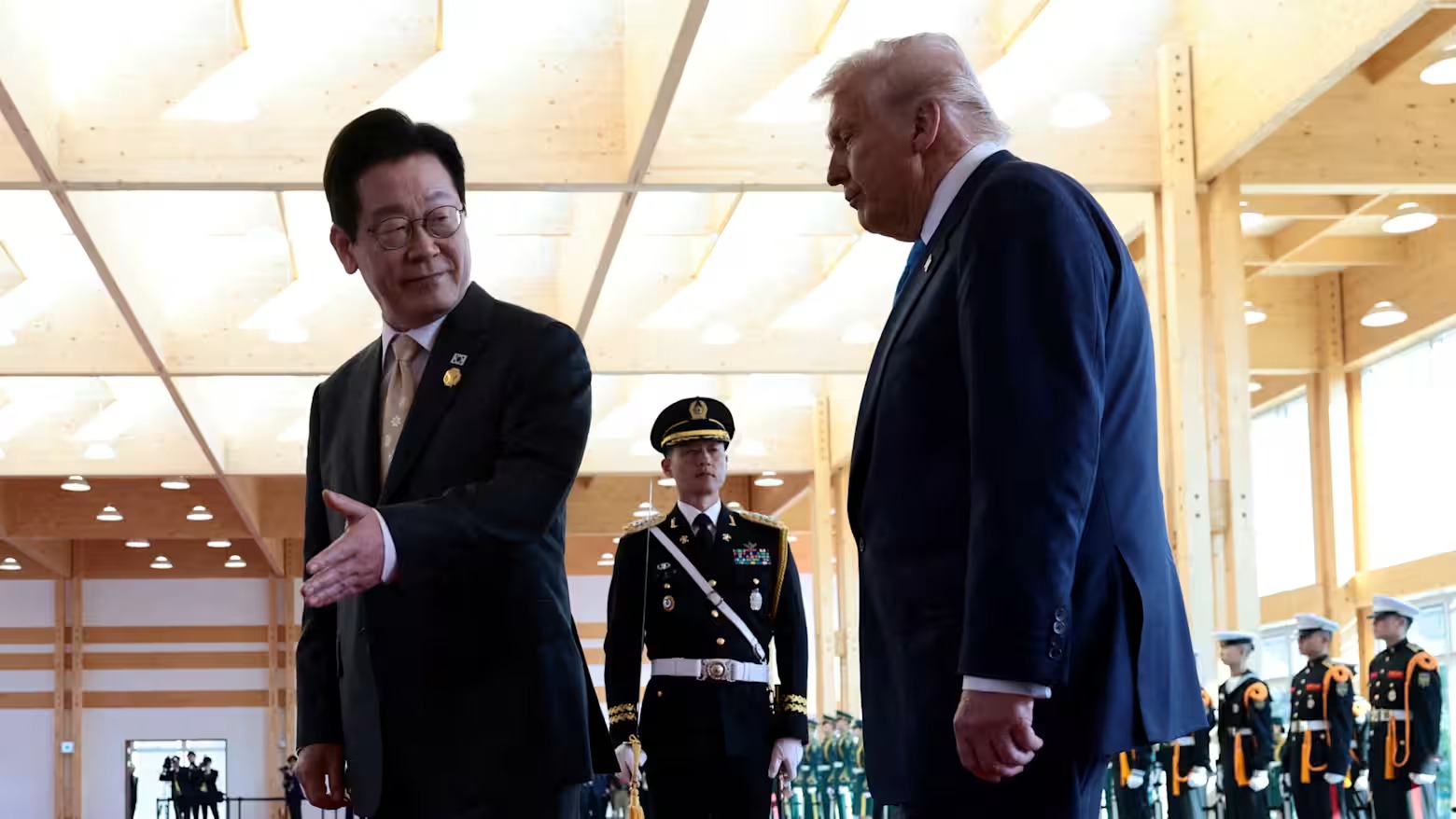
South Korea will spend $120 billion to construct eight nuclear power plants in the US under an agreement that provides for $350 billion in investments in exchange for lower tariffs.
The South Korean government also announced that Seoul and Washington will begin examining a liquefied natural gas (LNG) project in Alaska comprising a large-scale pipeline to transport natural gas from the north of the state to the south, alongside the construction of an LNG terminal for exports overseas.
Seoul stated that a decision regarding the LNG project will be made following a commercial feasibility study. However, US President Donald Trump said that South Korea would invest $54 billion in the project, pointing to an apparent lack of full coordination between the two sides on the matter.
Trade and Industry Minister Kim Jung-kwan said in a statement: “This announcement opens a new horizon of cooperation where the two countries join forces to develop joint commercial ventures in strategic areas directly linked to economic security and future sectors such as artificial intelligence, nuclear energy, and LNG.”
“We will adhere to the principle of prioritising national interests and investing solely in commercially viable projects,” Kim said.
Speaking at the White House, Trump characterised South Korea’s plans as “one of the largest energy infrastructure investments in American history”.
The announcement followed a meeting between Trump and South Korean President Lee Jae Myung roughly one year ago at the APEC Economic Leaders’ Meeting held in South Korea, where they agreed on the creation of a $350 billion investment fund.
Under that agreement, $150 billion was allocated to the shipbuilding sector and $200 billion to other sectors. In return, the US announced it would reduce tariffs imposed on goods imported from South Korea from 25% to 15%.
Under the nuclear power project, South Korea’s state-controlled utility will build two plants in the US, while Pennsylvania-based Westinghouse Electric will construct six plants.
According to the South Korean government, this will mark the first instance in which a foreign country builds its own nuclear power plants in the US.
South Korean firms are also evaluating the possibility of acquiring a stake in Westinghouse as part of negotiations over sharing profits generated by the project.
South Korea additionally announced that it will build a $22.3 billion natural gas-fired power plant in Texas with a capacity of 6,472 megawatts.
The facility will be designed to supply electricity directly to nearby data centres. The project’s first phase is targeted to begin commercial operations in 2029, with full-capacity operations slated for 2032.
Seoul also disclosed that it had agreed to allow the US to receive 50% of the profits generated by the projects until South Korea recoups all of its investments.
After South Korea fully recovers its total investment amount, 90% of the profits will go to the US.

German officials urge fighter jet alliance with Sweden and Spain

US wealthy demolish multimillion-dollar mansions for land

US and Israel weigh Iran strikes after midterm vote, reports say

Pentagon plans covert spy ring for economic war on China, report says

EU reopens debate on naming envoy for Ukraine talks with Putin
-
 America2 weeks ago
How will Brazil’s presidential runoff work?
-

 Europe2 weeks ago
Berlin Left Party backs Israel’s right to exist for coalition pact
-

 Diplomacy2 weeks ago
The West is preparing for war not with Russia, but with its own people, French analyst Georges Kuzmanovic insists
-

 Russia2 weeks ago
71 EU lawmakers demand closure of Russian Houses in 15 member states
-

 Europe2 weeks ago
MI6 investigates potential leaks after former BND chief is detained
-
 Russia2 weeks ago
US and Russian figures discuss American stake in Nord Stream lines
-

 Russia2 weeks ago
Drone strike shuts down Yandex data centre in Russia’s Ryazan region
-

 America2 weeks ago
Trump weighs presidential memorandum to cut surging US diesel prices
