
America
Pharma giants set to raise prices on 350 drugs despite pressure from Trump

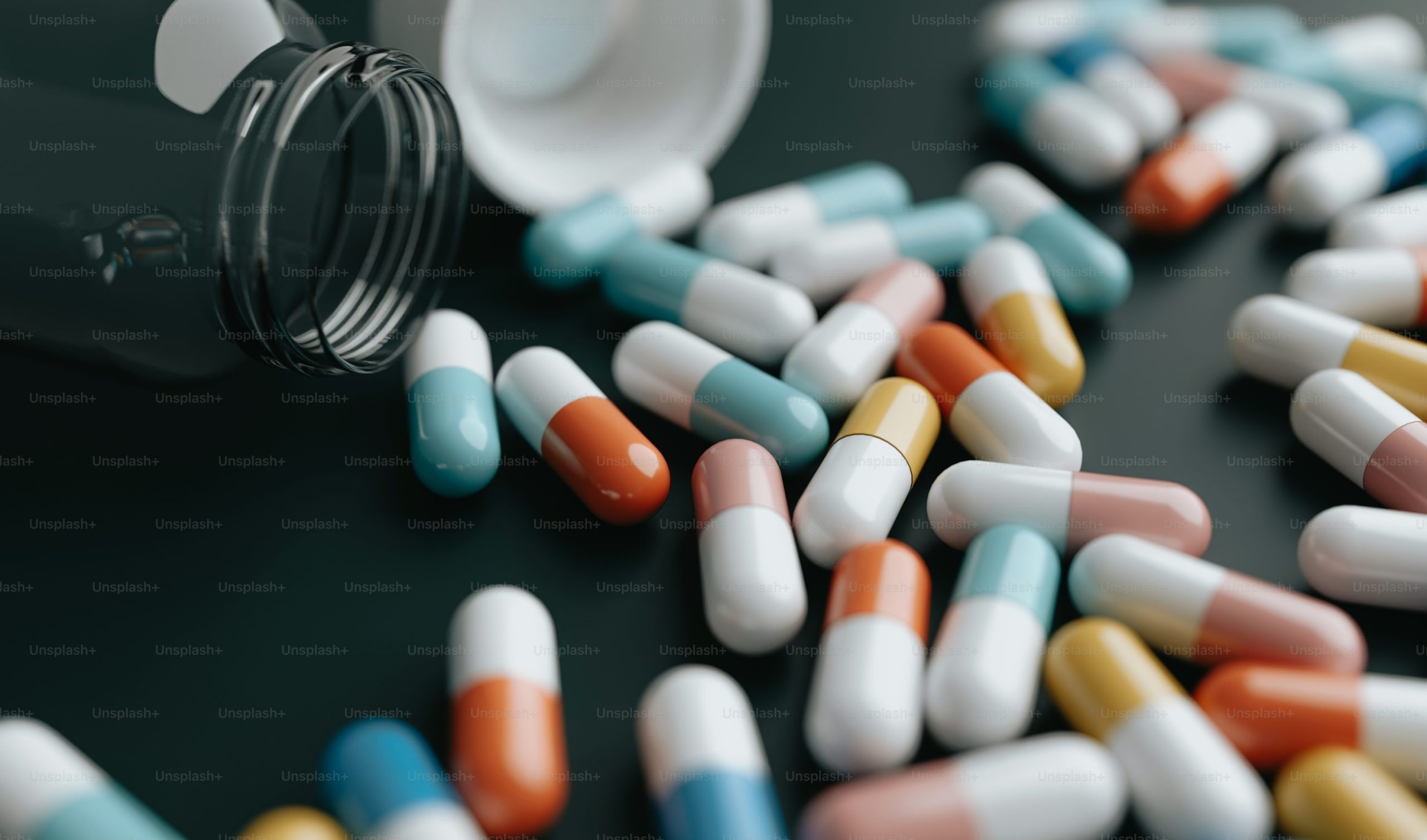
Pharmaceutical manufacturers are preparing to increase the prices of at least 350 branded drugs in the US, according to data shared by the health research organization 3 Axis Advisors.
According to a report by Reuters, these planned increases come despite demands for discounts from the administration of President Donald Trump. The hikes cover critical products such as COVID-19, RSV, and shingles vaccines, as well as the popular cancer drug Ibrance.
The number of price increases projected for 2026 shows a significant rise compared to the same period last year, when 250 drugs saw price hikes.
The median rate for this year’s increases is hovering around 4%, maintaining the level seen in 2025. It is noted that these set list prices do not reflect rebates and other discounts provided to pharmacy benefit managers.
Discounts applied to drugs negotiated with the government
In contrast to the price increases, some companies plan to reduce the list prices of approximately nine drugs.
Prices for three treatments related to the diabetes drug Jardiance, marketed by Boehringer Ingelheim and Eli Lilly, will be reduced by over 40%.
Jardiance is among the 10 drugs for which the US government negotiated lower prices for 2026 under the Medicare program, which serves individuals aged 65 and older. As a result of these negotiations, the companies agreed to reduce the price of the drug by two-thirds.
Trump’s pressure continues
US patients currently pay approximately three times more for prescription drugs compared to other developed countries. Donald Trump continues to pressure pharmaceutical companies to bring prices down to levels seen in other wealthy nations.
Trump had reached agreements on certain products with 14 drug manufacturers for the Medicaid program, which serves low-income Americans, and for patients paying in cash.
However, giants on this list, such as Pfizer, Sanofi, Boehringer Ingelheim, Novartis, and GSK, plan to raise prices on some of their other drugs starting January 1.
Dr. Benjamin Rome, a health policy researcher at Brigham and Women’s Hospital in Boston, stated that although these agreements are presented as “transformative,” they actually have a superficial impact on the underlying causes of high prices in the US.
Pfizer: “Artışlar enflasyonun altında”
Pfizer led the list by raising prices on approximately 80 different drugs, including the cancer drug Ibrance, the migraine pill Nurtec, and the COVID-19 treatment Paxlovid. While the company implemented increases exceeding fourfold on some low-cost drugs used in hospitals, such as morphine, it raised the price of the COVID-19 vaccine Comirnaty by 15%.
In a statement from Pfizer, it was argued that the average list price increases for vaccines and innovative drugs for 2026 were kept below the general inflation rate.
The company stated that these reasonable increases are necessary for new drug discoveries and rising operating costs.
European drugmaker GSK also announced plans to increase prices by between 2% and 8.9% for approximately 20 drugs and vaccines.
The company stated that these increases are essential to sustain scientific innovation. Since January is historically the month with the highest number of price increases in the industry, new hikes are expected to be announced in the coming days.







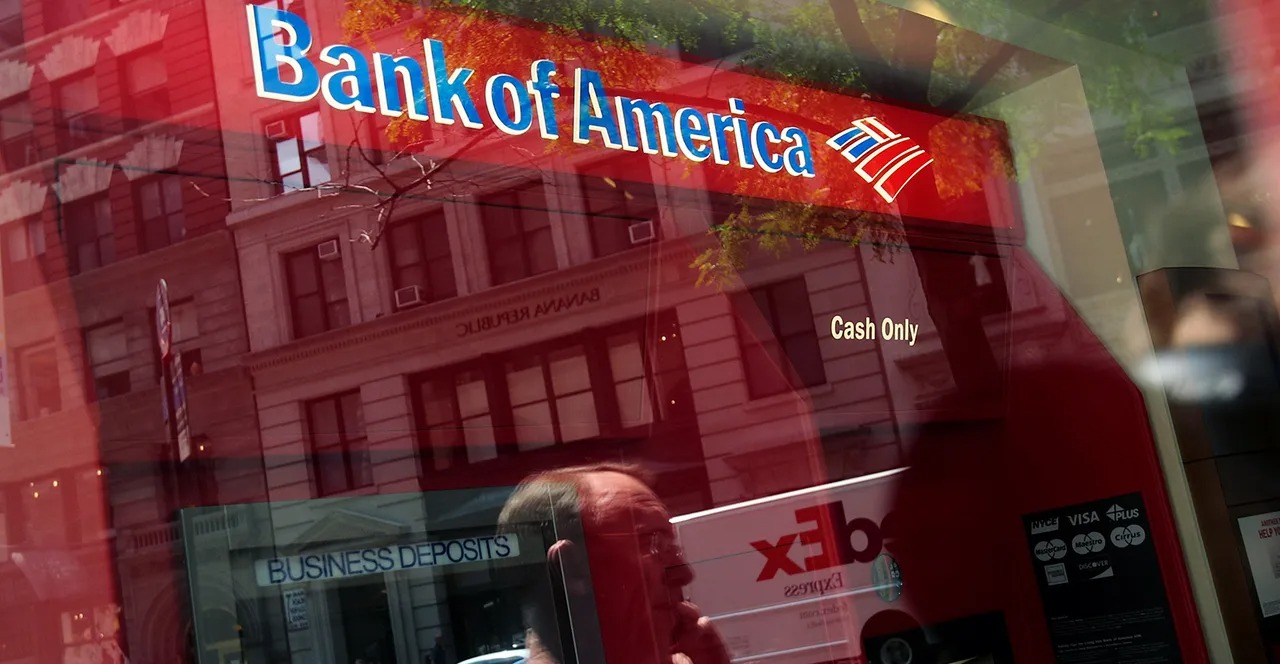
The US Department of the Treasury has imposed a total of $1.21 billion in financial penalties on Bank of America, one of the country’s largest financial institutions, for violating anti-money laundering legislation and sanctions regimes.
According to a statement published by the department, the bank was accused of failing to report suspicious transactions in a timely manner, failing to monitor financial movements that posed national security risks, and providing services to clients on sanctions lists.
Decisions by units operating under the Treasury Department accounted for the largest components of the penalty package.
The Financial Crimes Enforcement Network (FinCEN) penalised the bank for failing to report more than $5 billion in suspicious transactions in a timely manner.
More than $1 billion of that amount was noted to be directly linked to national security risks, including the operations of China-based money laundering networks.
Under the settlement reached with FinCEN, Bank of America admitted to willfully violating the Bank Secrecy Act. The bank was required to conduct an additional review covering suspicious transactions and to assess the effectiveness of its financial monitoring system.
The Office of the Comptroller of the Currency (OCC) separately fined the bank $750 million over structural deficiencies in its financial monitoring system.
The OCC stated that the bank failed to maintain adequate oversight over trillions of dollars in fund transfers and did not remedy the violations despite a formal notice served in December 2024.
The Office of Foreign Assets Control (OFAC) also stepped in over millions of dollars in transactions carried out in breach of sanctions regulations. OFAC reached an $11.6 million settlement agreement with Bank of America concerning 475 distinct potential sanctions violations.
Assessing the matter, US Treasury Secretary Scott Bessent said, “The actions taken today send a clear message that even the largest financial institutions are not above the law.”
UK fines banks over breaches of Russia sanctions
Alongside the penalty decision in the US, similar sanctions scrutiny is being carried out across European financial centres.
In September, the Office of Financial Sanctions Implementation (OFSI), an agency of the UK Treasury, fined Citibank’s London branch (CBNA London) £4.7 million for violating sanctions targeting Russia.
According to findings by the British regulator, between February and November 2022 following the outbreak of armed conflict between Russia and Ukraine, the bank processed 970 payments worth a combined £19.7 million, circumventing asset freezes and other restrictions. The government stated that the majority of the violations were linked to corporate accounts owned or controlled by sanctioned individuals. Russia, meanwhile, describes sanctions imposed by Western nations as illegal.
During the spring, OFSI also fined the London branch of Germany’s Deutsche Bank £165,000 ($221,000) for transferring funds to the Russian online streaming platform Okko.
Over the same period, the watchdog imposed a £390,000 fine on Apple’s European entity, Apple Distribution International (ADI), for a similar violation.
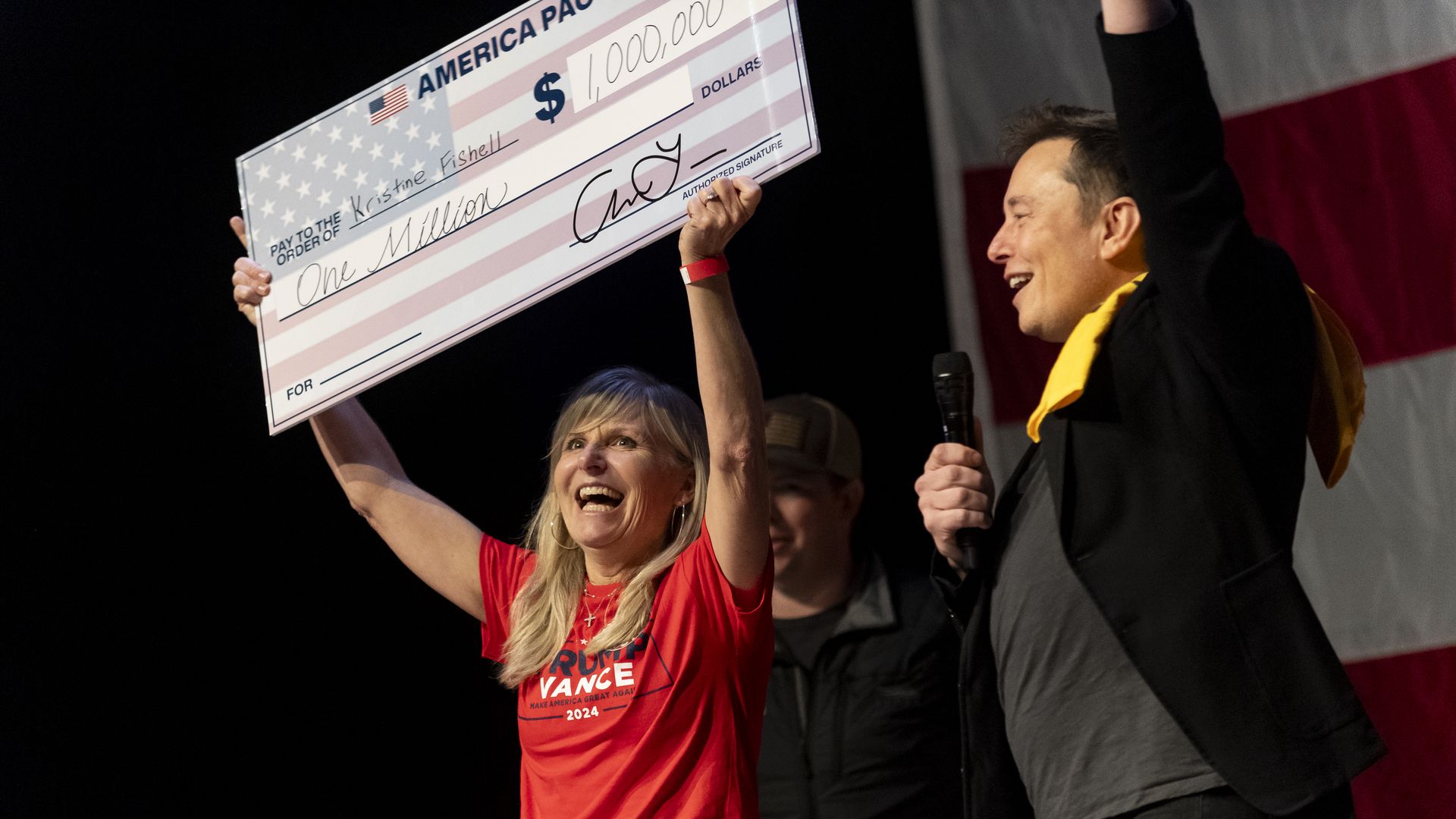
The world’s richest person, Elon Musk, has donated $276 million over the past three months to political action committees and conservative organizations supporting Republicans ahead of the upcoming US midterm elections.
The latest transfer brings the total midterm donations from Musk, the chief executive of Tesla and SpaceX, to $366 million.
First reported by The New York Times, the figures were confirmed to The Hill by a spokesperson for America PAC, which Musk founded. These latest expenditures establish Musk as the largest known donor of the 2026 midterms.
The bulk of Musk’s financial backing between July and September was directed towards congressional races.
The US billionaire transferred $158 million to the Senate Leadership Fund, a super PAC supporting Republican Senate candidates, and $20 million to the Congressional Leadership Fund, which finances House Republicans.
Millions divided among various committees
Musk, who provided more than $76 million during the period to America PAC, an entity he founded during the 2024 election cycle, also funded state-level contests.
The businessman transferred $10 million to the Lone Star Liberty PAC, which supports Texas Republican Senate candidate Ken Paxton, while donating $10 million to the Republican Governors Association and $2 million to the Republican Attorneys General Association.
In statements given to The New York Times and confirmed by The Hill, America PAC spokesperson Andrew Romeo argued that if Democrats take control in Washington and win critical state races, the country faces the risk of becoming one with indefensible borders.
Romeo said the investments enable the Republican apparatus to deliver its messages to voters.
Field spending continues despite talk of retreat
Musk, who kept his distance from politics for many years, entered the arena by spending hundreds of millions of dollars for Donald Trump during the 2024 election.
Accompanying Trump on campaign trails, Musk subsequently took charge of the Department of Government Efficiency (DOGE), which sparked controversy through federal employment and budget cuts.
Musk stepped down from his White House role in late May 2025 and remained politically quiet for months following a public rift with Trump.
After announcing last May that he would sharply scale back his political spending, Musk told The Economist in a July interview that he had become overly involved in politics and had gone too far.
Despite those remarks, Musk pressed ahead with political activity in July by authorizing America PAC to spend between $100 million and $120 million on a fresh field operation aimed at driving conservative voter turnout in the 2026 midterms.
Having repaired ties with Trump following their public spat, Musk joined the US president on an official visit to China in May and was also present during Chinese President Xi Jinping’s visit to Washington last month.
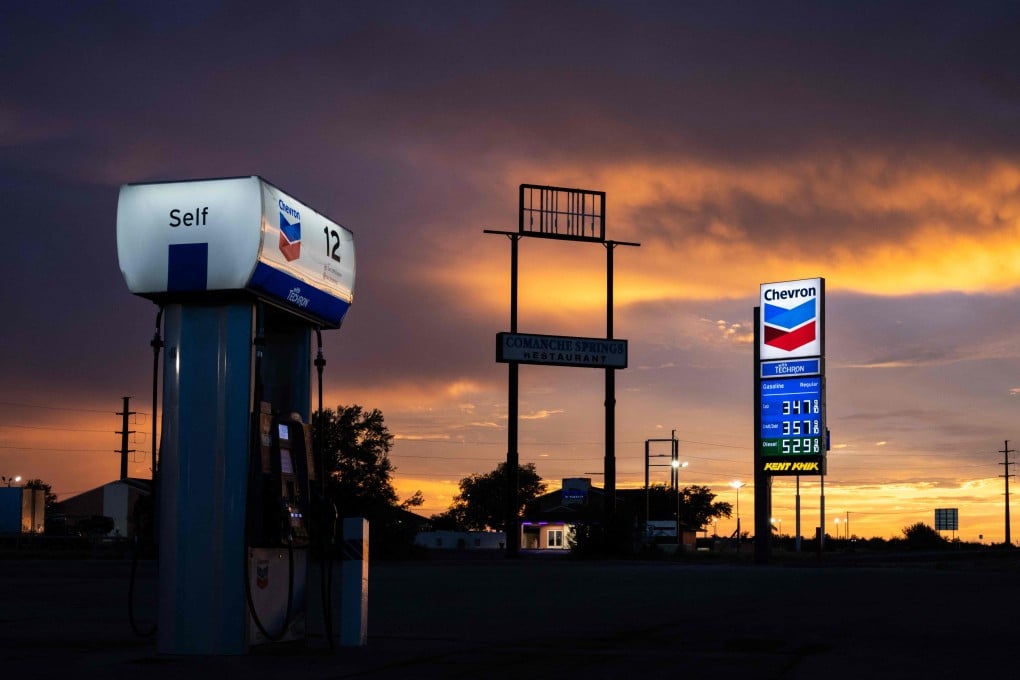
US President Donald Trump is reportedly preparing to issue a new presidential directive soon in a bid to rein in escalating diesel prices across the country.
According to a report by the Reuters news agency citing three oil industry sources, the White House is weighing the enactment of the prepared package of measures directly in the form of a presidential memorandum.
The memorandum in question will reportedly instruct multiple US federal agencies to find and implement ways to lower diesel fuel costs, primarily by expanding oil extraction operations and refinery output.
White House plans to deploy Defense Production Act
According to information shared in the report, the Trump administration is exploring legal avenues to overcome restrictions imposed on energy production by state administrations and local government authorities.
The administration could reportedly invoke the Cold War era Defense Production Act to that end.
The legislation in question grants the US president the authority to provide state loans and financial guarantees to expand the production of materials of strategic importance. The law also makes it possible to require private companies to prioritise government orders.
Reuters reported that the White House is comprehensively examining the prospect of putting this legal mechanism into effect.
In contrast, oil refinery executives were noted to have made a recommendation to government officials last month.
Industry representatives suggested allocating federal budget resources toward modernising existing operational refineries and expanding their capacity, rather than establishing new facilities from scratch.
Plant managers stated that building new facilities would require substantially more time and higher costs.
The Wall Street Journal newspaper also highlighted in a report published in mid September that US-based oil companies were warning of the onset of a global fuel crisis.
The newspaper noted that during the period in question, diesel prices broke records, whilst the price per barrel of crude oil approached the $101 mark.
American Automobile Association (AAA) data show that as of Thursday, 8 October, the average diesel fuel price nationwide stood at $6.28 per gallon (approximately 3.8 litres).
High fuel costs pose risk ahead of congressional elections
It was pointed out that the increase in diesel fuel prices creates political risks for the Republican Party ahead of the congressional elections to be held on 3 November.
It was noted that the outcome of the vote will determine whether Republicans can maintain their majority in Congress.
Because diesel is heavily consumed in freight transport, the agricultural sector, and home heating in particular, price rises in the fuel were stressed as driving headline inflation higher.
Trump previously announced that he had reached an understanding with Russian President Vladimir Putin regarding the supply of Russian diesel fuel to both the American and global markets. The US president also thanked Putin for the arrangement concerning Russian diesel.
The US Department of the Treasury extended a temporary waiver licence permitting commercial transactions involving Russian diesel fuel until 7 April 2027.
Under the delivery schedule shared by Donald Trump, Russia will immediately ship more than 300,000 tonnes of fuel.
Shipments will reportedly continue with 500,000 tonnes in November, followed by the delivery of an additional 1 million tonnes of fuel. Over the remainder of the process, Moscow could send a further 3 million tonnes of diesel depending on the overall technical condition of refineries.
Following the announcement of the consensus between the two leaders, US diesel futures fell by approximately 5% to reach $4.64 per gallon.
Meanwhile, energy analysts consulted by Reuters express doubt as to whether the additional shipments arriving from Russia will suffice to secure a lasting price decline across the markets.

US fines Bank of America $1.21bn over money laundering and sanctions

What is scale in foreign policy? How is success measured in foreign policy?

Musk boosts Republican midterm funding despite pledge to curb spending

IMF warns global economy is nearing the limits of its resilience

NATO unveils 32-nation defence strategy to counter adversaries
-
 Europe2 weeks ago
German interior ministers drop unanimity rule to counter AfD veto
-
 Europe2 weeks ago
Key European allies excluded from US-led NATO meeting in Poland
-
 Diplomacy2 weeks ago
While the West breeds crises, Eurasia weaves peace and development, says Prof. Zhang Weiwei
-

 Middle East2 weeks ago
Netanyahu holds secret UAE talks with Saudi Arabia and Arab officials
-

 Diplomacy2 weeks ago
The European Union’s peace project has collapsed, MEP von der Schulenburg says
-

 Opinion2 weeks ago
A new world in the East, old dogmas in the West
-
 America2 weeks ago
Musk appointed co-director of Pentagon future warfare initiative
-
 Asia2 weeks ago
South Korea plans $120B spend on eight US nuclear power plants
