
Middle East
Netanyahu ignored MBZ warning on Hamas 7 October plan, report says

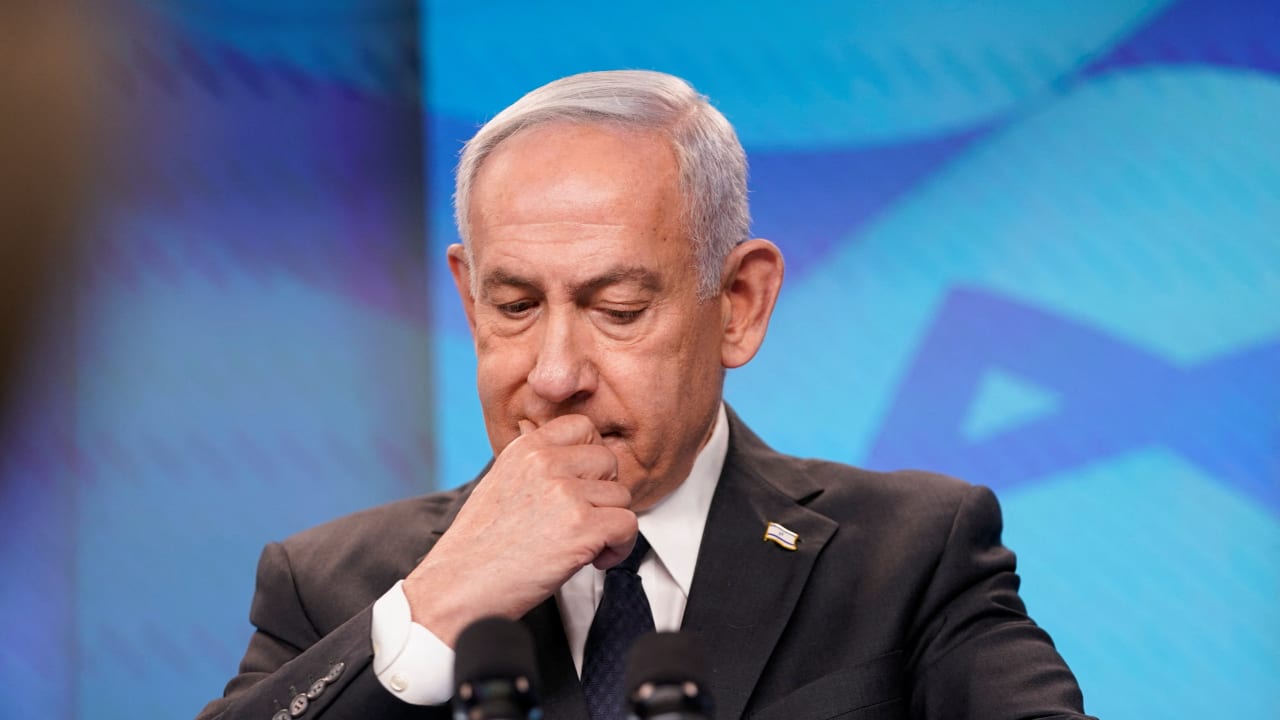
Israeli Prime Minister Benjamin Netanyahu reportedly ignored a direct warning from UAE President Sheikh Mohamed bin Zayed Al Nahyan in the run-up to 7 October 2023, according to an investigation by the Israeli newspaper Haaretz.
The report states that the UAE leader, widely known as MBZ, was convinced in September 2023 that an explosion was imminent in the region, particularly given the escalating tensions in the West Bank.
Israeli President Isaac Herzog, who maintains close ties with bin Zayed, recounted: “In the months leading up to the war, he spoke with me about this issue frequently. He consistently conveyed the message that the situation needed to be de-escalated. He even dispatched a special envoy to Israel who met with the prime minister. The emir appeared to sense that the region was on the verge of erupting.”
MBZ also engaged in direct discussions with Netanyahu. These exchanges followed a standard operational protocol: a representative from the United Arab Emirates embassy would arrive at the prime minister’s office equipped with a specialised, secure telephone device to ensure confidentiality.
However, according to the newspaper, the call initiated by bin Zayed on this occasion was extraordinary in nature.
A week and a half before 7 October 2023, the UAE ruler placed a call to Netanyahu from the Presidential Palace in Abu Dhabi, and the two leaders spoke for 45 minutes.
During this conversation, bin Zayed warned that Yahya Sinwar, the Hamas leader in Gaza, was planning a major operation against Israel.
Bin Zayed voiced deep concern that such an event would not only lead to significant bloodshed, but would also destabilise the entire region and undermine the Abraham Accords.
Haaretz reported that three senior foreign sources possess direct knowledge of the call’s contents, marking the first public disclosure of the conversation’s existence.
A close Palestinian adviser to bin Zayed, who had emigrated from Gaza to Abu Dhabi years earlier and maintained extensive connections across the Gaza Strip, was also present during the exchange.
According to the adviser, the UAE ruler stressed to Netanyahu that Israel needed to prepare for this specific threat.
The adviser stated:
“The emir explained that, according to his assessment, Sinwar was preparing for a major event. He told Netanyahu that Israel had to be prepared. At the same time, he proposed working towards an economic solution for the Gaza Strip to prevent escalation, alongside calming the situation in the West Bank.”
Bin Zayed urged Netanyahu to take the matter seriously. Yet, to the emir’s surprise, the prime minister reacted with relative calm.
Netanyahu told bin Zayed that, in his own assessment, Hamas was planning to operate in the West Bank area. Reassuring the Emirati leader, Netanyahu insisted that Israel was prepared for any scenario.
The UAE leader later recounted his conversation with Netanyahu and his subsequent warning to CIA Director William J. Burns.
Bin Zayed shared with Burns the intuitive alarm he had sought to convey to Netanyahu—that “something over there is about to blow”—and noted the Israeli prime minister’s conviction that the unstable theatre was in fact the West Bank.
“The emir hoped that, despite Netanyahu’s reserved reaction, he would take the message seriously and take action,” the adviser said.
However, neither anticipated that the prime minister would hear the warning without briefing the heads of his defence and security establishments: neither the director of the Shin Bet, nor the director of the Mossad, nor the chief of staff of the Israel Defence Forces was informed of MBZ’s warning.
Haaretz noted that Gaza-related negotiations between Israel and Hamas had been proceeding smoothly in early 2023, providing the context in which the Emirati ruler’s concerns emerged.
The report received swift corroboration from the Israeli political opposition. Former prime minister and leader of the B’Yachad party, Naftali Bennett, stated that he knew the warning issued by UAE leader Mohamed bin Zayed to Netanyahu concerning Hamas’s plans prior to 7 October was genuine.
Speaking to 103FM, Bennett said: “I am telling you: I know this to be true.”
Bennett continued:
“Mohamed bin Zayed of the UAE warned Netanyahu that Sinwar was planning an operation. The head of the Egyptian General Intelligence Directorate, Abbas Kamel, also notified Netanyahu a few days before the massacre that a major operation was being planned. I do not wish to discuss my sources with anyone. I am telling you: I know this fact to be true.”
Contending that Netanyahu had led Israel “blindly into this horrific disaster,” the opposition figure asserted: “He was so deeply captive to the conception that Hamas was an asset that, despite receiving explicit warnings, he did nothing.”
Bennett maintained that Netanyahu bears direct responsibility for 7 October, not merely by virtue of being prime minister, but because “he spent 15 years strengthening Hamas and doing nothing.”










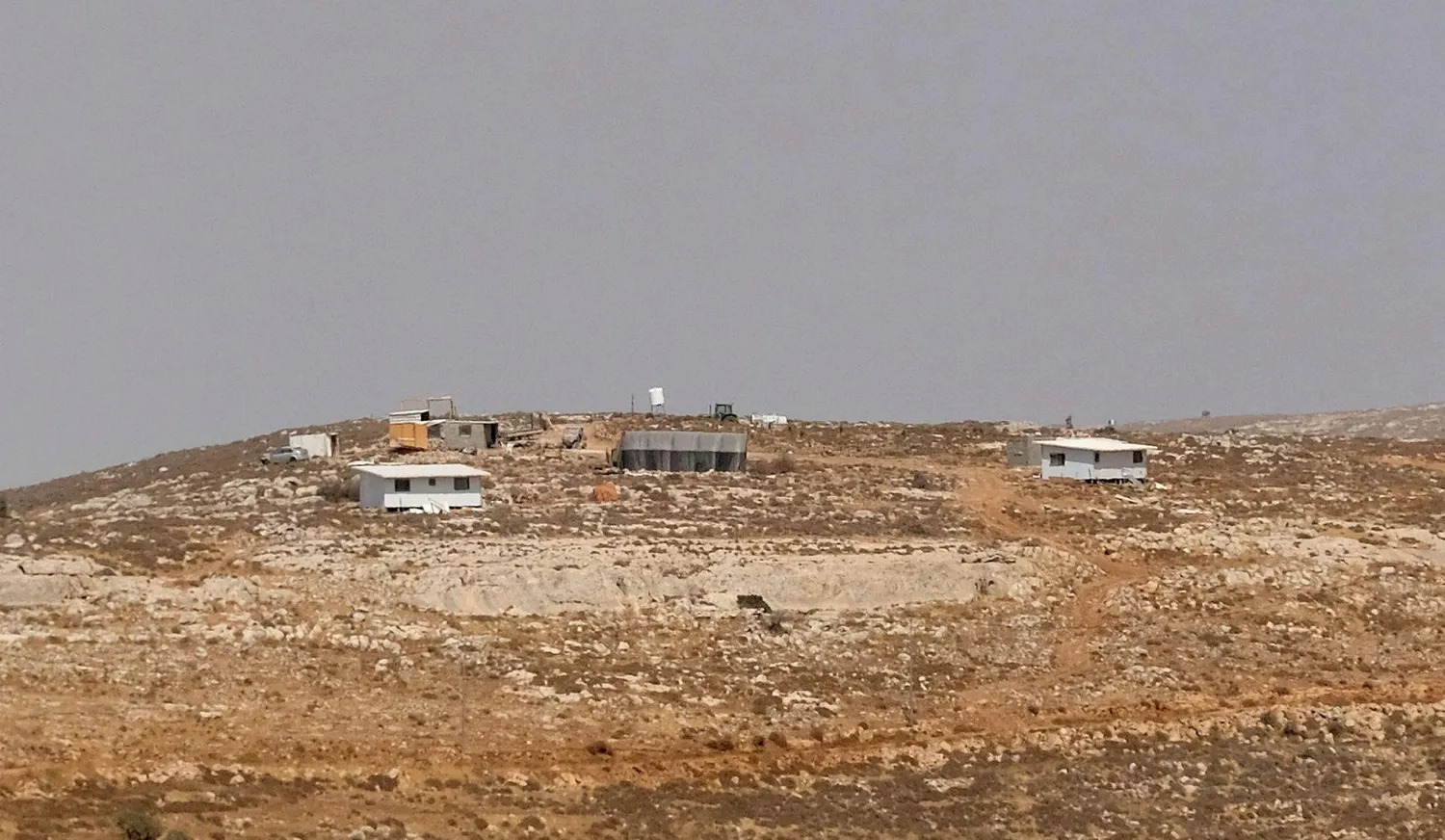
Israeli Prime Minister Benjamin Netanyahu has ordered the dismantling of unauthorized Israeli settler outposts in the West Bank.
Sources speaking to Reuters stated that Netanyahu issued the order in response to US pressure to take firm action against settler violence directed at Palestinians.
It was not immediately clear when the dismantling operations would begin.
The report was published a day after US Ambassador to Israel Mike Huckabee met with Palestinian Americans in the West Bank town of Turmus Ayya, which has been repeatedly targeted by settlers.
Huckabee had previously described attacks carried out by illegal Jewish settlers against Palestinians as “acts of terror”.
A longtime supporter of Israeli settlements, Huckabee has repeatedly condemned violent acts by settlers in recent weeks.
In August, he described settlers who surrounded Palestinian homes in the West Bank village of Qusra as “Israeli terrorists”, and subsequently warned that settlers who seize property belonging to Palestinian Americans could face US sanctions or entry bans to the country.
Stating that there should not be a “different standard of justice” depending on who committed the crime, Huckabee called on Israel to investigate and prosecute those responsible.
Unauthorized outposts typically consist of prefabricated structures housing a small number of settlers. While Israel dismantles such outposts from time to time, it grants retroactive authorization to others, enabling them to benefit from state funding.
Settler acts of violence have risen sharply in the West Bank in recent years. Palestinians and human rights organizations accuse Israeli authorities of failing to adequately investigate the attacks or bring the perpetrators to justice.
The United Nations and most countries consider all Israeli settlements in the West Bank illegal under international law and view the area as “occupied territory”.
Israel disputes this characterization, maintaining that the territory is not occupied but rather a “disputed territory”.
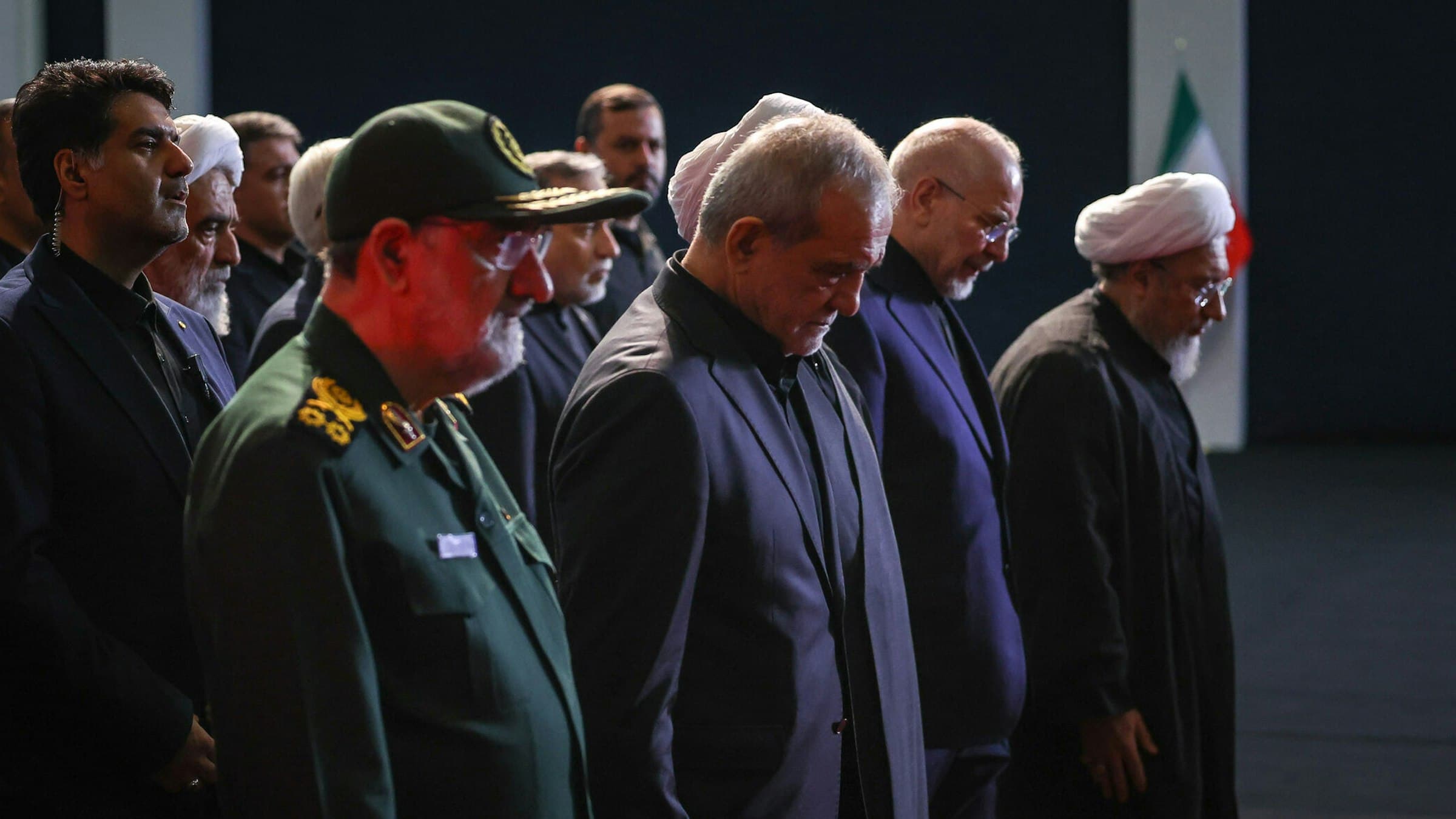
The Iranian leadership aims to use the US midterm elections as leverage to increase pressure on US President Donald Trump and secure more favourable terms in the conflict.
According to a report by The Wall Street Journal, Tehran is turning to a tactic similar to the strategy it pursued during the 1980 American hostage crisis.
During the Islamic Revolution in Iran in 1979, the US Embassy in Tehran was stormed on 4 November, and 66 American diplomats were taken hostage.
The militants demanded the extradition of the ousted Shah Mohammad Reza Pahlavi, whilst a military operation launched by the US armed forces to rescue the hostages ended in failure.
The hostages were released only on 20 January 1981, the day Ronald Reagan was sworn into office, following 444 days in captivity. The crisis severed diplomatic ties between the US and Iran and stood among the primary factors behind President Jimmy Carter’s defeat in the 1980 election.
Those events are regarded as one of the earliest examples in US political history of an “October surprise”, a term used for eleventh-hour developments capable of directly altering election outcomes.
Today, the Tehran government is also taking into account the decline in American public support for war, driven by rising petrol prices. Ellie Geranmayeh, an Iran expert at the European Council on Foreign Relations, argues that the Iranian leadership does not wish to ease pressure on Trump ahead of the November midterm elections.
“As time runs out, the prevailing view in Tehran is, ‘Why should we relieve pressure on Trump to get him to make concessions? Let us make him feel this pain at the ballot box,'” Geranmayeh evaluated.
Nevertheless, Tehran appears to be approaching a strategic crossroads. Iranian officials previously calculated that they could endure the US blockade for approximately five months without suffering economically devastating consequences.
Vali Nasr, who previously took part in informal contacts with Iran at the US Department of State, notes that Tehran will have to choose between making concessions or opting for military escalation to minimise any compromises in potential future negotiations.
Nasr says that even if Tehran is compelled to return to the negotiating table and make concessions, it aims to keep those compromises limited by applying greater military pressure.
Within Iran’s borders, deteriorating economic conditions are straining the administration. As the rial depreciates, inflation is climbing, petrol shortages are emerging, and President Masoud Pezeshkian states that trade volume has recorded a decline of between 25% and 35%.
Civilian leaders, including Pezeshkian and Parliament Speaker Mohammad Bagher Ghalibaf, want negotiations with the US to resume.
Conversely, Brigadier General Mohammad Reza Naqdi, an adviser to the commander-in-chief of the Islamic Revolutionary Guard Corps, stated in August that the confrontation with the US could extend until the end of Trump’s presidential term.
Arguing that this choice would ensure Iran’s security, Naqdi stated that they seek to attain a level of deterrence where a potential adversary comprehends the costs of attacking Iran.
Regarding attacks on commercial vessels and allegations of international maritime law violations, General Naqdi claimed that in the event of war, the country could place any transport route it perceives as a threat under its control, adding: “This rule applies to every place in the world where war is being waged.”
The Wall Street Journal reported that Trump had previously remarked in private conversations that he could end the war even without a nuclear agreement, presenting the reopening of the Strait of Hormuz to navigation as a victory for the US.
The Republican leader had nevertheless declared halting Iran’s nuclear programme as one of the fundamental objectives of the military operation.
In a statement on 2 September, Trump announced that he had ended his pursuit of reaching a peace deal with Iran.
Stating that he preferred establishing near-total control over the Strait of Hormuz and weakening Iran’s economy further, Trump shortly before those remarks initiated Operation “Economic Pariah”, aimed at cutting off Tehran’s external revenue. Trump described the move as “the most devastating economic operation ever conducted against a country”.
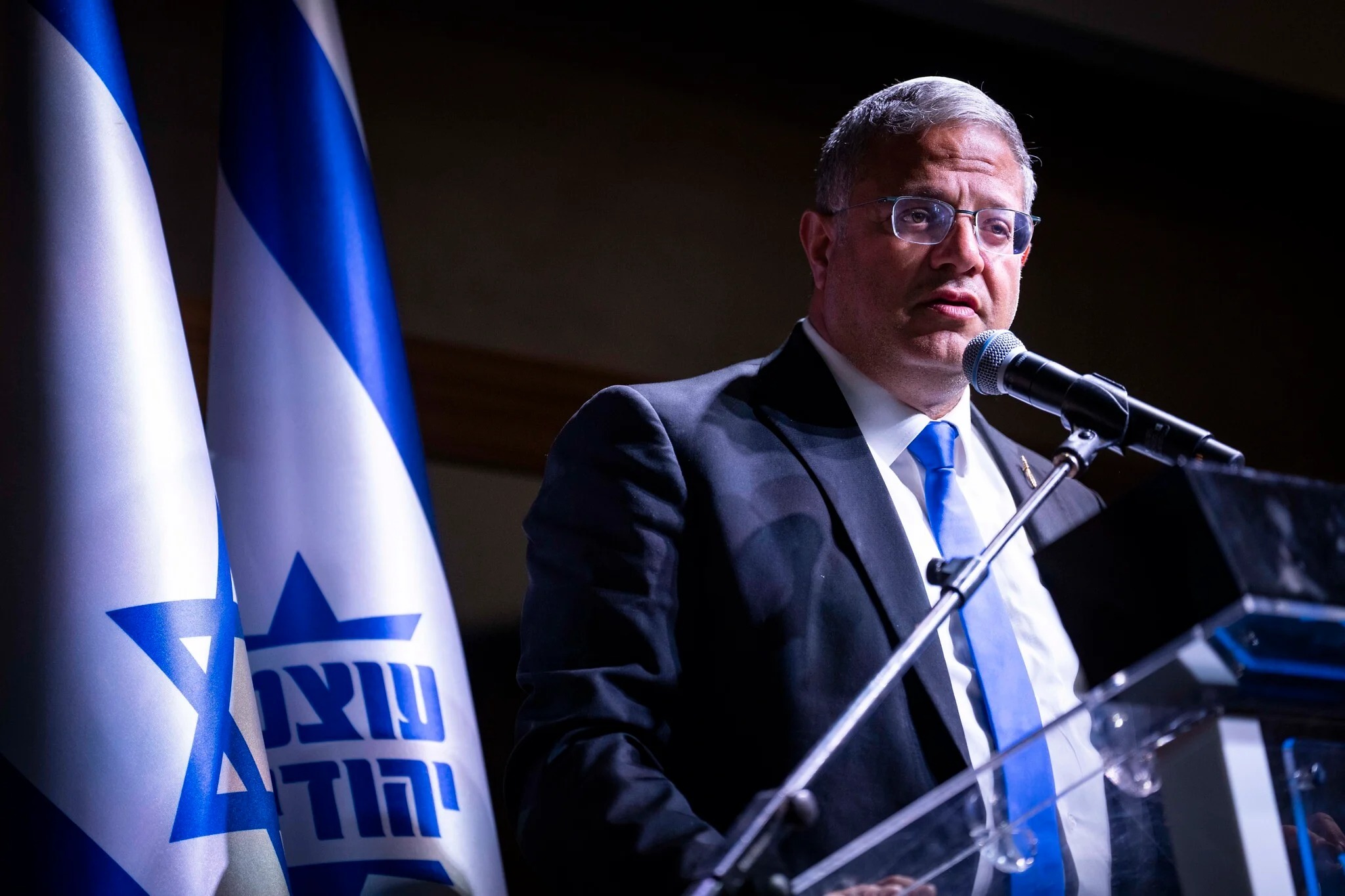
Israeli National Security Minister Itamar Ben Gvir has unveiled a plan aimed at removing the vast majority of the population from Gaza through a process he termed “voluntary migration”.
The right-wing minister’s plan also includes the establishment of a dedicated ministry for the matter.
Dubbed “Disengagement 710″—referencing both Israel’s 2005 withdrawal from Gaza and the 7 October 2023 Al-Aqsa Flood operation, which many on the Israeli right blame partly on that withdrawal—the plan aims to move 250,000 Gaza residents out of the territory within the first year, 1.11 million within three years, and 1.86 million within seven years.
“Instead of dreaming of peace right now, we need actions of migration. Instead of digging tunnels, it is now time to pack suitcases,” Ben Gvir said.
The minister added that the establishment of a “Ministry of Migration” and its leadership would be among the foremost demands Otzma Yehudit (Jewish Power) would present to join the next government.
Referring to Rehavam Ze’evi, the assassinated far-right minister who supported the ethnic cleansing and population transfer of Palestinians in the West Bank and Gaza, Ben Gvir said: “It is a pity they did not listen to Gandhi. It is now time to admit it: Gandhi was right!”
The party promises emigrants a “resettlement package” including “travel assistance, initial housing, vocational training, employment, and support for up to 24 months”.
It also pledges that host countries will receive payments based on the number of Gaza residents they accept.
According to the party, Türkiye, Ethiopia, the Congo, and certain unnamed Arab countries are being considered as potential destinations.
Otzma Yehudit states that the proposal requires an initial investment from Israel of 10 billion NIS ($3 billion), followed by co-financing of up to 50 billion NIS ($15.2 billion) depending on the level of international participation.
Ben-Gvir continued:
“At first, I was treated like a daydreaming extremist. Then one day everything changed: President Trump announced publicly that encouraging migration was a solution to the Gaza problem. Suddenly, Ben Gvir’s plan became legitimate. Suddenly, everyone became Ben Gvir.”
The proposal comes a day after Defence Minister Israel Katz stated that plans to facilitate mass migration from Gaza were still under discussion and had only been “frozen” by Trump, who first suggested relocating Gaza’s roughly 2.3 million residents elsewhere in February 2025.
That proposal had led to the establishment of a Defence Ministry directorate tasked with facilitating what officials termed “voluntary migration”.
Katz later abandoned that proposal due to international opposition and the lack of countries willing to accept the migration.

German business urges swift reform after AfD win in Saxony-Anhalt

Netanyahu ignored MBZ warning on Hamas 7 October plan, report says

UK reassures US that new Israeli settlement sanctions are symbolic

EU defence industry struggles to meet Ukraine frontline requirements

The AfD as battering ram
-
 Diplomacy2 weeks ago
US strikes fail to break Iran as regional anchors rise, Dr. Moeini says
-

 Europe1 day ago
Germany’s CDU drafts tougher citizenship rules to counter AfD
-
 Russia2 weeks ago
Putin circle weighs tactical nuclear risk as Ukraine talks stall
-

 Russia2 weeks ago
Iran war tests Russia-UAE partnership amid expanding trade ties
-

 America2 weeks ago
Pentagon to fully purge Anthropic AI from systems by end of September
-
 Diplomacy2 weeks ago
Greece warns Türkiye over maritime disputes as regional tensions rise
-
 Russia2 weeks ago
CIA Director John Ratcliffe travels to Moscow for official talks
-

 Diplomacy2 weeks ago
Five minutes to doomsday – 1: Thiel in search of the Antichrist
