
Middle East
Iran expands deterrence as Gulf strikes expose US munitions limits, analysts say

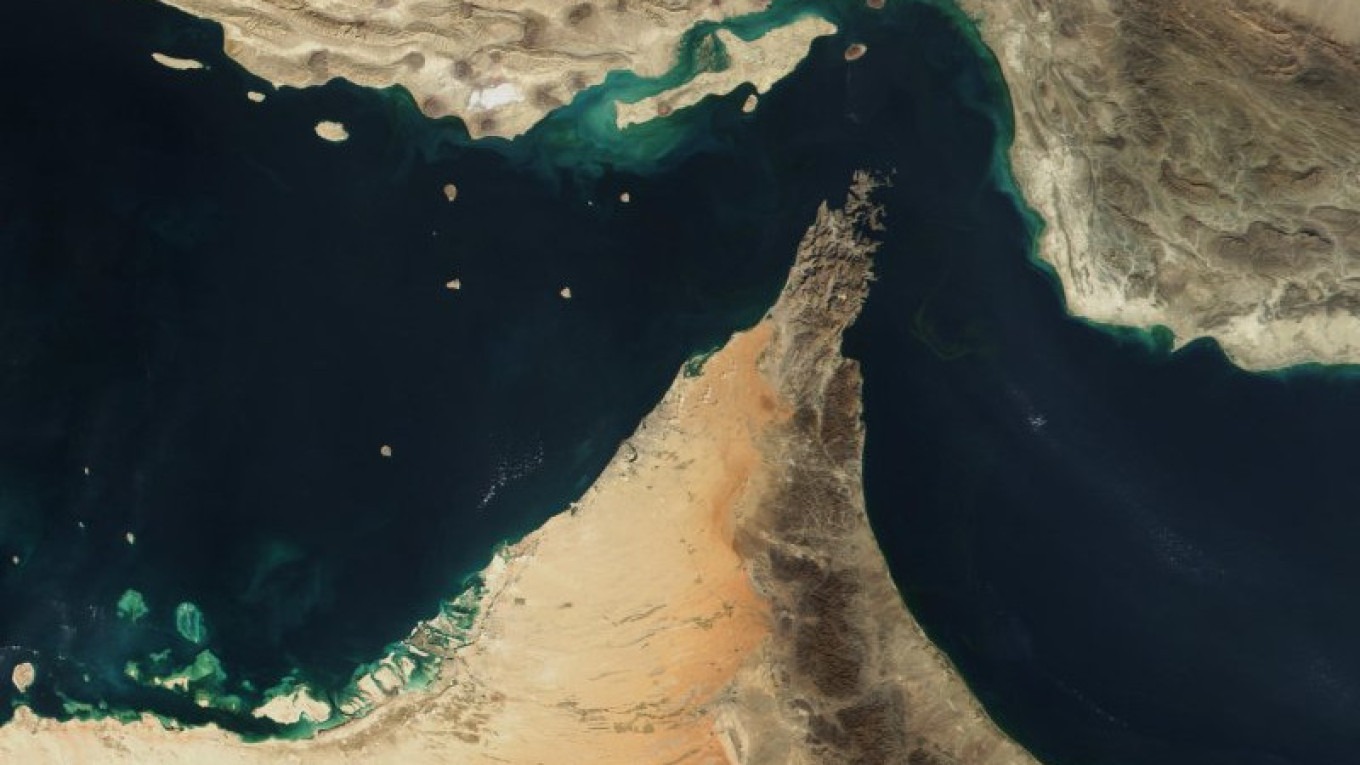
In an in-depth strategic assessment broadcast on the Harici digital channel’s programme “Strategic Compass”, prominent political scientist and international relations scholar Prof. Dr. Hasan Ünal and veteran journalist, author, and Middle East and Iran specialist Alptekin Dursunoğlu, who serves as the Editor-in-Chief of Yakın Doğu Haber, delivered an exhaustive analysis of recent military confrontations between the United States and the Islamic Republic of Iran, the fundamental doctrinal transformation governing Iranian military retaliation, regional air defence vulnerabilities, and shifting geopolitical balances spanning the Persian Gulf, Lebanon, and Syria.
Opening the discussion, Prof. Dr. Hasan Ünal highlighted the recurring nature of US declarations of victory alongside paradoxical public statements by US President Donald Trump regarding Iranian obstinacy. Ünal outlined the immediate military flashpoint, noting that US forces opened fire on Islamic Revolutionary Guard Corps (IRGC) units stationed near Larak Island in the Strait of Hormuz under the premise that Iranian forces were deploying naval mines. Ünal observed that Iranian authorities have not denied mine-laying capabilities, as their primary objective remains total operational control over the Strait of Hormuz—reinforced by recent bilateral maritime arrangements with the Sultanate of Oman.
Ünal emphasised that, as previously analysed alongside retired Admiral Deniz Kutluk, Tehran’s strategic planning has undergone an irreversible structural change. Iran no longer passively absorbs incoming strikes, nor does it limit itself to symmetrical responses; instead, it delivers immediate, disproportionately severe counterstrikes while seeking to integrate the Gaza Strip and Yemen’s Ansar Allah (the Houthis) into an indivisible regional operational theatre.
“Iran has shifted its doctrine from equal response to escalation”
Detailing the tactical reality of the overnight strikes, Dursunoğlu confirmed that Tehran bypassed standard reciprocal proportionality to execute an escalated retaliatory strike. Following the US attack on Larak Island, Iranian forces launched salvos of precision missiles against two major military facilities in Jordan: the Muwaffaq al-Salti Air Base and the King Hussein Air Base, both identified by Tehran as staging grounds for the US operation.
Simultaneously, Iranian conventional military units and the IRGC coordinated retaliatory drone strikes against US installations in the United Arab Emirates, specifically targeting the al-Minhad Air Base, while abstaining from targeting Saudi Arabia, Qatar, Kuwait, or Bahrain.
Dursunoğlu explained that Washington and aligned media outlets, particularly Axios, had spent preceding weeks manufacturing a narrative that the Strait of Hormuz remained fully open under US dominion, with Trump going so far as to rhetorically claim the waterway as US territory following purported strikes against Iranian coastal surveillance radars at Sirik and Larak.
“Western media outlets launched a persistent information campaign claiming that commercial transit had reached 17 to 18 million barrels of crude oil per day through the southern corridor along the Omani coastline,” Dursunoğlu stated. “They claimed that commercial vessels were simply switching off their transponders, navigating under US naval escorts, and that Iran had been completely blinded after its coastal radars were hit.”
“If the strait is yours, why sneak ships at night?”
Challenging Washington’s official narrative, Dursunoğlu cited on-the-ground reporting from Iranian correspondents in the coastal zone, explaining that Iranian maritime surveillance does not depend on single, vulnerable radar stations.
“Iranian coastal monitoring relies on an integrated five-layer surveillance network,” Dursunoğlu said. “Even if an adversary strikes terrestrial radar installations, you cannot obscure the physical horizon. From Iranian territory on Larak Island, the Omani coast is plainly visible to the naked eye. Commercial oil tankers and cargo vessels are not high-speed patrol craft or evasive warships; they move slowly, and IRGC fast-attack craft continuously patrol the maritime corridors.”
Dursunoğlu pointed to Iranian television broadcasts demonstrating IRGC naval personnel issuing radio warnings to commercial vessels attempting unauthorised transit, resulting in the ships aborting their routes and reversing course.
“Washington’s claims contradict basic logic,” Dursunoğlu said. “On one hand, you claim the Strait of Hormuz is under complete US control, that Iran’s navy is destroyed, and that Iranian surveillance is blinded. On the other hand, you report that commercial vessels are conducting ship-to-ship transfers, turning off radars, and sneaking through Omani territorial waters at night under reduced capacity of 8 to 10 million barrels per day. If you truly control the waterway, why are commercial ships forced to sneak through in total secrecy? This entire narrative is designed solely to manipulate international energy markets and temporarily depress Brent crude prices.”
Addressing CENTCOM claims that US forces struck two Fajr-5 rocket launchers allegedly modified to deploy naval mines over 150-kilometre ranges, Dursunoğlu noted that Tehran acknowledged the engagement with factual transparency, reporting three military personnel killed and seven wounded. Conversely, when the IRGC reported that an oil tanker struck two naval mines and halted transit, CENTCOM and Western maritime reporting entities, including the UK Maritime Trade Operations (UKMTO), issued blanket denials to project artificial commercial safety.
“The fundamental question remains: if the Strait of Hormuz was entirely secure, why did US forces strike Larak Island in the first place?” Dursunoğlu asked. “And when the US strikes two launchers, Iran does not absorb the blow; it immediately strikes two strategic air bases in Jordan and deploys dozens of combat drones against US facilities in the United Arab Emirates.”
“The US military stock depletion prevents a wider war”
The precision strikes in Jordan once again exposed severe limitations in Western air defence architecture. Ünal observed that US-manufactured Patriot air defence batteries stationed in Jordan failed entirely to intercept incoming Iranian missiles, echoing previous operational shortcomings.
“Patriot batteries proved completely useless once again,” Ünal said. “This performance is particularly instructive at a time when certain domestic commentators in Türkiye absurdly discuss placing our S-400 systems—the undisputed premier air defence platform in the world—up for political bargaining. Iran’s latest missile iterations demonstrate superior guidance, penetration, and propulsion technologies, which the Pentagon is forced to scrutinise after every engagement. Iran has comprehensively prepared for a protracted war of attrition.”
Dursunoğlu concurred, noting that Tehran deliberately saturates regional air defence batteries by forcing the deployment of multiple Patriot interceptors against individual ballistic threats. Satellite imagery subsequently confirmed direct impacts inside the targeted Jordanian facilities, disproving claims that all incoming projectiles were neutralized.
The strategic impasse facing Washington is further compounded by acute industrial and logistical exhaustion. Ünal highlighted recent analysis published in The Wall Street Journal indicating that US military munitions stockpiles have fallen below critical thresholds, forcing the Pentagon to redeploy naval strike groups from the Far East to compensate for the USS Abraham Lincoln carrier strike group being rendered functionally combat-ineffective.
Dursunoğlu corroborated this assessment by citing statements from retired US military officials published by Military Times: “American military figures openly acknowledge that the structural damage sustained by US naval assets and support facilities in Bahrain is equivalent to losing an aircraft carrier—destroying what they long considered an unsinkable operational platform.”
Regarding regional escalation, Dursunoğlu stated: “The US administration cannot escalate this engagement into a broader conventional war. Washington lacks the ammunition, the logistical sustainment, and the operational resilience. Following strikes on Muwaffaq al-Salti, King Hussein Air Base, and al-Minhad, the US has absorbed the response and halted operations.”
Furthermore, Dursunoğlu noted that US forces have now lost approximately 25% of their total operational inventory of MQ-9 Reaper unmanned aerial vehicles along the Iranian front, representing an immense operational and financial loss of high-tier combat assets.
“Lebanon framework agreement bypassed the cabinet”
Turning to the Levant, the discussion examined the structural breakdown of Lebanese sovereignty following the November 2024 developments and the fall of Damascus. Ünal and Dursunoğlu analysed the controversial security framework signed between Beirut and Tel Aviv.
Dursunoğlu clarified that the diplomatic arrangement cannot be considered a legitimate act of state: “The so-called framework agreement was never submitted to the Lebanese Parliament, nor was it approved by the Council of Ministers. It could never pass the cabinet because ministers representing the Amal Movement and Hezbollah would exercise an immediate constitutional veto. The agreement was negotiated entirely through an ad-hoc commission established unilaterally by President Joseph Aoun and Prime Minister Nawaf Salam.”
Dursunoğlu outlined the military timeline: following the martyrdom of Hezbollah Secretary-General Sayyed Hassan Nasrallah on 27 September 2024 and the subsequent assassination of Hashem Safieddine, Israeli forces initiated a massive ground offensive on 1 October. Despite having lost its senior leadership tier, Hezbollah’s operational units held the border for 61 days until 27 November, restricting Israeli incursions to minor border fringes.
“The military equation in Lebanon was disrupted not by Israeli tactical success on the southern border, but by the collapse of Syria on 27 November,” Dursunoğlu explained. “With the fall of the Syrian state, Israeli forces occupied strategic territories in Syria equivalent in size to Gaza, seized Mount Hermon (Jabal al-Sheikh), outflanked the Bekaa Valley, and created entirely new assault corridors into Lebanon.”
Under the current framework, Dursunoğlu warned, the Lebanese government is enforcing concessions that Israel failed to achieve militarily: “The text does not demand that Israeli forces withdraw from occupied Lebanese territory; it employs the euphemism of Israeli ‘repositioning’ while demanding the unilateral disarmament of Hezbollah south of the Litani River. Meanwhile, Israeli forces systematically demolish southern border towns with explosive charges—entire communities like Naqoura have been wiped off the map under the pretext of destroying ‘Hezbollah infrastructure’, which in reality means bombing hospitals, civilian homes, and public schools.”
Dursunoğlu noted that while Israel continues to target the south and contentious zones such as the Ali Taher hills, it refrains from striking Beirut’s southern suburbs (Dahiyeh) due to direct Iranian deterrence and Washington’s intervention to avoid collapsing the fragile memorandum of understanding.
“Jolani received legitimacy in exchange for servitude”
Evaluating the ongoing negotiations and leaked diplomatic documents between Tel Aviv and the newly installed administration in Damascus headed by Abu Mohammad al-Jolani, Ünal detailed Israeli demands for a 30,000-man lightly armed Syrian internal policing force, the permanent denial of Syrian airspace to sovereign air defences, the total disarmament and extradition of Palestinian factions, the resettlement and compensation of Jewish populations alongside high-level parliamentary representation, and the total prohibition of any Turkish military presence on Syrian soil.
Dursunoğlu affirmed that the operational conduct of the new Damascus authorities fully aligns with Israeli strategic prerequisites: “The transaction is straightforward: political power in exchange for geopolitical servitude. An al-Qaeda figure who once had a $10 million US bounty on his head is suddenly received by Western capitals, delisted from international terrorism registries by Marco Rubio, and congratulated by Donald Trump. This legitimacy was granted because the new administration systematically abandoned the Golan front and permitted Israeli forces to operate unhindered across Quneitra, Daraa, and Beit Jinn—just 35 kilometres from central Damascus.”
Dursunoğlu recalled that as early as 2011, figures associated with the Syrian National Council in Istanbul, such as Burhan Ghalioun, openly pledged to Western media that any successor administration would immediately sever ties with Iran, Hezbollah, and Palestinian resistance groups.
“Syria was never targeted over democratic governance,” Dursunoğlu emphasised. “It was targeted because it stood as the sole Arab state uncompromisingly rejecting the Camp David architecture and serving as an insurmountable geopolitical barrier against Israeli expansionism.”
“Syria was targeted as the barrier against Israel”
Ünal strongly criticised the historical and ongoing failures of Ankara’s Middle East policy, noting the grave strategic consequences of dismantling the Syrian state: “For years we warned that attempting to overthrow the sovereign Syrian government while engaging in empty rhetorical disputes with Israel represented an unsustainable foreign policy contradiction. Damascus served as a vital buffer state capable of standing on its own feet, defending itself against Israeli aggression with Russian and Iranian backing. By facilitating its destruction, Ankara now finds itself directly bordering Israeli military influence.”
Ünal dismissed claims that integrating the YPG into the Damascus administration represented a diplomatic victory for Türkiye, warning instead that it institutionalised the fragmentation of Syria. He further condemned the lack of strategic urgency demonstrated by Turkish diplomatic representatives in Damascus, who focus on cultural and religious antiquities while Israeli forces advance within artillery range of the Syrian capital.
Addressing the Israeli strike on the Abu al-Zuhur Air Base, Ünal and Dursunoğlu pointed out that Tel Aviv explicitly justified the attack by asserting it would never permit Türkiye to establish radar infrastructure or forward air defence systems inside Syria.
Concluding the broadcast, both analysts concurred that while the regional conflict is unlikely to escalate into a general, open-ended war due to severe US military supply limitations and Iranian retaliatory posture, a comprehensive peace remains distant. Any future regional settlement involving Gulf mediation or UAE proposals—such as initiatives referenced by Anwar Gargash—will ultimately require addressing Tehran’s financial claims, including the restitution of more than $300 billion in damages and seized sovereign assets.








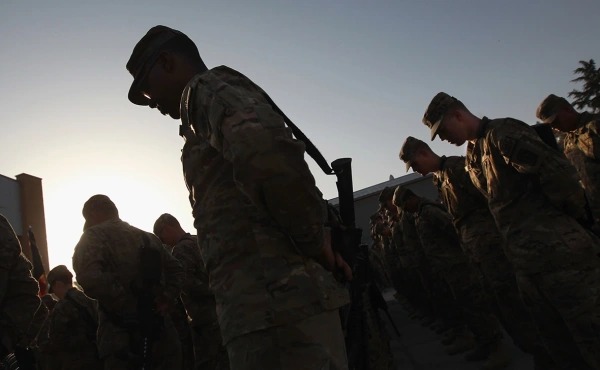
The US administration has notified several Gulf allies that it could launch a short but intensive military campaign against Iran immediately following the congressional midterm elections on 3 November. Washington urged regional states to prepare for this contingency.
According to a Wall Street Journal report citing sources with direct knowledge of the discussions, the warning did not specify which countries were briefed. Meanwhile, military activity on the ground has accelerated alongside these disclosures.
The US military has deployed a Patriot air defence battery from Texas to the Middle East, while beginning to pull its personnel back from exposed bases within range of Iranian ballistic missiles and drones to more secure positions. These moves reinforce indications that the US and Israel are preparing for a direct, wide-scale confrontation with Tehran.
The White House declined to comment on sensitive military plans whose existence has not been officially confirmed. An official statement emphasized, however, that President Donald Trump keeps all options on the table to prevent Iran from acquiring a nuclear weapon.
The New York Times reported last week that US and Israeli armed forces have stepped up joint military drills based on a short but intensive operational scenario. Potential targets identified by the newspaper include Iran’s nuclear facilities, critical energy infrastructure, and production centres for missiles and armed unmanned aerial vehicles.
The same report noted that while seen as an unlikely outcome, Trump could approve the operation before the end of October, though he might also opt against authorizing any military action. In recent months, Trump has repeatedly suspended decisions to re-enter active hostilities at the last moment.
The current active conflict between the two nations was triggered on 28 February by a joint US-Israeli strike on Iranian targets. Trump explained the primary rationale for the operation as ensuring that Tehran can under no circumstances attain a nuclear weapon.
These military actions follow the 12-day war fought in June 2025. During that air campaign, Washington directly targeted and struck Iran’s primary nuclear installations at Fordow, Natanz, and Isfahan.
International Atomic Energy Agency (IAEA) Director General Rafael Grossi outlined the latest situation on the ground during an address to the UN Security Council. Grossi stated that the agency has found no evidence indicating that Tehran is repairing or rebuilding from scratch the nuclear infrastructure damaged in the 2025 and 2026 strikes.
Criticizing the continued exclusion of monitors, Grossi urged Iran to grant international inspectors immediate access to all its nuclear sites, including damaged locations. Since the US bombardment in June 2025, the IAEA has been unable to independently verify the current status of Tehran’s stockpile of highly enriched uranium.
According to official agency records, Iran held 440.9 kilograms of uranium enriched to 60% purity prior to the June 2025 war. In nuclear physics, 60% enrichment is technically regarded as exceptionally close to the roughly 90% threshold required for weapons grade.
Following the bombings, Tehran barred international inspectors from entering the struck facilities. Because of this restriction, the regulatory body cannot ascertain how much of this critical stockpile remains intact or where it is currently stored.
Mounting military costs fuel domestic political pressure
President Trump maintains that the June 2025 air strikes demolished Iran’s nuclear capabilities. Nevertheless, the prolonged military operations have destabilized economic conditions, and soaring domestic fuel prices in particular are placing the governing Republican Party under severe political strain ahead of the midterms.
Trump has pushed back against criticism over rising energy costs, arguing that absorbing higher prices at the pump is necessary to prevent Tehran from acquiring nuclear arms.
Pentagon budget records reviewed by Reuters indicate that total US military spending on the Iran conflict has surpassed $47 billion. This figure stands 25% above official estimates released by defence officials in July.
The largest portion of total expenditures, $29 billion, was allocated to replenishing depleted munitions stocks, while $6 billion went toward replacing worn military hardware. It remains unclear whether repair bills for US bases damaged by retaliatory Iranian missile and kamikaze drone strikes are included in this official $47 billion sum.
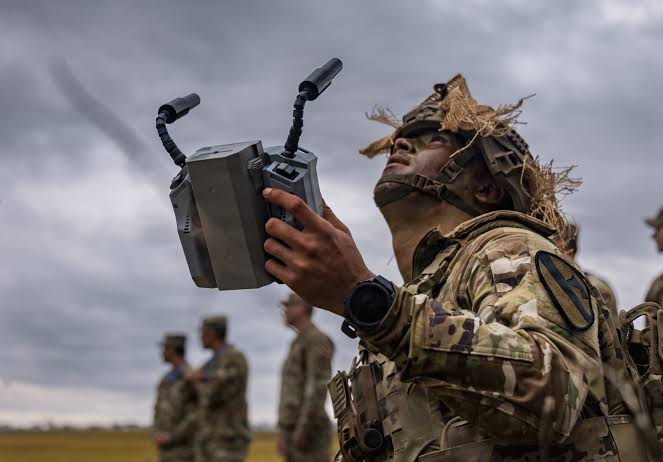
The total cost of US military operations against Iran has reached $47 billion.
According to a report by the American newspaper The Hill, citing an assessment by US Central Command (CENTCOM), the operation’s budget grew by more than $3 billion in the past month alone.
A detailed breakdown of the spending appears in a document prepared by the command. The largest share of the budget is accounted for by munitions shipments, totalling $29 billion.
Additional expenses arising directly from conducting the military operation stand at approximately $12 billion, whilst replacing lost military equipment and gear requires $6.1 billion.
Funding allocated to support military personnel deployed to the region, air transport, communications, and transport operations within the operational theatre is calculated at $7.6 billion.
Moreover, this overall total does not include the expenditure required to repair and rebuild US military bases in the Middle East.
According to information reported by The Hill, US President Donald Trump is weighing the possibility of launching fresh strikes against Iran following the country’s midterm elections.
Trump had previously described the military operation against Iran as one of the best decisions of his presidency.
Congress steps in as budget deficit deepens
The bill for the operation climbed swiftly in a short period. In a statement on 22 July, US Secretary of War Pete Hegseth announced that the cost of the Iran campaign had reached $37.5 billion.
Hegseth noted that the figure covered both expenses already incurred and projected spending through the end of the fiscal year on 30 September.
A day before Hegseth’s statement, The Washington Post reported that the Pentagon was facing a severe cash crunch due to the war with Iran.
The newspaper reported that the White House had requested an emergency supplemental appropriation of $67 billion from Congress to cover military expenses, warning that the military would be forced to cut other spending items if the request were rejected.
Following these developments, the House of Representatives approved a $1.15 trillion defence budget.
The relevant resolution includes allocating $73 billion in additional funding to the Pentagon and intelligence agencies, primarily to cover the costs of the war being waged with Iran.

The Israeli army’s siege of the city of Hebron in the occupied West Bank has entered its fifth day. More than 3,000 Palestinians have been forced to flee their homes as raids, house demolitions, and forced evictions continue across the city.
According to data shared by Hebron Municipality on 26 October, the number of displaced people has reached 3,189. More than 200 of them are infants.
Municipal authorities announced that roughly half of the total displaced population consists of children and youths under the age of 18.
Palestinian officials in the besieged city declared a state of emergency and established an urgent crisis desk.
Rami Khamis, a member of the crisis desk, highlighted civic solidarity in remarks to Al Jazeera, saying local residents and benefactors who refused to let their fellow citizens stay in temporary shelters opened their homes to displaced families.
A Palestinian forced to abandon his home in haste recounted his ordeal to Al Jazeera on 26 October.
Explaining that they fled with only the clothes on their backs, the resident said their savings, household goods, and official documents were left behind. After placing his family in a relatively safe place, he attempted to return to salvage their belongings, but could not reach the house because the area was no longer safe.
The siege began immediately after an attack on 23 October in which two Israeli soldiers were killed. The two Palestinians who carried out the assault were killed at the scene by Israeli forces.
Citing this incident, the Israeli army blockaded the city and launched wide-ranging operations. The British newspaper The Guardian described the measures carried out in Hebron as “collective punishment”.
Hamas official Mahmoud Mardawi also condemned both the siege in Hebron and the military incursions spreading across the occupied West Bank in a statement on 26 October.
Emphasising that these steps constitute collective punishment, Mardawi warned that escalating tensions on the ground could lead to grave consequences.
Mardawi further argued that Prime Minister Benjamin Netanyahu and his government are using these attacks for propaganda and electoral calculations, stating that military pressure will not break Palestinian resilience and that calculations regarding annexation and mass expulsion will fail to achieve their goal.
Operation rift in Israeli leadership
As the blockade entered its fifth day, a divergence of opinion emerged between Israel’s military brass and the government.
According to a report in the Yedioth Ahronoth newspaper, Chief of Staff Eyal Zamir and Prime Minister Benjamin Netanyahu clashed over the future of the operation.
Zamir argued that the military campaign on the ground had delivered whatever benefit it could provide and that it was now time to bring it to an end.
Military officials said tangible gains achieved throughout the operation remained limited, indicating that whether to sustain the current push required reassessment.
Indeed, the newspaper reported that Israeli forces managed to seize only a limited number of weapons in the city, failing to uncover any unusual arsenals or major arms caches.
However, Chief of Staff Zamir’s proposal to end the operation was rejected. Prime Minister Netanyahu and the Defence Minister dismissed the recommendation and decided to continue the offensive.
At least 70 Palestinians have been detained in Hebron since the siege and operations began. The Israeli army is also continuing extensive demolition activities targeting civilian homes across the city.

“Blue wave” fears at Mar-a-Lago: What will the midterms bring for the US?

What are Europe’s ignorant leaders failing to see?

Protesters storm Kyiv site holding soldiers over torture allegations

Right-wing calls to ban left parties and groups mount in Europe

Low EU gas stocks risk stoking global prices, IEA report warns
-

 America2 weeks ago
US wealthy demolish multimillion-dollar mansions for land
-
 Middle East2 weeks ago
Netanyahu unveils security doctrine and regional alliance map
-
 America2 weeks ago
At least 47 major US data centre projects halted or cancelled
-
 Europe2 weeks ago
EU rejects US proposal to resume Russian gas flows through Ukraine
-
 Middle East2 weeks ago
Netanyahu trails Eisenkot in Israeli polls despite Trump backing
-

 Diplomacy1 day ago
Secular dress code dispute exposes deeper Türkiye-Azerbaijan strains
-

 Europe1 week ago
Merz visits Asia to seek new markets for German defence firms
-

 Russia6 days ago
US and Russia weigh energy deals and corporate return in peace talks
