
America
US urges Mexico to curb undocumented crossings at southern border

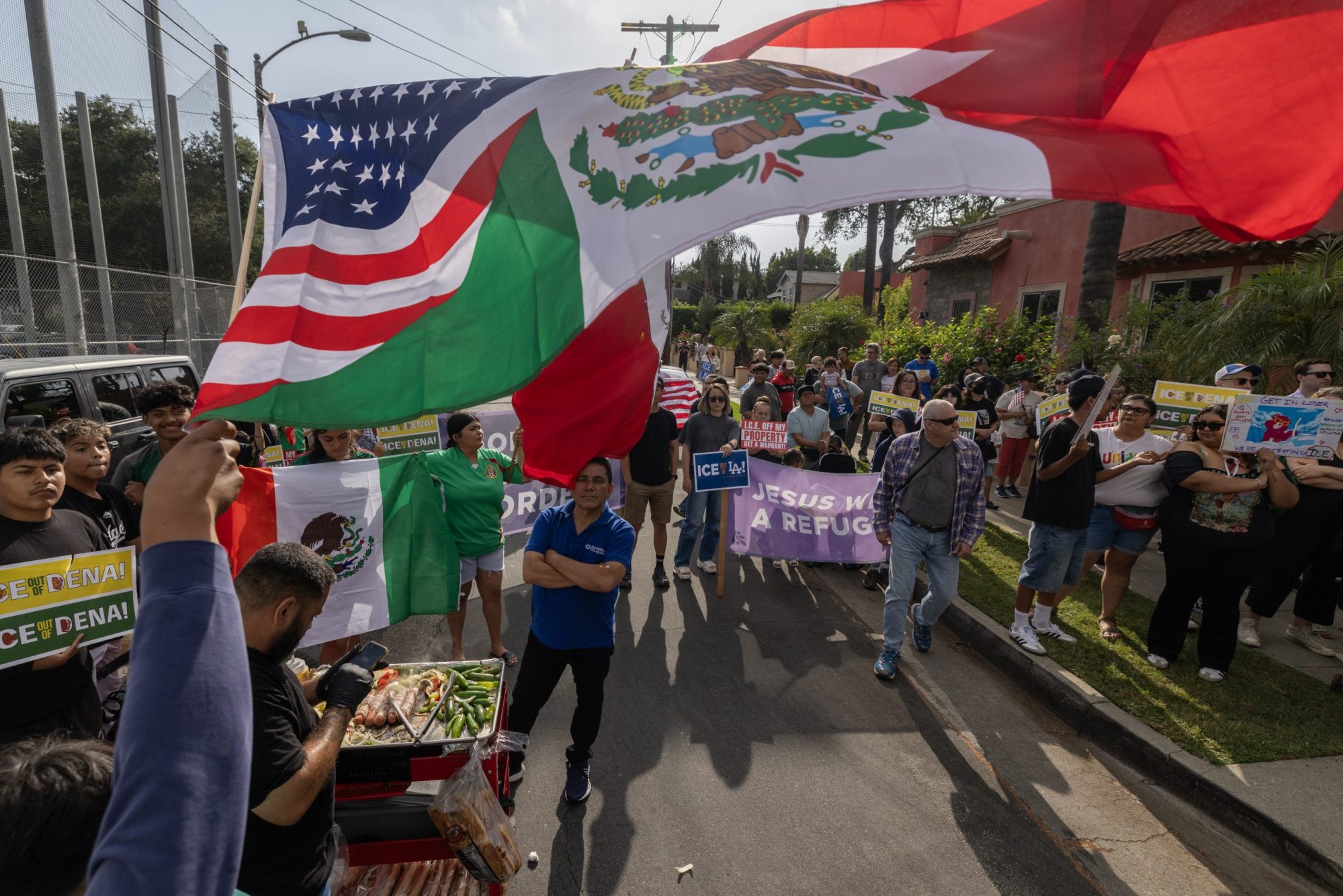
The administration of US President Donald Trump is demanding that Mexican President Claudia Sheinbaum implement additional measures against illegal crossings along the US border.
According to a Bloomberg report citing sources familiar with the matter, US Secretary of State and National Security Advisor Marco Rubio conveyed this demand to Mexican Foreign Minister Roberto Velasco during a closed-door meeting in Washington on 26 August.
The Washington administration is demanding that Mexican authorities prevent their own citizens from attempting to cross the US border illegally.
Bloomberg noted that fulfilling this request could encounter constitutional and legal obstacles, as Mexico’s constitution guarantees its citizens freedom of movement across national territory.
US State Department Spokesperson Tommy Pigott stated that Rubio urged Mexico during the meeting to take decisive steps in combating migration, drug trafficking, and cartel operations.
The Mexican Secretariat of Foreign Affairs has not yet issued a statement regarding the matter.
According to data cited by Bloomberg, US border patrol units detained more than 9,200 migrants in July. This figure represents the highest monthly tally recorded since Trump returned to the White House in January 2025.
The July figure was reported to have doubled compared to the same period of the previous year, yet it remained at approximately one-sixth of the level recorded in the final July of Joe Biden’s presidency.
Under Trump, who declared a state of emergency on the southern US border upon taking office in January 2025, illegal border crossings were recorded at 28,635 in February and 29,065 in March.
In the corresponding months of the preceding year, those figures stood at 256,071 and 246,505, respectively.
Following negotiations between Trump and Sheinbaum in February 2025, Mexico pledged to deploy 10,000 National Guard personnel to its northern border to counter drug shipments heading into the US.
Washington, in turn, suspended for one month the tariffs planned on goods of Mexican origin and pledged to work towards preventing illegal firearms shipments into Mexico.
Following Trump’s threats of launching ground operations against drug cartels in Mexico, Sheinbaum called in January 2026 for enhanced security coordination with Washington.
The Mexican leader had assigned then foreign minister Juan Ramon de la Fuente to hold talks with US Secretary of State Rubio.
Sheinbaum expressed that she considered a US invasion of her country unlikely and that Trump’s statements to that effect should not be taken seriously.










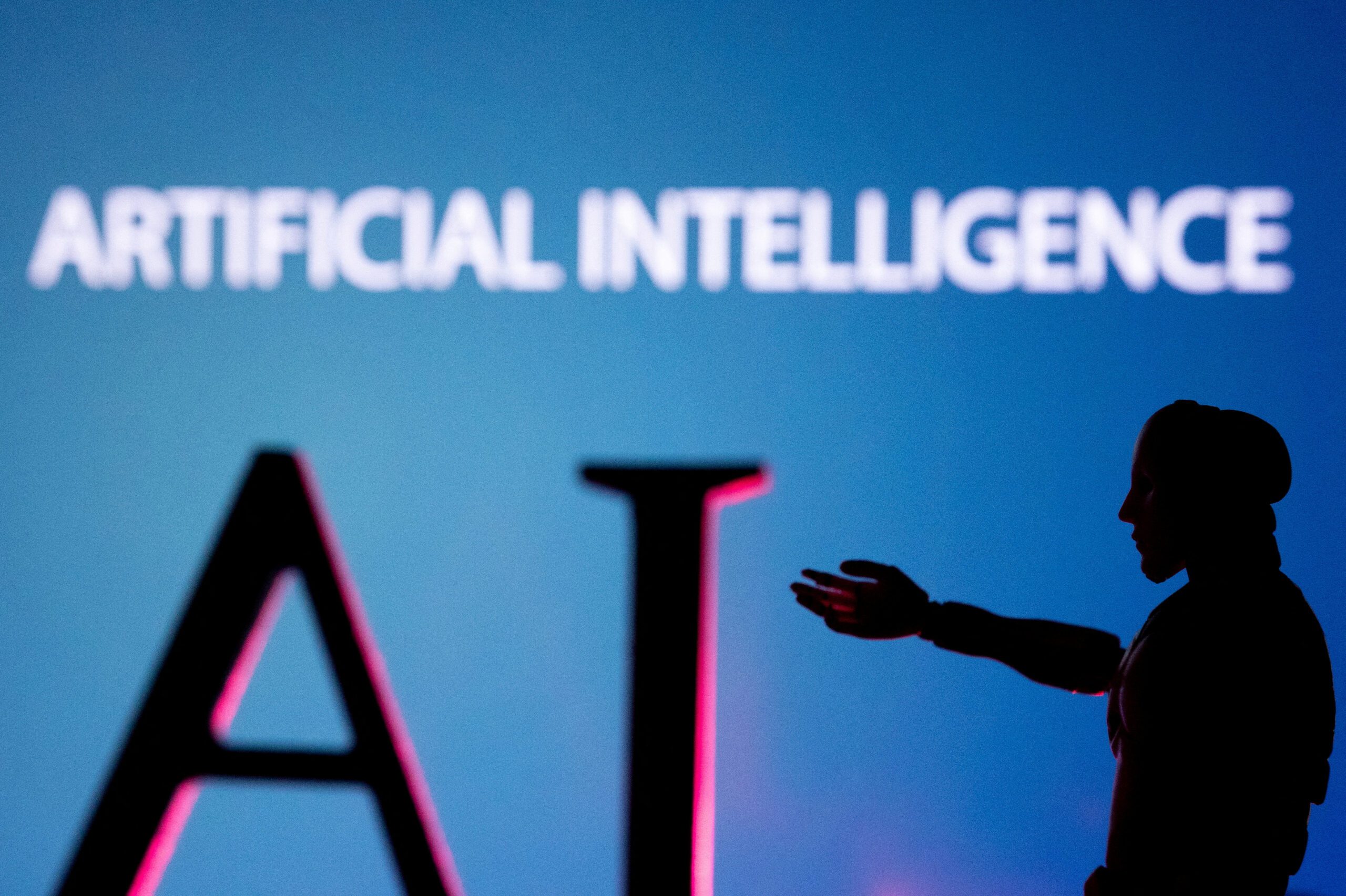
Investments by Silicon Valley-based technology giants in mainstream media organisations have taken on a new dimension in recent years, pivoting around direct cash flows, technology transfers, and legal strategies.
Aiming to shield their artificial intelligence models from copyright infringement lawsuits and feed them high-quality, real-time data cleansed of low-grade AI-generated material circulating online, tech companies are engaged in a billion-dollar licensing race.
OpenAI stands out with aggressive licensing drive
Building the industry’s most extensive content licensing portfolio, OpenAI is not only purchasing data but also integrating media outlets into its own ecosystem via AI integration.
The five-year agreement struck between the company and News Corp encompasses more than $250 million in cash and technology credits. The deal’s average annual cash flow stands at around $50 million.
Under this collaboration, the archives and live news feeds of The Wall Street Journal, Barron’s, MarketWatch, The New York Post, The Times, The Sunday Times, and The Sun have been opened to OpenAI systems. OpenAI uses this data both to train its GPT models and to summarize News Corp articles with source attribution links within ChatGPT search results.
The Media Copilot Citation Study and analyses by The Wall Street Journal on market dynamics reveal that publishers entering into licensing agreements gain a 48% priority advantage in ChatGPT citations.
OpenAI also signed an agreement valued at between $25 million and $30 million over three years with Axel Springer—whose portfolio includes publications such as Politico and Business Insider—securing the right to provide users with real-time summaries of European and US political news.
In its partnership with Dotdash Meredith, a fixed annual guarantee fee of $16 million was established alongside variable commercial revenue-sharing arrangements.
According to IAC financial filings and Adweek data, millions of articles from brands including People, Better Homes & Gardens, Lifewire, and InStyle are transferred to OpenAI, while the technology company supports the AI optimization of Dotdash Meredith’s advertising targeting platform, D.M.A.P.
On another front, The Walt Disney Company partnership announced by Disney CEO Bob Iger and Sam Altman involved a combination of a $1 billion equity investment and stock warrants.
The agreement aimed to secure the legal use of more than 200 characters from the Disney, Pixar, Marvel, and Star Wars universes inside Sora, the text-to-video AI model.
However, according to details reflected in reports by The Guardian and OpenAI Index filings, Hollywood’s resistance to artificial intelligence, the rights of actors and voice artists, and shifting priorities within OpenAI regarding the Sora application have plunged the operational process of the billion-dollar integration project into crisis.
Alongside traditional media, OpenAI is also turning to alternative and emerging media platforms. The company acquired TBPN last April. TBPN is a podcast hosted by John Coogan and Jordi Hays, both of whom come from the venture capital world. Daily from a Los Angeles studio, the duo hosts a three-hour show reminiscent of mainstream media business or sports broadcasts.
The podcast and its team fall under the responsibility of Chris Lehane, an experienced lobbyist who rose to prominence managing scandals during the Clinton administration. Lehane serves as OpenAI’s head of public relations.
Silicon Valley’s “parallel media ecosystem” does not consist solely of ventures by tech investors. Andreessen Horowitz, for instance, is investing heavily to build its own media empire. The venture capital firm publishes podcasts to showcase its tech investment portfolio and promote pro-technology politics. In this context, bespoke publications such as Future were established to disseminate optimistic perspectives on technology and feature founders in their portfolio without subjecting them to external critical scrutiny.
Furthermore, tech-backed ventures such as the AI platform State Affairs—supported by Peter Thiel’s venture capital firm Founders Fund and Khosla Ventures—employ human reporters to feed state legislative data into large language models (LLMs) for corporate subscribers.
Meta pivots to AI data over social traffic
Having faced disputes with publishers after restricting external link traffic directed to traditional media via Facebook and Instagram, Meta has deployed its AI budgets as a solution.
According to reporting by The Wall Street Journal, the company is executing multi-year agreements reaching up to $50 million annually with News Corp and a global pool of publishers.
Meta is making this investment to ensure its open-source Llama models avoid copyright complications when delivering news in internet searches and inside the Meta AI assistant.
Rather than using the data directly to train model weights, the company employs it within a retrieval-augmented generation (RAG) infrastructure that enables the assistant to deliver instant, legally cleared news to the user.
Apple negotiates with legal liability clause
Entering the AI arena with its “Apple Intelligence” integration, Apple held talks with publisher groups including Condé Nast, NBC News, and IAC to conduct its data collection process on an entirely legal footing.
As reported by The New York Times and PCMag, Apple tabled multi-year offers with a baseline price of at least $50 million per group for decades-long archives of institutions such as Vogue, The New Yorker, GQ, Vanity Fair, and NBC News.
A primary factor prolonging negotiations was reportedly Apple’s demand that publishers also assume potential legal liabilities arising from the processing of data within the system.
Perplexity AI shares ad revenue
Confronted with accusations of plagiarism and content theft from media organisations, Perplexity AI established a revenue-sharing pool under the name “Perplexity Publishers Program” to pre-empt potential copyright lawsuits.
Under the partnership, which includes TIME, Fortune, Der Spiegel, and the Los Angeles Times, an initial cash pool of $42.5 million was created.
According to the model examined by The Wall Street Journal and Digiday, Perplexity AI, which has begun introducing advertisements into search results, transfers between 50% and 80% of generated ad revenues to the publisher when it draws on the relevant media outlet’s article while generating an answer.
The company also provides enterprise AI subscriptions to employees of these media organisations.
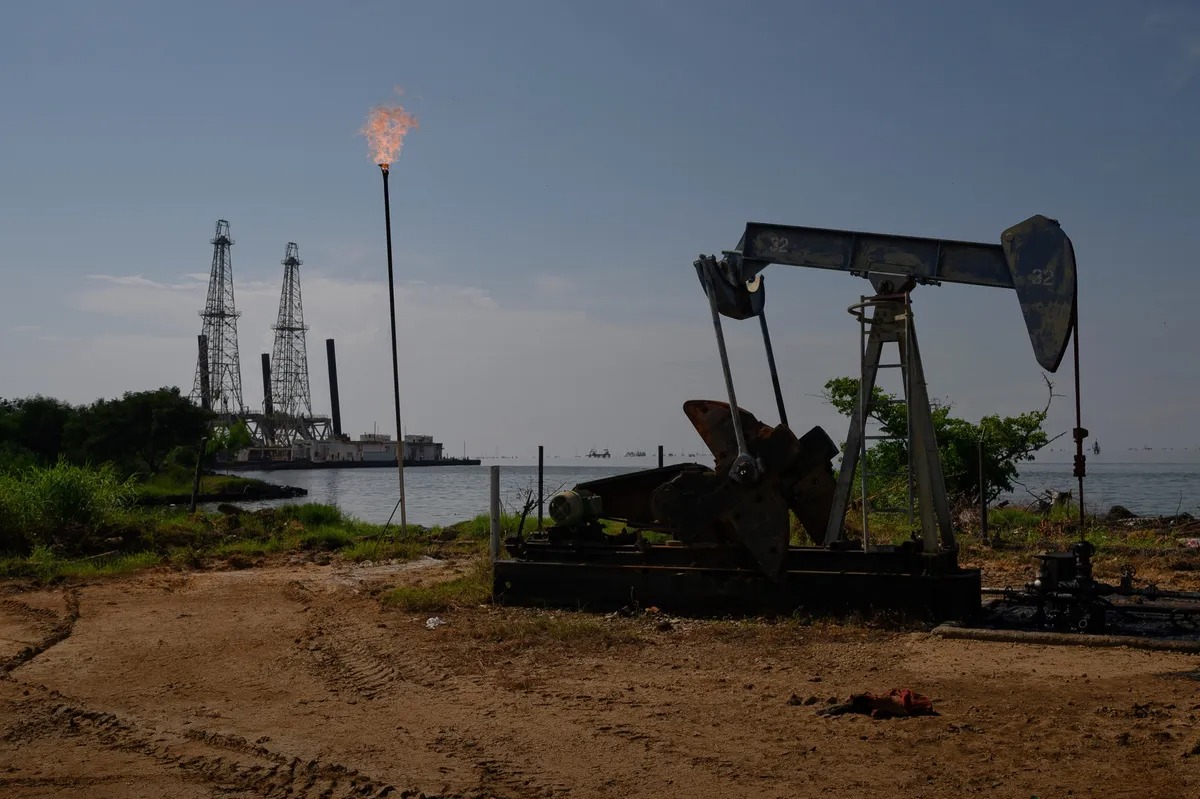
The Trump administration is in talks with Venezuela’s interim government to acquire an equity stake in the country’s vast oil reserves.
According to a report by Axios, this historic agreement would more than double US oil reserves by securing resources from the country that holds the world’s largest proven oil reserves.
“To call this deal ‘big’ would be an understatement. This is a massive deal,” one official said.
Another factor driving the push to sign the agreement is the wars in Iran and Ukraine, which have disrupted global oil supplies and pushed up prices.
The US Strategic Petroleum Reserve currently stands at a 40-year low.
The details are still being worked out, but the talks cover more than a dozen producing oilfields, rather than the entirety of Venezuela’s 300 billion barrels in proven reserves.
The fields in question hold 90 billion barrels in proven reserves and were previously controlled by former Venezuelan officials, including some who face criminal charges.
Interests once controlled by China were also linked to these fields.
In exchange for granting the US an ownership stake, the Venezuelan government would benefit from private firms, including American companies, developing these fields and generating increased oil revenues for the country.
According to Axios, the Venezuelan oil deal would represent a legacy-defining moment for President Trump, who has made US energy security and dominance in the Western Hemisphere cornerstones of his “Donroe Doctrine”.
“President Trump is very close to securing America’s energy future for generations to come, not only in the US, but across the entire hemisphere,” another official said.
Trump had reportedly begun discussing ways to acquire a stake in Venezuelan oilfields in secret even before Nicolas Maduro was abducted by the US on 3 January.
The negotiations are being led by US Secretary of State Marco Rubio and Venezuela’s interim president, Delcy Rodriguez.
Last month, senior officials from the Departments of State and Defence met with their counterparts in Caracas to discuss the details in greater depth.
White House Deputy Chief of Staff Stephen Miller is also playing a significant role in the process.
An official noted that the White House is sensitive to accusations that Rodriguez will hand over Venezuela’s natural resources to the US, stating: “We are doing everything we can to show this will benefit the Venezuelan people, because it genuinely will.”
It remains uncertain exactly when the agreement will be finalised. US Secretary of Energy Chris Wright is discussing plans to travel to Venezuela next week, as his department examines ways for US companies to boost oil production.
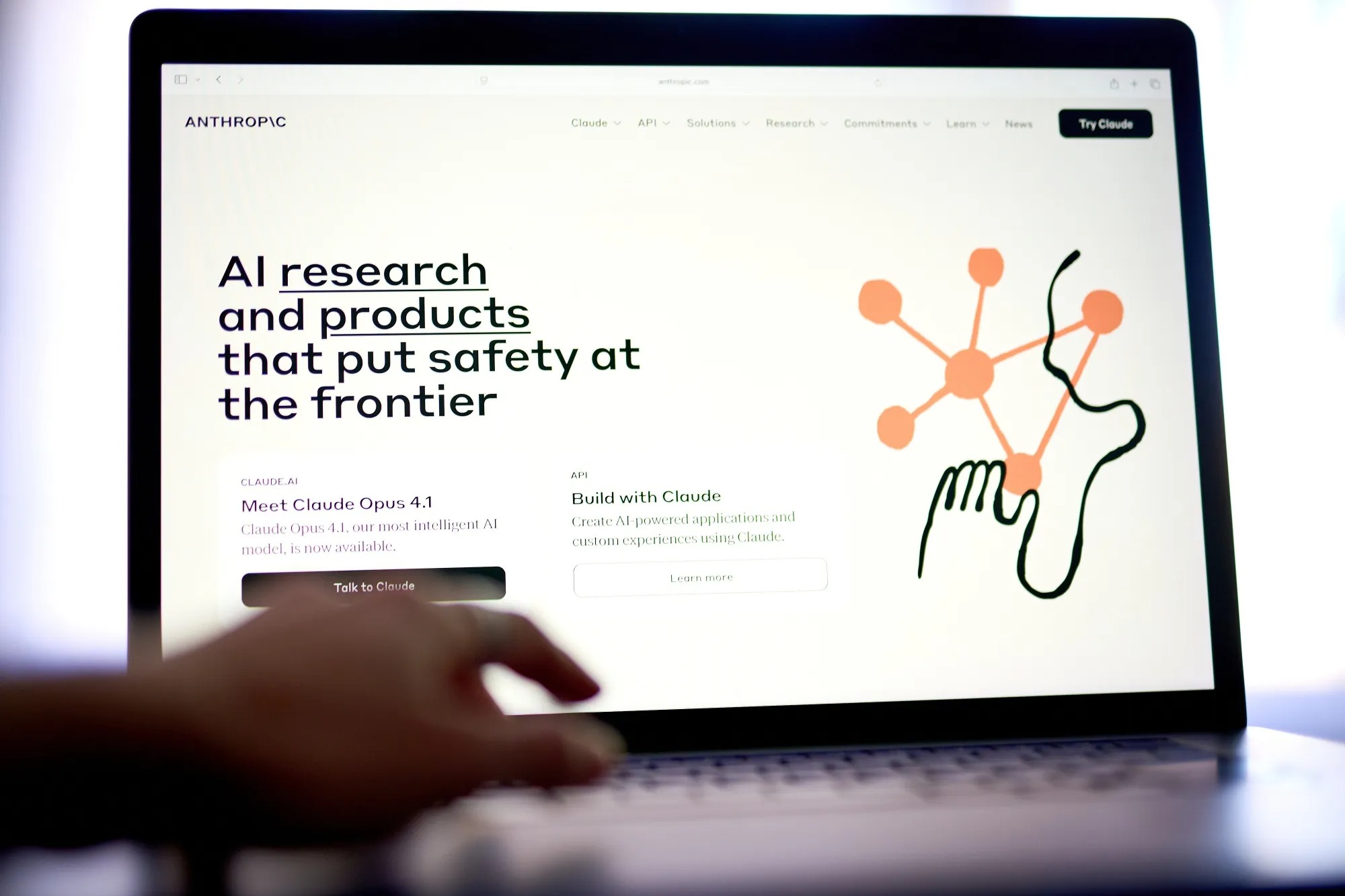
The US Department of War plans to eliminate all technology belonging to artificial intelligence company Anthropic across its internal systems by the end of September.
Emil Michael, the Pentagon’s chief technology officer and Under Secretary of War for Research and Engineering, revealed in an interview with Breitbart that the department is systematically purging the software.
“We are phasing their software out of all department systems. Over 90% has been deleted so far. We will conclude this process by the end of September,” Michael stated.
Noting that Anthropic technologies are integrated into complex architectures, Michael explained that the removal process takes time and must be executed responsibly.
The dispute between the Pentagon and Anthropic originated from restrictions imposed by the company regarding military use.
Anthropic Chief Executive Officer Dario Amodei demanded assurances that the technology would not be used in autonomous weapons or surveillance activities without human oversight. Following this stance, the Pentagon designated Anthropic a “supply chain risk”. Nearly 100% of military systems have transitioned to alternative AI models, including the Maven system, which aided target acquisition for airstrikes during the war with Iran.
In May, The Wall Street Journal reported that Claude Mythos, an AI model developed by Anthropic to identify software vulnerabilities, caused chaos within the administration of US President Donald Trump.
Subsequently, Mark Warner, Vice Chairman of the US Senate Select Committee on Intelligence, reported that Anthropic’s AI model had breached classified US National Security Agency (NSA) systems.
Preliminary injunction hearing held in federal court
The first major hearing in the lawsuit challenging the Pentagon’s supply chain risk designation of Anthropic was heard Tuesday afternoon in federal court in San Francisco.
US District Judge Rita Lin met the Department of War’s decision with scepticism, implying the move could be retaliation intended to punish a company that opposed the Trump administration during contract negotiations over AI deployment.
During the hearing, Judge Lin remarked: “What troubles me about these reactions is that they do not seem entirely congruent with the stated national security concern. If the concern were about the integrity of the operational chain of command, they could simply stop using Claude. It appears the defendants went further and sought to punish Anthropic.”
Concluding the hearing without an immediate ruling, Judge Lin stated she would issue a decision on the preliminary injunction request within the coming days.
Lin observed that the effort to bar the company from all government business went beyond what was necessary to address the national security concern cited by Secretary of War Pete Hegseth, stating: “This appears to be an attempt to crush Anthropic, and my specific concern is whether Anthropic is being punished for publicly criticising the government’s contracting stance.”
While acknowledging Hegseth’s authority to restrict the company’s applications in the national security sphere, Lin emphasised that the core issue is whether the Pentagon exceeded its authority by designating the company a supply chain risk.
Government and company counsel clash over sabotage
Justice Department officials representing the Trump administration argued that Anthropic poses a national security risk due to concerns that it could “sabotage” the military via a future software update.
Acting Deputy Assistant Attorney General Eric Hamilton stated: “Anthropic is not merely being stubborn or refusing contract terms; instead, it is communicating concerns to the Department of War about how the technology is used even in military missions covered under terms of service.”
Criticising this rationale, Judge Lin noted it was an insufficient basis for barring a company from government work, asking: “If an IT supplier acts stubbornly, insists on specific contract terms, and raises uncomfortable questions, is that sufficient to declare it a supply chain risk on the grounds that it may be untrustworthy?”
When questioned on how the company could sabotage the military, Hamilton suggested Anthropic might attempt to introduce a “kill switch” into the software if it disapproved of how Claude was being utilised.
Hamilton could not definitively confirm whether the company possessed the capability to deploy such an update. “The concern is that, rather than merely stating concerns and lodging objections, Anthropic might take issue with the department’s actions and decide to manipulate the software to control its use by the Department of War,” Hamilton said.
During the proceedings, Hamilton effectively contradicted a social media post made last month by Hegseth, which asserted that as a result of the dispute, “no contractor, vendor, or partner doing business with the US military may conduct any commercial activity with Anthropic.”
Hamilton said he was unaware of any statutory authority permitting the department to categorically prohibit contractors from using a company’s products or services on non-departmental business.
When Judge Lin asked why Hegseth would make such an assertion if he did not intend it, Hamilton replied: “I do not know. What I do know is that this administration is committed to transparency and indicated in that post it would take steps to declare the company a supply chain risk, which it did.”
Anthropic’s attorney, Michael Mongan, argued that the Department of War’s positions shifted constantly as it sought to penalise the company following failed contract negotiations.
“The reality is that this is a supply chain designation in search of a justification or logic, and that constitutes a problem under the Administrative Procedure Act,” Mongan stated.
Requesting an immediate preliminary injunction to invalidate the Pentagon’s actions, Mongan said: “These actions are unlawful for the reasons we have discussed. They have inflicted immediate, irreparable, and ongoing harm on Anthropic, its constitutional rights, its reputation with partners, customers, and investors, and its broad commercial interests beyond the national security sector.”

Le Pen vows radical spending cuts to ease French debt fears at Medef

Tech giants pour billions into media licensing to fuel AI systems

Merz and net contributors reject two-trillion-euro EU budget draft

Germany and Canada vie for top NATO Military Committee post

US in talks to acquire equity stakes in Venezuelan oilfields
-
 Interview2 weeks ago
Daniel Davis warns US strategy fails against Iranian defense grid
-
 Diplomacy2 weeks ago
Erdogan blocked CIA-Mossad plan for armed Kurdish uprising in Iran, report says
-
 America2 weeks ago
AIPAC super PAC pours millions into key Democratic primary races
-

 Diplomacy2 weeks ago
The two terrorists: Britain jails tweets while the West crowns al-Qaeda’s man in Damascus
-

 Middle East2 weeks ago
US considers land blockade on Iran involving Türkiye and neighbours
-

 Europe1 week ago
Marine Le Pen plans French constitutional referendum on immigration
-

 Europe2 weeks ago
Ukraine uses British drones for long-range strikes deep inside Russia
-

 America2 weeks ago
US-Brazil rift widens over proposed sanctions and trade tariffs
