
Asia
OIC meeting in Pakistan: From embarrassing to intensifying pressure

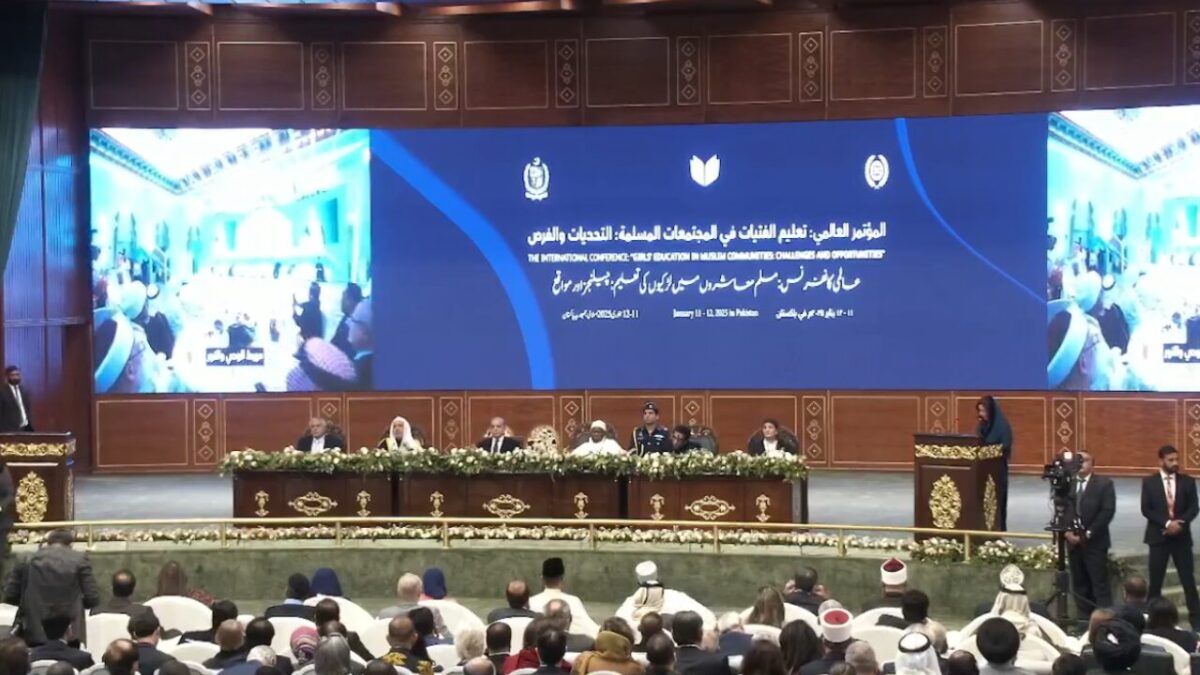
The Organization of Islamic Cooperation (OIC), hosted by Pakistan, has held a meeting titled “Education of Girls in Islamic Societies” for the two days in Islamabad. This meeting has brought different reactions due to the non-participation of the Taliban, even though they were invited.
Some former diplomats believe that Pakistan, considering its influence in this organization, is trying to use such meetings to put pressure on the Taliban and fulfill its demands. On the other hand, some human and women’s rights activists say that the Taliban have refused to participate in this meeting because they have no reason to defend their actions.
Malala Yousafzai, one of the speakers of this meeting, asked the participants to recognize the gender apartheid of the Taliban in Afghanistan. The Organization of Islamic Cooperation and the Union of Scholars of the Islamic World have emphasized in their statements that education for girls and boys is equally necessary and the conditions of education for girls in Islamic societies should be provided.
Pakistan has announced that the Taliban was invited to the meeting, but no representative attended the meeting. This meeting has provoked many reactions due to the discussion of Islamic countries about the education of girls, especially in the situation where the Taliban have banned the education of girls across Afghanistan.
Diplomats and political activists link the holding of this meeting by Pakistan and the absence of the Taliban to the recent tensions between Islamabad and the Taliban regime in Kabul. Zalamy Khalilzad, US former peace envoy for Afghanistan, also believes that Pakistan intends to embarrass the Taliban with this action.
Pakistan has a strong influence on OIC, likely the Taliban refused to participate.
Mohammad Ibrahim Ghafouri, the former representative of Afghanistan in the Organization of Islamic Cooperation, had said recently that Pakistan has a strong influence in the Organization of Islamic Cooperation and in this way wants to pressure the Taliban to comply with the demands of Islamabad.
According to him, most of the positions in the announcements and resolutions of this organization go back to the host countries. He emphasizes that after the escalation of tensions with the Taliban, Pakistan hosted the meeting of the Organization of Islamic Cooperation to put pressure on this group and to show that Islamabad has a special position and influence in international organizations and Islamic countries.
The former representative of Afghanistan in the Organization of Islamic Cooperation adds that this organization is traditionally aligned with Arab countries, including Saudi Arabia, and Pakistan also has a prominent role in this organization due to the support of Arab countries.
According to him, in this meeting, only Iran may defend the Taliban’s position on girls’ education, and other countries will react to the Taliban from Islamabad’s position. He also states that most of the decisions of these meetings are advisory and not mandatory.
In a tweet in X, Zalmi Khalilzad said that Pakistan should shame the Taliban leader who has imposed severe restrictions on women’s education by holding a meeting on the education of girls in Islamic societies. He also considered this meeting as a propaganda move in the framework of the recent tensions between the Taliban and Pakistan.
The Afghan women and girls say that Taliban ashamed to join OIC due to their anti-women actions and restrictions
However, a number of women and girls say that the Taliban could not participate in this meeting due to shame and lack of reason to continue their restrictions. According to them, not only Pakistan but any other Islamic country that hosts such a meeting, this group has nothing to say and no reason to defend its “misogynist” and “gender apartheid” practices.
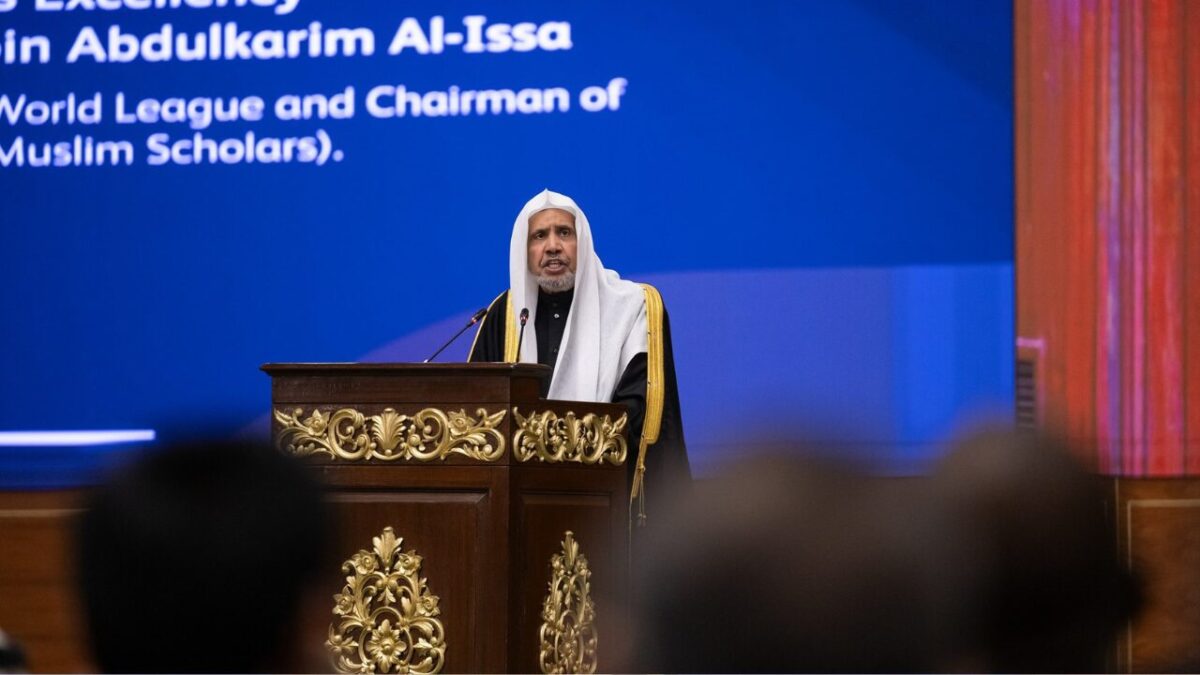
Mohammad Al-Issa, the Secretary General of the Muslim World League and President of the International Islamic Scholars Organization condemned the denial of education to girls as both unjust and contradictory to Islamic teachings.
An Afghan girl who doesn’t want to be named due to security reasons, said that the Taliban have done everything in their power to suppress and eliminate women under various guises for the past three years.
According to him, the Taliban know that they cannot defend their “misogynist” and gender “apartheid” practices against women in Afghanistan, even in Islamic organizations. Therefore, they prefer to remain silent because they have nothing to say and no reason to defend their actions.
Also, some human rights activists say that the message of the meeting of the Organization of Islamic Cooperation in Pakistan is intellectual disarmament and the rejection of the Taliban’s “Sharia fatwa” on the education of girls and women. According to them, this meeting has clearly described the performance of the Taliban in conflict with religious values.”
Shima Azizi, a human rights activist had recently said that the Taliban’s focus is to show that they have all the religious fatwas in their possession. According to her, the Taliban try to legitimize all their policies by referring to “Sharia” rulings and religious fatwas, and therefore, they have banned the education of women in Afghanistan by citing their “Sharia” fatwas.
She furthered that the participants of the meeting of the Organization of Islamic Cooperation called the prohibition of education and training of women a “great sin” citing Sharia rules. She says that the message of this meeting is to claim the monopoly of “Sharia” Fatwa from the Taliban.
She emphasized that if Taliban representatives participated in this meeting, the impact of the conference’s message in disarming this group’s intellectual weapons would increase. According to him, the presence of the Taliban in such a meeting meant their direct participation in the process of disarming themselves from the claim of issuing “Sharia” fatwas.
Malala Yousafiza, winner of the Nobel Peace Prize, called on Islamic world to identify the Taliban regime as the cause of “gender apartheid.”
On the other hand, Malala Yousafzai, winner of the Nobel Peace Prize, in her speech at this meeting, asked Islamic countries to identify the Taliban regime as the cause of gender apartheid.
He said that the Taliban cover their actions against women and girls with cultural and religious justifications. Referring to the Taliban’s decrees against women, Yousafzai asked the leaders of Islamic countries not to give legitimacy to the Taliban.
The winner of the Nobel Peace Prize has expressed his concern about the situation of women, and emphasized that the Taliban are destroying a whole generation of girls by implementing their anti-women policies. She asked Muslim scholars and leaders to prevent the systematic elimination of women and girls in Afghanistan.
Yousafzai said: “The mission of the Taliban is clear. They want to remove women and girls from every aspect of public life and erase them from society. The Taliban have created a system of gender apartheid.”
Hossein Ebrahim Taha, Secretary General of the Organization of Islamic Cooperation, said that this organization is committed to guaranteeing and promoting the education of girls in Islamic societies. He added that the Islamabad meeting under the title “Education of Girls in Islamic Societies: Challenges and Opportunities” was jointly organized by Pakistan and the World Muslim League.
The Secretary General of the Organization of Islamic Cooperation said that educated women are a valuable asset for Muslim societies and their participation in development pursuits is very important. He added that the decisions and resolutions of the Organization of Islamic Cooperation at the summit level as well as the ministerial meetings unanimously and without any ambiguity emphasized the importance of girls’ education and prioritized the formulation of sustainable policies and the allocation of sufficient funds.
Education in Islam, is the right of both (men and women)
At the same time, Muhammad bin Abdul Karim Eisa, Secretary General of the Islamic World Union, said on the first day of the meeting of the Organization of Islamic Cooperation on girls’ education, that some groups are hindering the education of girls by misusing the name of Islam.
According to him, such actions have no place in Islam, and efforts will be made to reject the considerations that hinder the education of girls in the name of Islam. He added that there are misconceptions in some Islamic societies, but Islamic scholars have gathered in this meeting to reject these beliefs and issue a joint statement.
He also stated that this statement emphasizes the necessity of women’s education for the progress of society and all scholars and Islamic schools agree on this. Moreover, the scholars of different religions agreed in this meeting that education is as necessary for women as for men.
Currently, Afghanistan is the only country in the world where girls and women are denied the right to education, study and work.
In the past three years, the Taliban have issued more than 80 prohibition orders against women and girls, which have excluded them from many aspects of social, cultural and economic life. Despite internal and external pressures, this group continues to impose restrictions and intensify the suppression of women’s demands.











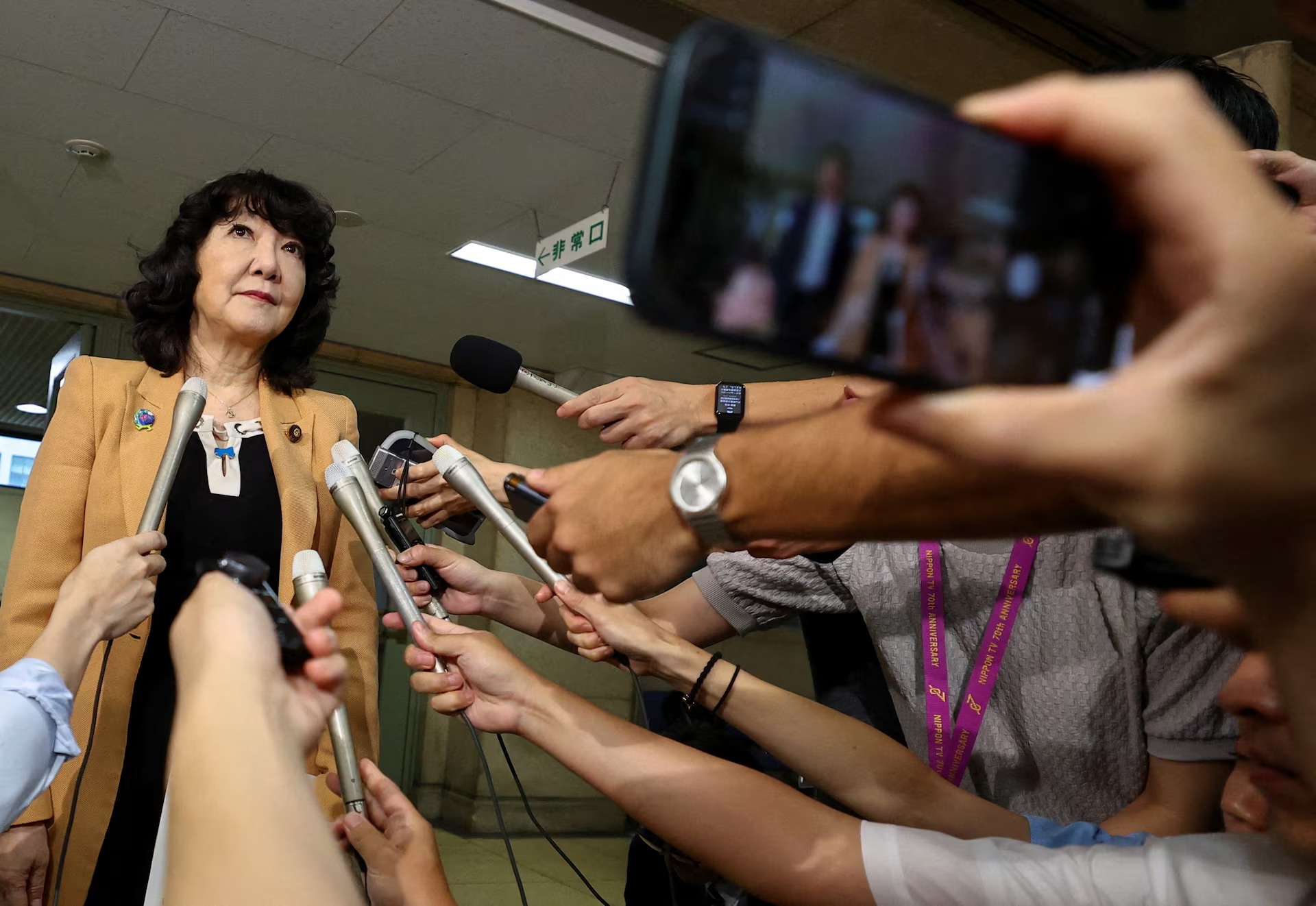
The Bank of Japan faces a critical policy showdown as US Treasury Secretary Scott Bessent declares that the era of massive stimulus is over.
When the US joined Japan’s efforts to support the yen, it did not do so unconditionally. This week, US Treasury Secretary Scott Bessent laid out the terms clearly: accelerate interest rate hikes and abandon outmoded ideas regarding massive economic stimulus.
A month after the rare joint intervention carried out by the US and Japan to bolster the yen, Bessent told Reuters that recent currency movements were not disorderly, signalling little appetite for fresh market intervention.
Instead, he expressed hope that Bank of Japan (BOJ) Governor Kazuo Ueda would “do the right thing” in monetary policy to combat the weak yen.
With inflationary pressures mounting, the BOJ was already widely expected to raise interest rates in September. However, Bessent’s remarks effectively boxed the central bank in, while increasing pressure for a faster pace of rate hikes going forward.
“The joint intervention in July was Bessent’s message to Japan that it now needs to get its act together on inflation,” said Izuru Kato, chief economist at Totan Research and a veteran BOJ watcher.
“Japan faces a currency crisis that is becoming increasingly difficult to control without US assistance. For a country in such a position, raising rates even once every three months may be too slow,” Kato said.
The weak yen has pushed up import prices and headline inflation, raising household living costs and creating a headache for Japanese policymakers.
From Washington’s perspective, a BOJ that moves too slowly on rate hikes, combined with loose fiscal policy, could trigger a sell-off in the yen and Japanese government bonds. This could disrupt financial markets with spillover effects reaching US Treasury yields—an outcome Washington wants to avoid.
Markets are focused on potential remarks by BOJ Governor Ueda following his participation in a two-day meeting of G20 finance leaders in Asheville, North Carolina, which concludes on Tuesday. A US Treasury official told Japanese public broadcaster NHK that Bessent met Ueda on Sunday and conveyed that interest rate hikes were necessary.
Even without US pressure, recent hawkish communication from the BOJ indicates it is preparing for a near-term rate hike in response to broadening inflation pressures.
“Given all the pressure coming from producer prices, consumer inflation is likely to accelerate. If that happens, the BOJ must act,” said a source familiar with the central bank’s thinking.
However, a September rate hike is already factored into market pricing. Consequently, the BOJ may need to commit to faster rate increases to alleviate downward pressure on the yen.
“Japan’s real interest rates are clearly too low. One or two more rate hikes will not be enough to reverse the yen’s downward trend,” said Naoyuki Shinohara, Japan’s former top currency diplomat.
Oxford Economics announced that it now expects the BOJ to raise rates in September and December this year, followed by a third hike in April 2027—a faster tightening cycle than the firm initially projected.
“The economic and political cost of disappointing the markets and the US has become too great for the BOJ and the government to ignore,” Shigeto Nagai, head of Japan economics at Oxford Economics, said in a report published on Monday.
For dovish Prime Minister Sanae Takaichi, the starkest message may be Bessent’s declaration that the era of Abenomics is over. Introduced in 2013 to end prolonged deflation, Abenomics combined sweeping monetary easing, heavy government spending, and a structural growth strategy.
Speaking to Reuters on the country’s fiscal policy, Bessent said Japan had defeated deflation and should now “sit back and enjoy the success of Abenomics and let it run its course.” Some analysts interpreted these remarks as a critique of Takaichi’s expansionary fiscal approach.
“This is a message to the Takaichi administration to avoid excessively loose fiscal policy,” a Japanese government official said regarding Bessent’s comments.
A senior ruling party official said: “These remarks show that the US is stepping up its demands on Japan’s policies.”
Both officials spoke on condition of anonymity due to the sensitivity of the matter.
Takaichi, an advocate of Abenomics, has laid out an ambitious spending agenda aimed at boosting investment in growth areas and easing the impact of rising living costs on households.
Following Takaichi’s pledge to remove spending caps in key growth areas, Japanese media reported that ministries and public agencies likely submitted their highest-ever initial budget requests for the upcoming fiscal year.
The focus on large-scale spending has unnerved investors, driving Japanese government bond yields to 30-year highs, which could also generate knock-on effects for US Treasury yields.
“The best way to support the yen would be for the Takaichi administration to deliver a credible message committing to fiscal reform,” said Shinohara, who also served as deputy managing director at the International Monetary Fund (IMF) following his tenure at the Ministry of Finance.
“However, the likelihood of that happening is extremely low,” Shinohara added.
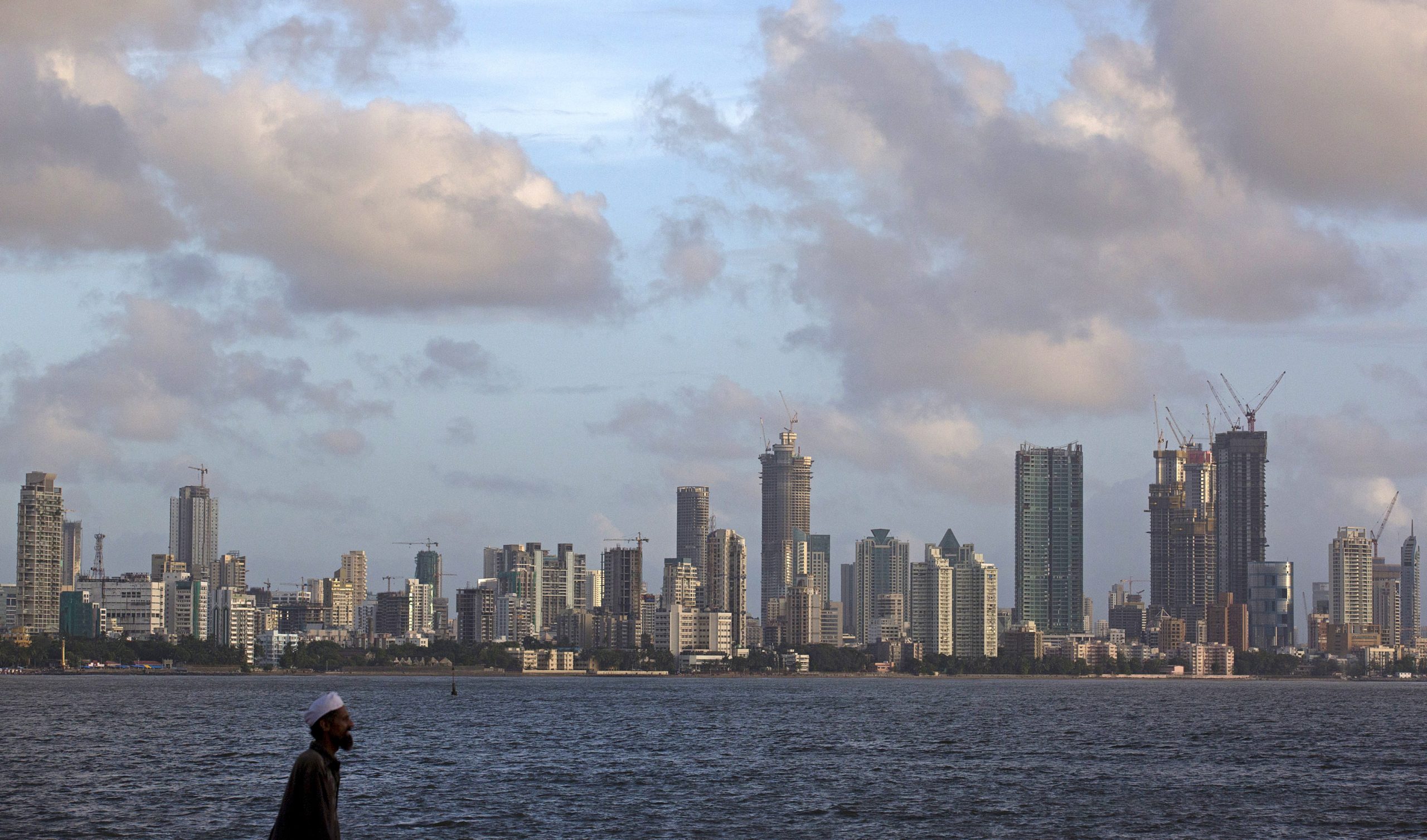
The Indian economy expanded by more than 7% in the previous quarter, but according to an analysis by Bloomberg, this pace may prove insufficient to realise Prime Minister Narendra Modi’s target of transforming the country into a developed nation by 2047.
Modi aims for India to attain developed economy status by 2047, which marks the centenary of the country’s independence from Britain.
Ashok Lahiri, a representative of a state-backed think tank, argues that gross domestic product (GDP) must expand by approximately 9.25% annually over the next 21 years to achieve this objective.
The programme, titled “Viksit Bharat” or “Developed India”, has become one of the foremost priorities of Modi’s third term as prime minister.
However, some economists express doubt over whether India can reach this target at its current pace of expansion.
Historical growth rates lag behind targets
Economic growth averaged 6.3% between 2000 and 2024. This figure sits well below the country’s current potential rate of 7.5% to 8%.
The report noted that over the past 50 years, the Indian economy recorded growth of 9.25% or higher on only three occasions: in 1975, 1988, and 2021.
Should the Indian economy grow at a rate below 8% annually, it is assessed that the country could slip into what is known as the “middle-income trap”.
This concept describes an economic condition in which rising wages and costs erode the advantage of cheap labour, whilst worker productivity and skill levels have not yet risen enough to compete successfully with developed economies.
The report also noted that attaining high-income country status remains a distant prospect. As of 2025, per capita income in the country stands at $2,813.
For India to cross the high-income threshold by 2047, this figure must increase more than sixfold to reach approximately $18,000.
Targets missed across industry and investment
Economists state that the manufacturing industry must be expanded to accelerate India’s growth.
The Modi administration is also placing emphasis on this sector, yet its share of GDP has remained at roughly 16% to 17% for more than a decade. This proportion falls significantly short of the 25% target set by Modi.
Economists further emphasize that expanding high-tech exports, lifting private sector investment, and curbing reliance on energy imports could accelerate economic growth.
It is also noted that the country needs to draw more foreign investment into manufacturing. Despite record levels of foreign direct investment, India is reportedly struggling to retain this capital domestically.
Indian companies are progressively stepping up their investments abroad, whilst foreign investors are scaling back funding for local ventures.
A high domestic savings rate is likewise critical for India’s economic growth.
Savings allow the construction of factories and infrastructure to be financed without excessive reliance on costly borrowing and foreign capital. However, the capacity of Indian households to save remains constrained by relatively low income levels.
According to a 2021 report by NITI Aayog, approximately 87 million people in India aged between 15 and 29 are neither employed nor in education or vocational training.
Owing to a shortage of employment opportunities, roughly 60% of the working population is self-employed, with the bulk of this cohort engaged in the low-income agricultural sector.
Shumita Deveshwar, Chief Economist at GlobalDataTS Lombard, noted that without a rise in private sector investment and an acceleration in job creation, India will struggle to maintain GDP growth above 6%, let alone reach the pace of over 8% required to achieve developed economy status.
The country’s administration plans to undertake record borrowing of 17.2 trillion rupees (approximately $187 billion) during the fiscal year starting 1 April. This sum represents an 18% increase compared with the current year and surpasses Bloomberg’s previous forecast of 16.5 trillion rupees.
The government projects that the ratio of the fiscal deficit to GDP, which stands at 4.4% in the current period, will decline to 4.3% in the next fiscal year.
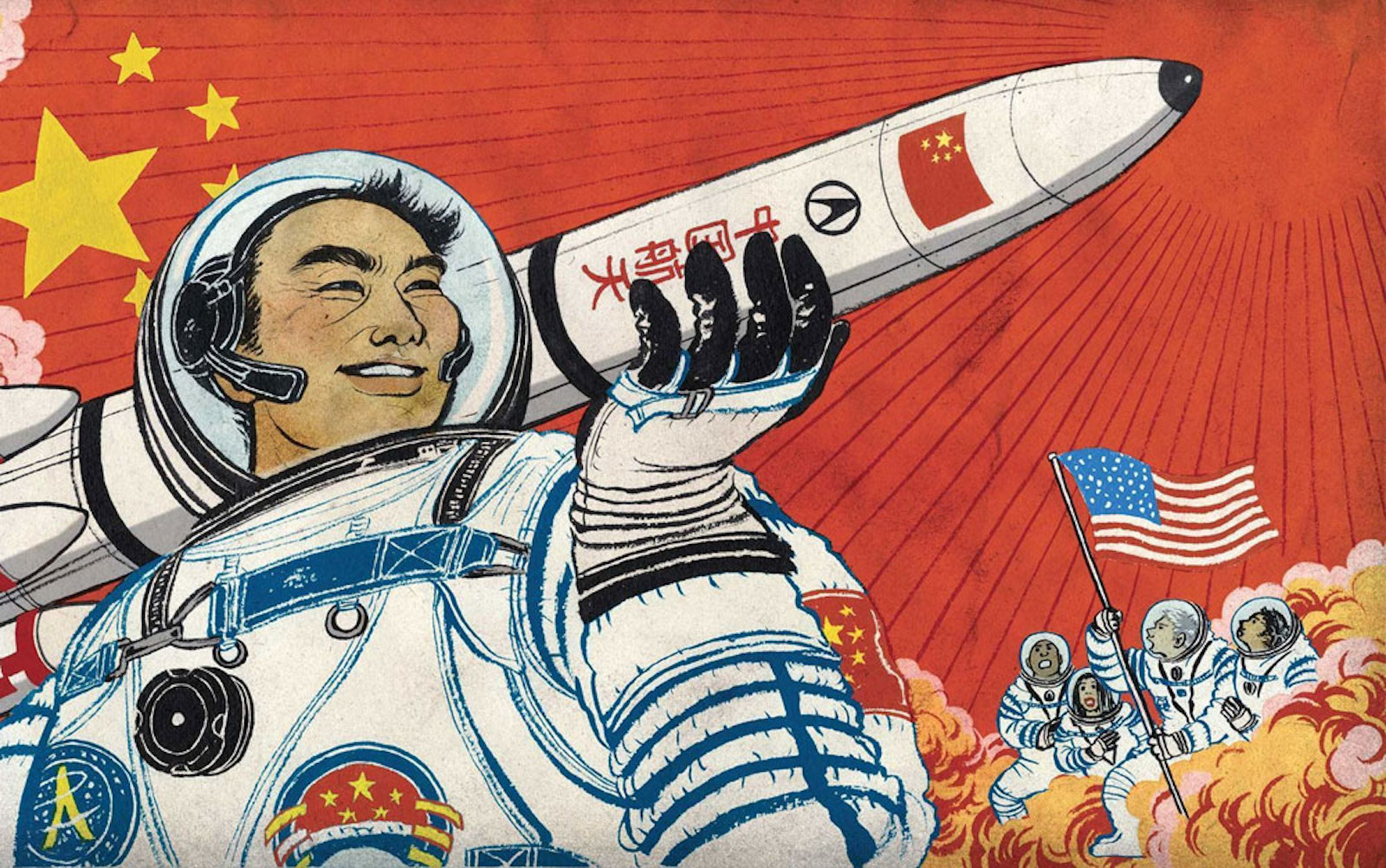
Russia and China are progressively narrowing the space gap with the US, according to an assessment by The Washington Post (WP). The newspaper reported that the technological superiority of the US in this domain is beginning to erode, noting that fresh advancements achieved by Moscow and Beijing could create risks for Washington.
The newspaper pointed to China’s recent progress as an example of this trend. In August, a Chinese aerospace company successfully landed a rocket’s first stage on Earth for the first time.
Previously, only US-based companies SpaceX and Blue Origin possessed this technology. The ability to reuse rocket stages significantly reduces launch costs.
The WP also drew attention to Russia’s Rassvet satellite system, which is planned to deliver internet connectivity from space.
The newspaper noted that this system could be utilised by the Russian military. According to the assessment in the report, the Rassvet system could provide Russia with capabilities comparable to those offered by SpaceX’s Starlink satellite network.
According to the newspaper, among the primary challenges facing the US are ageing launch pads and other space infrastructure. Modernising this infrastructure requires securing additional funding from the US Congress.
The WP further emphasised the necessity of streamlining commercial launch licensing procedures, which currently can take an extended period.
Observing that the US maintains its superiority for now thanks to a robust private space sector, the newspaper stated that Washington must increase launch frequency and invest in infrastructure renewals to preserve its leadership.
According to a May 2025 report by The Times, the US has begun sharing certain data on Russian and Chinese space operations with Britain and other members of the “Five Eyes” intelligence alliance.
This measure was taken in line with Washington’s concerns over Beijing’s advances in military space capabilities. In this context, allies were granted access to intelligence from Space Delta 9, the US Space Force unit that tracks Russian and Chinese satellites.
Russia and China, meanwhile, continue to pursue joint space projects. Russian President Vladimir Putin stated in April 2025 that Moscow and Beijing have “grand” and “magnificent” plans in this field.
In 2024, Russia ratified an agreement with China regarding the International Lunar Research Station, which is planned to be established on the lunar surface or in lunar orbit.
Former NASA Administrator Jim Bridenstine called on Russia, the US, and China in October 2025 to cooperate in space. Stating that the interests and activities of nations could intersect in space, Bridenstine said the parties could not operate alone.
Bridenstine also recalled that space cooperation between Moscow and Washington had commenced during the Cold War.

The caption and the guest list: What the West’s SCO coverage cannot explain about Türkiye

US expands military footprint in Somalia with new Bosaso base

Milei hardens Falklands stance with oil sanctions and defence push

Pope Francis accused Opus Dei of mafia tactics over Spanish shrine

US House passes bill to strip federal aid over Israel boycotts
-
 Diplomacy2 weeks ago
US strikes fail to break Iran as regional anchors rise, Dr. Moeini says
-

 Diplomacy2 weeks ago
Blackwater founder Erik Prince creates air defence venture with Kyiv
-

 Europe2 weeks ago
UK and Russia edge closer to conflict over long-range drone supply
-

 Europe2 weeks ago
Europe builds drone defence walls along eastern flank against UAVs
-

 Diplomacy2 weeks ago
South Korea begins first commercial voyage via Northern Sea Route
-

 Opinion2 weeks ago
What did the Israeli attack in Syria reveal?
-

 Asia2 weeks ago
China and Arab states launch 5-year anti-desertification plan
-

 America1 week ago
Pentagon to fully purge Anthropic AI from systems by end of September
