
Europe
US intensifies pressure on Germany over pharmaceutical pricing policies

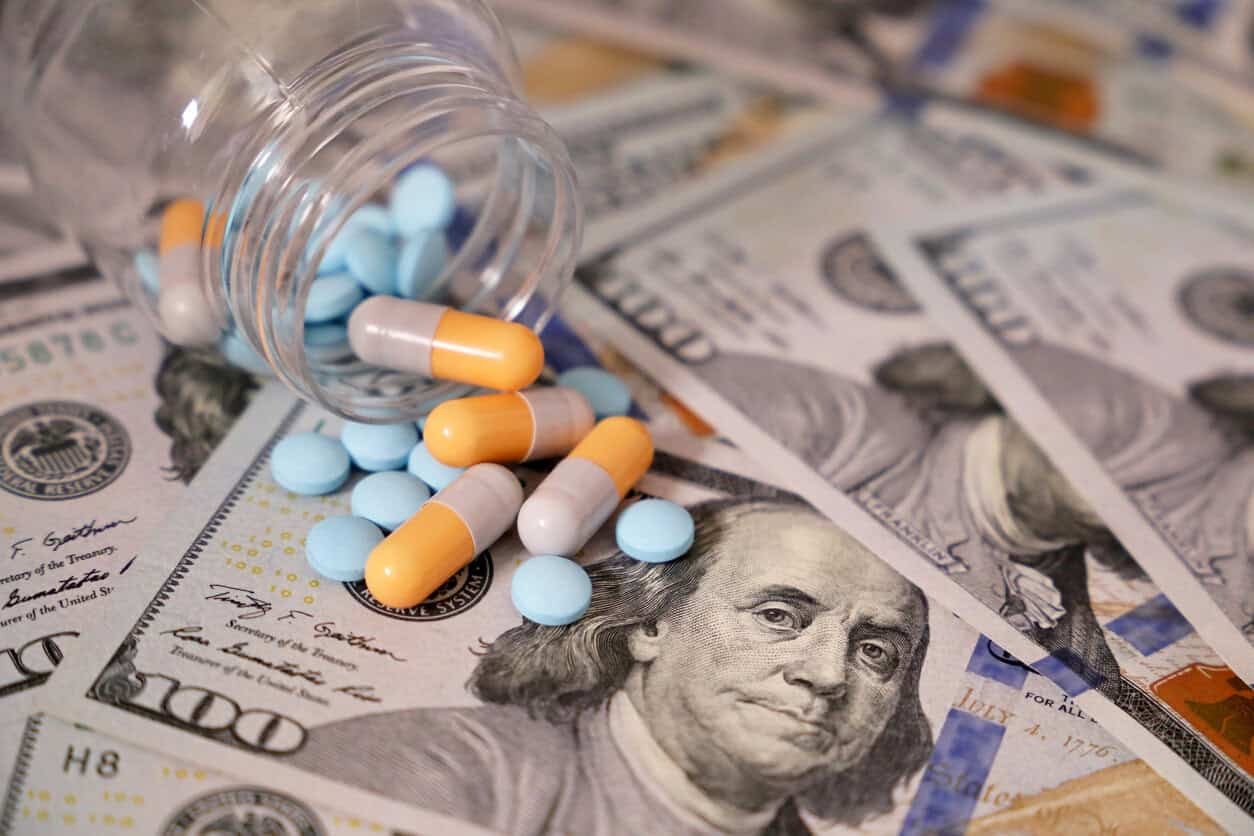
The Trump administration is continuing to press the German government to raise pharmaceutical prices in Germany.
According to German Foreign Policy, Washington argues that the pharmaceutical industry’s research and development investments are financed primarily through the US market.
The White House contends that other countries continue to benefit from medical innovation despite contributing little to its cost.
President Donald Trump has accused Germany and other countries of “global freeloading.” On June 18, the United States launched a Section 301 investigation against Germany, citing the country’s “persistent underpayment for innovative medicines” in an effort to improve profit conditions for the pharmaceutical industry operating there.
German Chancellor Friedrich Merz rejected the demand, although the Economy Ministry said it remains open to negotiations.
Boehringer Ingelheim and Merck have already made concessions by offering selected medicines at lower prices through the new TrumpRX platform.
At the same time, together with companies including Bayer, they are pressing for higher drug prices across EU countries, warning that they could otherwise delay or withhold the launch of new medicines in Europe in order to prevent international price comparisons.
Trump accuses Germany and the EU of “freeloading”
The United States has the highest pharmaceutical prices in the world, followed by Switzerland, Germany and Canada.
The Trump administration says it intends to change that. Claiming to have identified “global freeloading,” the White House blames what it describes as “socialist healthcare systems” in Germany and across the European Union.
In May 2025, Trump signed an executive order stating that the United States would henceforth use the lowest price charged for a medicine in any industrialized country as the benchmark for its domestic pharmaceutical market.
The order states that the objective of US trade policy is “to support manufacturers in raising prices abroad while using the resulting additional revenue to reduce prices directly for American patients and taxpayers.”
The White House embraces pharmaceutical industry arguments
The previous administration frequently clashed with the pharmaceutical industry. After reducing the prices of 10 widely used medicines in 2024, then-President Joe Biden declared, “We beat Big Pharma.”
The issue has taken a different direction under the Trump administration. In contrast to Democrats, Republicans have broadly accepted high drug prices as justified.
The administration has embraced the pharmaceutical industry’s argument that elevated prices are necessary to finance research spending.
The report argues that this claim conflicts with the fact that companies such as AstraZeneca and Bayer have been reducing their own laboratory operations while increasingly acquiring promising biotechnology startups.
It also argues that the administration overlooks the industry’s practice of grouping substantial marketing expenditures under the category of “development.”
Confrontation with Germany, compromise with Britain
In line with Trump’s May 2025 executive order, US Trade Representative Jamieson Greer spent months attempting to persuade the German government to reallocate healthcare resources in favor of the pharmaceutical industry.
Those negotiations failed. As a result, in mid-June Greer initiated Section 301 proceedings against Germany over what he described as “persistent underpayment for innovative medicines.”
Greer also openly criticized Germany’s proposed Health Insurance Contribution Stability Act, saying he was “particularly concerned by reports that Germany will rapidly enact legislation that would further reduce spending on innovative medicines.”
The United States has already reached an agreement with the United Kingdom. To avoid the threat of higher tariffs on British pharmaceutical exports, London agreed, among other measures, to pay higher prices for newly launched medicines.
According to an analysis published in the British Medical Journal, the agreement will cost the National Health Service (NHS) approximately 51.5 billion euros by 2036.
The study’s authors argue that the required reallocation of resources will create major gaps in healthcare provision and could result in as many as 229,000 additional deaths.
Berlin stands firm: “Drug pricing is our domestic affair”
The German government has firmly rejected Washington’s claims as unfounded.
Chancellor Friedrich Merz and Health Minister Nina Warken pointed to the EU-US trade agreement, which includes a 15% tariff on pharmaceutical imports.
Merz described pharmaceutical price regulation in Germany as “entirely a domestic matter,” while Warken rejected any concessions, saying there was “very little room for maneuver.”
Only the Federal Ministry for Economic Affairs indicated a willingness to negotiate. A ministry spokesperson said Berlin would seek dialogue with the United States on the issue.
On Tuesday, representatives from the Health Ministry and the Federal Chancellery met with European Commission Director-General for Trade Ditte Juul Jørgensen to discuss a common strategy.
German pharmaceutical companies yield to Trump
In July 2025, Trump sent letters to 17 pharmaceutical companies demanding that they reduce US prescription drug prices to the lowest level charged in any other developed country.
Two German drugmakers, Boehringer Ingelheim and Merck, received the letters, which called on them to apply “most-favored nation” pricing in the United States.
Both companies agreed.
Boehringer Ingelheim said, “We will continue to work constructively with governments, regulators and patient organizations to ensure patients have access to affordable medicines while making sure life-saving medical innovation remains possible.”
The company now offers three medicines at substantially discounted prices through the TrumpRX platform.
Merck also lists three medicines on the platform and has agreed to expand domestic production of fertility treatments in the future.
“Through our collaboration with President Trump and his administration, more families in the United States will now have access to innovative fertility treatments and, we hope, realize their dream of having children,” Merck Chief Executive Danny Bar-Zohar said.
Bayer backed Trump’s election campaign
Other pharmaceutical manufacturers, including Bayer, are also seeking a “proactive” agreement with the administration out of concern that they could otherwise face stricter cost-cutting measures.
The Leverkusen-based company has not criticized Trump’s policies. It donated $122,000 to his election campaign, sponsored his inauguration and now supports his criticism of Berlin and Brussels.
Chief Executive Bill Anderson said in an interview:
“Yes, I understand the US government’s frustration with European pharmaceutical policy. Every European government wants to create jobs in the pharmaceutical and biotechnology sectors. But when it comes to pricing innovative medicines, they are willing to pay only a fraction of what the United States pays. That is unacceptable.”
Stefan Oelrich, a member of Bayer’s Pharmaceuticals Executive Committee, also argued that “prices for new products in Europe must increase.”
Oelrich said he personally conveyed that position to EU Health Commissioner Olivér Várhelyi during the commissioner’s visit to Bayer’s Berlin office in June.
According to the EU Transparency Register, Bayer lobbyists and members of Várhelyi’s cabinet have held numerous meetings, suggesting the issue has remained high on the agenda.
The Leverkusen-based company also joined other pharmaceutical manufacturers in sending a letter on the matter to the European Commission.
Major pharmaceutical companies pressure the EU
Seeking additional leverage, major drugmakers argue that fewer medicines are being submitted for approval in EU countries because manufacturers want to avoid creating price benchmarks that could be used by the US government.
“These are not empty threats; this is already happening. Europe is on a path where, in the end, almost no new medicines will be approved,” said Matthias Berninger, Bayer’s chief public affairs officer.
The German Association of Research-Based Pharmaceutical Companies (VFA), founded by Bayer, previously used the same argument in its campaign against the Health Insurance Stability Act.
In a full-page newspaper advertisement, the lobbying group urged lawmakers not to undermine pharmaceutical industry profits in order to safeguard medicine supplies.
“Members of the Bundestag, you will decide whether tomorrow’s medicines reach Germany,” the advertisement stated.
The report argues, however, that the legislation places virtually no burden on the pharmaceutical industry while preserving favorable business conditions for the sector.
“Spending on pharmaceuticals is expected to continue increasing,” the advertisement added.
Since the US Supreme Court ruled that the Trump administration’s tariff increases were unlawful, the administration has based much of its aggressive trade strategy on Section 301 proceedings such as the case against Germany.
The legal basis for those proceedings is a provision of the US Trade Act of 1974. In the case against Germany, Berlin has until Aug. 10 to submit its response, while a public hearing is scheduled for Sept. 22.







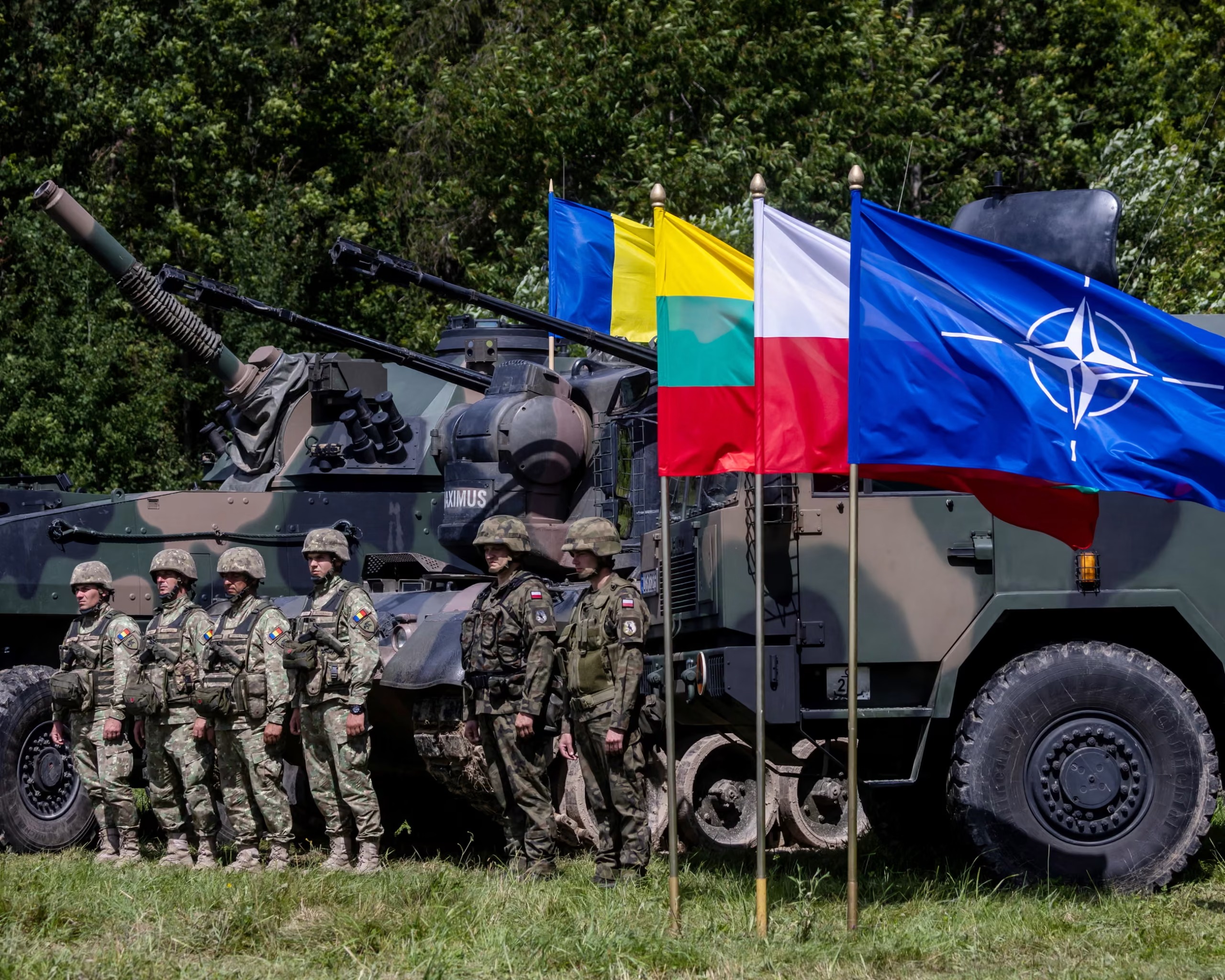
The intelligence services of the three Baltic states, Sweden, and the Czech Republic hold differing assessments regarding a potential Russian attack.
These warnings followed statements to parliament by Polish Prime Minister Donald Tusk, who said intelligence assessments indicated that Russia could mount an attack against NATO territory with drones or missiles in the coming months as part of efforts to prove that “Article 5 is theoretical rather than practical.”
French President Emmanuel Macron also described Tusk’s warnings as “logical and well documented,” and summoned party leaders and 2027 presidential candidates to an urgent meeting in Paris on Friday.
Among other topics, the meeting addressed intelligence information concerning the growing threat from Russia.
In separate interviews with The Guardian newspaper, three European intelligence officials shared their views on the potential threat that could emanate from Moscow.
Michal Koudelka, head of the Czech Republic’s BIS security service, suggested that alongside increased drone activity, a small-scale incursion into NATO territory bordering Russia could also form part of the Kremlin’s plans.
“This is possible. It could involve a limited attack, false-flag provocations, or a large-scale influence campaign,” Koudelka said in a rare interview at the agency’s headquarters in Prague.
Stating that this scenario could unfold in “months, not years,” Koudelka added that “many people are doing their utmost to ensure it does not happen.”
Officials in the three Baltic countries bordering Russian territory, however, are acting more cautiously regarding the prospect of an invasion or another serious escalation.
They cite the strain on Moscow’s resources in Ukraine and warn that exaggerating the likelihood of an attack could play into the Kremlin’s hands.
Normunds Mežviets, director general of the Latvian State Security Service (VDD), said in an interview at the agency’s headquarters in Riga: “We see no indications that an attack is imminent.”
While Mežviets acknowledged signs that Moscow is preparing to take more decisive steps in Europe, he stated that it remains unclear whether these plans are merely part of a destabilisation strategy:
“Whether they have direct and concrete plans, or whether this is simply part of their general efforts to spread fear and uncertainty in Western society, remains an open question.”
Having criticised Western Europe for years for being soft on Russia, Baltic politicians now find themselves in a curious position: fearing that talk of an imminent invasion could harm their societies and economies, they are telling certain Western leaders to remain calm in their public messaging.
On Saturday, Jonatan Vseviov, secretary general of the Estonian Ministry of Foreign Affairs, condemned the recent “social media panic” regarding a potential attack, writing on X:
“If there is reason to fear an attack, rest assured: we will state it clearly. Until then, stay calm, carry on with your lives, and support Ukraine.”
Mežviets said that, overall, Western Europe waking up to the threat from Russia is a positive development:
“Before 2022, we constantly warned our Western European partners about the threat from Russia, but our voices were largely ignored. In 2022, our partners’ approach changed. They said the Baltics and the Poles had been proven right.”
Neither Mežviets nor Koudelka wished to discuss what concrete intelligence might have been obtained regarding Russia’s alleged plans for the coming months.
Nor did they comment on whether a surprise visit to Moscow last month by CIA Director John Ratcliffe: during which he also stopped in Riga: was undertaken partly to warn the Kremlin about the dangers of attacking NATO.
Following that visit, Kremlin spokesman Dmitry Peskov denied rumours that Russia would attack NATO, saying: “This has nothing to do with reality, and it has nothing to do with the intentions of the Russian Federation.”
Koudelka argued that Russia’s current tactic is to “escalate to de-escalate,” stating that the Kremlin is probing vulnerabilities in Western societies to diminish their support for Ukraine’s war effort.
“They believe that if they escalate enough, European countries will decide not to support Ukraine,” Koudelka said.
Thomas Nilsson, head of the Swedish Military Intelligence and Security Service, said in an interview on the margins of a conference held in Riga: “I have seen no signs of serious consideration in Moscow regarding genuine negotiations. In my assessment, they still believe they can achieve their strategic objectives; therefore, they are merely engaging in negotiation theatre.”
All three intelligence chiefs stated that, whatever else happens, Russia’s sabotage campaign in Europe is likely to intensify in the coming months.
Nilsson described the recent armed drone incident at Leipzig airport, which German authorities attributed to Russian intelligence, as a “game-changer”:
“Sending an armed drone into a busy airport in the heart of Europe… If attacks involve the potential loss of life or the disruption of critical infrastructure with immense consequences for society, I believe that is a game-changer.”
Mežviets noted that Russia has shifted from random acts of sabotage and arson aimed at inducing panic toward specific targets connected to Western support for Ukraine. “We see them trying to target railway infrastructure and infrastructure providing support to Ukraine. We currently observe a shift toward defence industry targets,” he said. “If you do that, the psychological operations effect is already achieved; thus you accomplish both at once,” he added.
Nilsson stated that several objectives lie behind the recent intensification of Russian sabotage activities: reducing support for Ukraine, creating divisions within NATO, and unsettling European populations.
“In my view, Moscow would like nothing more than for NATO to engage in endless discussions about Article 4 consultations while taking no concrete steps,” the Swedish official said.
Koudelka noted that another effect of the sabotage campaign is that it strains the resources of intelligence services, as suspicions frequently linger even when incidents stem from other causes.
“Now, every fire or every malfunction must be investigated by intelligence services as a potential terrorist attack, and that is a good outcome for them,” the intelligence chief said.
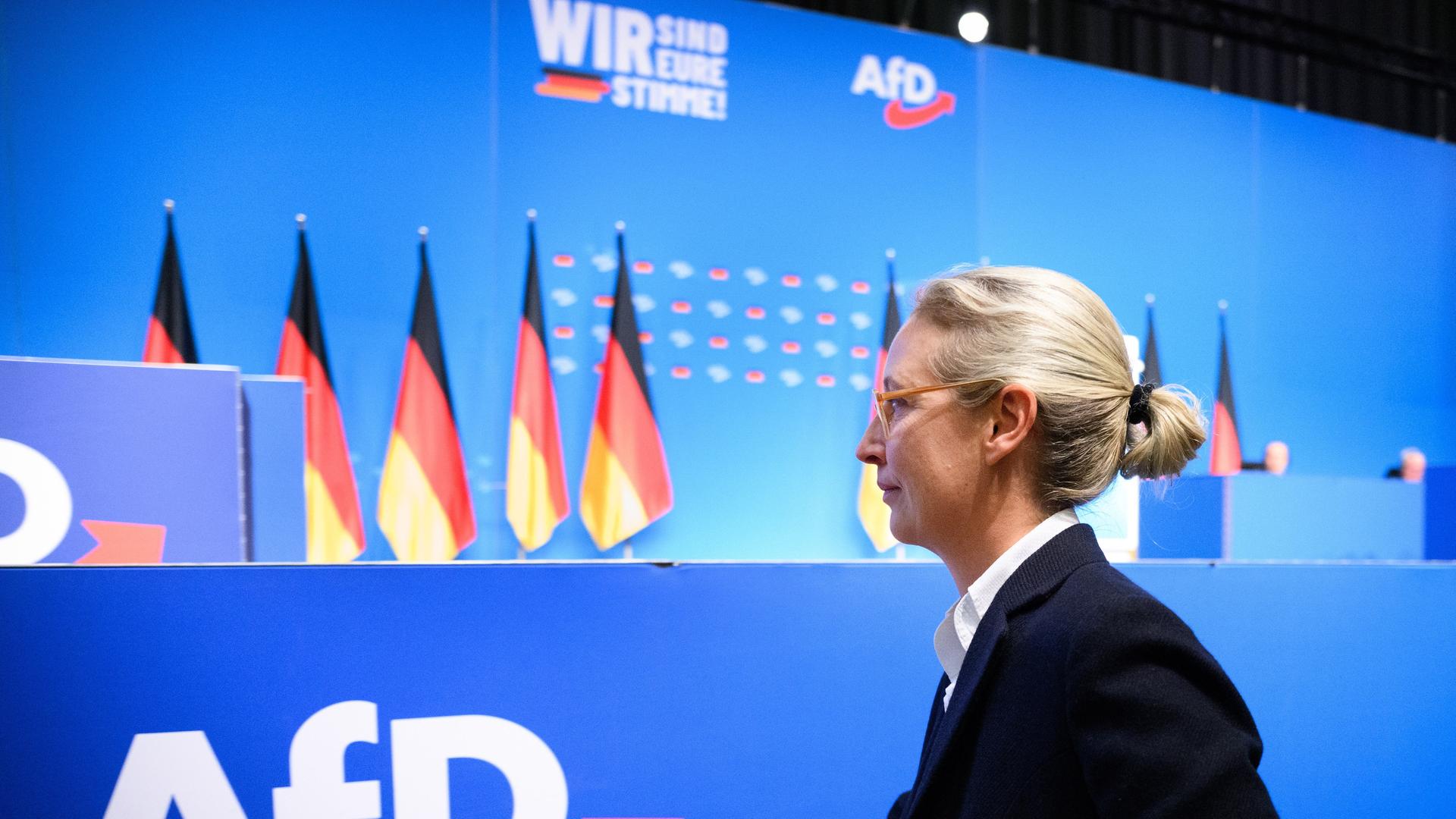
Although two entirely different parties emerged victorious in two elections held in Germany at the weekend, the common denominator was that Alternative for Germany (AfD) eroded the Christian Democrats (CDU).
In the Mecklenburg-Western Pomerania election in particular, the surprise was not that the AfD finished as the leading party with 38.2%, but that the CDU fell below the electoral threshold for the first time in the history of the Federal Republic.
In the Berlin election, when compared with the 2023 vote, the AfD drew most of its support from non-voters (65,000) and CDU voters (56,000).
Following the elections in Mecklenburg-Western Pomerania and Berlin, AfD co-leader Alice Weidel reiterated her forecast that the CDU will not win any federal elections in the future.
According to Weidel, voters are no longer “swallowing the platform of an obsolete people’s party.”
Noting that the AfD did not find it regrettable that the Christian Democrats would no longer be represented in the Schwerin state parliament, Weidel cited as the reason that “the CDU had already rejected all forms of cooperation.”
Speaking of “excellent results” at a federal press conference held after the elections, Weidel argued that it was becoming increasingly clear that the AfD would replace the CDU as a people’s party (Volkspartei).
She remarked that the CDU’s “foolish firewall policy” was responsible for the strong performance of the Left Party in Berlin, thereby enabling red-red-green (Left-Greens-SPD) coalition majorities.
Weidel offered “talks” to Federal Chancellor Friedrich Merz and stated that the AfD was prepared to end the “stagnation” in the state.
Calling on Merz to ensure that the CDU/CSU drew lessons from the election results, Weidel said, “If the CDU barely clears the 5% threshold in Mecklenburg-Western Pomerania and receives very weak results, then the Chancellor must draw the consequences.”
Criticising the government, the AfD leader also said that major reforms had “only been announced” for a year and a half, adding, “One should not just announce them; one must actually implement them.”
Meanwhile, despite the AfD’s electoral victory in Mecklenburg-Western Pomerania, where it outstripped the SPD, the AfD’s lead candidate Leif-Erik Holm is “not very hopeful” about being able to form a government.
Holm said they would offer talks to all other parties in the state parliament, but that he did not expect to come to power on his own.
Announcing that the AfD would nevertheless lay claim to the state parliamentary presidency because the party holds approximately 45% of the seats in the legislature, Holm also indicated that a Covid-19 investigative committee would be established.
Speaking to NDR Info, the AfD politician said, “I believe we could come to power. However, at present, it does not look as though that will be the case.”
Holm noted that it currently appeared as though a red-red-green majority would emerge, adding, “This is certainly not a good direction for our country to take.”
Holm reaffirmed his party’s claim to power. Stating that the electorate had handed this mandate to the AfD by a large majority, he said, “For this reason, we expect from the other parties that we are able to engage in dialogue with one another.”
Indicating that he wanted to conduct these talks alongside the AfD’s lead candidate Enrico Schult, Holm was defeated by Minister-President Manuela Schwesig (SPD) in the direct mandate race in Schwerin and will not enter the state parliament.
In the event that the AfD fails to join a coalition as expected, Holm plans to remain a member of the Bundestag.
Kristin Brinker, the AfD’s lead candidate in Berlin, said that the “firewall” was no longer between the Berlin CDU and the AfD, but within the CDU itself, asserting that the AfD was “the only party winning support from the conservative wing.”
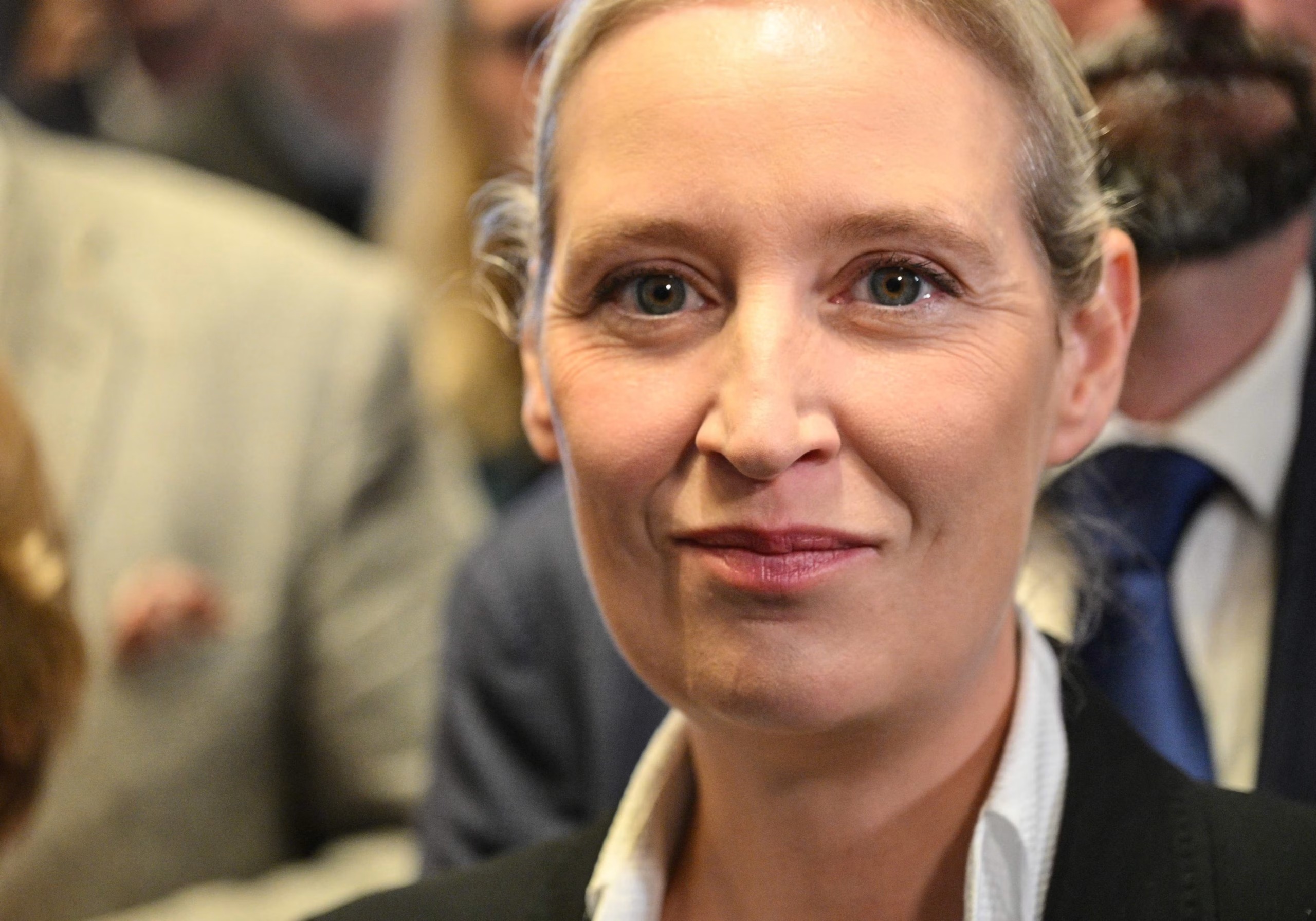
Alternative for Germany (AfD) leader Alice Weidel has claimed that Die Linke (the Left Party) will “shoot the rich and expropriate capitalists”.
Appearing live on ZDF television on Sunday, when elections were held in Berlin and Mecklenburg-Western Pomerania, the AfD leader spoke about the Berlin vote.
Weidel argued that the Left Party had become the strongest element in Berlin “because of the CDU’s ‘firewall’ policy”.
Weidel then asserted that the Left Party wanted “to expropriate, to shoot the rich, to pressure capitalists through rent caps; in other words, to implement elements of planned socialism”.
ZDF presenter Shakuntala Banerjee appeared taken aback and, stating that this claim needed to be “verified”, asked: “‘Wants to shoot the rich’?”
In fact, Weidel appears to be pointing to the words of Berlin member Sandra L. at an event organised by the Left Party in 2020. At the time, a video containing her remarks circulated online.
The incident occurred at a party strategy conference held in Kassel. While the debate was actually on energy policy, the Left Party member said: “The energy transition is necessary even after the revolution. And even if we shoot the top 1% of the rich, we will still want to heat our homes.”
The Left Party’s then co-chair Bernd Riexinger, who was present at the time, made a joke about forced labour and replied: “I just wanted to add: we won’t shoot them; we will make them do useful work.”
Sandra L. later retracted her words in a statement to dpa, saying: “This completely contradicts my political views; I am disgusted by violence against people.”
Riexinger also later expressed regret for not rejecting the comment “immediately and categorically”.
No election manifesto of the Left Party contains a call for the “execution” of the rich or the super-rich. The party states that it is committed to the rule of law and the “free democratic basic order”.

Palestinian factions confront legitimacy crisis at Istanbul talks

The strait changes hands: How the Red Sea design collapsed into Iran’s favour

Sharaa says 7 October must not shape Israel policy on Syria

European intelligence chiefs divide over risk of Russian attack

AfD weakens CDU across state elections as Weidel offers Merz talks
-
 America1 week ago
Milanovic declares global neoliberalism dead, warns of plutocracy
-

 America2 weeks ago
Over half of Latino voters back Democrats in key US House races
-

 Asia2 weeks ago
Iran and China run secret barter network to bypass oil sanctions
-

 America2 weeks ago
Trump energy shares rose by up to $4.4m during Iran war, CNBC reports
-

 America1 week ago
Five minutes to doomsday – 4: American capitalism at the frontiers
-

 Asia1 week ago
DeepSeek engineer warns AI will lead to communism or Cyberpunk
-

 America1 week ago
Big Tech profits from AI extinction hype, Ken Klippenstein says
-

 America2 weeks ago
Researcher quits Anthropic and warns AI firms gamble with lives
