
Middle East
HTS declares Kurdish neighborhoods in Aleppo military zones as civilian death toll rises

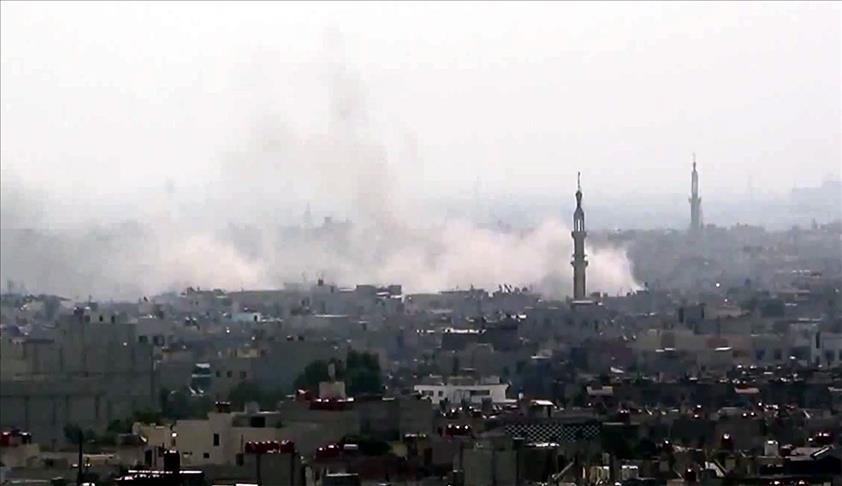
The Operations Room, composed of groups under the command of Hayat Tahrir al-Sham (HTS) in Syria, declared the Kurdish-majority neighborhoods of Sheikh Maqsoud and Ashrafieh in Aleppo as “closed military zones” yesterday.
Authorities ordered the closure of all entry and exit points to the area, though they announced that two humanitarian corridors—via the Avariz Crossing and Zuhur Street—would remain temporarily open to allow for the evacuation of civilians.
Tensions in the region escalated sharply after HTS-affiliated forces launched military operations within and around these densely populated neighborhoods.
The Operations Room warned residents to stay away from positions held by the Syrian Democratic Forces (SDF), declaring that all SDF outposts within the neighborhoods would be considered “legitimate military targets.”
Civilian casualties mount: Death toll surpasses 40
As the intensity of the clashes grows, reports regarding civilian casualties continue to emerge.
The Syria Justice Archive announced that at least 43 civilians have lost their lives in the region since Tuesday.
According to unofficial data from local sources, at least nine people, including women and children, were killed in the last 24 hours alone, with dozens more sustained injuries.
Schools and public institutions in the Sheikh Maqsoud and Ashrafieh neighborhoods have remained closed for two days due to the ongoing hostilities between HTS-affiliated forces and SDF units.
Evacuations have accelerated as the humanitarian situation in the area deteriorates. Sources speaking to Kurdistan24 reported that Syria Civil Defense (White Helmets) teams had evacuated 850 civilians from the two neighborhoods by Wednesday afternoon. These evacuations are being conducted through designated assembly points in the Avariz area and Zuhur Street.
Parties trade accusations
The General Council of Sheikh Maqsoud and Ashrafieh accused HTS-affiliated groups of indiscriminately shelling civilian residential areas with heavy weaponry.
During a press conference, council representatives argued that the bombardment was intended to terrorize the local population and break the will of Kurdish civilians.
“The attacks began with all types of heavy weaponry,” the General Council stated, emphasizing that despite the onslaught, they would not abandon the defense of the region.
On the SDF side, officials held groups such as the Hamza Division, the Suleiman Shah Brigade, the Sultan Murad Division, and the Nour al-Din al-Zenki Movement—groups that formerly operated under the Turkish-backed Syrian National Army before coming under HTS command—responsible for the clashes, which broke out as integration talks reached a deadlock.
The SDF alleged that these groups are deliberately targeting civilian settlements.
In response, HTS-affiliated groups maintained that the operation was a reaction to a “major offensive” launched by the SDF against Aleppo neighborhoods.
The Operations Room accused the SDF of “committing numerous massacres” against civilians and targeting Syrian army positions.
The HTS-affiliated Ministry of Defense echoed these claims, alleging that the SDF had struck military outposts.
Allegations of ‘ethnic cleansing’ and ‘war of extermination’
The escalation of conflict has drawn sharp condemnation from Kurdish political representatives and human rights organizations. The Syrian Observatory for Human Rights (SOHR) issued a strongly worded statement accusing the HTS leadership of committing “sectarian crimes and ethnic cleansing” against various segments of society.
The Observatory claimed that government forces had previously targeted Alawite communities in coastal regions and Druze residents in Suwayda, and were now directing similar actions toward Kurds. SOHR stated that the current operations reflect a “racist mindset.”
Ilham Ahmed, the Foreign Relations Co-Chair of the Autonomous Administration of North and East Syria (AANES), stated on the X platform that the Ministry of Defense had declared war on neighborhoods filled with civilians.
Ahmed characterized the move as a “war of extermination” against Kurds, many of whom had already faced persecution and were forcibly displaced from Afrin.
Sipan Hemo, a member of the SDF General Command, issued a message to the residents of Sheikh Maqsoud and Ashrafieh, describing the neighborhoods as symbols of resistance.
Hemo noted that the local population has withstood attacks and sieges for over 15 years, asserting that the neighborhoods would remain “fortresses of resistance” in the face of these latest assaults.







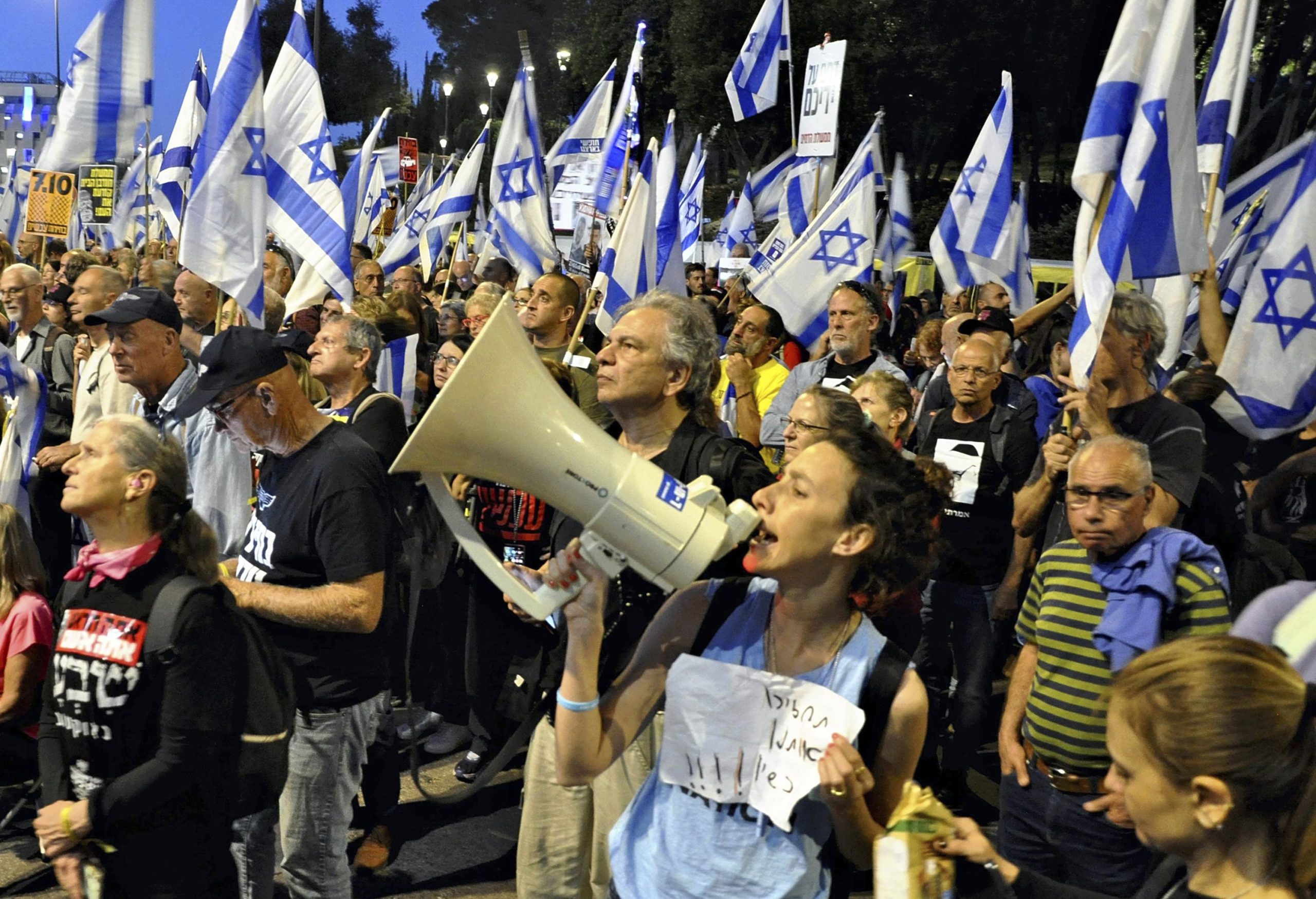
Deepening political fractures, economic strains, and societal fault lines in Israel are confronting the country with the potential for civil conflict and the breakdown of state mechanisms.
According to a report by Drop Site News citing two US sources, these findings are detailed in a classified Central Intelligence Agency (CIA) assessment drafted in August.
The report by Aída Chávez notes that the assessment, titled “Fracturing from Within”, was authored by experts within the CIA’s Red Cell unit, which is tasked with examining alternative and contrarian scenarios.
The CIA declined to answer questions regarding the assessment, which was compiled by combining open-source data with US intelligence holdings.
The report emphasises that the assessment focuses solely on Israel’s Jewish population, excluding from its analysis the country’s Palestinian citizens, who make up approximately 20% of the population.
It notes that Amnesty International and various human rights organisations characterise the practices endured by this segment of the population as part of a broad apartheid system.
The report outlines multilayered risks accumulating across the country ahead of the 27 October elections.
These factors include economic bottlenecks fuelled by surging military expenditures, heavily armed soldiers returning from protracted combat with severe psychological trauma, escalating settler violence in the occupied West Bank, and a constitutional crisis sparked by Prime Minister Benjamin Netanyahu’s efforts to retain power.
Speaking to Drop Site News, an intelligence source pointed out that the team responsible for the report comprises experts deeply familiar with the Israeli landscape, stating: “This is not an imaginary ‘what if’ scenario. Considering the upcoming elections and divisions in Israel, we must take seriously its findings that the country is only one spark away from real civil conflict.”
One of the sharpest points of tension in Israeli domestic politics involves mandatory military service exemptions granted to ultra-Orthodox men. The divide is widening between the ultra-Orthodox community, which continues to receive state subsidies while enjoying sweeping draft exemptions, and reservists being repeatedly mobilised to the front lines.
The rationale cited by religious leaders for rejecting military service is not opposition to war, but the argument that Torah study and religious life would be threatened.
A deteriorating economic landscape is also aggravating pressure on households. According to data, basic food prices, including fresh fruits and vegetables, have surged by 9.5% over the past two years, reaching record highs.
The report states that the majority of domestic opposition to Netanyahu focuses not on violence directed against Palestinians, but on how these policies are executed and on the security failures of 7 October.
Major Zionist parties remain divided over coalition strategies, while opinion polls indicate that neither the governing nor the opposition blocs can attain the 61-seat majority required to form a government.
Recalling historical eras in which traumatised, armed veterans coincided with intense political division, one consulted source cited the Freikorps units in post-First World War Germany.
The source remarked that while modern Israel is not identical to interwar Germany, certain parallels can be observed.
The CIA assessment also considers Israel’s mounting international isolation and the erosion of US support as factors that could accelerate collapse dynamics.
Israeli officials are reported to be concerned that reliance on billions of dollars in direct US military aid may prove unsustainable amid weakening political consensus.
Spring data from the Pew Research Center indicates that 60% of Americans view Israel unfavourably, up from 53% a year earlier.
The report projects that foreign technology and artificial intelligence investments could be withdrawn if the domestic crisis deepens. It underscores that such an outcome would further destabilise under-pressure economic fundamentals.
Additionally, regional countries could question the strategic value of normalisation processes, while Hamas or Hezbollah might exploit internal vulnerabilities within the country.
Intelligence sources emphasise that the assessment deliberately adopted the term “civil conflict”, warning that the compounding array of domestic pressures may ultimately prove impossible to contain through military means.
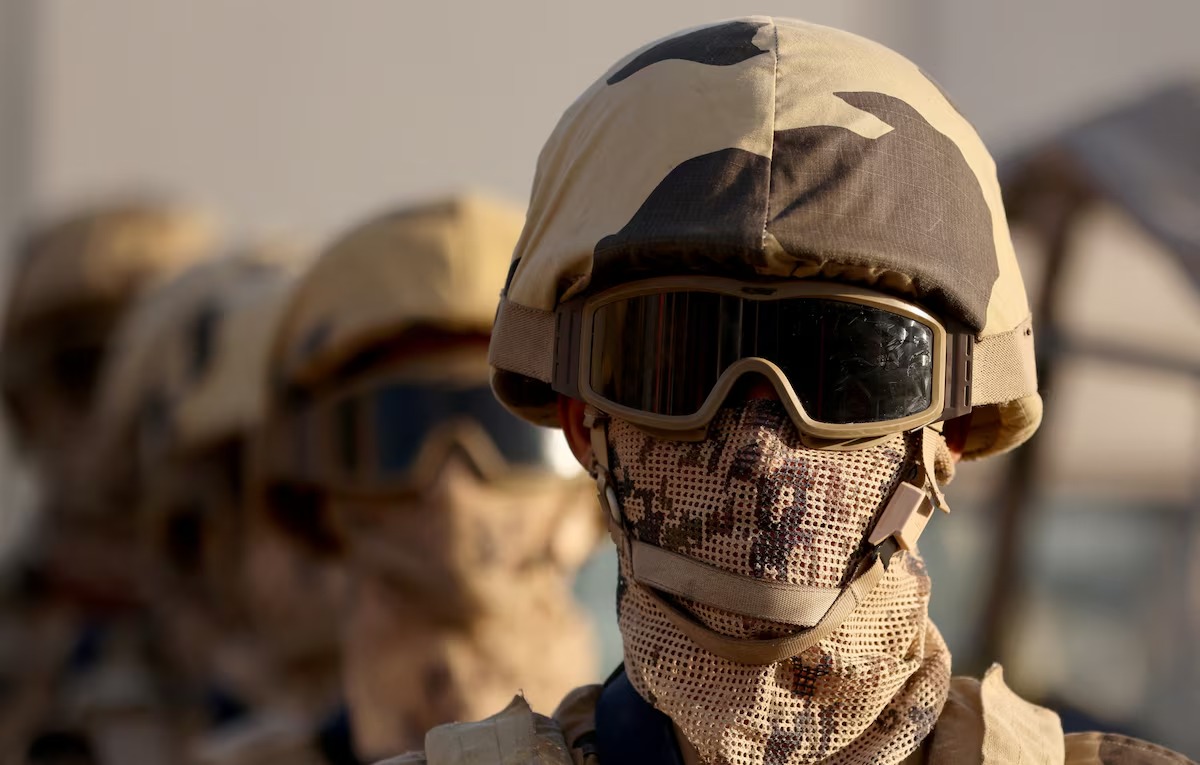
The US State Department stated that it has waived human rights conditions on more than $300 million in military aid to Egypt.
The statement emphasised that this decision was taken in consideration of Cairo’s “helpful role” since the outbreak of the war against Iran.
Egypt began receiving substantial support from the US after signing a peace treaty with Israel in 1979.
Since the late 1980s, the country has received approximately $1.3 billion annually in US military assistance.
A portion of this aid is subject to conditions related to human rights and democracy, which can be waived on national security grounds.
Withholding funds, including during the administration of former US President Joe Biden, has caused tension between Cairo and Washington in the past.
A letter dated 21 September and addressed to various congressional committees, obtained by Reuters, stated that Secretary of State Marco Rubio “decided to waive the certification requirement under the fiscal year 2025 Foreign Military Financing programme for Egypt of $320 million.”
This waiver was subsequently confirmed by the State Department.
An accompanying memorandum justifying the decision stated that this portion of military aid was “essential for counterterrorism, border security, or non-proliferation programmes, or otherwise important to the national security interests of the United States.”
The memorandum, dated 4 September and bearing Rubio’s signature, stated: “Exercising this waiver authority is critical to the US-Egypt relationship and to US national security priorities, particularly given the helpful role Egypt has played in the aftermath of Operation Epic Fury.”
“Operation Epic Fury” is the designation used by the US military for the campaign launched jointly with Israel against Iran in late February.
The State Department memorandum, whose authenticity was confirmed by two sources in Washington familiar with the letter, did not provide detailed information regarding what was termed Egypt’s “helpful role”.
The State Department’s annual decision on military aid to Egypt typically covers funds allocated for the preceding fiscal year, which ends on 30 September.
A State Department spokesperson stated that Rubio waived the certification in the interest of US national security and that the US continues to cooperate with the Egyptian government across a range of issues.
In an emailed statement, the spokesperson said: “This waiver recognizes the importance of maintaining security cooperation with Egypt at a time of significant security challenges in the region.”
The Egyptian Ministry of Foreign Affairs did not immediately comment on the matter.
The spillover effects of the Iran war have imposed a heavy toll on US security partners, including Egypt.
Owing to rising fuel prices and other disruptions, the Egyptian economy is passing through a difficult period.
Under the Biden administration, the US withheld portions of the annual military allocation on multiple occasions over Egypt’s human rights record.
In 2024, following the Hamas-led 7 October attack on Israel and the subsequent war in Gaza, the Biden administration set aside human rights conditions, disbursing the entire $1.3 billion allocation to Egypt for the first time in its tenure.
Human rights organisations have long accused Egypt, under the administration of President Abdel Fattah al-Sisi, of widespread human rights abuses, including torture and enforced disappearances.
This week, Egyptian police detained six journalists from a fact-checking and investigative media outlet, accusing them of spreading false information on behalf of the banned Muslim Brotherhood.
Egyptian authorities state that they have taken steps to address human rights issues. Sisi said stability is paramount and that the government supports human rights by working to provide for basic needs.
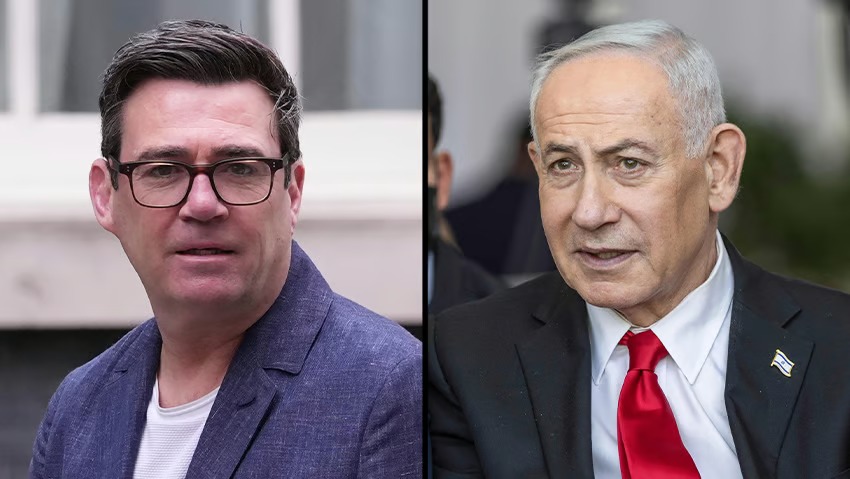
Britain has significantly broadened its military export restrictions targeting Israel, suspending or rejecting more than 80 licences for items the IDF could use in Gaza.
This figure is nearly triple the number affected when the policy was first introduced in September 2024.
United Kingdom Minister of State for the Middle East Stephen Doughty said that as part of what he described as a “tighter system” for assessing exports to Israel, more than 50 further export applications have been refused since approximately 30 licences were initially suspended.
Under the initial decision taken in September 2024, 30 of roughly 350 licences were suspended after the British government concluded there was a “clear risk” that certain military exports could be used to commit or facilitate serious violations of international humanitarian law in Gaza.
The affected equipment included components for military aircraft, drones, naval systems, and targeting gear.
Doughty said additional measures adopted this month established what he termed a “double safeguard” mechanism within the approvals process.
Export applications must now be assessed both against existing international humanitarian law criteria and in light of Britain’s position on the legality of Israel’s presence in the Palestinian territories.
“We have so far suspended or refused more than 80 licences,” Doughty said, adding that he had personally examined each licence.
Despite the wider restrictions, British-origin parts entering the international F-35 fighter jet supply chain continue to be largely exempt.
The UK government argues that preventing British-made components from entering the global F-35 pool could undermine the programme as a whole and have serious consequences for the security of the UK and its allies.
Direct exports of F-35 parts intended specifically for Israel remain suspended.
Doughty defended maintaining the supply of components via the international programme, arguing that halting it could have severe ramifications for the broader European and allied security architecture.
Foreign Affairs Committee Chair Emily Thornberry challenged this position, arguing that the issue was political rather than purely legal.
Thornberry suggested adopting an approach similar to the Dutch model, under which components entering the international supply chain could be flagged as “not intended for aircraft bound for Israel”.
The initial suspension was implemented in September 2024 by then Foreign Secretary David Lammy.
Lammy stressed at the time that the measure did not constitute an arms embargo and applied solely to items assessed as usable in military operations in Gaza.
Since then, the policy has been tightened further under Prime Minister Andy Burnham.
The expanded export restrictions follow the Burnham government’s adoption of a more confrontational policy toward the Israeli government.
Foreign Secretary Ed Miliband drew sustained applause at the Labour Party’s annual conference in Liverpool after delivering a sharp critique of the Netanyahu government’s policies and defending the decision to ban trade with Israeli settlements in the West Bank.
Accusing Israel of committing war crimes in Gaza, Miliband stated that the British government heard public outrage over the conflict, telling delegates: “We hear you. You were right.”

Israel nears completion of vast trench dividing Gaza Strip

Ex-BND chief August Hanning detained in German espionage inquiry

CIA report warns Israel faces growing risk of civil conflict

German domestic intelligence to probe Left Party and candidate Eralp

Türkiye delivers Korkut air defence systems to Ukraine, report says
-
 Diplomacy1 week ago
East-West Forum in Istanbul highlights irreversible shift to multipolarity
-

 Europe1 week ago
European unions urge governments to scrap all Palantir deals
-

 Europe2 weeks ago
Emmanuel Todd says West faces collapse amid Ukraine and Iran crises
-

 Diplomacy2 weeks ago
East-West Forum in Istanbul to debate multipolarity and global order
-
 Europe2 weeks ago
European intelligence chiefs divide over risk of Russian attack
-
 Middle East2 weeks ago
Sharaa says 7 October must not shape Israel policy on Syria
-
 America2 weeks ago
Republican support for Trump’s war with Iran drops sharply in polls
-
 Middle East2 weeks ago
Palestinian factions confront legitimacy crisis at Istanbul talks
