
Russia
Putin says Russia did not start war and warns of nuclear risks

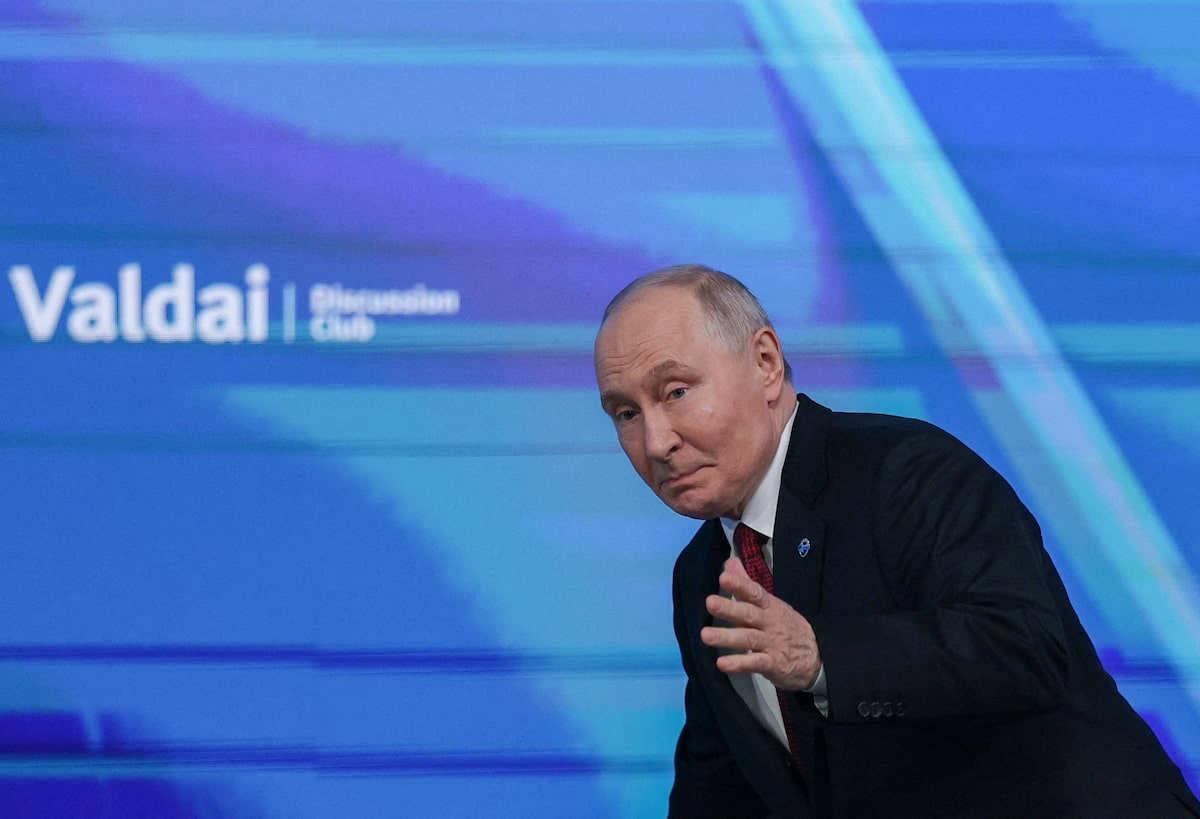
Russian President Vladimir Putin addressed the traditional plenary session moderated by Fyodor Lukyanov, research director of the Foundation for Development and Support of the Valdai Discussion Club, a Russia-based think tank.
Stating that a profound rupture has occurred in world politics, Putin said humanity faces its greatest perils at a time when the international security architecture has collapsed and former legal norms have been abandoned.
Opening the session, Fyodor Lukyanov, research director of the Valdai Discussion Club, noted that the concepts of change, responsibility, and composure stood out during the three-day forum. Recalling that the annual report they prepared this year was titled “No Panic”, Lukyanov said: “Under such complex conditions, we propose avoiding the most erroneous step: succumbing to unnecessary panic.”
Lukyanov noted that international turmoil is gathering pace with every passing day and handed over the floor to the Russian leader.
“We were confronted with war”
Addressing the war in Ukraine, the most urgent issue on the international agenda, Putin evaluated the origins of the crisis. Recalling that certain quarters question Moscow’s rhetoric of peace, Russian President Putin said: “The question ‘Russia speaks of peace, but started the war itself’ is on the minds of many experts. From this podium, I want to state the truth once more. The truth is that we did not want the war, and we did not start it; they began fighting us.”
Stating that for years there was an effort to turn Ukraine into an anti-Russian instrument, Putin pointed to the actions of the Western alliance.
Russian President Putin said: “There was no need to fuel aggressive nationalism and anti-Russian sentiment in Ukraine. NATO should not have attempted to establish a military foothold on our historical lands for its own ends, nor planned bases there. There was no need to encourage radicals in Kyiv toward a coup d’etat, and then equip this illegitimate administration with offensive weapons.”
Stating that the civilian population in the Crimea and Donbass regions was targeted, the Russian leader noted that military intervention was made inevitable.
Putin said: “Plans should not have been made to set up camps for the residents of Donbass and Crimea. People should not have been crushed by tanks, struck by missiles, strafed by aircraft, and burned alive simply because of their ethnic and cultural identity. Russia was deliberately brought to a point where it would be forced to defend itself with arms in the face of this blatant aggression. They dragged us to this line intentionally.”
“Let us live amicably”
Recalling that the goal of inflicting a strategic defeat on Russia was openly proclaimed, Vladimir Putin drew attention to the scale of the threat faced.
Putin said: “Destroying Russia should not have been made into state ideology, nor should the objective of strategic defeat have been set against us. All of this was stated; no one has forgotten. We certainly do not forget. If we all wish to survive, as I have said before, let us live amicably and search together for ways to achieve this.”
Stating that establishing trust is an exceedingly fragile and arduous process, Russian President Putin pointed out that interests can never fully coincide, even among the closest partners.
Noting that for countries in competition and confrontation, balance can only be established through mutual compromise, Putin said: “The former hegemon will have to accept the realities of a multipolar world. Trends in the global economy demonstrate this clearly. The West will have to learn to cooperate with the countries that constitute the global majority, while respecting their fundamental interests.”
“The naivety of Soviet leaders caused immense harm”
Addressing the dissolution of the Soviet Union and the fundamental upheavals experienced over the past 35 years, Russian leader Putin stressed that lessons must be drawn from history.
Recalling that millions of people found themselves across borders overnight, Putin shared his criticisms of the Moscow leadership of that era. Putin said: “One must acknowledge that the figures governing the state during the final years of the Soviet era acted with a certain naivety, excessive goodwill, and perhaps heedlessness. Blind trust in Western partners and the belief that verbal understandings would suffice caused immense harm to the Soviet Union.”
Detailing the errors of past leaders, Vladimir Putin said: “Soviet leaders wished to please the West; Western leaders, however, sought to reshape the world according to their own interests and tear away as large a share as possible from the Soviet legacy. The collapse was, above all, the outcome of imbalances that had accumulated internally and management errors committed across generations. Embracing narrow ideological dogmas rather than pragmatism, sweeping problems under the carpet, and professional inadequacy drove the system to collapse.”
Sharing the 1990 foresight of Egon Bahr, one of the leaders of Germany’s Social Democratic Party, with the audience, Putin drew attention to the warnings issued at that time.
Describing Bahr’s proposals to prevent division in post-Cold War Europe, Putin said: “Bahr was concerned about the continuation of confrontation in Europe following German reunification and the strengthening of anti-cooperation circles within NATO. Bahr warned: ‘If decisive steps are not taken to overcome the division of Europe into hostile blocs, developments could evolve in a negative direction that condemns the Soviet Union to international isolation.'”
“The objective was to dismember the Russian Federation as well”
Stating that Egon Bahr proposed a joint security council encompassing Eastern and Central Europe, in which both Moscow and Washington would participate with broad authorities, Putin noted that the West did not choose this path.
The Russian leader said: “Following the collapse of the Soviet Union, the forces that took the reins in the West disregarded the internal political transformations in Russia and continued to view this country as the core backbone of the historical Russian Empire. The objective was to completely isolate and dismember the Russian Federation. This mindset lies at the root of the dangerous situation we face today in Europe and across the world.”
Evaluating the relationship between historical heritage and visions of the future, Putin stated that it is an imperative for nations to respect their past.
Stating, however, that one cannot remain fixated on the past, Russian President Putin said: “Our nation requires a forward-looking perspective. However magnificent the achievements of our ancestors may be, we cannot turn into a museum showcasing past greatness. True state greatness is possible by capturing the spirit of the times and, if possible, moving ahead of the era. While preserving our historical roots, we must focus on the vibrant productive environment of the future.”
“Can we be certain nuclear weapons will never be used? Of course not”
Pointing to the possibility that tensions in world politics could spiral out of control, Russian President Vladimir Putin noted that sensible diplomacy has been abandoned in crisis management.
Emphasising that escalation policies yield reciprocal consequences, Putin warned: “Those who reject realistic diplomacy escalate tensions, call bluffs, and violate red lines in the hope of crushing the opposing side. Yet escalation is never unilateral; provocative steps are met with counter-steps. Arrogance and overconfidence are driving humanity to the edge of the abyss.”
Referring to the existence of nuclear weapons and weapons of mass destruction, Putin recalled a well-known rule of dramatic literature.
Putin said: “In the arsenals of the great powers are weapons capable of destroying all life on earth. Can we be certain these weapons will never be used? Of course not. There is a rule we all know: if a rifle hangs on the stage at the beginning of a play, that rifle will eventually fire. The more irreconcilable the conflict becomes, and the more openly strategic defeat objectives are articulated, the higher the probability that the struggle will move into its most destructive phase.”
“The UN is governed less democratically”
Stating that the global regulatory mechanisms established after the Second World War fail to meet contemporary requirements, the Russian President said there is a need for comprehensive reform in international institutions.
Criticising the current structure of the United Nations, Putin said: “Although the United Nations is the most broadly representative body, in practice it is governed through methods far less participatory and democratic than originally conceived. Western countries, which constitute a numerical minority in the world, dominate the organisation’s mechanisms disproportionately and attempt to monopolise its governance.”
Pointing out that the centre of gravity across the world has shifted, Putin noted that countries in Asia, Africa, Latin America, and the Middle East must attain the standing they deserve in decision-making processes.
Recalling that Russia supports an equitable reform of the United Nations, Putin said: “The transformation of the organisation does not consist merely of expanding the Security Council. Renewing the substance of its activities, ensuring geographical justice, and reflecting the will of the global majority within the institutions are essential. Yet such a consensus does not appear easy under present conditions.”
“Artificial intelligence could turn into digital totalitarianism”
Devoting substantial space to the threats technological progress poses to the future of humanity, Vladimir Putin issued warnings regarding the unregulated use of artificial intelligence.
Emphasising that the impact of algorithms on human morality and cultural heritage must be examined meticulously, the Russian leader said: “The proliferation of artificial intelligence carries the danger of uniformisation by making all of society dependent on algorithms programmed by specific centres. Such digital totalitarianism would create a dead end as dangerous as the dark and inhumane totalitarian regimes of the past.”
Stating that developments in biotechnology and genetics have reached levels capable of fundamentally altering human nature, Putin noted that ethical rules must be determined on a global scale.
Addressing technologies that intervene in the realm of human creation, Putin said: “Common principles must be established on existential matters such as personality development, the steering of behaviour, and the programming of ways of thinking. Yet existing international frameworks remain under the control of a narrow segment focused on preserving its own power rather than the progress of all humanity.”
“Had Stanislav Petrov not doubted, disaster was inevitable”
Illustrating the risks of using artificial intelligence in the military domain with a historical event, Russian President Putin recounted the conduct of Soviet officer Lieutenant Colonel Stanislav Petrov in 1983. Pointing to the deception produced by early-warning systems, Putin said: “In September 1983, while on duty, Lieutenant Colonel Stanislav Petrov received a signal from the early-warning system indicating that the US had launched five intercontinental ballistic missiles. At that time, any algorithm would have immediately treated this as justification for a retaliatory nuclear strike. However, being an experienced officer, Petrov suspected there might be a technical malfunction, and he was proven right. Had an artificial intelligence been in his place, the outcome could have been entirely different.”
Noting that automating war technologies would yield catastrophic results, Putin stressed that machines cannot replace the human conscience. Putin warned: “Human intuition, conscience, and the capacity to take the correct decision in unexpected moments do not exist in machines. Defining the boundaries of artificial intelligence in the security sphere is a matter of survival for humanity. Turning conflicts into computer games and reducing bloodshed to an ordinary mechanical routine leads to the brutalisation of humanity.”
“Eyes have been shut to global catastrophes”
Stating that profound polarisation in world politics has pushed common human problems into the background, the Russian leader noted that issues such as the climate crisis, environmental pollution, poverty, and income inequality are being ignored.
Vladimir Putin said: “In an environment of international tension, urgent global issues concerning all humanity have been sacrificed. The topics of climate, ecology, and poverty, which were continuously debated until recently, have been cast aside. No hope remains that the current international community will resolve these problems on a global scale. If these issues cannot be addressed globally, solutions must be generated on regional platforms.”
Emphasising that the broader Eurasian region constitutes Russia’s fundamental living space, Vladimir Putin noted that the transition to a multipolar order will be painful.
Reiterating at the conclusion of his address that establishing a new balance will take time, Putin concluded: “We will continue to work for the security and prosperity of our own geography, above all our shared home of Eurasia. Although the road ahead is fraught with uncertainty, Russia is determined to build a shared future with all countries willing to cooperate on the basis of equality and mutual respect.”






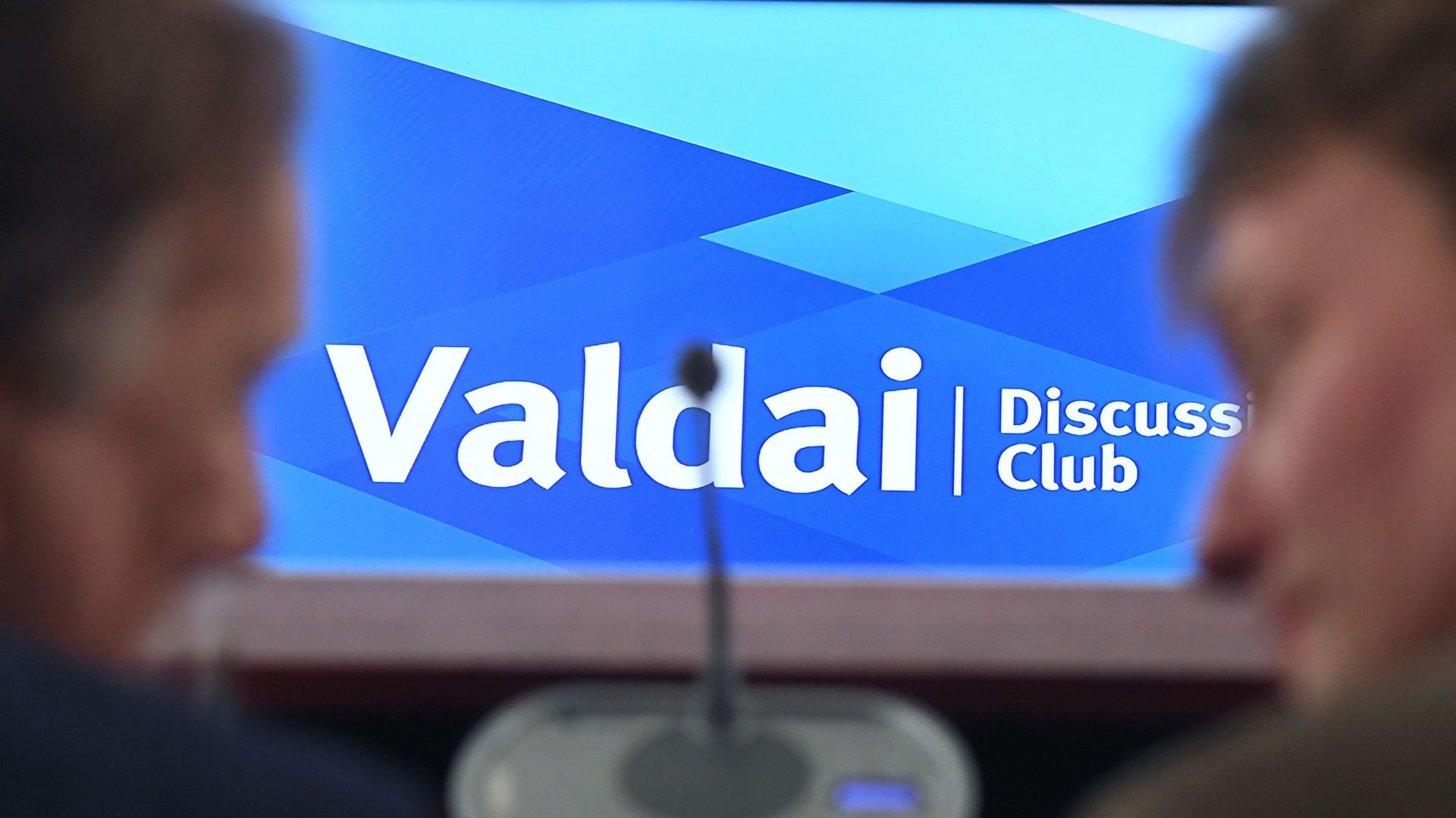
The survival strategies of superpowers were addressed at a meeting of the Valdai Discussion Club held in Russia.
Speaking at a session titled “Geopolitical Re-division: Power as a Guarantee of Peace or a Pledge of War”, John Mearsheimer, Professor of Political Science at the University of Chicago, argued that the best way for superpowers such as Russia, China, and the US to sustain their existence under conditions of international anarchy is to increase their military and economic power.
During the session, Mearsheimer drew attention to the fact that the fundamental priority for every state is survival.
Stating that there is no higher authority in the international system, Mearsheimer made the following assessment:
“Every state wants to survive, because survival is the number one goal. Let me conclude by returning to my main point: never forget that you operate under conditions of international anarchy, meaning there is no ultimate authority. The moment you recognise this reality, you realise that the best way to survive is to maximise your relative power. The concept of relative power is synonymous with the balance of power. If there is a great power in the system, the balance of power assumes immense importance; because power is the key to survival.”
Expressing that only three true great powers exist in the world, Mearsheimer listed these countries as the US, China, and Russia.
Stating that India is not included in this category because it lacks sufficient economic wealth despite its massive population, the professor noted that a large population and substantial economic resources form the foundation of military power.
Stating that the competition between the US and China continues not only in the military sphere but also in the field of technology, Mearsheimer emphasized that the race in artificial intelligence and other advanced technologies determines both wealth and military capacity in today’s world.
Dmitriy Trenin, Research Supervisor at the Institute of World Military Economics and Strategy at the Higher School of Economics (HSE) and President of the Russian International Affairs Council (RIAC), also stated during the discussion that Russia must preserve its great power identity, otherwise it will not be able to survive.
Pointing to the question of whether the US can maintain its global leadership, Trenin said that the future of all humanity could depend on this balance.
Expressing that the concepts of power and survival carry a distinctive relationship, Trenin conveyed that theories in Western political science do not fully align with the reality in Russia. Touching upon his country’s past, Trenin said, “Russia faced an existential survival risk twice in less than 100 years. The state collapsed first in 1917, and then in 1991. There is no guarantee that it will not collapse once more.”
Trenin recalled that although the Soviet military was at the peak of its power in 1991, this military might failed to save the USSR from dissolving.
Emphasizing that might does not consist solely of military force, Trenin brought up lines by the poet Aleksandr Pushkin depicting the struggle between gold and steel.
Trenin also cited the saying, “A donkey laden with gold can conquer any fortress.” The Russian analyst concluded that the country’s survival depends on Russia’s own internal dynamics and domestic condition, rather than on relations established with other states.
Alastair Crooke, a British diplomat and founding director of the non-governmental organisation Conflicts Forum, argued at the session that military force constitutes only one dimension of influence.
Citing the Palestinians as an example, Crooke expressed that the people sacrifice their lives for the sake of their own civilisational idea, way of life, and worldview.
The diplomat stated that even without substantial military power, Palestinians rally support in their struggles for sovereignty by relying on different elements of power, rather than merely on the number of tanks, money, or fighter jets.
Stating that a system of a “concert of powers” reflecting a compromise between civilisations could emerge in the future, Crooke expressed that in this order, states would preserve their sovereignty and would not abandon their own native civilisations.
The British diplomat said that old international structures, including the existing United Nations mechanism, must definitely be transformed.
Earlier, an analysis in Politico reported that US President Donald Trump sought to develop relations with Russia in order to prevent the construction of a Beijing-led global order.
Trump, for his part, expressed that Washington and Beijing could achieve great things together, and described President Xi Jinping as a “great leader” following his official visit to China.
Zheng Yongnian, Dean of the School of Public Policy at the Chinese University of Hong Kong, emphasized that despite its relative decline, the US maintains its global hegemony, and that underestimating Washington would produce a fatal mistake.
US Secretary of State Marco Rubio also characterised China as the greatest geopolitical challenge for his country, but noted that relations with Beijing constitute one of the most critical portfolios for Washington.
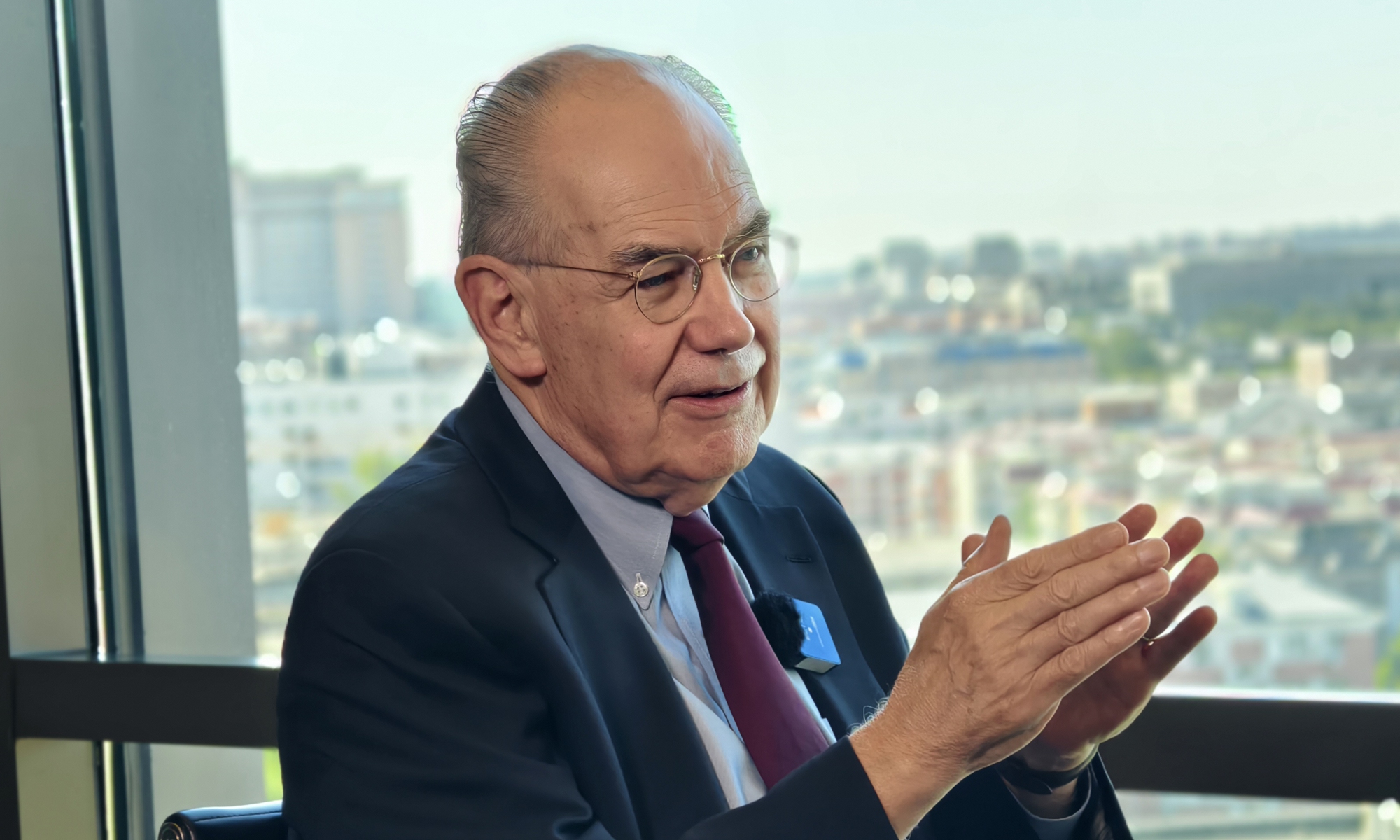
Simultaneously with contacts conducted by US President Donald Trump’s representatives Steven Witkoff and Jared Kushner, a delegation of prominent American political scientists visited Moscow.
Professor John Mearsheimer, a faculty member at the University of Chicago who took part in the delegation, answered questions from the Russian daily Kommersant on the sidelines of a round-table meeting jointly organised by the Russian Council on Foreign and Defence Policy and the Higher School of Economics.
Mearsheimer said that while the Washington administration possesses the potential to play a constructive role in ending the war in Ukraine, it has not yet translated this capacity into action.
Stating that an American effort to encourage the Kyiv administration to reach a compromise with Russia and halt the war would make a positive contribution, the political scientist said: “Having potential is one thing, realising it is another matter. In this sense, the US has not yet used its potential and has not taken noteworthy steps that would contribute to ending the war in Ukraine.”
Evaluating Trump’s dispatch of negotiators Witkoff and Kushner to Moscow and Kyiv over the weekend, Mearsheimer emphasised that the American president is maintaining his efforts.
Recalling that the representatives had previously travelled to the Russian capital, the professor offered the following assessment:
“Trump is striving to achieve progress. The fact that he sent Witkoff and Kushner back to both capitals, despite having failed in the past, shows that he has not abandoned this objective. Yet at this stage, I see no concrete reason to believe these initiatives will succeed. There is no ground to think that Witkoff and Kushner have developed a magic formula that will end the war in Ukraine.”
Mearsheimer also addressed the motivation underlying Trump’s desire to end the conflict. Stating that the US president definitely wants to stop the war, the political scientist noted that Trump wants to be recognised as a peacemaker and receive the Nobel Peace Prize.
Arguing that Trump, who regards ending the war as serving American interests, is inexperienced in diplomacy, Mearsheimer remarked: “He does not know how to resolve this extremely complex problem. When his novice diplomacy combines with an issue of such intricacy, it is not surprising that he cannot make progress.”
Stating that although Trump previously described the conflict frequently as “Biden’s war”, the present picture shares out responsibility, Mearsheimer said that the conflict has now become Trump’s war.
Pointing out that the US administration continues weapons supplies via Europe, intelligence sharing including for strikes targeting Russian territory, and satellite internet support, the political scientist said:
“Before Trump returned to the White House in January 2025, this was Biden’s war. But when he became US president and could not end the war, this conflict turned into his own war. It is clear that the US continues its support by providing direct intelligence and indirectly giving the Europeans weapons to be transferred to Ukraine. Therefore, the US, and President Trump in particular, continue to provide support to Ukraine and contribute to the continuation of the war.”
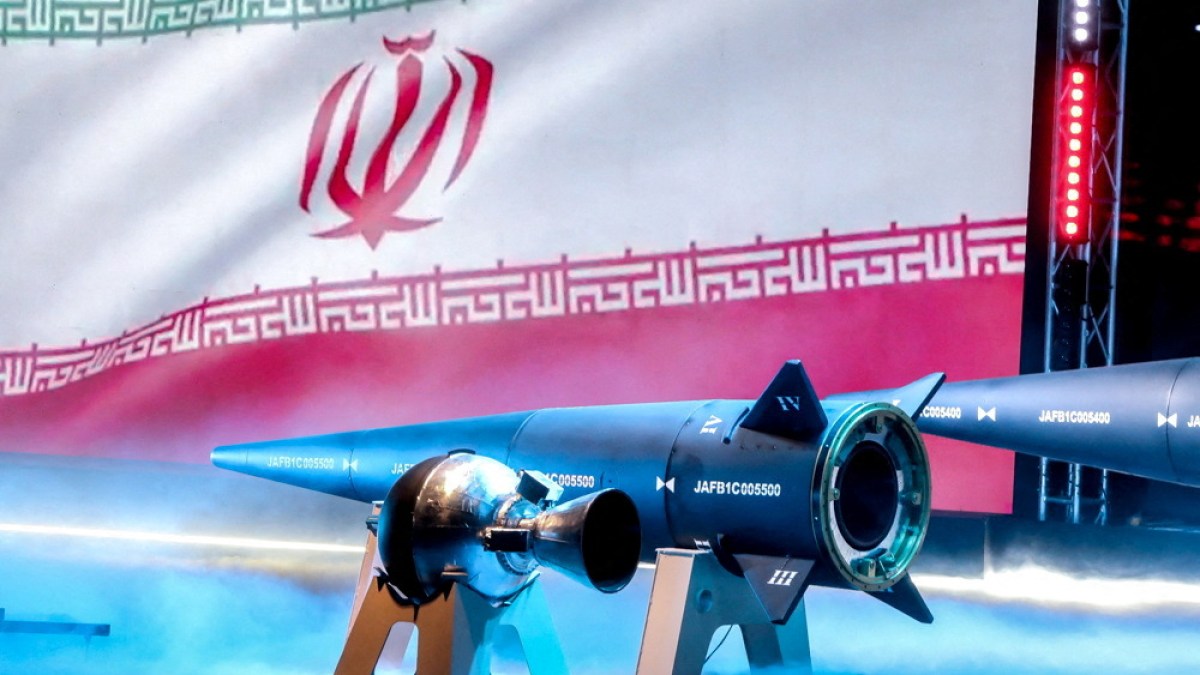
According to a report by the Financial Times (FT), Russia is assisting Iran in developing advanced supersonic cruise missiles through a covert programme.
The multi-year secret collaboration, described as one of the most comprehensive strategic military technology transfers between Moscow and Tehran, reportedly bears the codename “C430L”.
Based on an examination of leaked correspondence, travel records, and military patents, the report stated that the programme, which began in 2023, continued during the war waged against Iran by the US and Israel.
Under the programme, experienced Russian missile specialists were reported to have supported Iran in developing a new class of weapons capable of threatening US aircraft carriers and warships in the Middle East.
Ramjet technology aimed at breaching air defence systems
According to the report, the primary objective of the C430L programme is to assist Iran in developing a ramjet propulsion system that enables a cruise missile to fly at several times the speed of sound.
Military experts point out that the technology in question is designed for use in anti-ship and land-attack cruise missiles.
Fabian Hinz, an expert at the UK-based arms monitoring group Conflict Armament Research, emphasised that this strategic transfer, which the Iranians have sought to obtain for decades, would require approval at the highest political level in Russia.
Jim Lamson, an expert at the James Martin Center for Nonproliferation Studies and a former CIA analyst, stated that this system would provide Iran with a new strategic weapon capable of threatening US naval assets.
Supersonic cruise missiles combine high speed with low-altitude flight capabilities, narrowing the time available for advanced air defence systems to detect and intercept the missile. This represents a strategic advantage for the Tehran government along the Persian Gulf line, where the US and its regional allies possess land- and sea-based defence systems.
The report noted that while Iran had built the ramjet system and conducted flight tests, there was no concrete evidence that a Russian-backed supersonic missile had yet been deployed in the field.
State enterprises and chief engineers involved
The supersonic missile assistance programme is reportedly coordinated by Russia’s state-owned arms export company Rosoboronexport, with the project being executed alongside NPO Mashinostroyenia.
NPO Mashinostroyenia, which was placed on the US sanctions list in 2014, is known for its work on cruise missile systems launched from ships, submarines, and land platforms, as well as Russia’s nuclear forces comprising intercontinental ballistic missiles.
Leaked travel records show that senior Russian engineers and export officials travelled to Iran multiple times before a contract was signed with Iran’s Ministry of Defence and Armed Forces Logistics in November 2023.
These figures include Aleksandr Dergachev, chief designer of naval missiles at NPO Mashinostroyenia; Aleksander Chebakov, a ramjet specialist; Yuri Prokhorchuk, head of the aerodynamics department; and Vladislav Kuzmichev, head of the Defence Technologies and Space Department at Rosoboronexport.
The documents indicate that by 2025, the company had received extensive Iranian technical materials regarding the ramjet propulsion system, analysed telemetry data obtained from a flight test, and submitted detailed queries to Tehran on topics including the fuel system, combustion stability, and the air intake.
In April 2025, Rosoboronexport proposed sending a delegation of around twenty experts to Iran for technical consultations.
Military cooperation between the two countries deepens
The programme is regarded as part of a deepening military partnership between Tehran and Moscow. Iran had previously supplied Shahed-type armed unmanned aerial vehicles used by Russia in the Ukraine war and assisted in their production within Russia.
Western officials also accuse Russia of providing satellite imagery and weapon components to Iran during the ongoing hostilities with the US and Israel.
The report recalled that Russian President Vladimir Putin, during his meeting with Iranian President Masoud Pezeshkian in Kyrgyzstan, said Moscow was “striving to provide the necessary aid and goods in this difficult period”.
Nicole Grajewski of Sciences Po University in Paris stated that the covert ramjet programme demonstrated “Russia’s effort to widen the war in Ukraine and draw the US to different fronts”, noting that Moscow no longer attached as much importance to regional red lines as it once did.
Leaked correspondence reveals that the C430L programme continued into 2026, with the parties continuing to negotiate technical reports and the next phase of the development process.

Germany expands North Sea military ports and plans new naval base

Musk appointed co-director of Pentagon future warfare initiative

US waives human rights terms on $320m military aid to Egypt

Putin says Russia did not start war and warns of nuclear risks

European nations unite against US pressure over strategic oil stocks
-

 Europe4 days ago
European unions urge governments to scrap all Palantir deals
-

 Diplomacy4 days ago
East-West Forum in Istanbul highlights irreversible shift to multipolarity
-

 Europe7 days ago
Emmanuel Todd says West faces collapse amid Ukraine and Iran crises
-
 Diplomacy1 week ago
East-West Forum in Istanbul to debate multipolarity and global order
-
 Europe1 week ago
European intelligence chiefs divide over risk of Russian attack
-
 Middle East1 week ago
Sharaa says 7 October must not shape Israel policy on Syria
-
 America1 week ago
Republican support for Trump’s war with Iran drops sharply in polls
-
 Middle East1 week ago
Palestinian factions confront legitimacy crisis at Istanbul talks
