
Europe
EU pays extra €100bn for energy without securing more oil or gas

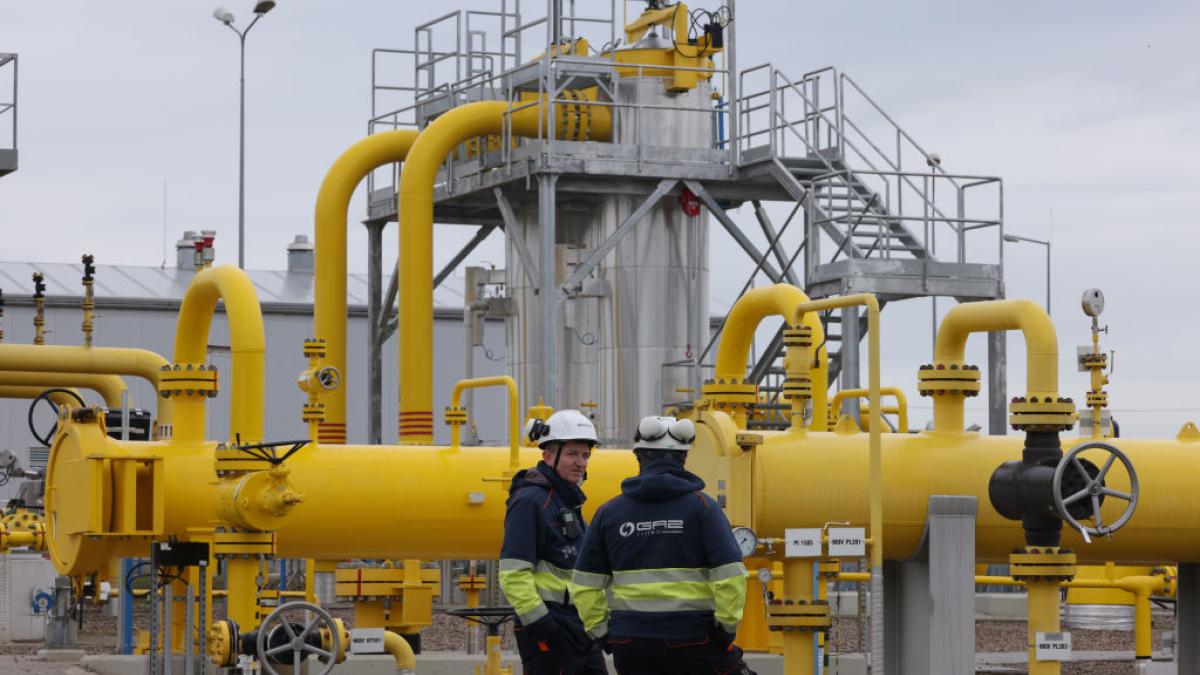
The European Union paid an additional bill of more than €100 billion during the year due to volatility in global energy markets. Despite this heavy expenditure, no increase was achieved in the volume of oil and gas supplied to the bloc.
Assessing the situation ahead of the EU Energy Ministers Meeting held in Dublin, EU Commissioner for Energy Dan Jørgensen emphasised that external dependency has reached an unsustainable point.
In his statement on 29 September, Jørgensen said: “The extra amount we paid for energy this year exceeded 100 billion euros, yet in return we did not receive a single drop more oil or a single cubic metre more gas.”
Pointing out that every rise in global prices is directly reflected on European households and industry, Jørgensen argued that the solution lies in domestic resources.
“Instead of imported, polluting, and expensive fossil fuels, we must turn to our own generated energy, to green electricity,” the commissioner said.
Energy prices in Europe surged once again due to the war with Iran, escalating concerns over navigation security in the Strait of Hormuz, and turmoil across global oil markets.
Following a new wave of attacks directed at Iran by the Washington administration, European benchmark natural gas prices in early September reached their highest level since January 2023.
Dutch gas futures rose by 5.9% to €73.95 per megawatt-hour.
This market pricing was driven by concerns ahead of the winter period that liquefied natural gas (LNG) shipments routed through the Strait of Hormuz could face prolonged disruptions.
Another development rattling the continent’s energy balances was the signals emanating from the White House. The possibility raised by US President Donald Trump of curbing diesel exports heightened anxiety in Brussels.
The EU, which meets approximately half of its diesel needs from the US, does not want this supply line severed.
Jørgensen reported that he conveyed clearly to Washington that such a step would serve the interests of neither the US nor Europe.
The EU official described US Energy Secretary Chris Wright’s distance from the export restrictions in question as a positive approach.
Stating that Europe is not currently experiencing a physical supply crisis, Jørgensen noted that they aim to minimise uncertainties as the winter season approaches.
Having turned to alternative suppliers and LNG markets to reduce its reliance on Russian resources since the outbreak of the Russia-Ukraine war, the EU continues to face high cost pressures.









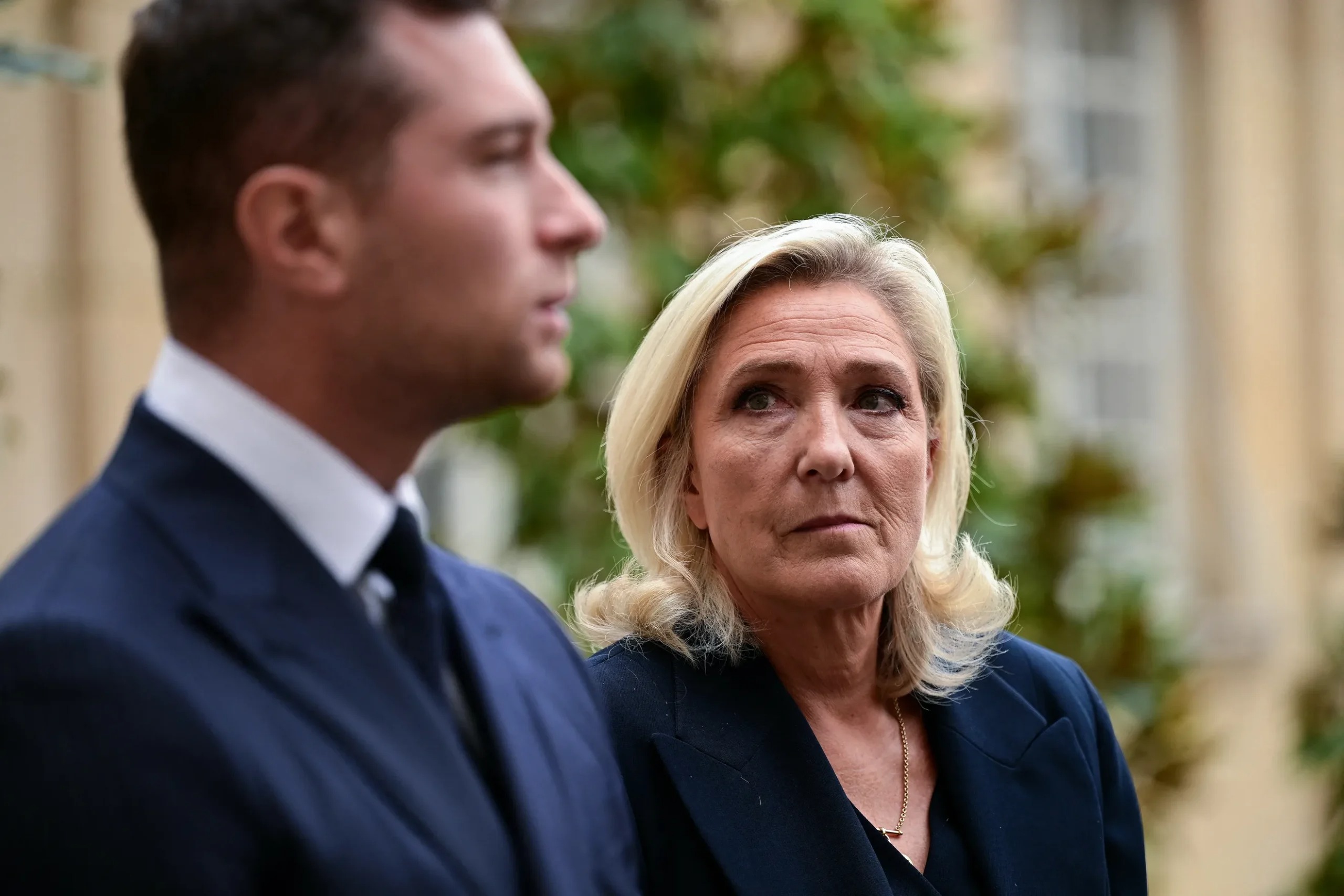
Jordan Bardella, president of France’s National Rally (RN), has been accused of voicing antisemitic views in private conversations with party members when he was 17 years old.
In a report published on Monday, investigative news website Mediapart stated that it had obtained and independently verified correspondence in which Bardella allegedly said that “Jews must dominate other peoples, crush them, and rob them,” and that “all banks are in the hands of Jews.”
Bardella strongly denied the allegations, adding that he will sue Mediapart.
Both Bardella and Marine Le Pen characterised the report as part of a wider, coordinated effort to prevent the veteran far-right politician, who currently leads in the polls, from winning next year’s election.
Bardella said:
“At a time when we have never been closer to the victory of our ideas, certain activist media outlets are ready to organise smear campaigns to destabilise the presidential campaign and attack my honour.”
The RN president said, “We can feel the first signs of an all-out war and attempts to destabilise the presidential campaign.”
Le Pen, seated beside Bardella as she spoke to reporters in the National Assembly, the lower house of the French parliament, said, “The system will do everything, even the most disgusting things, to block this momentum.”
During her attendance at a construction industry event on Monday, Le Pen described Mediapart’s report as “madness”.
The National Rally’s predecessor, the National Front, was founded by Le Pen’s father, Jean-Marie, who was convicted repeatedly of hate speech, along with Nazi collaborators.
Le Pen expelled her father from the party in 2015 after he repeated his claim that the Holocaust was a “detail” of history.
Given that Le Pen propelled Bardella’s career and placed him at the forefront of efforts to clean up the party’s image, the fallout from this latest scandal could be particularly damaging.
Too young to be associated with the party’s old guard, Bardella was seen as a fresh face who could help the party make inroads among sections of the electorate where the Le Pen name carried too many negative connotations, particularly among older voters and the Jewish community.
Since taking the helm of the National Rally in 2021, Bardella has promoted the party as a defender of France’s Jewish population, pointing to his unreserved support for Israel as evidence.
The 31-year-old Bardella travelled to Israel in 2025 after receiving an invitation from Israeli Minister of Diaspora Affairs Amichai Chikli.
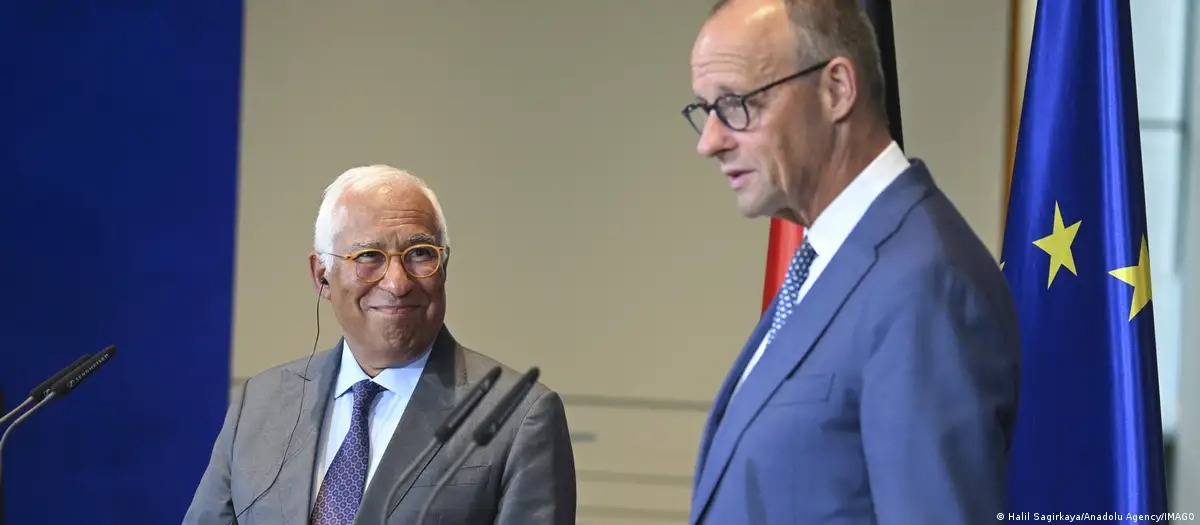
German Chancellor Friedrich Merz and the leaders of five other countries have threatened to withhold approval for the draft seven-year EU budget unless billions of euros in cuts are made as they demand.
According to the Financial Times, Merz, along with the leaders of the Netherlands, Sweden, Denmark, Austria, and Finland, signed a letter making clear that the proposed budget must be cut by billions of euros, or they will block it.
The 2028-2034 budget was prepared last year by the European Commission and requires the approval of all EU countries.
The proposed budget has been set at approximately 2 trillion euros ($2.33 trillion), and the parties involved hope to reach an agreement by the end of 2026.
The proposed sum is significantly higher than the current budget, which runs from 2021 to 2027.
Merz stated earlier this month that cuts should be implemented across all policy areas, rejecting further recourse to joint EU borrowing to plug the shortfall.
“Excessive debt threatens our sovereignty and our capacity to act,” the chancellor said, adding that governments face the “undoubtedly painful task” of setting priorities.
Arguing that a “20th-century budget” cannot resolve current challenges, the German leader called for spending in the bloc’s next budget to be shifted towards competitiveness and defence.
The EU budget is financed primarily through member state contributions. These payments are calculated either as national contributions based on gross national product or as a % linked to national VAT revenues.
As the EU’s largest economy, Germany provides the largest contribution in absolute terms.
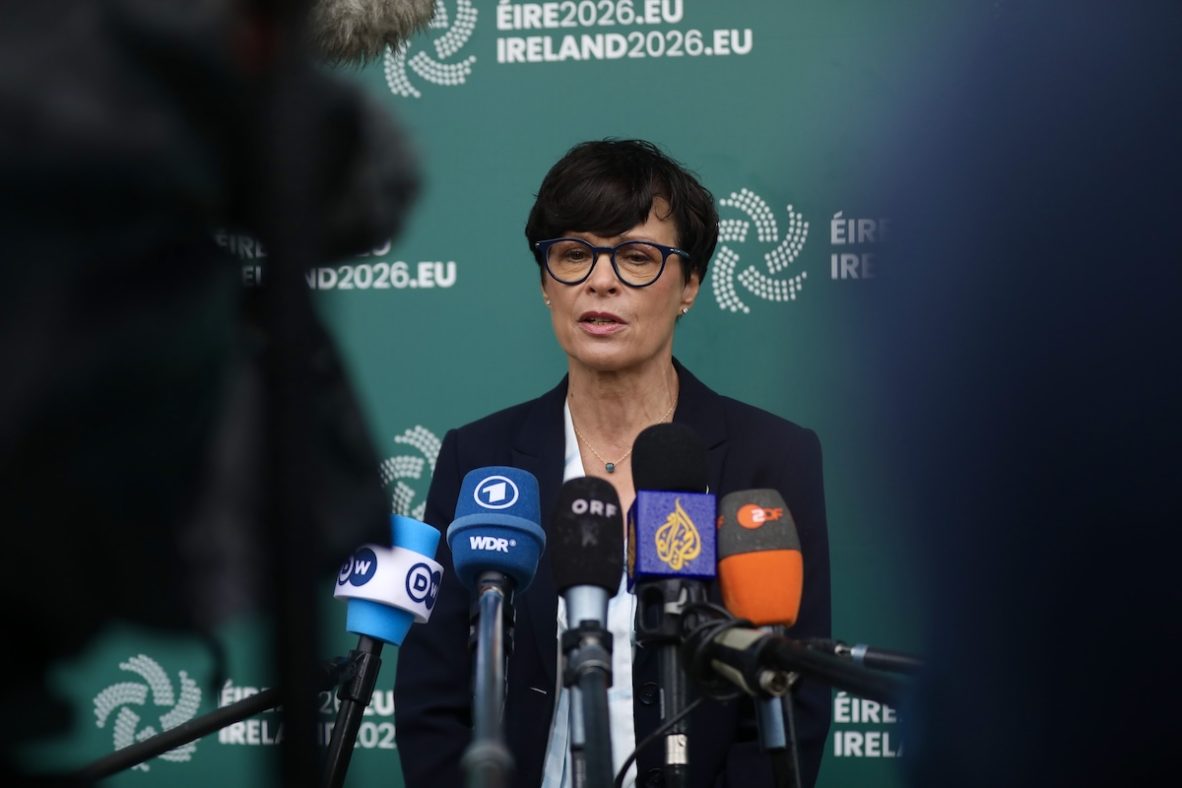
The European Commission is seeking a radical overhaul of decision-making in the EU enlargement process in order to bypass national veto rights.
Commission President Ursula von der Leyen will present a plan next week for the biggest change to the EU’s internal operations in decades, making a major announcement on how to prepare for a larger bloc of more than 30 members.
In doing so, von der Leyen will not make any changes to the Lisbon EU Treaty.
Two internal draft documents from the long-delayed enlargement strategy, examined by Rapporteur, propose using legal passerelle clauses to eliminate the requirement for unanimity among the 27 member states at multiple intermediate stages of candidate countries’ accession paths.
One of the documents, which will form the basis of the Commission president’s plan next week, states that the EU must become capable of acting with less consensus:
“Consensus strengthens political ownership and democratic legitimacy. But it can delay or prevent timely decisions in areas where the Union needs most to act.”
This measure: which itself requires unanimity: could significantly accelerate the accession processes of countries such as Ukraine, Montenegro, and North Macedonia, which have been struggling with blockades by a small number of EU members.
It is also likely to face resistance from existing member states wary of losing their veto power.
Nevertheless, the draft provides for an “emergency brake” that a government could trigger if it considers that “vital national interests” are under threat.
The Commission proposes applying the lower threshold of qualified majority voting: 15 countries representing two-thirds of the bloc’s population: across a wider spectrum of policy, including sanctions, human rights, defence and security, and tax evasion.
“As the Union enlarges, the risk of decisions being delayed or blocked will inevitably increase,” the internal document states.
To this end, the Commission will “prepare a work programme for the use of passerelle clauses.”
“Passerelle clauses” are transition provisions in the EU treaties that permit voting rules in specific policy areas to be changed permanently from unanimity, where all countries can exercise a national veto, to qualified majority voting.
However, with no indication that the EU will abandon the requirement for unanimity at the very beginning and at the end of a candidate country’s accession process, radical changes to EU decision-making will encounter obstacles.
Another contentious proposal would mean that only two-thirds of EU countries could appoint a European Commissioner once the bloc expands.
Under the current 27-member bloc, nine countries would be forced to relinquish their right to send a representative to Brussels.
This prospect is expected to unsettle smaller member states, which have historically argued that their influence in Brussels diminishes as the bloc expands.
Ireland, having lost a referendum in 2008, secured a legal guarantee that “the Commission shall continue to include one national of each member state”, but Dublin would have to surrender this safeguard.
According to the draft documents, new members could be placed on probation for a decade or more. During this period, they would face stricter oversight from Brussels.
Penalties that could be imposed during this probationary period include the suspension of voting rights in the Council and financial sanctions under newly created “financial” and “institutional safeguard” provisions.
New member states would be required to sign a legally binding “interim commitment” not to block decisions agreed upon by the rest of the EU.
In addition, standard transitional safeguards regarding participation in core EU policy areas, ranging from justice and home affairs to agriculture, would be retained.
New member states would also be subject to time-limited “financial safeguard” provisions allowing the Commission to penalise them in the event of backsliding on democratic and judicial standards.
Prior to accession, new members would also be required to join the European Public Prosecutor’s Office, which investigates fraud involving EU funds.

Jordan Bardella faces antisemitism accusations over past messages

EU pays extra €100bn for energy without securing more oil or gas

Pentagon breach exposes personal records of three million people

Britain expands curbs on arms exports to Israel over Gaza risks

Germany deepens military, police, and cyber ties with Israel
-

 Asia2 weeks ago
DeepSeek engineer warns AI will lead to communism or Cyberpunk
-

 America2 weeks ago
Big Tech profits from AI extinction hype, Ken Klippenstein says
-
 Europe2 days ago
European unions urge governments to scrap all Palantir deals
-
 Diplomacy2 days ago
East-West Forum in Istanbul highlights irreversible shift to multipolarity
-
 Europe1 week ago
European intelligence chiefs divide over risk of Russian attack
-

 Europe5 days ago
Emmanuel Todd says West faces collapse amid Ukraine and Iran crises
-
 Diplomacy6 days ago
East-West Forum in Istanbul to debate multipolarity and global order
-
 Middle East1 week ago
Sharaa says 7 October must not shape Israel policy on Syria
