
Asia
Pezeshkian, newly elected-president and calculations of Iranian leaders

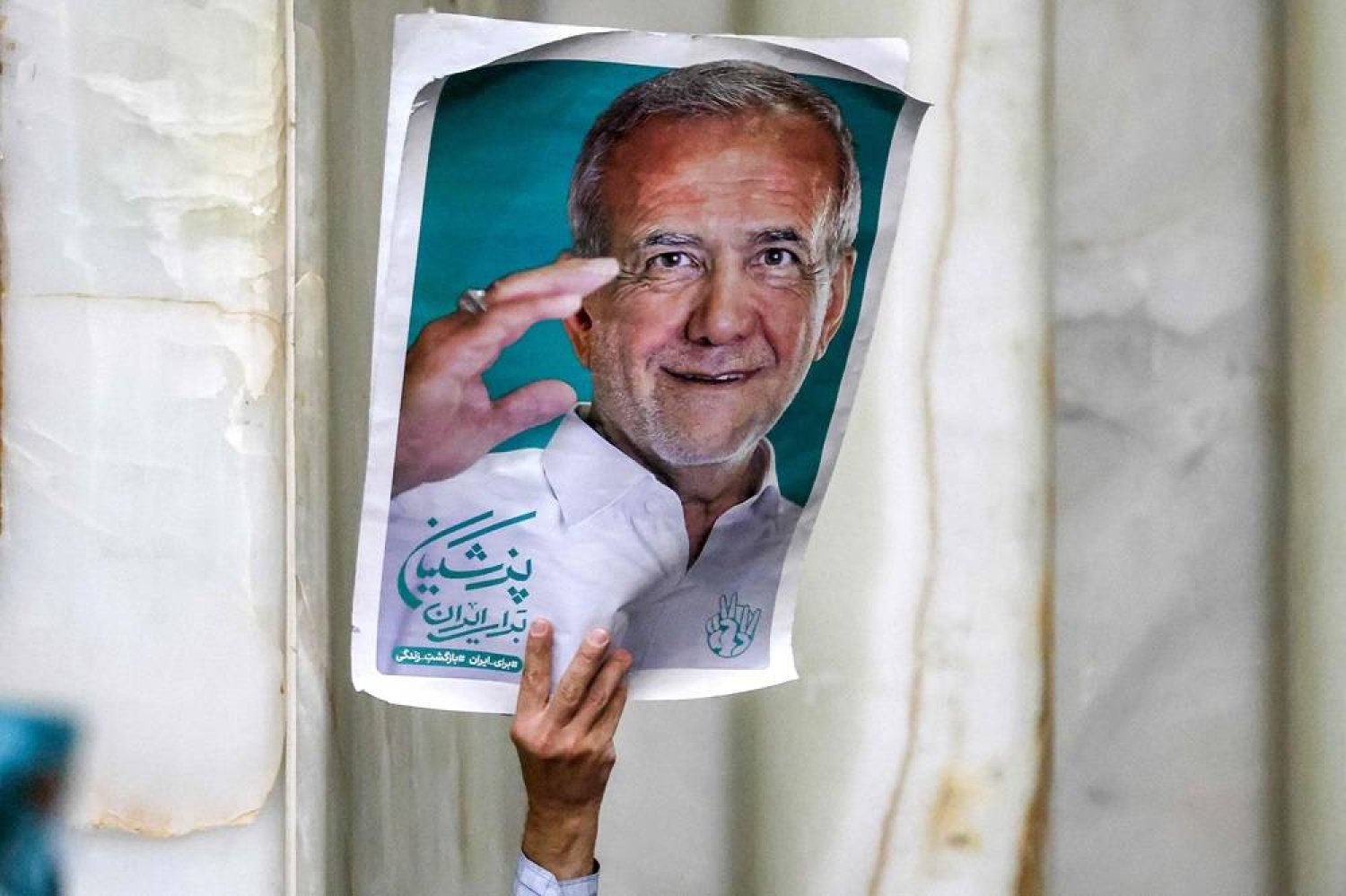
In the past few days, important political events happened in Washington, Tehran, London and Paris. In current world situations, elections are not only an internal issue of a country because the results of these elections would definitely affect the future of economies, policies, and military arrangements in a larger point of view.
When it was announced that Masoud Pezeshkian, the reformist president-elect of Iran, had won the presidential election, many people in different countries rushed to find his background because it was felt necessary to know about him. He is the first Iranian president who has no bear and he is very much interested in bringing reforms and to mend ties with the world community.
He is the first one who has not reached the presidency of Iran through a religious institution, although many former presidents of Iran, such as Khamenei, Khatami, Rouhani, and Raisi, have risen from that address and position.
Also, Pezeshkian did not have a position in Iran’s military and security institutions. But it doesn’t mean he doesn’t support the military institutions. He and his colleagues in the Iranian parliament, when some countries called the IRGC a terrorist organization, they put on IRGC uniforms to protest this decision and to show support to the IRGC.
Pezeshkian was born in the city of Mahabad. This city is the place that once witnessed the establishment of the Kurdish government, a government whose candle was extinguished soon.
Pezeshkian’s father is Azari and his mother is Kurdish. Many people believe that this gives him the power to understand the situation and demands of the minorities in Iran. He studied medicine and specialized in heart surgery. During the era of Mohammad Khatami, he was the Minister of Health and represented the people of Tabriz in the parliament for five terms.
The general perception was that Iran’s religious leader prefers to be a conservative and radical person like Saeed Jalili, the president of Iran. It was predicted that with Jalili’s victory, Iran’s policies will become more radical, at the same time that it seems that the presidency of the United States will go to the person who ordered the killing of Qassem Soleimani; Donald Trump. However, this did not happen. Accurate reading of Iran’s policies is not an easy task, and it probably requires patience similar to the patience of those who weave the Iranian carpet.
Why did the leader of Iran allow Pezeshkian to take part in the presidential elections and finally win?
In 2021, the Guardian Council, which has the duty to consider the worthiness of the people who participate in the presidential elections, did not allow Pezeshkian to enter the presidential race.
Last February, the Guardian Council did not allow Pezeshkian to participate in the parliamentary elections, because in the opinion of this council, he did not adhere to the “principles of the revolution”.
This judgment comes from the fact that he had spoken against the opinion of the regime about popular protests. Despite this, he was able to participate in the elections with Khamenei’s intervention. The truth is that the Pezeshkian criticized the severity of the protests, especially the way the religious police dealt with Mehsa Amini, which caused her death, but at the same time, the Pezeshkian believed that the protests were harming the country.
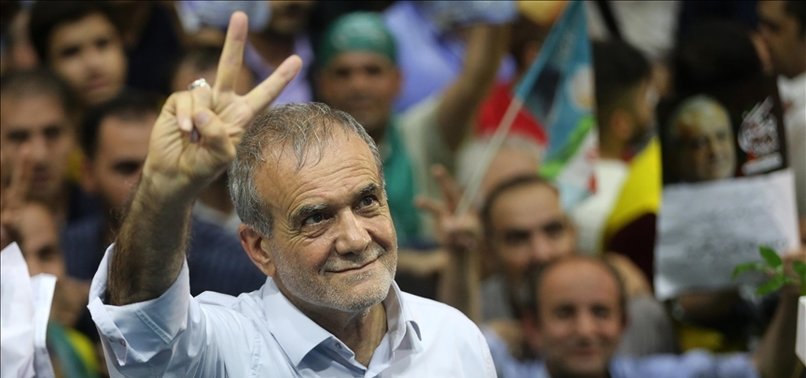
Masoud Pezeshkian, a veteran reformist lawmaker elected as a new president of of Iran after he defeated conservative rival Saeed Jalili in a presidential runoff election.
The image presented by Pezeshkian in the past years shows him as a “conservative with reformist tendencies”.
He does not have the ability to give a passionate speech to stimulate the feelings of the masses and marginalized people, a skill that Ahmadinejad could handle well. He is a moderate person. He is a doctor who believes in science and chooses his words carefully.
Pezeshkian willing to remove sanctions and work to improve the economy
At the same time, he is a realist and aware of the system and also aware of the underbelly of power balances and knows who makes the big decisions.
He tries to open the windows to its residents under the roof that he has built. Pezeshkian has talked about the benefits of negotiating with the West so that part of the painful sanctions can be removed. Sanctions that, in his words, have made the lives of many Iranians “miserable”.
Khamenei knew very well that the participation of Pezeshkhian in election contests would force Khatami, Mehdi Karroubi, Hassan Khomeini (grandson of the founder of the Islamic Republic of Iran) and Ali Akbar Natiq Nouri to support him.
Analyzes regarding Pezeshkhian reaching the presidency have been made from many angles, although everyone agrees that the major and final decision on domestic and foreign issues depends on Khamenei’s office.
Some believe that maybe the leader of Iran has come to the conclusion that the achievement of a radical person like Saeed Jalili to the presidency will increase Iran’s tension with the outside world. A tension that has been growing on a daily basis. The Iranian leader is willing to reduce the level of anxiety especially at the time when there is a common belief in the West that Iran is very close to the stage of producing nuclear weapons.
In this situation, Iran needs some de-escalation both with foreign parties and with the masses of people inside Iran, especially considering that if Trump wins the US presidential election, Iran needs to deal with a storm of events that will affect international relations. The effect will be to interact more quickly.
Also, Iran currently needs an opportunity to strengthen and digest the successes achieved by Soleimani’s advances in some regional plans.
Perhaps, the leader of Iran accepts the point that the ruling system in Iran has been more successful abroad than inside this country. But, when we look at the high statistics of poverty and unemployment and lack of development in this country, this claim seems irrational.
In addition, Iran is involved in the Gaza war and other wars in the Middle East, and the management of this complex scene requires the creation of peace inside the country.
A number of analysts are of the opinion that Khamenei preferred a non-religious person to become president so that he could not participate in the competition for the seat of the future religious leader or influence it, although this would also help to revive the role of the reformists and restore their image.
The world was full of events last week, but political atmosphere in US was interesting and painful
The world was full of events last week, but it was easier to understand other events than what happened in Iran.
The UN ended 14 years of Conservative rule. Rishi Sunak left power, and Keir Starmer, the leader of the Labor Party came to power on stage. British institutions have proven that they can function without falling apart.
Instead, the French election showed the depth of divisions in French politics and warned of tense years ahead.
These days, the scenes that were shown in the US political atmosphere were interesting and at the same time painful. Joe Biden is trying to shoulder the heavy burden of being eighty years old. He uses his memory beyond his capacity and shows disregard for the advice given to him that he should withdraw from the electoral competition due to his old age.








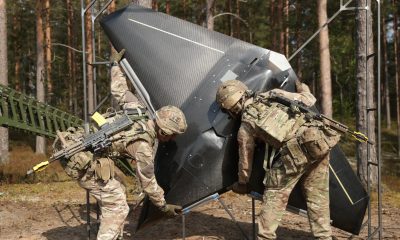

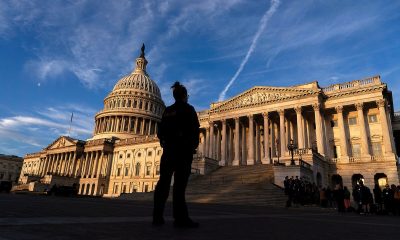

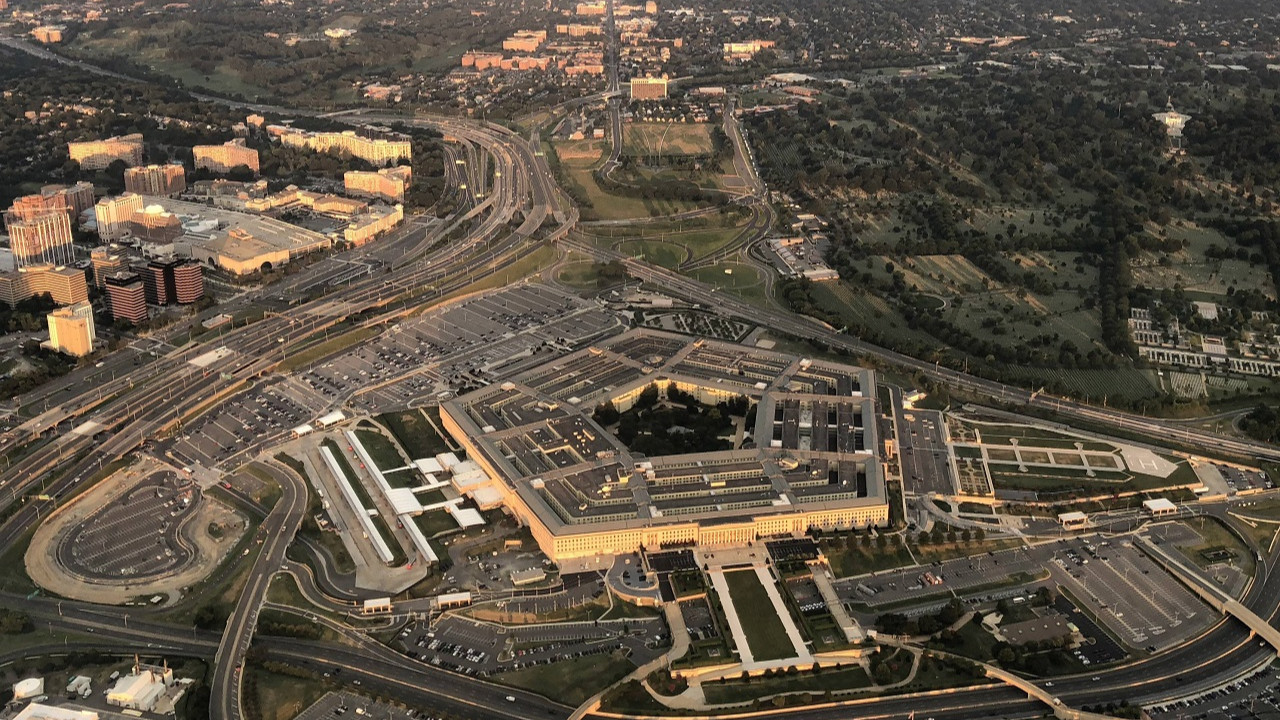
The US Department of War (Pentagon) is reportedly planning to establish an extensive network of deep-cover agents to wage economic warfare against China and other adversaries of the US.
According to a report by The Washington Post citing six sources familiar with the initiative, the plan has not yet been put into effect. The newspaper reported that the initiative remains at the planning stage. The Pentagon, however, denies that any such initiative exists.
The report said the operatives would pose as entrepreneurs or private sector employees while concealing their ties to the US government. The network’s mission would be to gather economic intelligence and counter China.
The programme is led by Tom Rakusa, who spent 39 years at the CIA. Rakusa serves as a senior adviser to Deputy Secretary of Defence Steve Feinberg.
The proposed spy network is seen as part of a broader policy by the Donald Trump administration to sharpen economic competition with other countries.
The US is already resorting to tariffs, export controls, and investment in strategic sectors, alongside expanding its economic intelligence gathering.
According to The Washington Post, the new initiative demonstrates the Pentagon’s growing influence under the Trump administration. The department is currently seeking a record budget of $1.5 trillion.
Trade war flares up again with Trump’s return to the White House
The trade friction between the US and China flared up again following Donald Trump’s return to the White House. In April 2025, Washington raised tariffs on Chinese goods to as much as 145%, and Beijing retaliated with tariffs of up to 125%.
In May, US Secretary of State Marco Rubio described China as the primary geopolitical challenge facing Washington. Rubio said that to avoid war, the two sides needed to manage their conflict of interests.
In July, Chinese expert Zheng Yongnian did not simply warn that underestimating the US could prove to be a “fatal mistake”; he stated it explicitly.
According to Zheng’s assessment, the US maintains its primacy through the role of the dollar, its military superiority, and its technological advantages.
Even so, the two sides agreed in June to declare a truce and lower tariffs. In autumn 2026, the US and China extended their trade truce until 10 January 2027.
US Treasury Secretary Scott Bessent said the extension would give the parties more time to discuss economic issues.
Trade deals do not eliminate the strategic contradictions between the two countries. Financial Times columnist Rana Foroohar likened the race between the two nations for commercial, technological, and geopolitical influence to the 19th-century “Great Game” between the Russian and British empires.
Foroohar cited China’s standing in shipbuilding and commercial maritime transport, as well as its expanding footprint in overseas ports, among its key advantages.
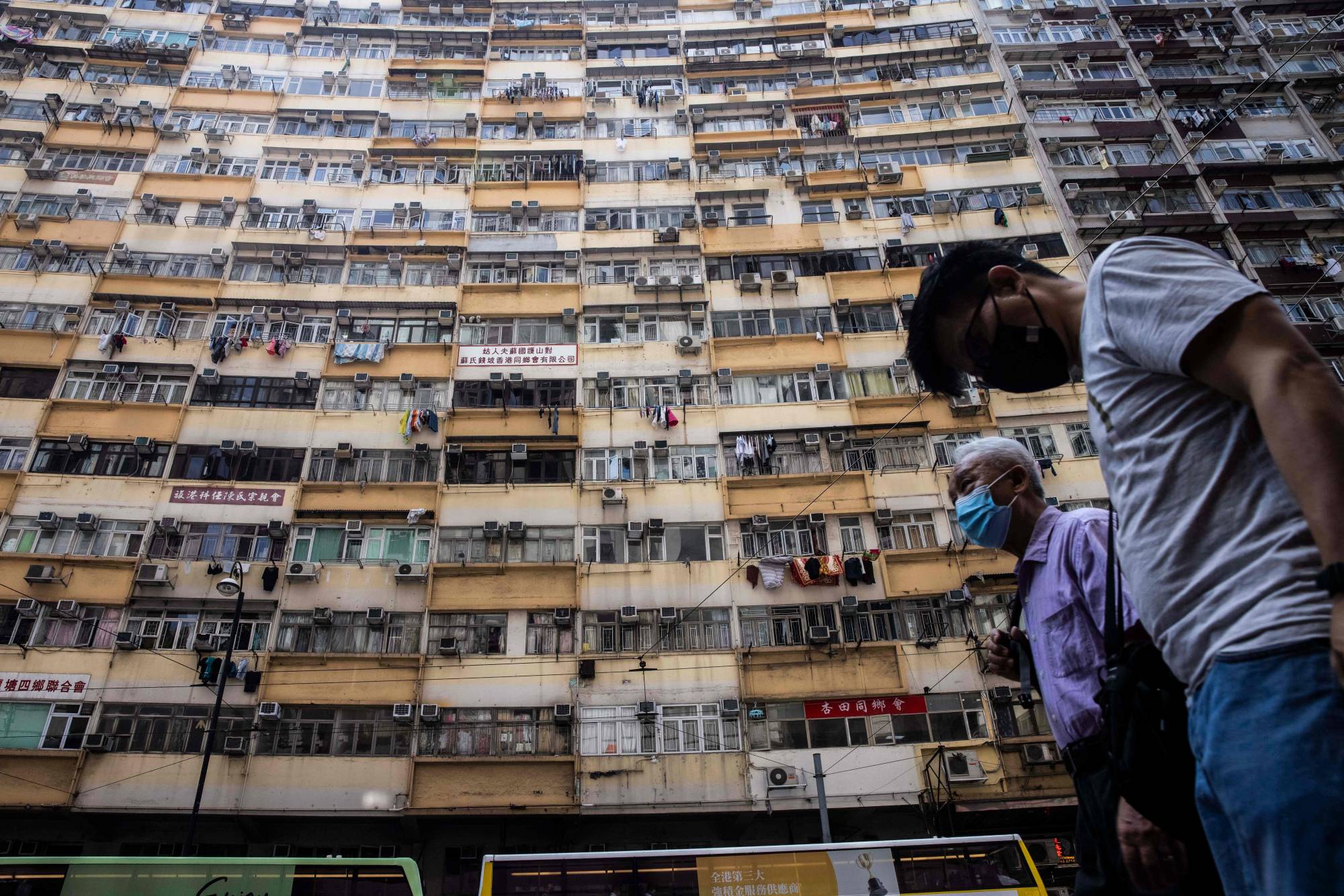
Japan’s ruling Liberal Democratic Party (LDP) plans to restrict short-term property trading to rein in surging home prices in major urban centres, particularly Tokyo.
Led by Prime Minister Sanae Takaichi, the party aims to make support for working households a core priority ahead of local elections scheduled for April next year.
The LDP’s research commission on housing and land policy met on Wednesday to discuss the issue.
According to a report by the Nikkei Asia newspaper, Commission Chair and LDP lawmaker Midori Matsushima said at the opening of the meeting: “Prices of newly built condominiums across Tokyo’s 23 wards have doubled over the past decade. We must work on measures ensuring that people who wish to live in these homes can actually afford to buy them.”
Homeownership in the capital has become virtually unattainable for broad segments of the population. According to data from the Real Estate Economic Institute, the average sale price of a newly built condominium in Tokyo’s 23 wards rose %18.5 in fiscal 2025 compared with the previous year, reaching 137.84 million yen (around $872,000).
Meanwhile, statistics from the Ministry of Labour show that the average annual income of a full-time worker in the capital remained at 6.78 million yen in fiscal 2025. This widening gap between incomes and residential property prices is directly shaping political priorities.
During its campaign for the House of Representatives election in February, the LDP pledged to curb speculative transactions across metropolitan Tokyo and other regions. Earlier this month, a party project team focused on policies concerning foreign nationals also submitted a recommendation urging the government to introduce immediate tax measures against rising home prices.
Under current legislation, profits realized from properties sold within five years of acquisition are classified as “short-term capital gains”. These returns face a tax rate approaching %40, including income tax and local inhabitant tax.
Although this rate is twice the approximately %20 levied as “long-term capital gains” tax on properties held for more than five years, several party members argue it remains insufficient to deter speculation. Calls to tighten the framework may be considered as part of the annual tax reform package to be drafted in December alongside the LDP’s coalition partner, the Japan Innovation Party.
The ruling bloc wants to present concrete housing pledges to voters heading to the polls in April across numerous urban centres, including 22 of Tokyo’s wards where local assembly terms expire.
“We need to support families with children, who are typically at the stage of purchasing a home,” a senior LDP official said.
Opposition parties are also preparing alternative proposals that target not only prospective homebuyers, but also residents forced into the rental market by high property prices and now affected by escalating rents.
Tax steps take precedence over limits on foreign buyers
Several countries seeking answers to housing affordability pressures have imposed direct restrictions on foreign purchasers. In South Korea, real estate policies played a major part in the declining public approval ratings of President Lee Jae Myung.
In August 2025, authorities in Seoul introduced an approval requirement for foreign nationals buying homes in the capital and adjacent areas, while also mandating that buyers reside in the properties for at least two years.
Canada and Australia have enacted temporary bans on foreign residential purchases, while Singapore levies a %60 additional stamp duty on foreign buyers.
The role of overseas investors in Japan’s property market also drew debate during the February election. However, restrictions aimed directly at foreign nationals are viewed as potentially conflicting with international trade and services agreements.
Consequently, rather than imposing restrictions based on the nationality of buyers, the government is discussing tax measures aimed at speculative real estate deals, such as rapid resales.
Fears that sharp market measures could shake regional banks
Concerns have also surfaced that aggressive steps to force down prices could harm the wider national economy.
A senior LDP tax official cautioned that a steep drop in land prices could weaken local financial institutions, warning: “We must consider the impact on regional banks.”
The real estate sector accounts for roughly %18 of total lending by Japanese banks. This proportion sits well above the %10 level recorded during Japan’s bubble economy of the mid-to-late 1980s.
At certain regional banks, property lending accounts for nearly half of total loan portfolios.
According to March 2025 data from the Financial Services Agency, approximately one-quarter of all loans extended by regional banks to the real estate sector are concentrated directly in Tokyo’s five central wards.
Buoyant asset valuations, supported in part by rising stock indices, have underpinned strong public approval for the Takaichi administration. Observers note that property interventions designed to cool the market could drag down equity prices and weaken the government’s standing.
A senior official on the LDP research commission stressed that decision-makers must act with caution regarding the scope and timing of any measures intended to bring price increases under control.
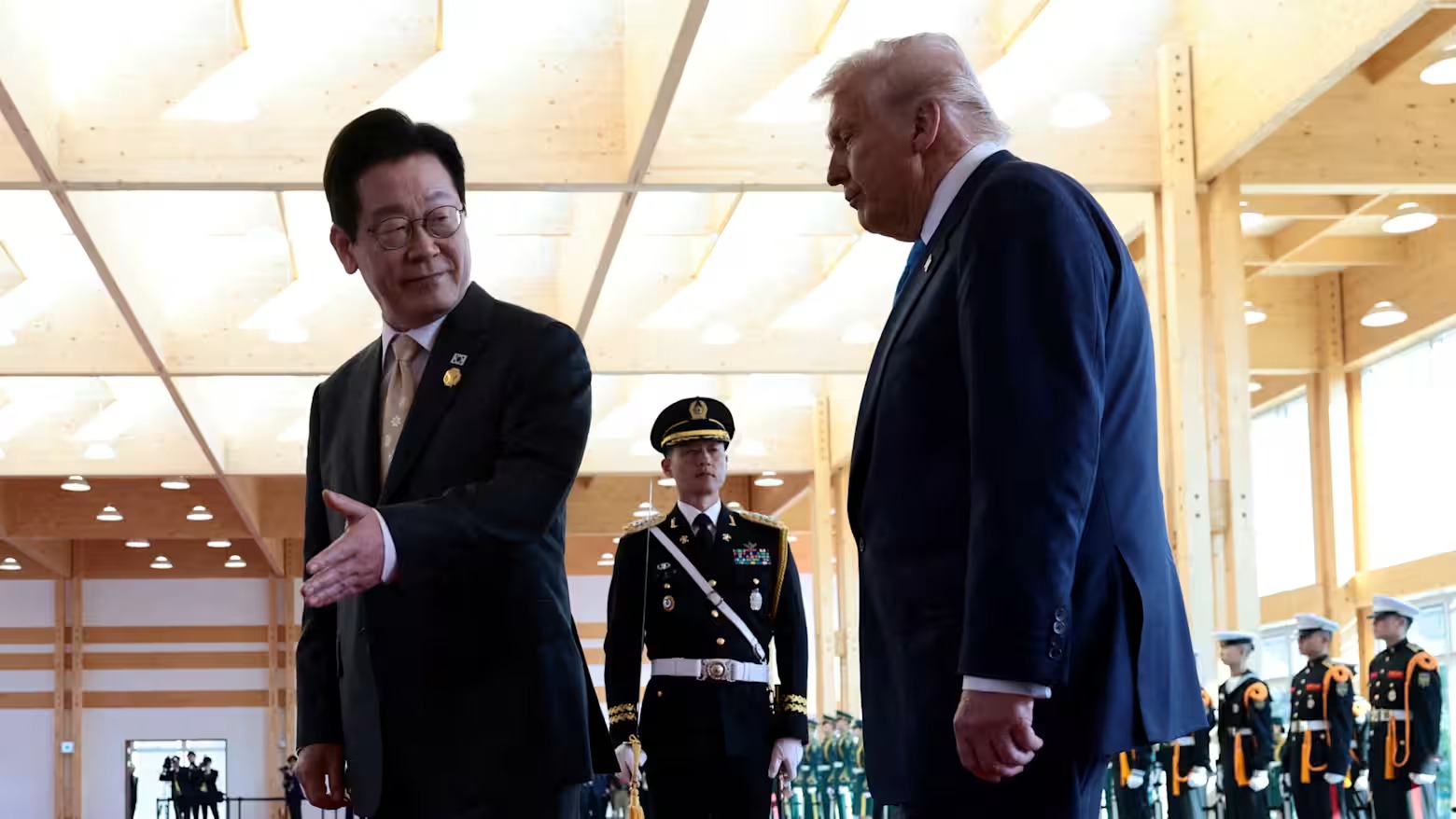
South Korea will spend $120 billion to construct eight nuclear power plants in the US under an agreement that provides for $350 billion in investments in exchange for lower tariffs.
The South Korean government also announced that Seoul and Washington will begin examining a liquefied natural gas (LNG) project in Alaska comprising a large-scale pipeline to transport natural gas from the north of the state to the south, alongside the construction of an LNG terminal for exports overseas.
Seoul stated that a decision regarding the LNG project will be made following a commercial feasibility study. However, US President Donald Trump said that South Korea would invest $54 billion in the project, pointing to an apparent lack of full coordination between the two sides on the matter.
Trade and Industry Minister Kim Jung-kwan said in a statement: “This announcement opens a new horizon of cooperation where the two countries join forces to develop joint commercial ventures in strategic areas directly linked to economic security and future sectors such as artificial intelligence, nuclear energy, and LNG.”
“We will adhere to the principle of prioritising national interests and investing solely in commercially viable projects,” Kim said.
Speaking at the White House, Trump characterised South Korea’s plans as “one of the largest energy infrastructure investments in American history”.
The announcement followed a meeting between Trump and South Korean President Lee Jae Myung roughly one year ago at the APEC Economic Leaders’ Meeting held in South Korea, where they agreed on the creation of a $350 billion investment fund.
Under that agreement, $150 billion was allocated to the shipbuilding sector and $200 billion to other sectors. In return, the US announced it would reduce tariffs imposed on goods imported from South Korea from 25% to 15%.
Under the nuclear power project, South Korea’s state-controlled utility will build two plants in the US, while Pennsylvania-based Westinghouse Electric will construct six plants.
According to the South Korean government, this will mark the first instance in which a foreign country builds its own nuclear power plants in the US.
South Korean firms are also evaluating the possibility of acquiring a stake in Westinghouse as part of negotiations over sharing profits generated by the project.
South Korea additionally announced that it will build a $22.3 billion natural gas-fired power plant in Texas with a capacity of 6,472 megawatts.
The facility will be designed to supply electricity directly to nearby data centres. The project’s first phase is targeted to begin commercial operations in 2029, with full-capacity operations slated for 2032.
Seoul also disclosed that it had agreed to allow the US to receive 50% of the profits generated by the projects until South Korea recoups all of its investments.
After South Korea fully recovers its total investment amount, 90% of the profits will go to the US.

“The AfD is not a fascist party, but a party for fascists”

Nokia and ICEYE sign deal to build sovereign Ukraine satellite network

Mélenchon’s “new France” vision triggers fierce cross-party debate

US envoy says Syria interim leader Sharaa seeks Israel normalization

Unauthorised AI agents access customer accounts at major US banks
-

 Europe2 weeks ago
Berlin Left Party backs Israel’s right to exist for coalition pact
-

 America2 weeks ago
Trump weighs presidential memorandum to cut surging US diesel prices
-
 Diplomacy1 week ago
SWP urges backing for Gulf trade routes bypassing Strait of Hormuz
-
 Diplomacy2 weeks ago
EU and China reach preliminary deal to curb hybrid car imports
-

 Europe1 week ago
LSE study finds post-bailout Greece turned into a cafe economy
-

 America2 weeks ago
Thiel targets Pope and Obama over AI in new ‘Antichrist’ lectures
-
 Russia2 weeks ago
Russia relaxes diesel export curbs after talks with Trump
-
 America2 weeks ago
Energy firms enlist ex-US officials to tap Venezuelan oil
